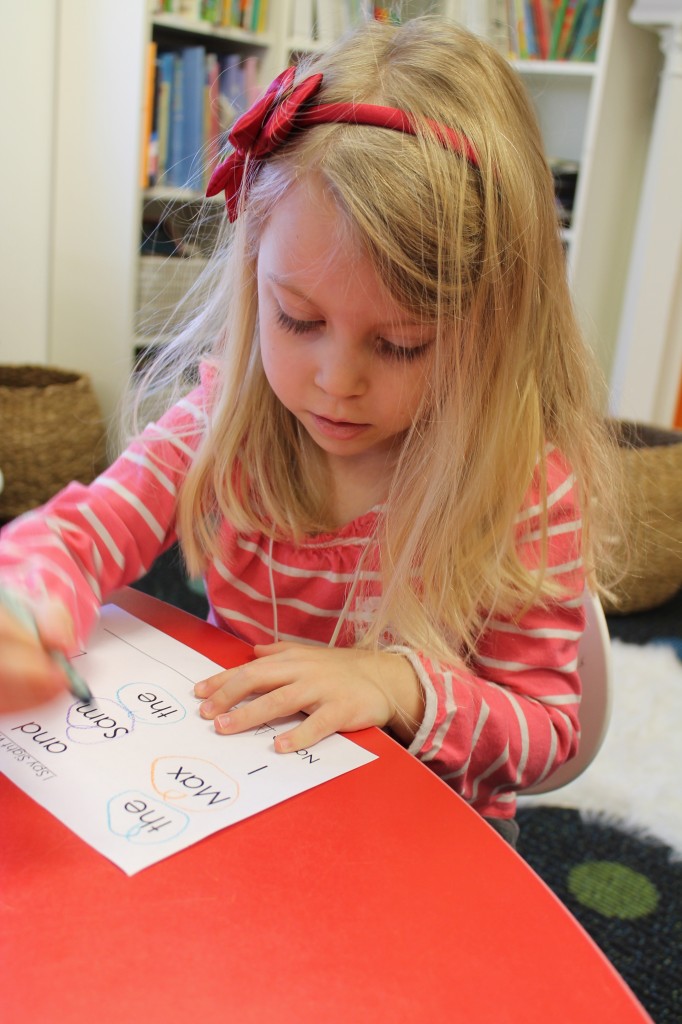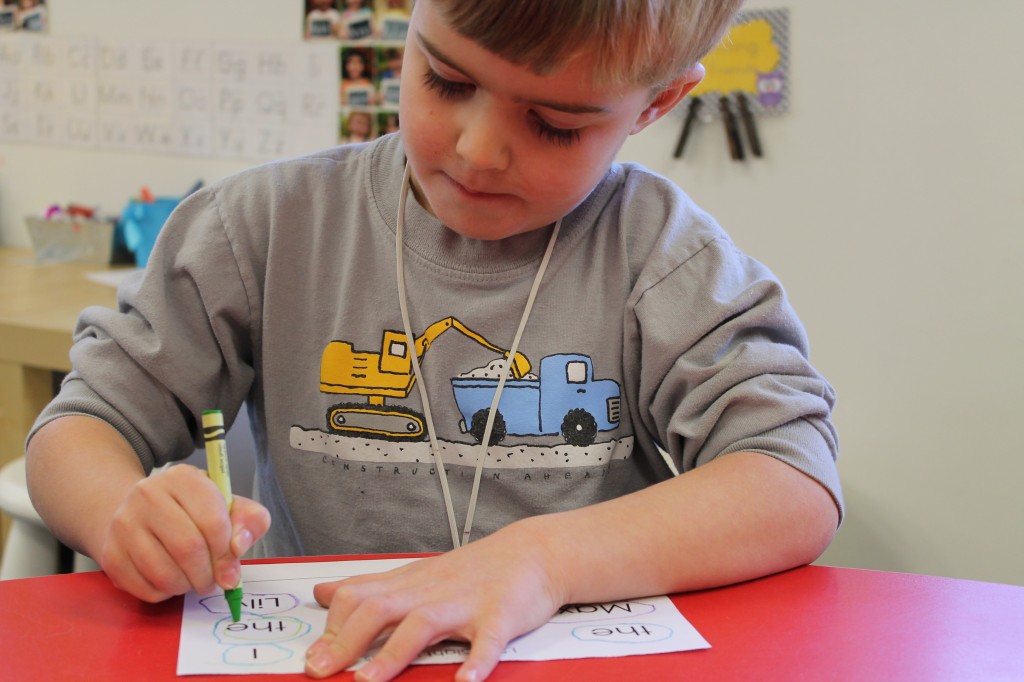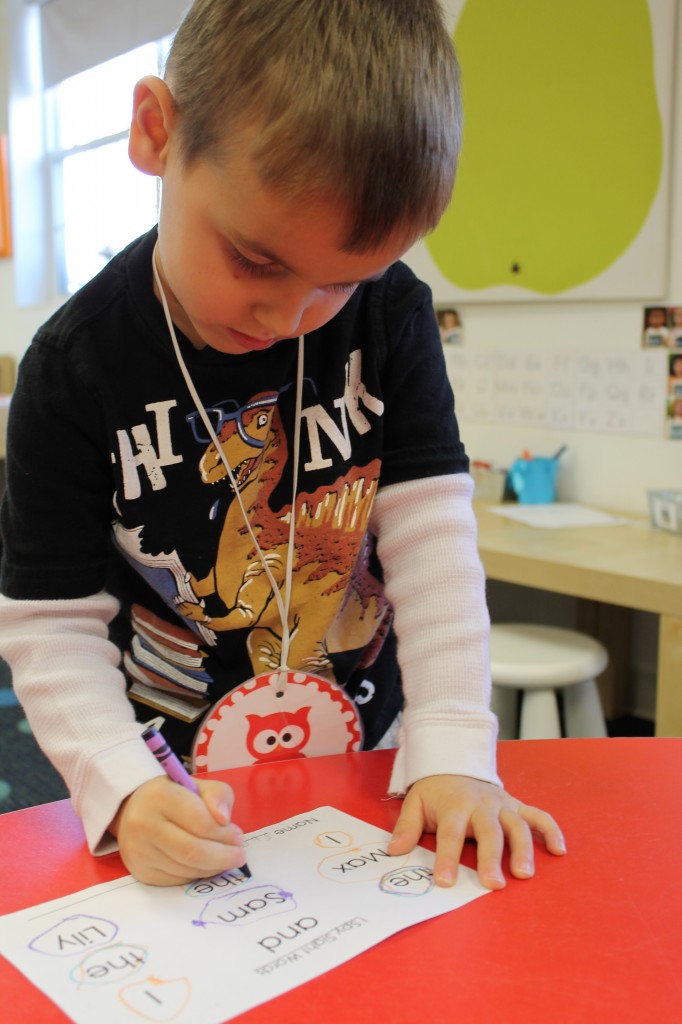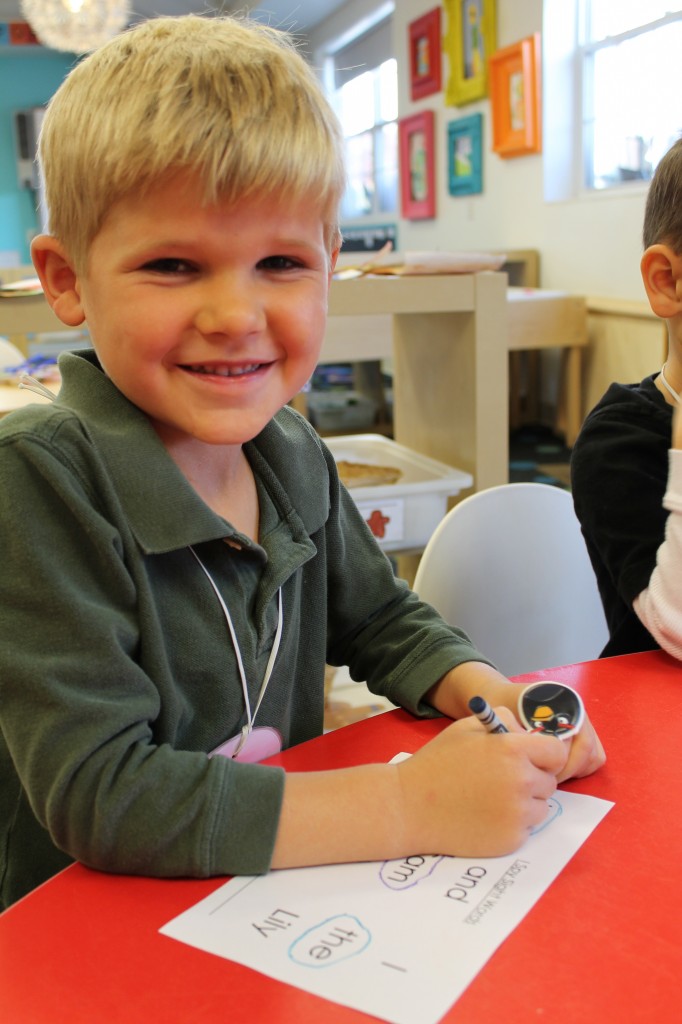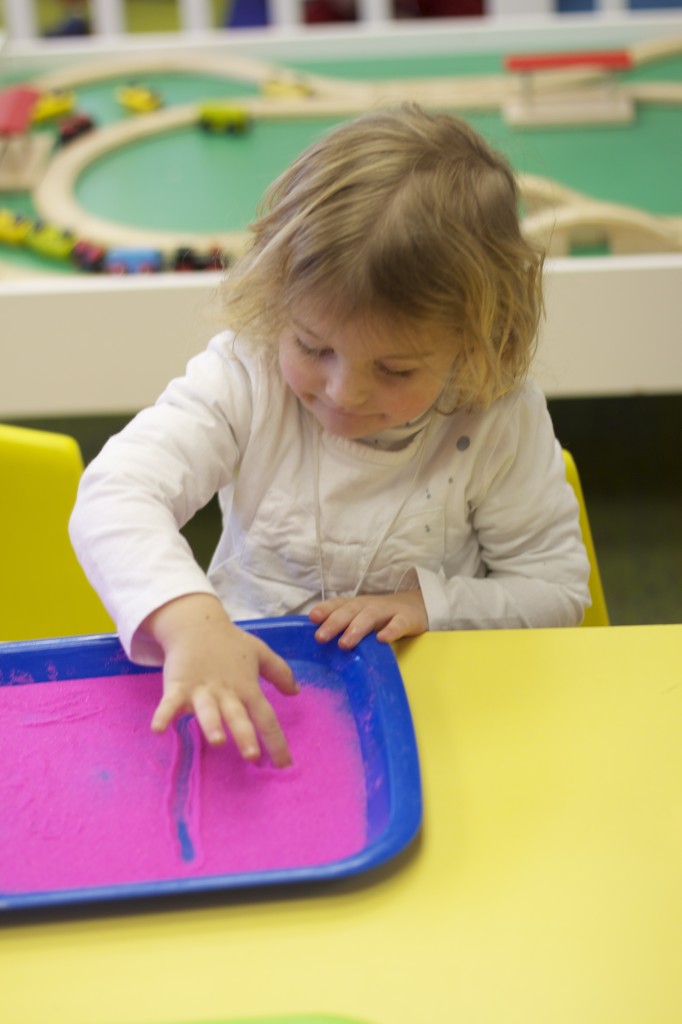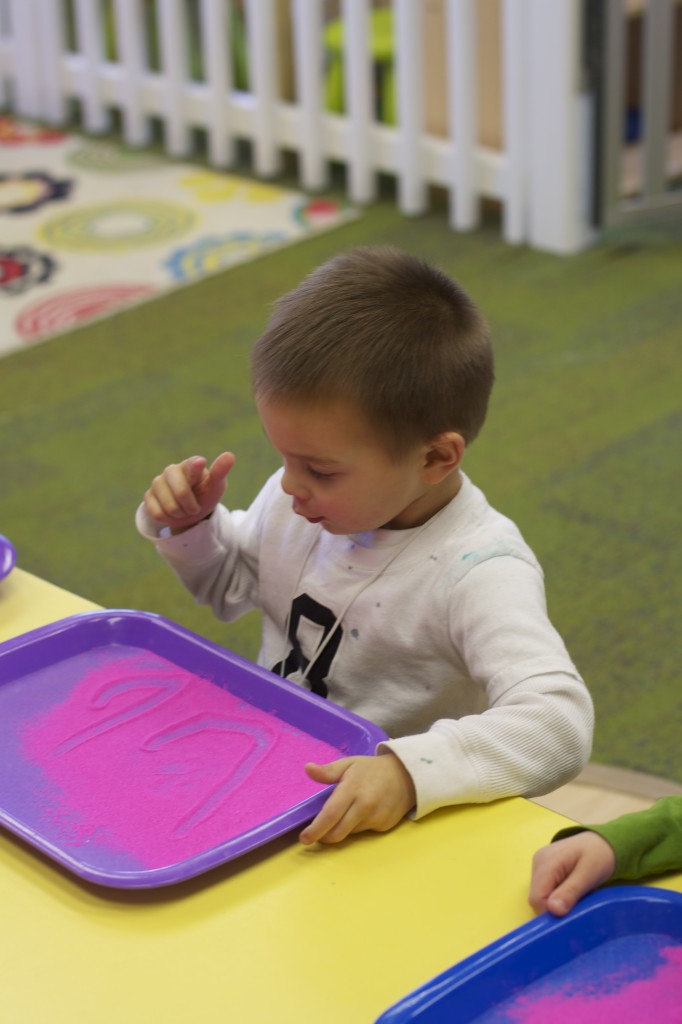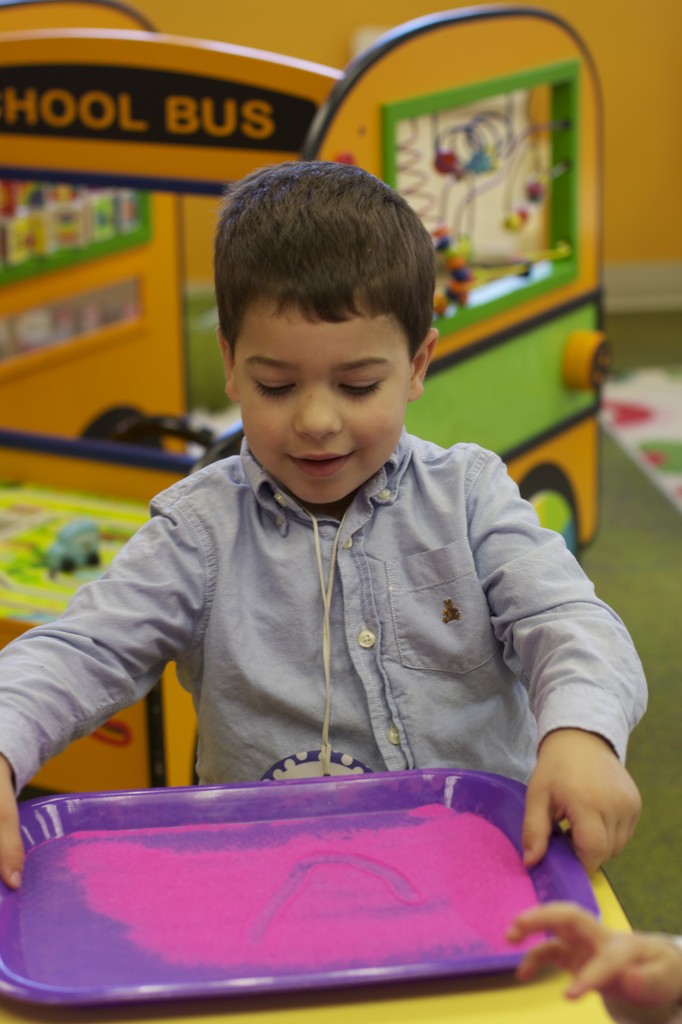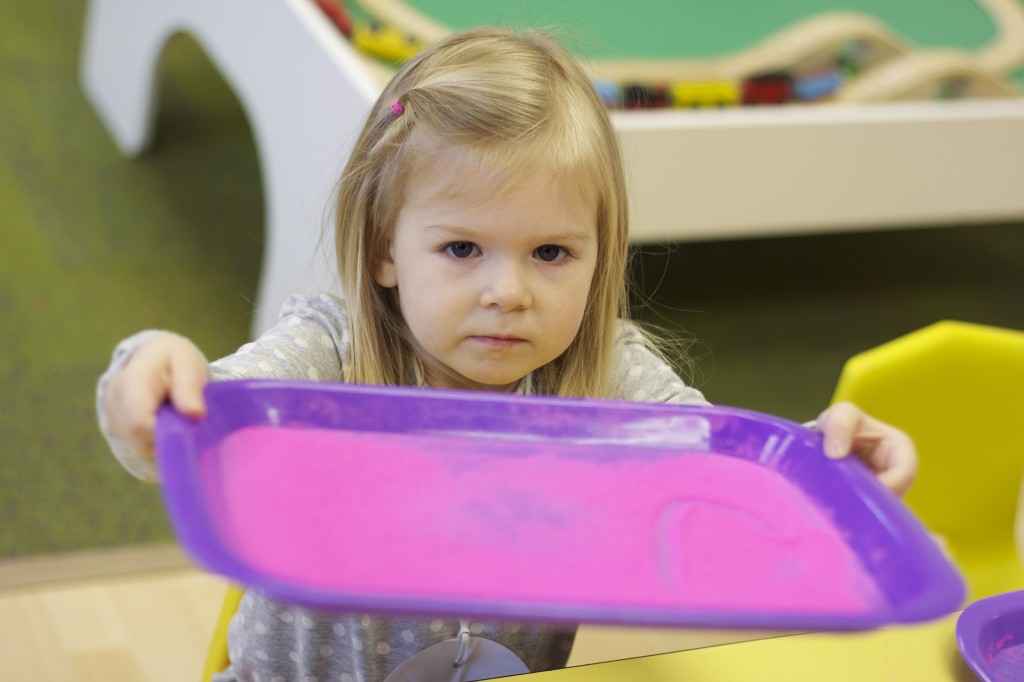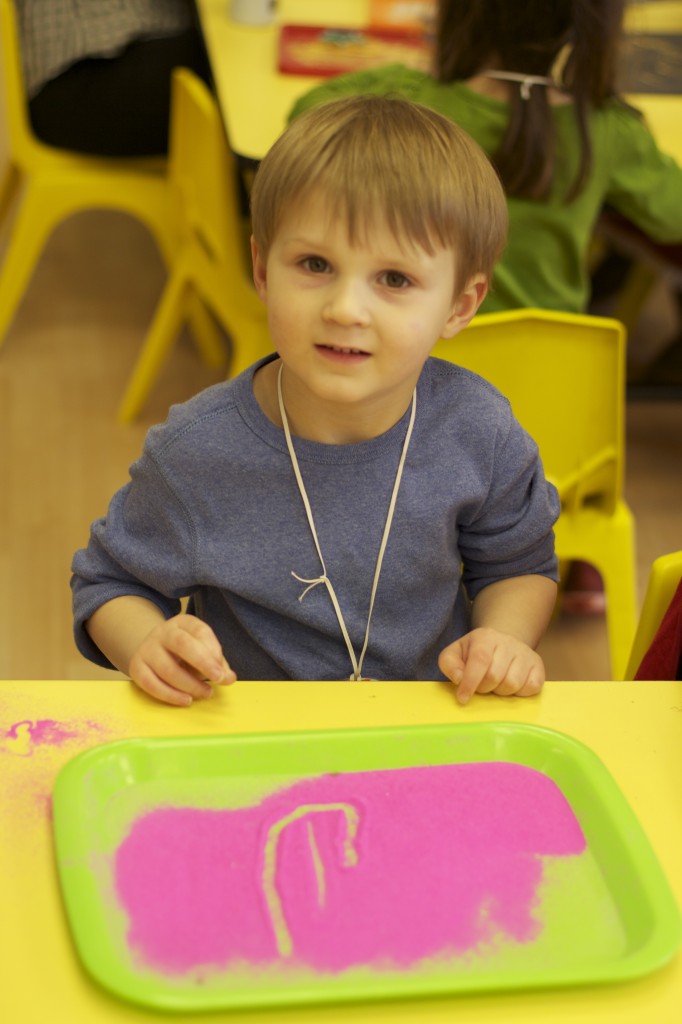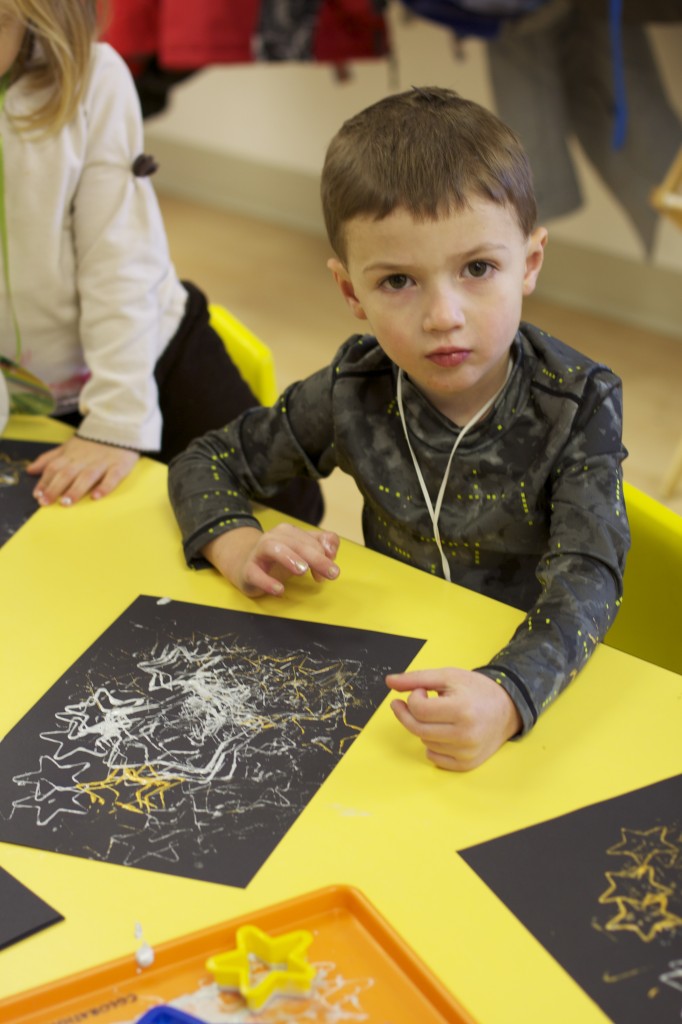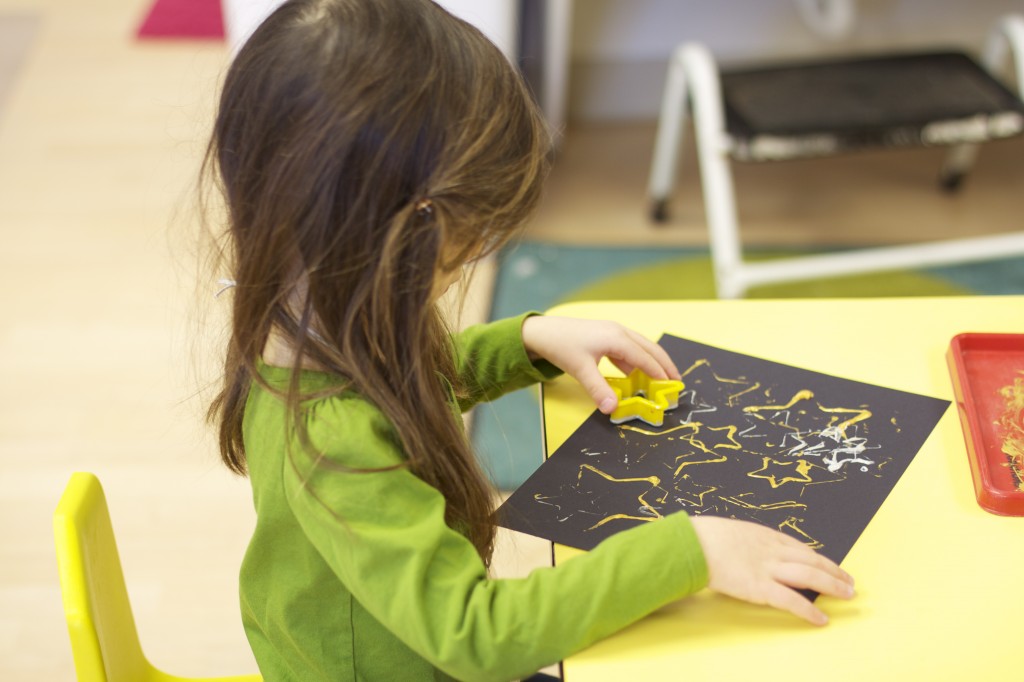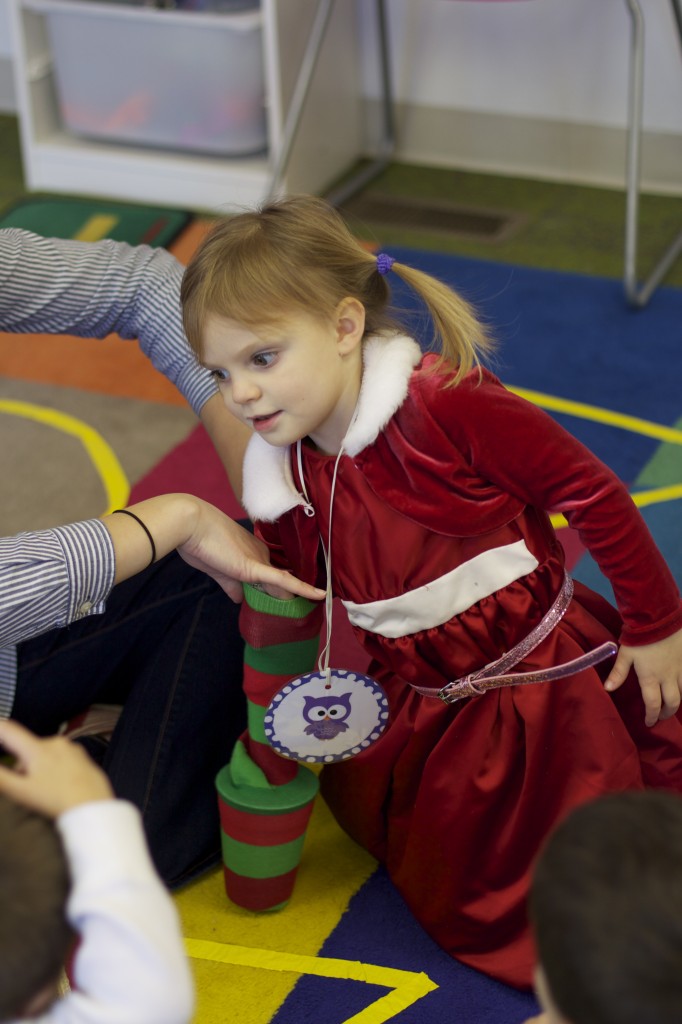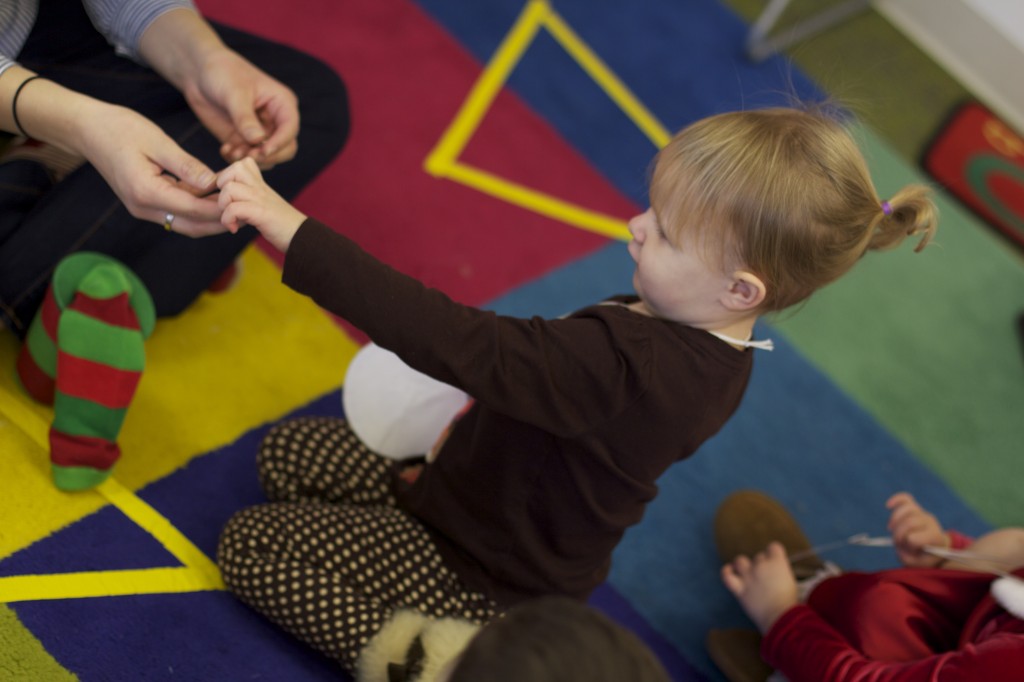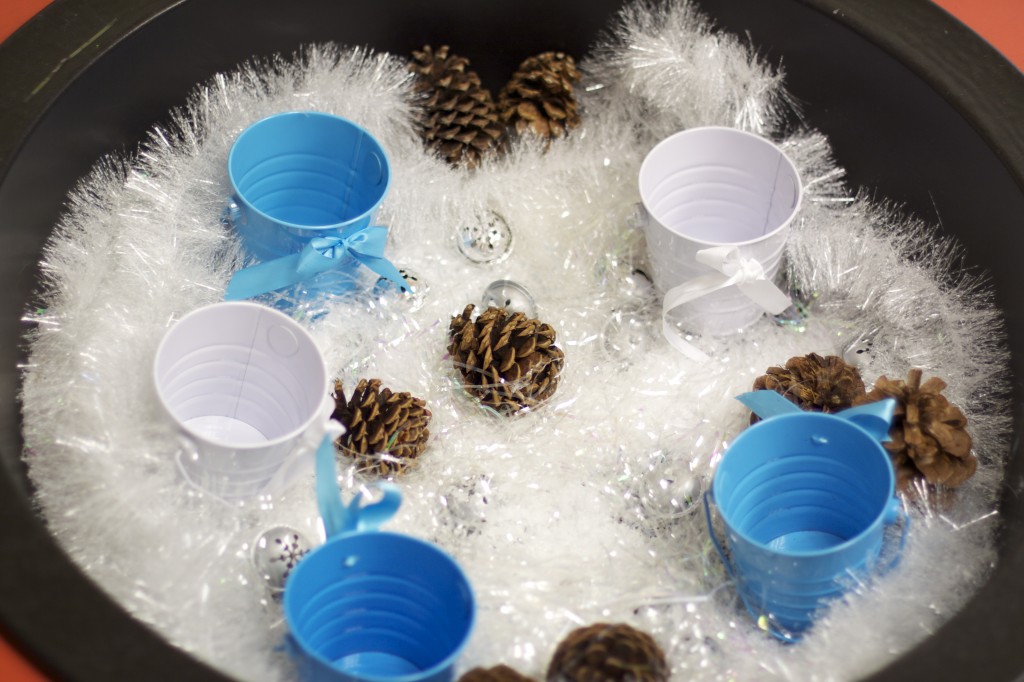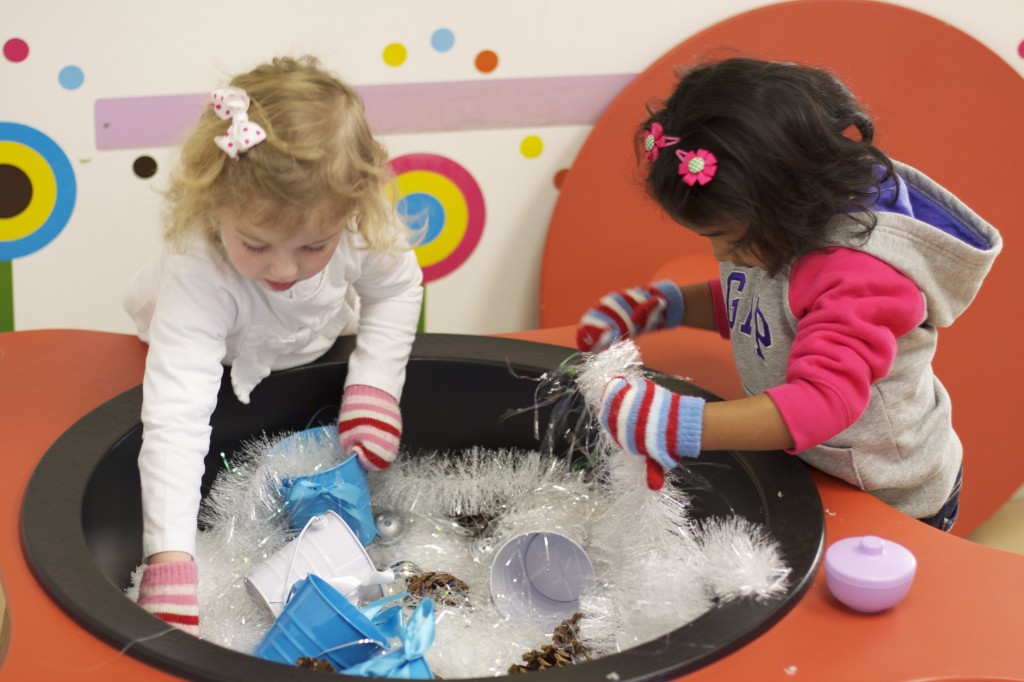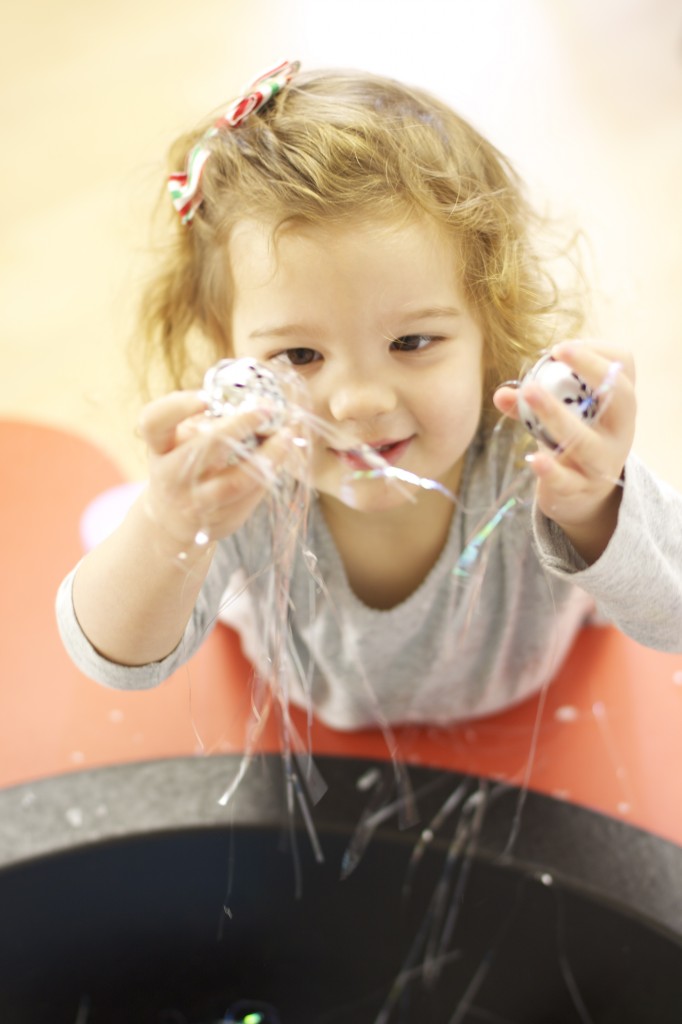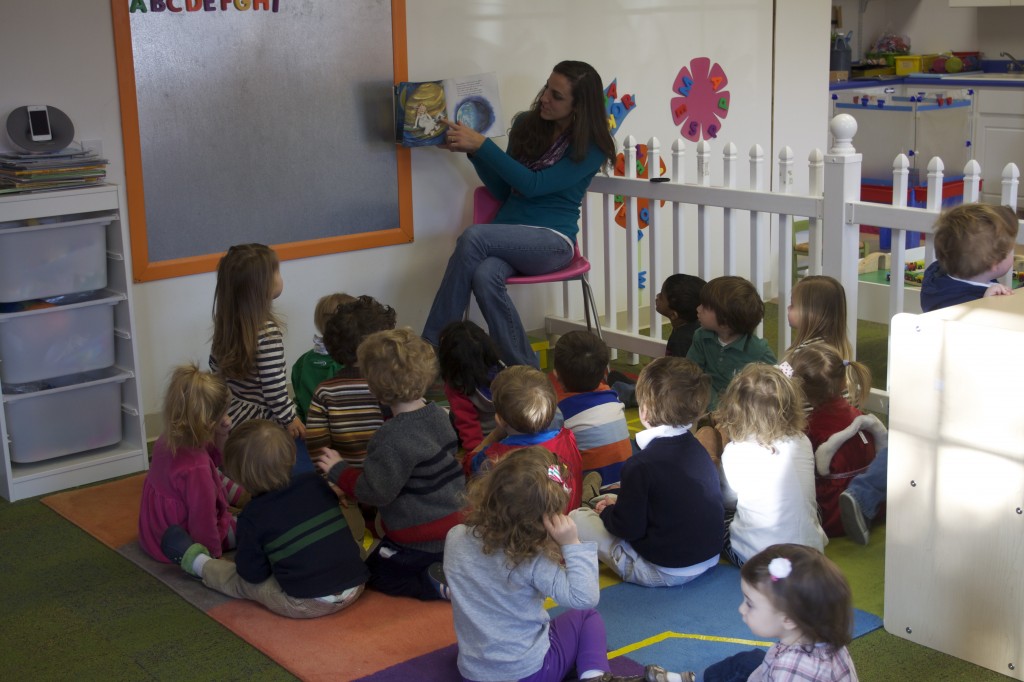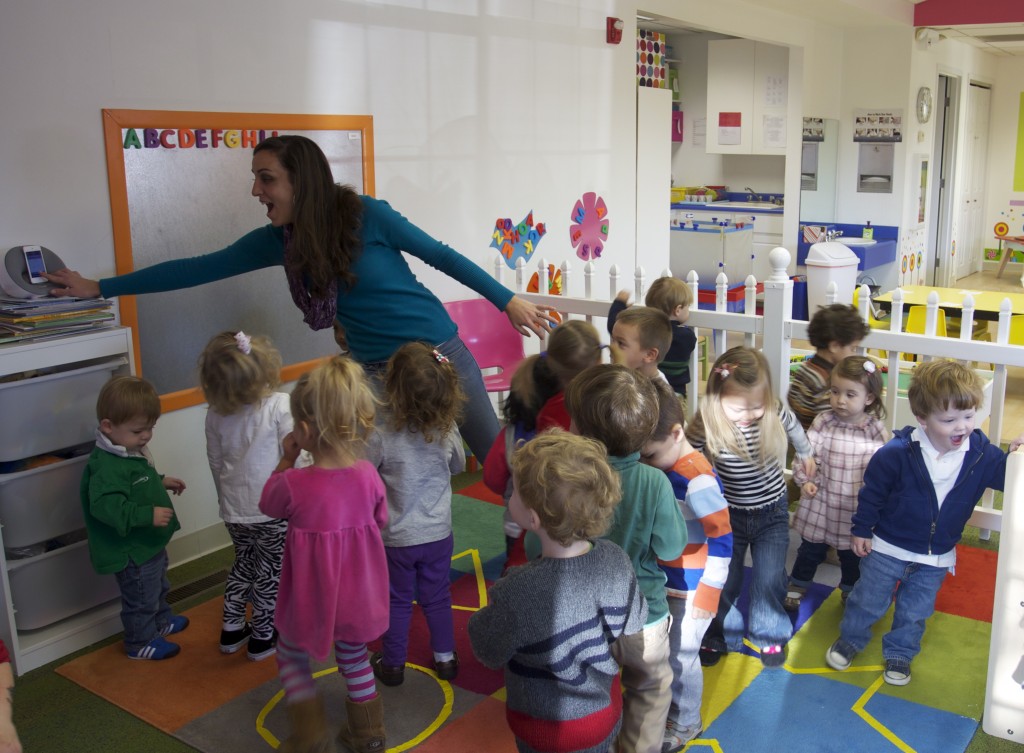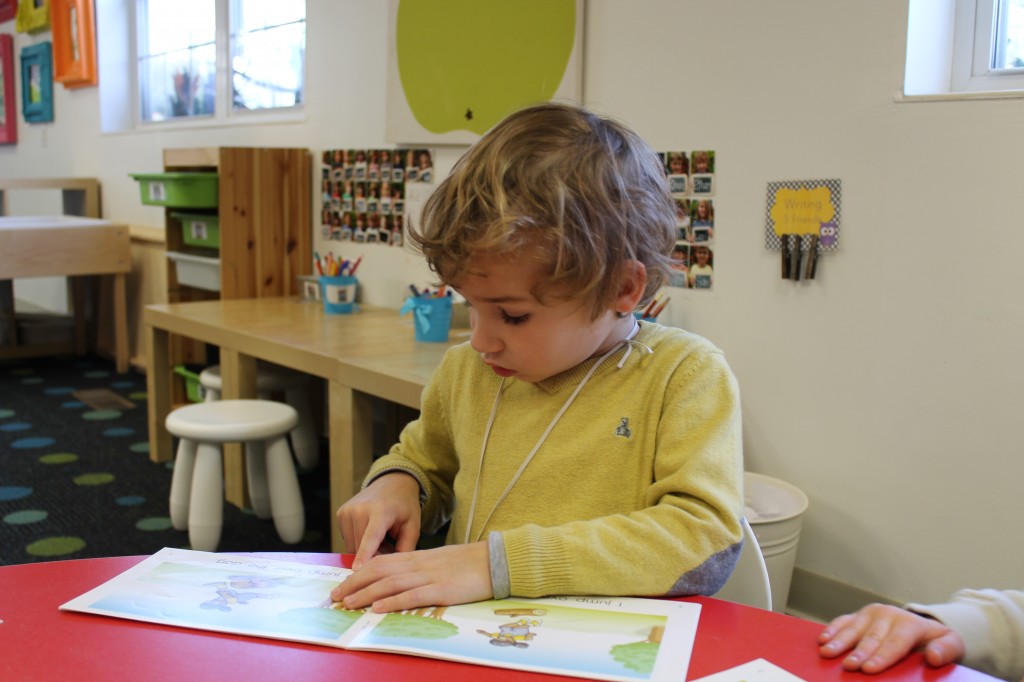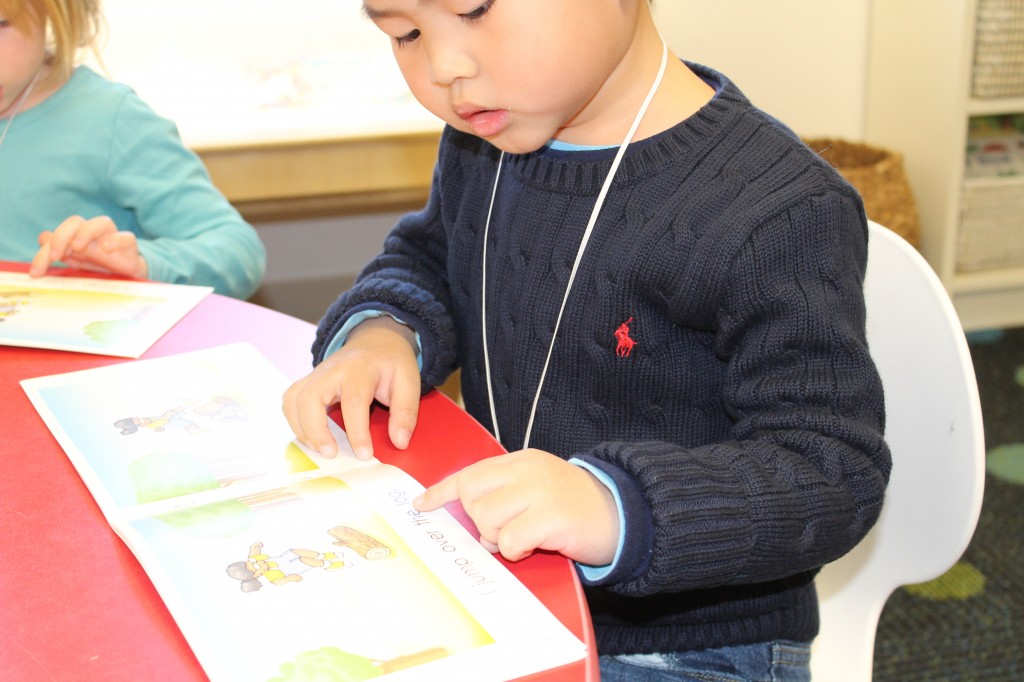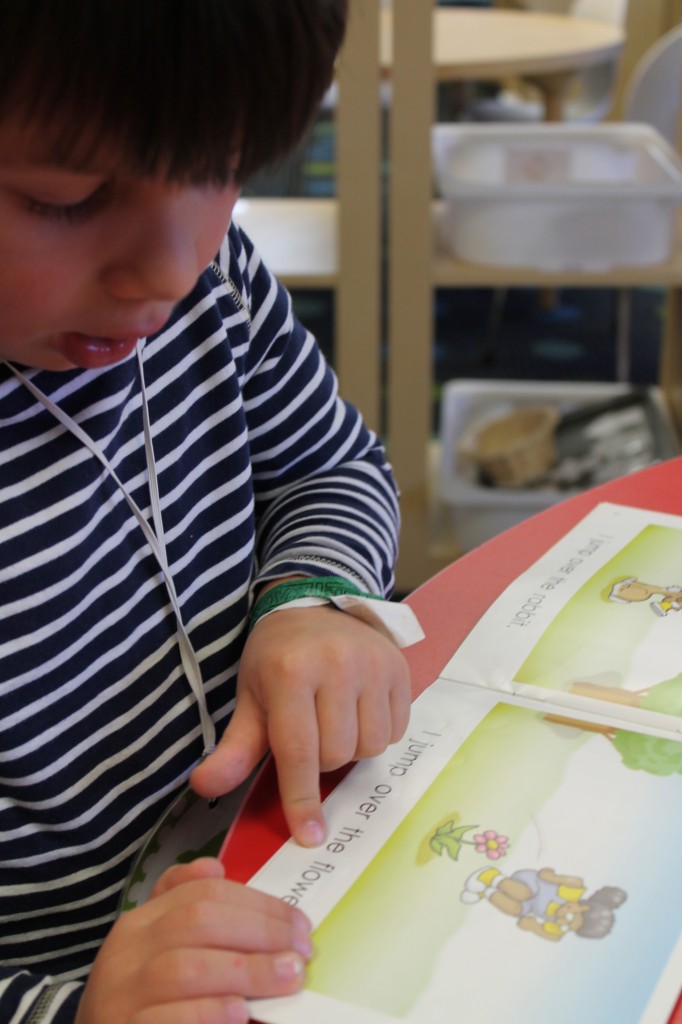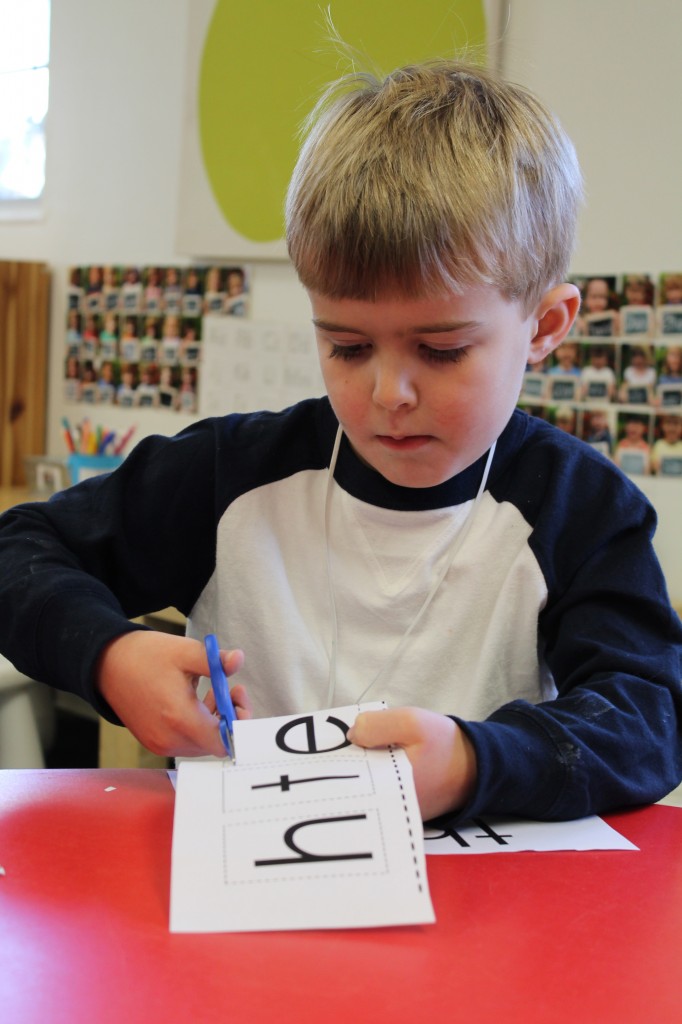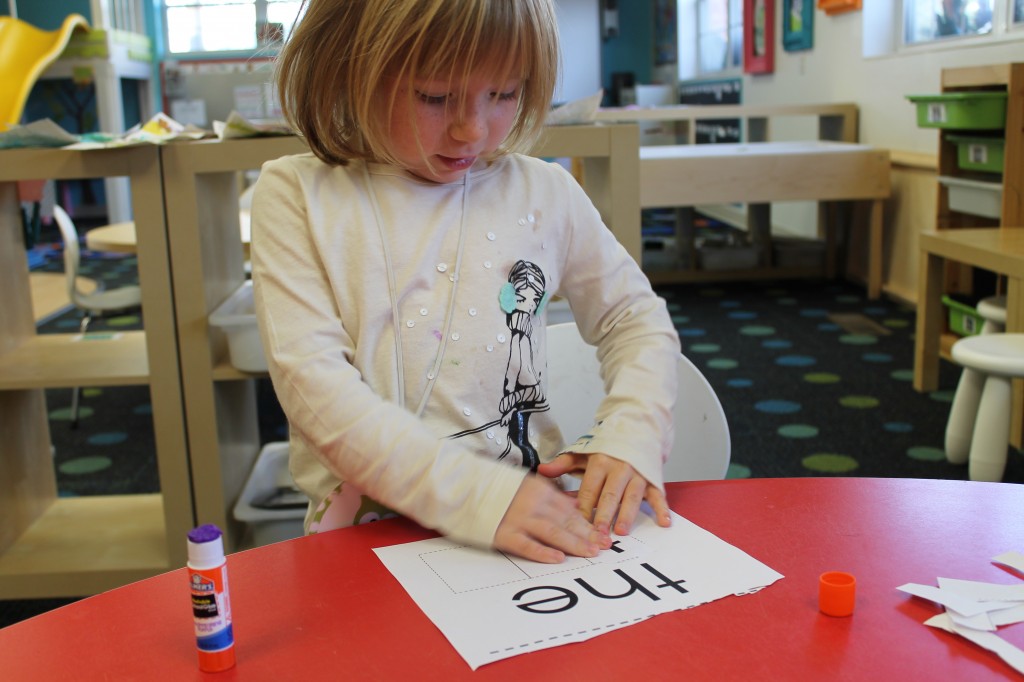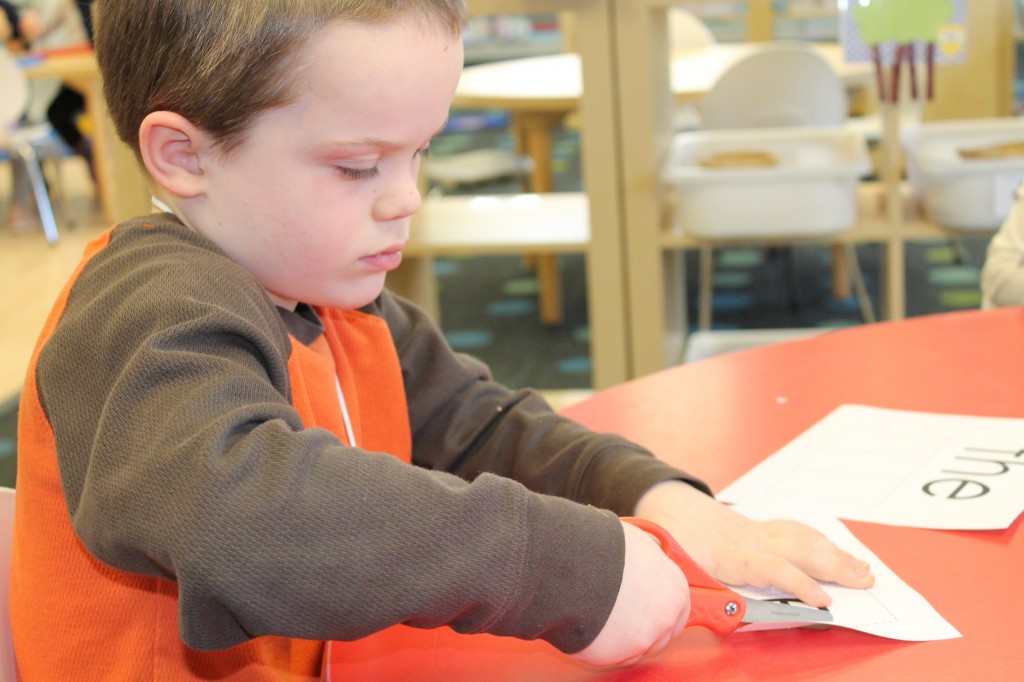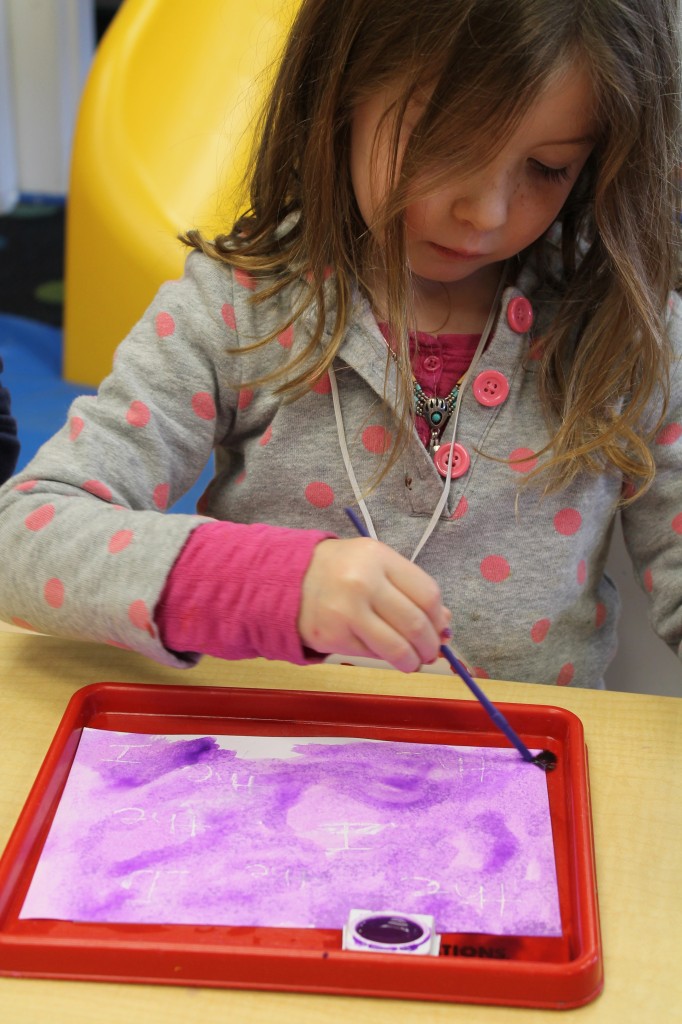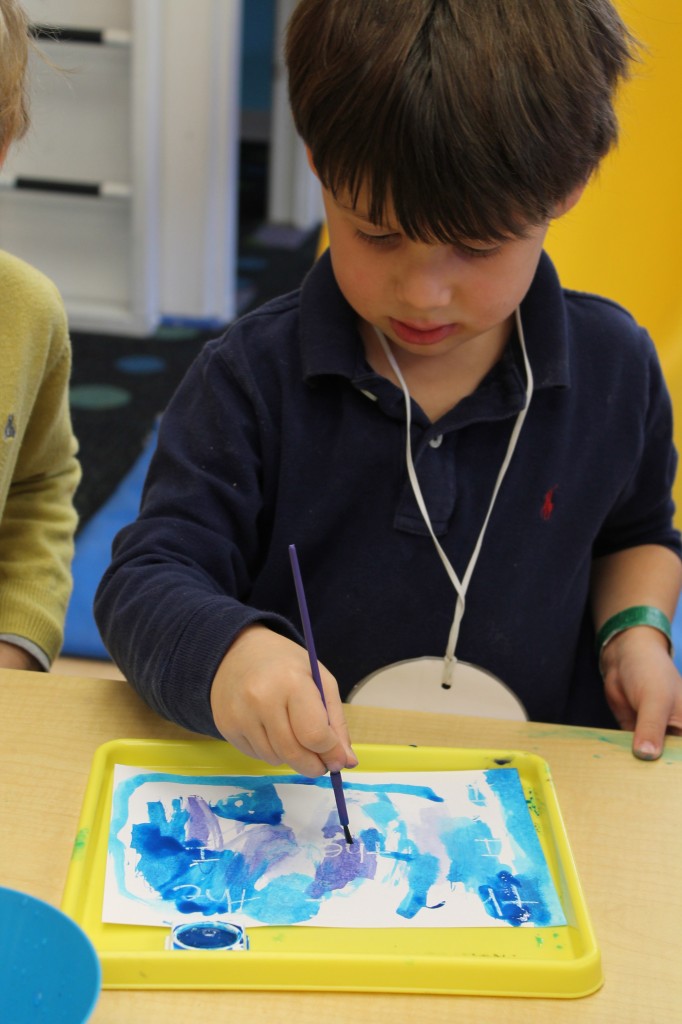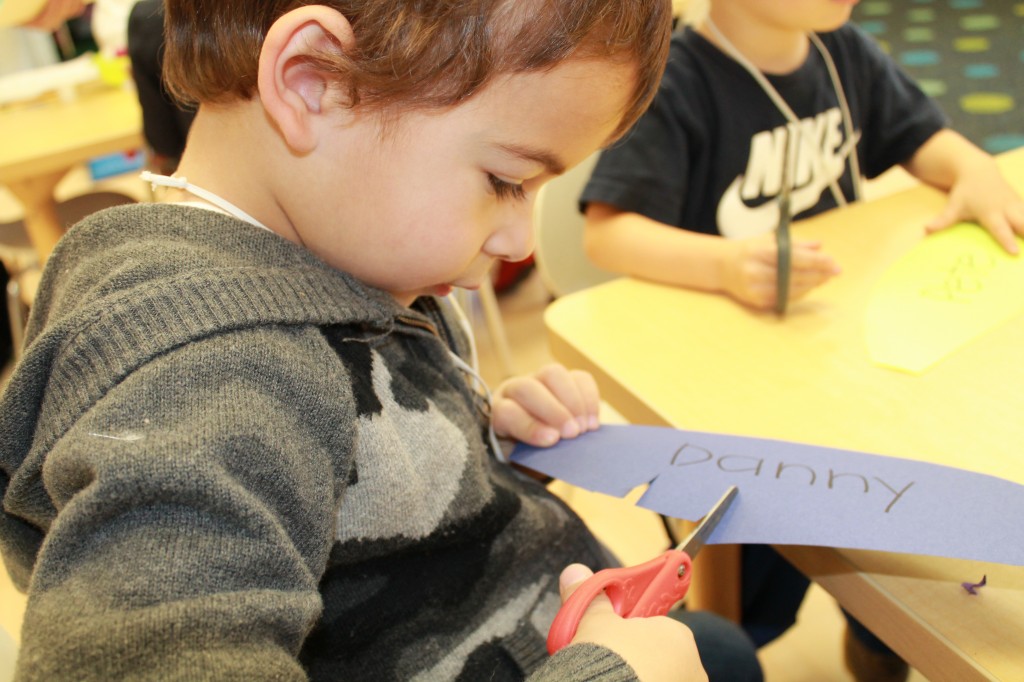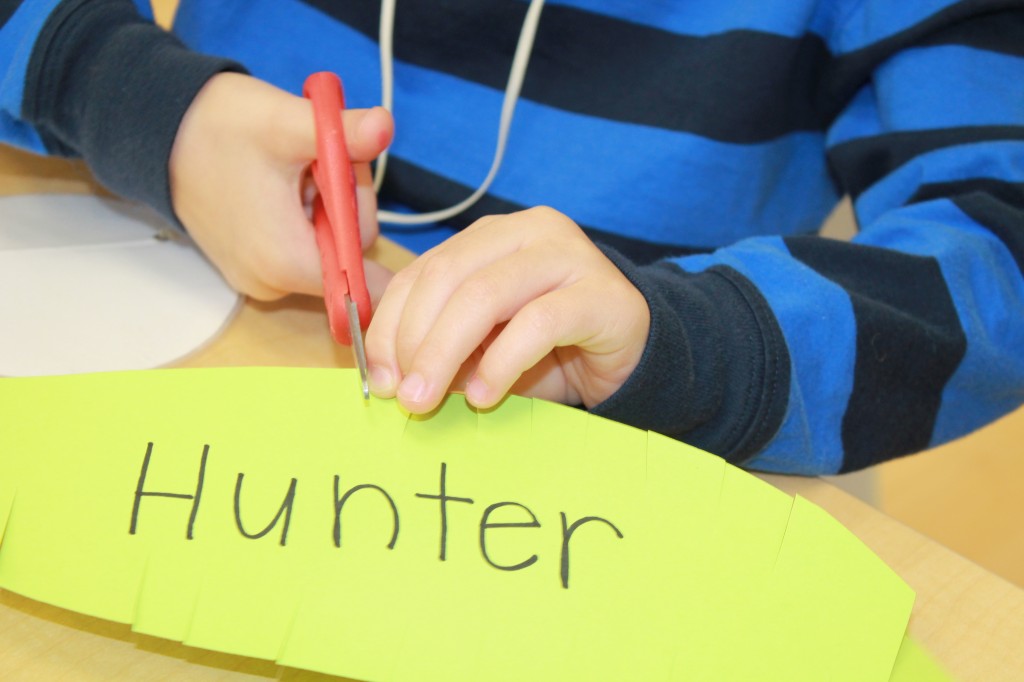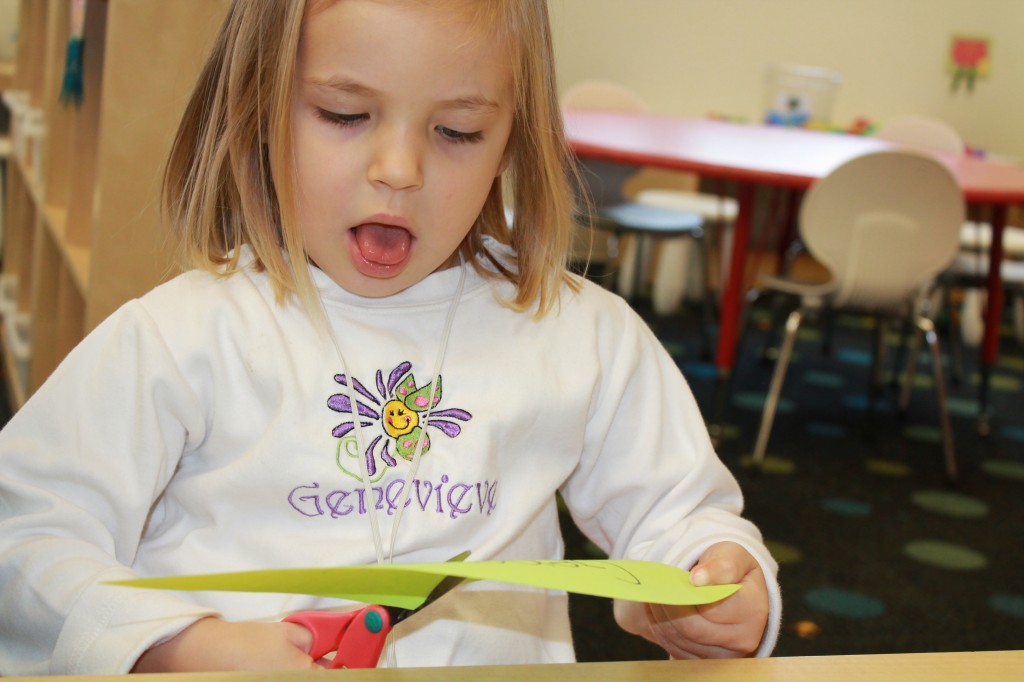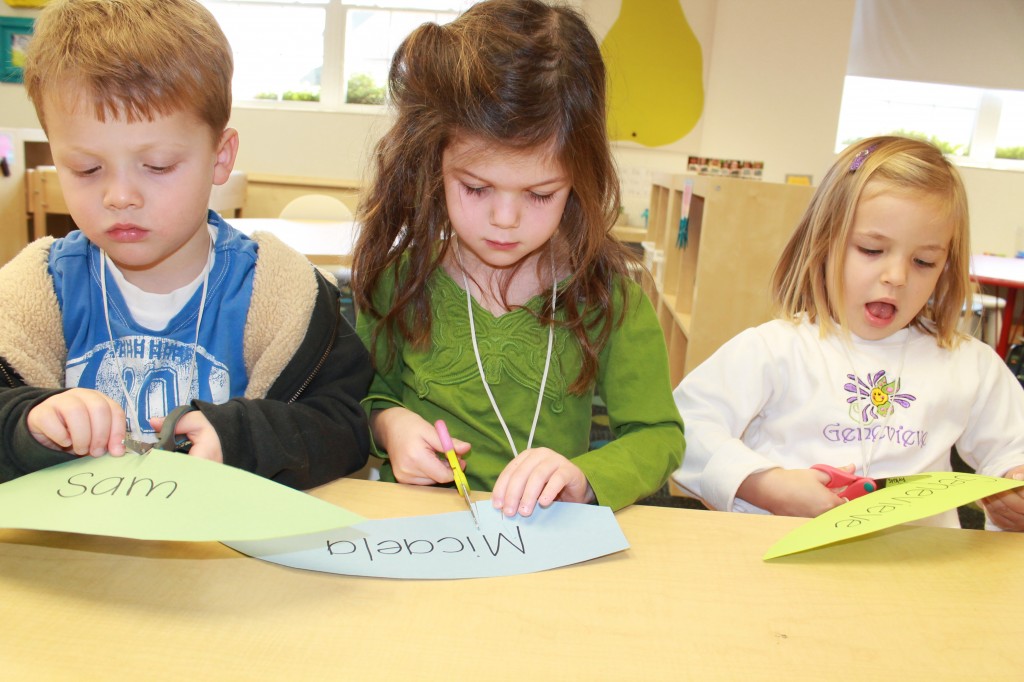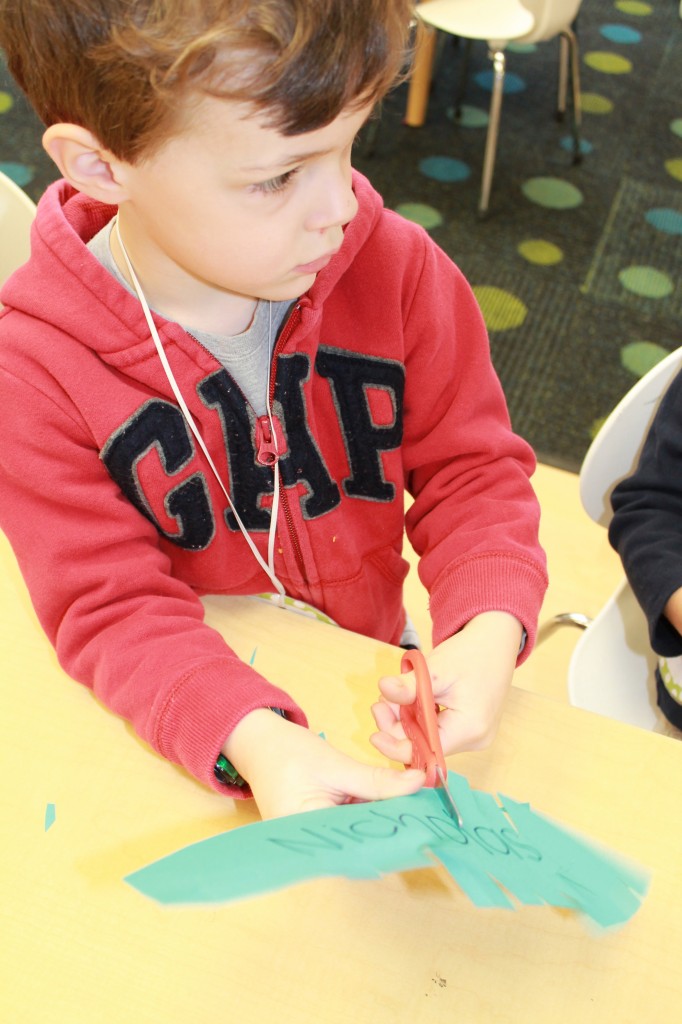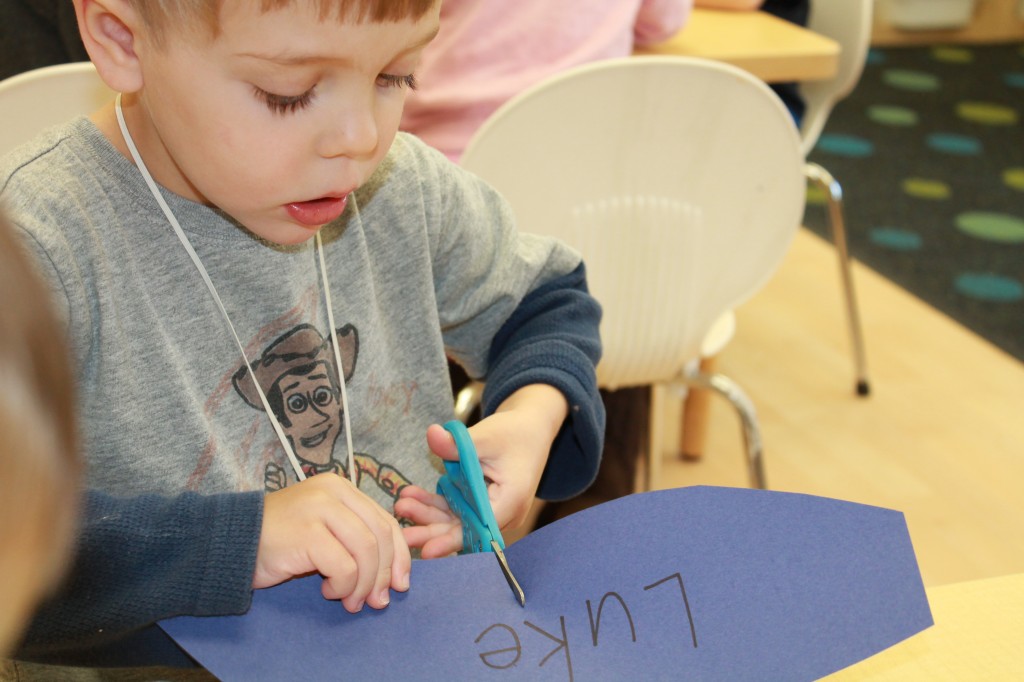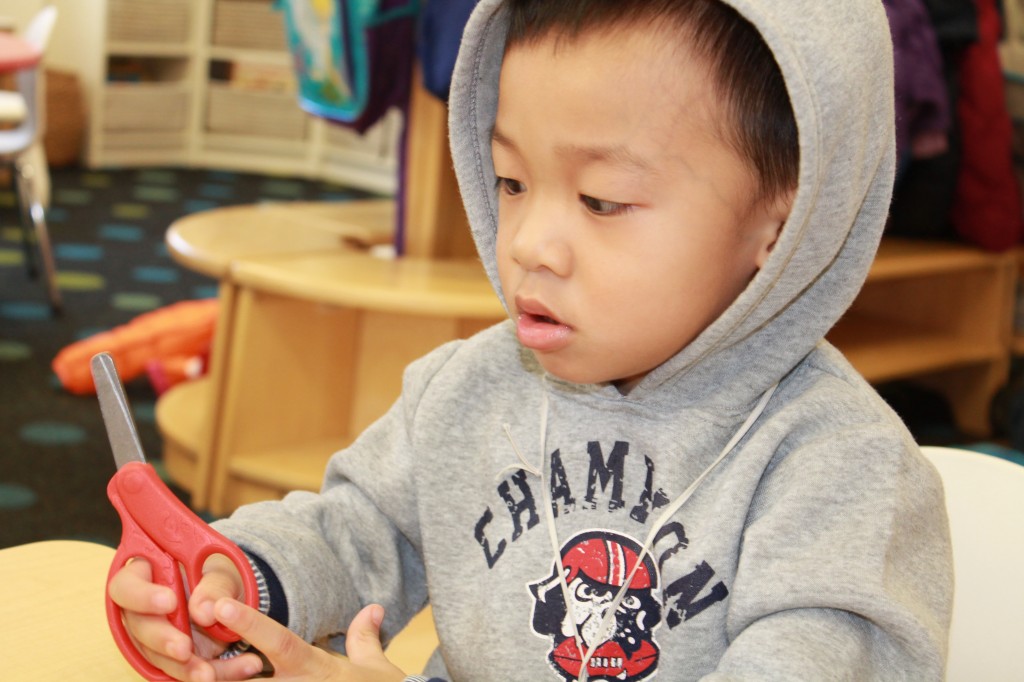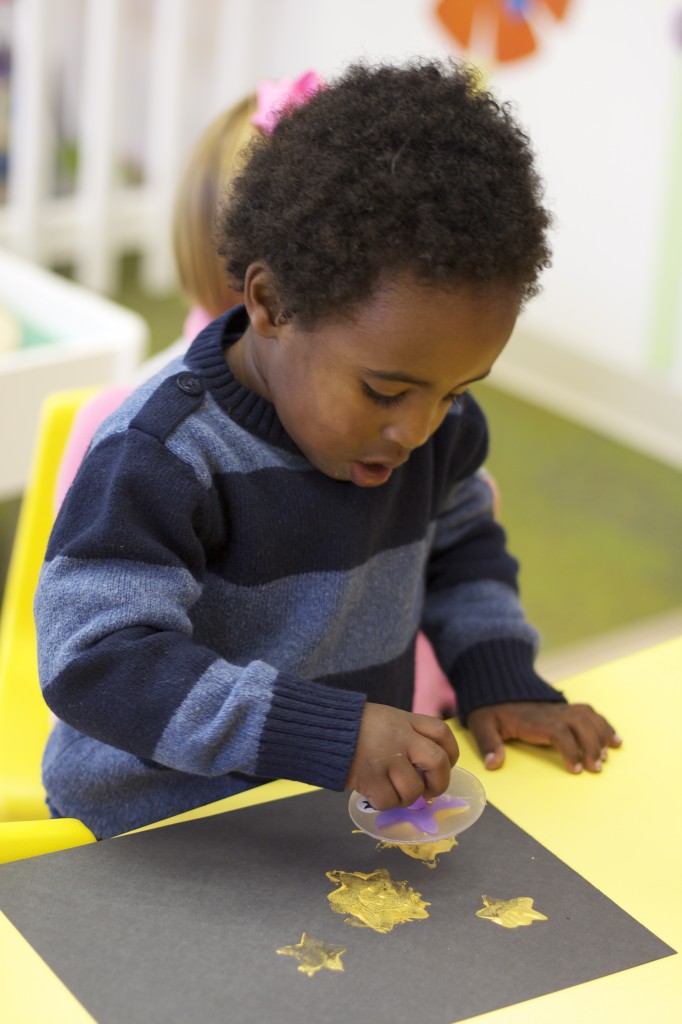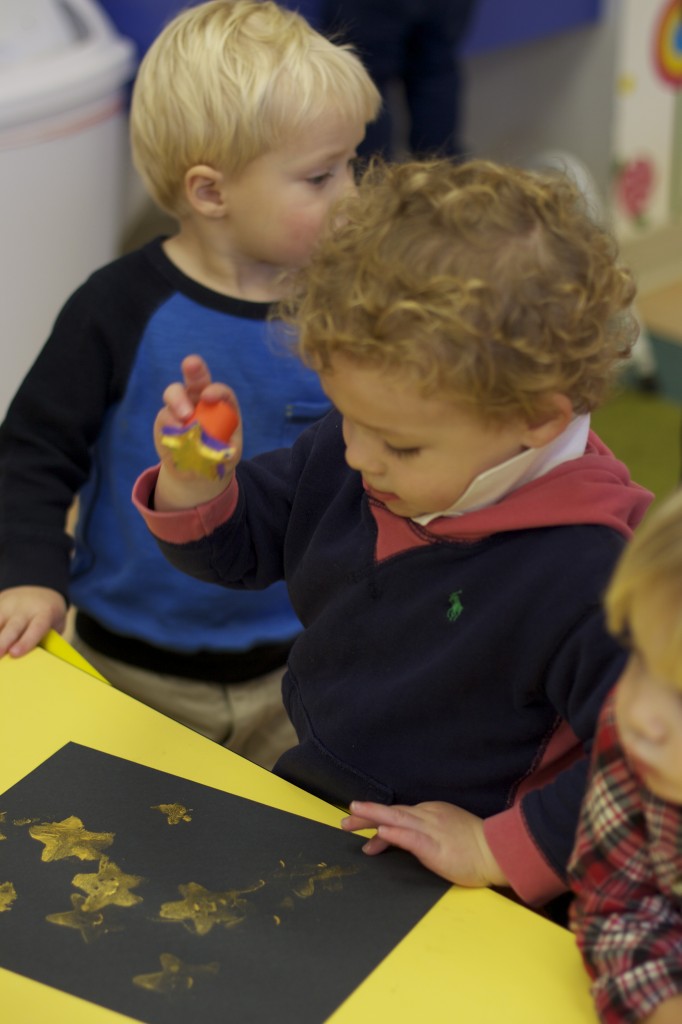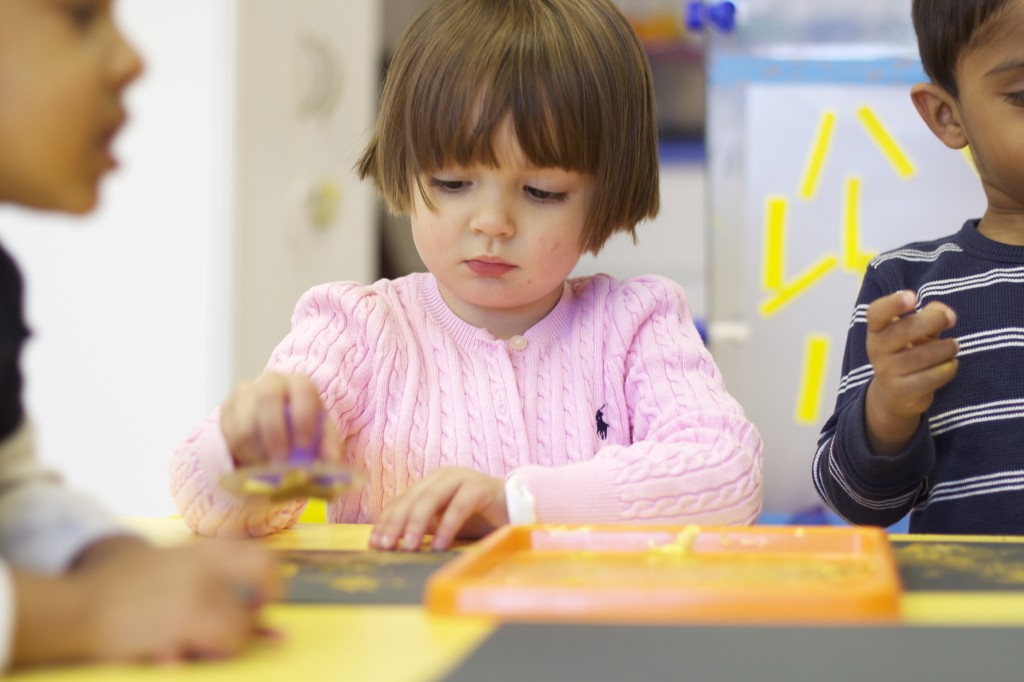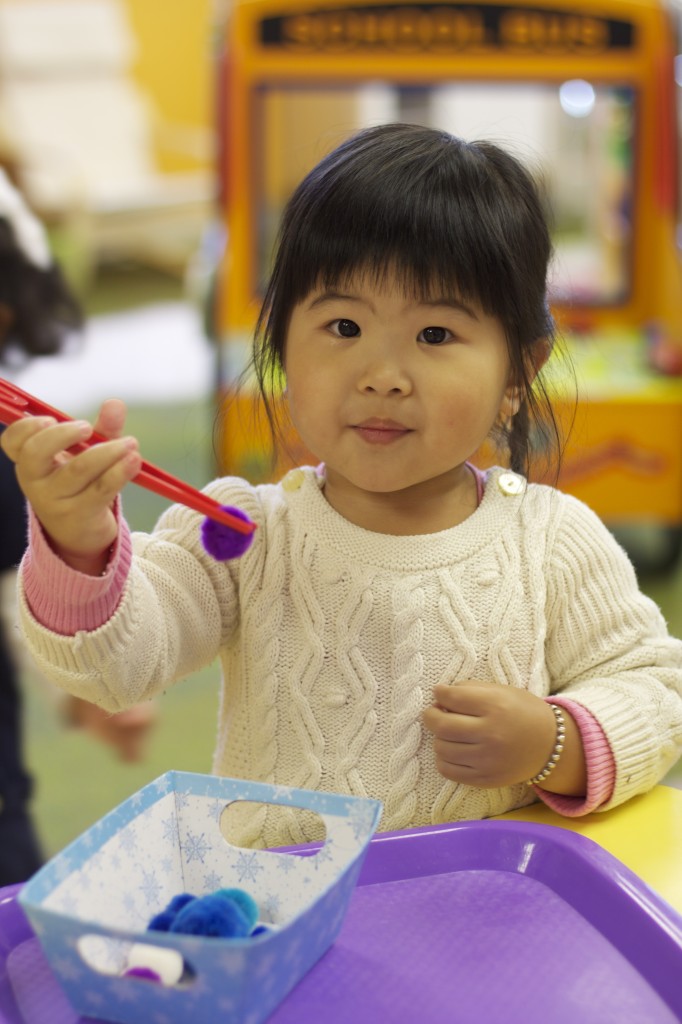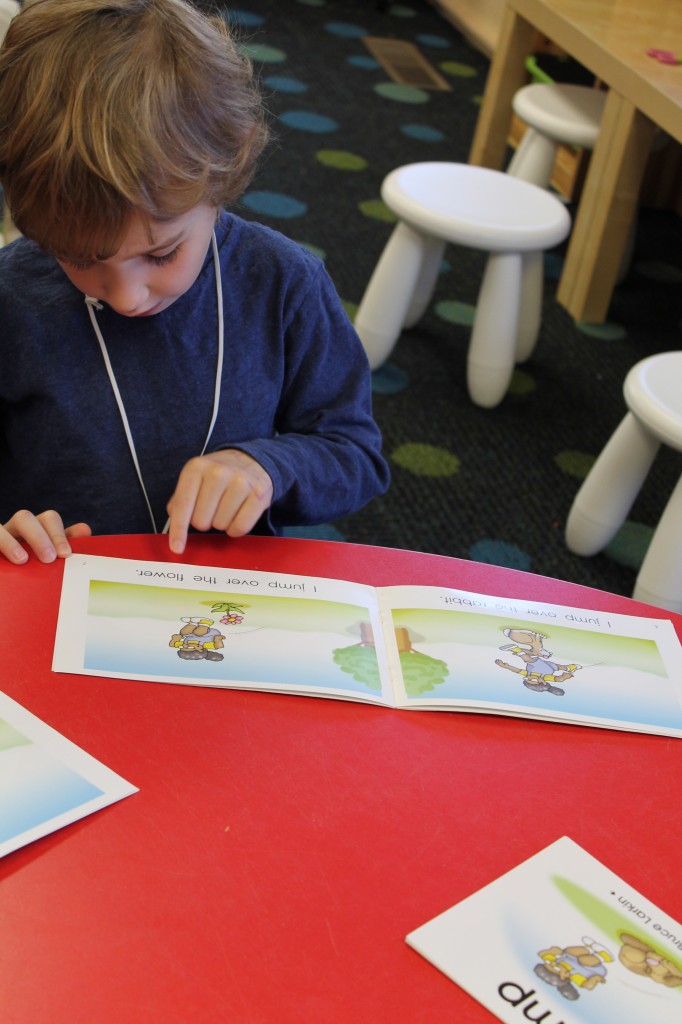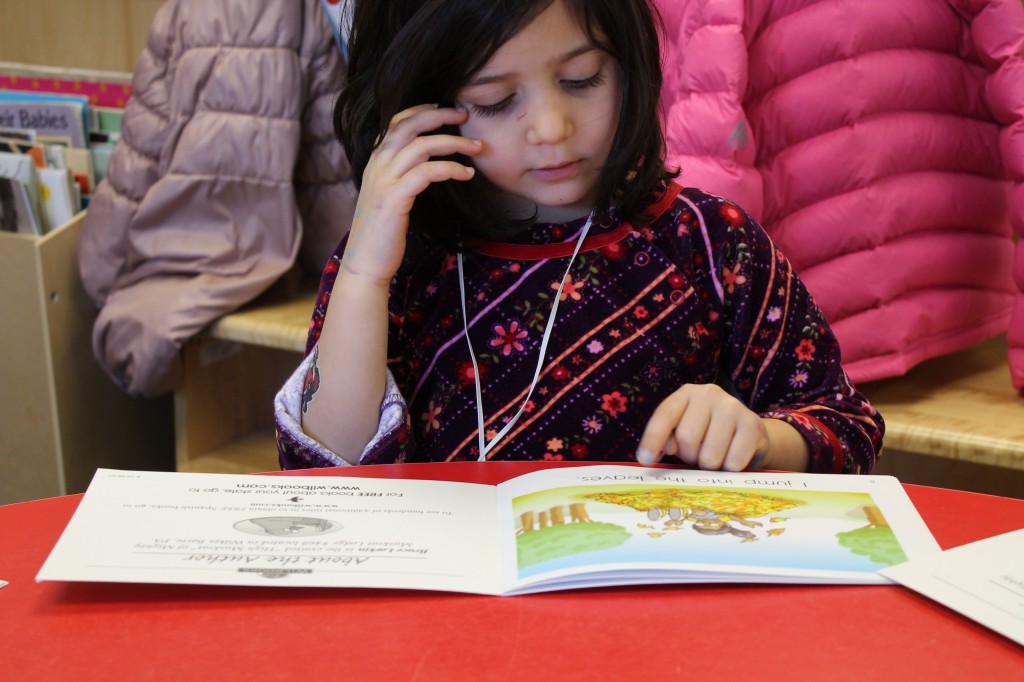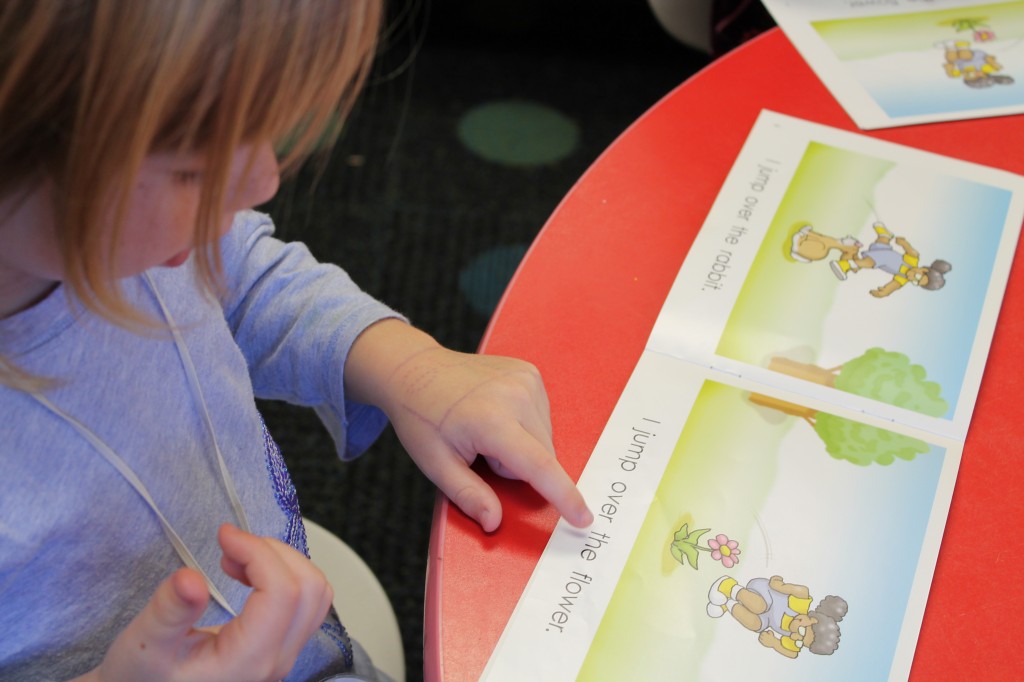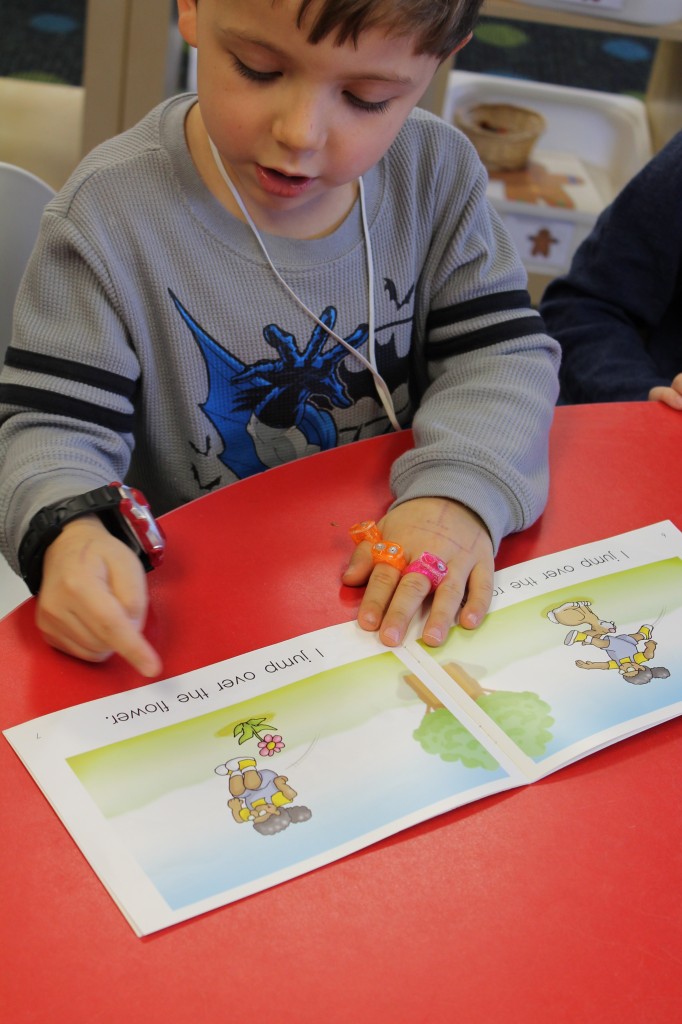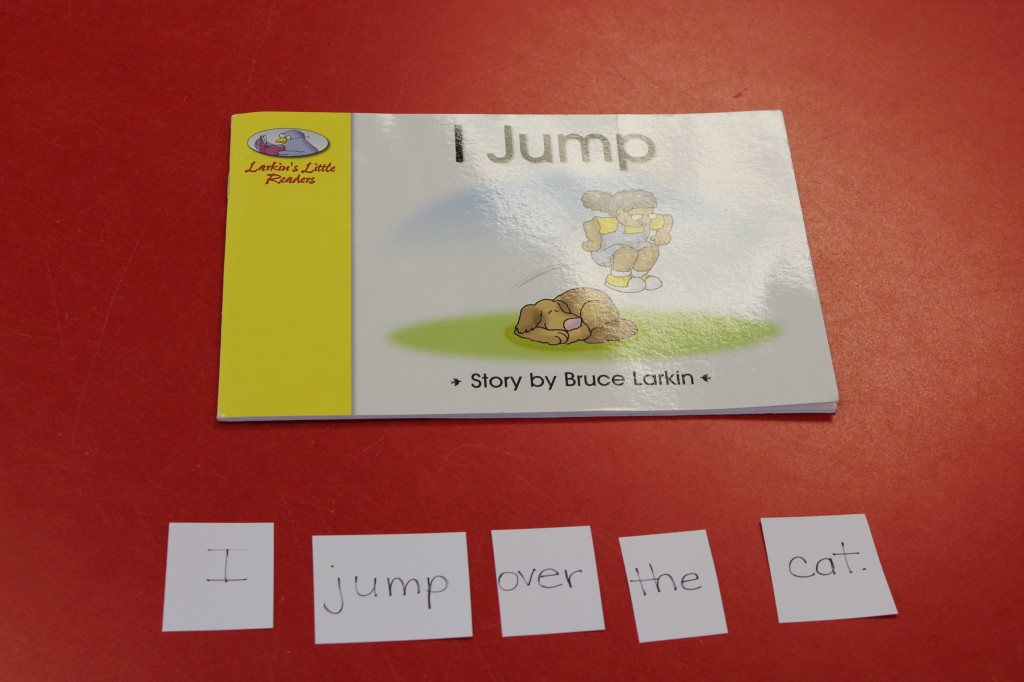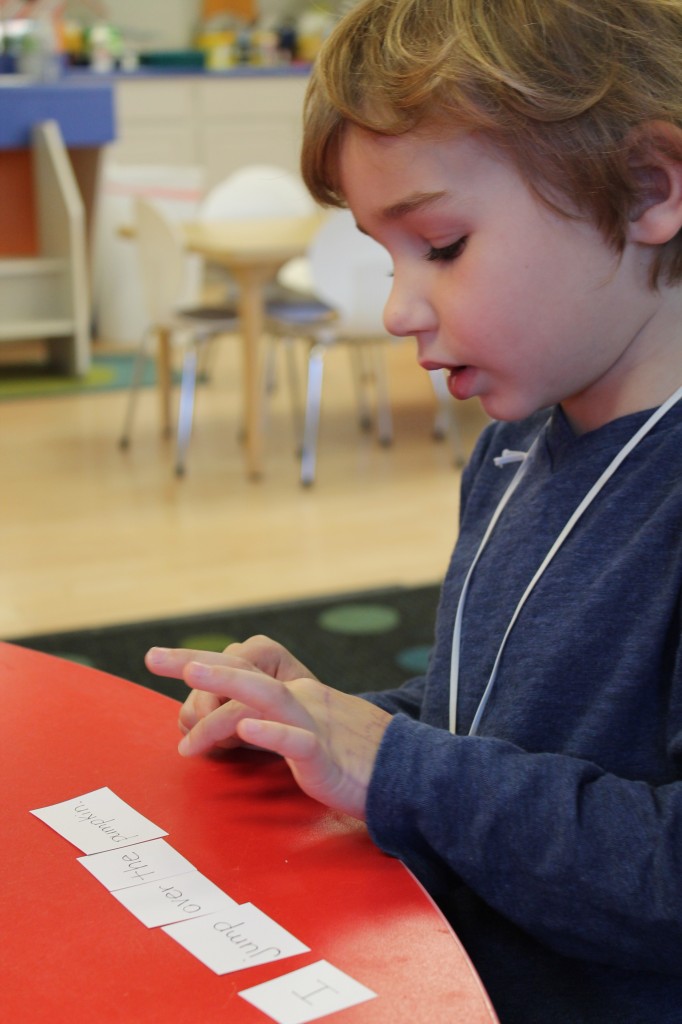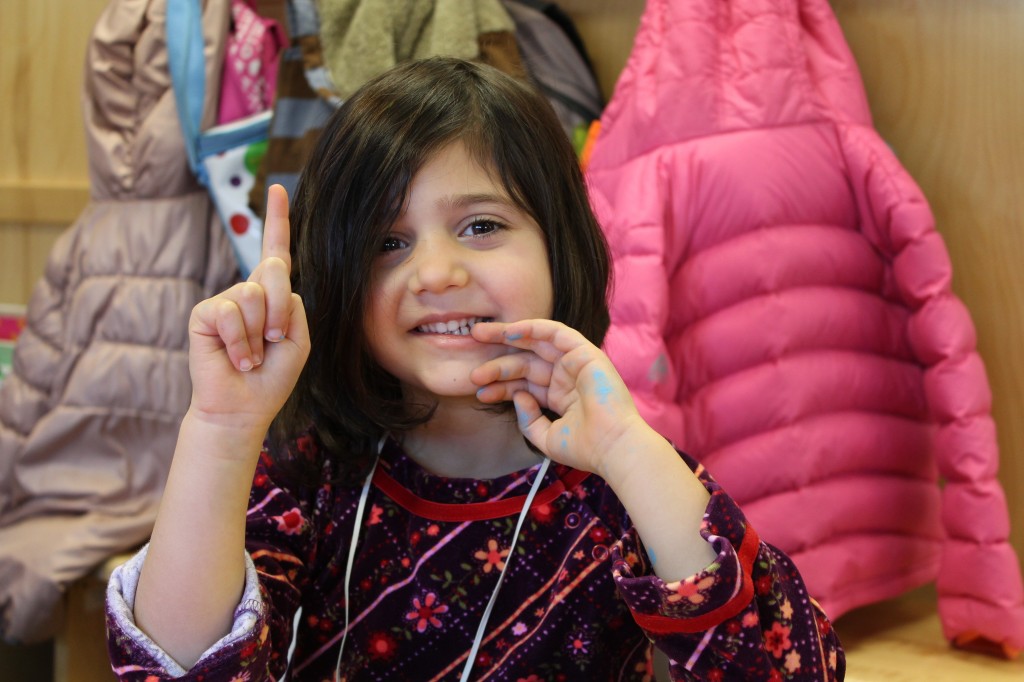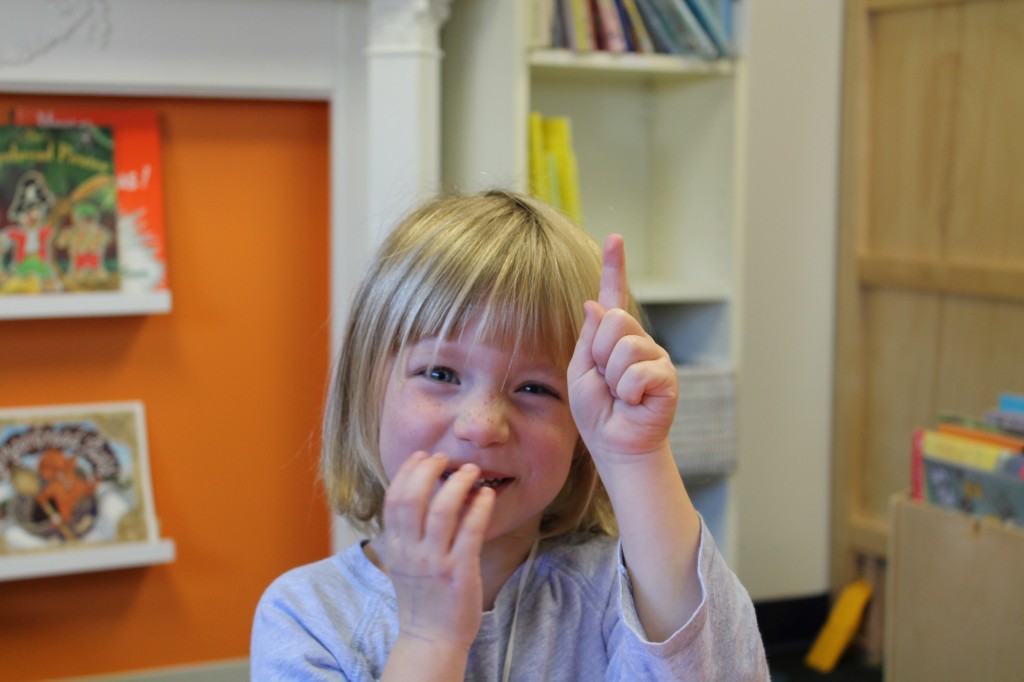
To productively participate in the classroom, all children must be able to understand and interpret spoken words. Auditory processing skills develop with time and practice. We incorporated our sight words of the week along with our friends names into our practice, today.
At the beginning of kindergarten, children are expected to consistently and accurately understand verbal directions. This includes following multi-step directions with ease, whether from familiar or unfamiliar people. For example, a child may be asked to color a worksheet, place it in a specific tray when it is completed, then line up to go outside. A teacher will give all three directions at the same time and expect a child to remember and execute all three steps without being reminded of what comes next at each stage of the activity. Children are also expected to respond appropriately to verbal questions such as, “What is your favorite flavor of ice cream?” Although this is a basic question, it is not uncommon for a child with poor auditory processing skills to respond with the answer, “In a cup” or “I eat ice cream all the time.” A child with weak auditory processing skills likely heard the words “ice cream” and maybe the word “favorite” but was unable to process the sentence correctly.
Kindergarten children will be taught reading skills, number concepts, and science and social studies concepts through verbal explanation and visual demonstration. Children are expected to understand and process the information presented in these lessons.
Children are expected to interact comfortably and independently with peers in play and work situations with little or no adult assistance. This requires listening to a peer’s directions and responding appropriately. An adult may be needed to begin the group work by suggesting a game or preparing the materials required for an activity. However, once the activity has begun, children should be able to complete the activity without a teacher’s assistance by listening to the other children’s comments and responding appropriately. (Source)
If you would like to help your child develop these skills at home, click on the photo below for a website with wonderful activities you can incorporate into your homework routine. Have fun!