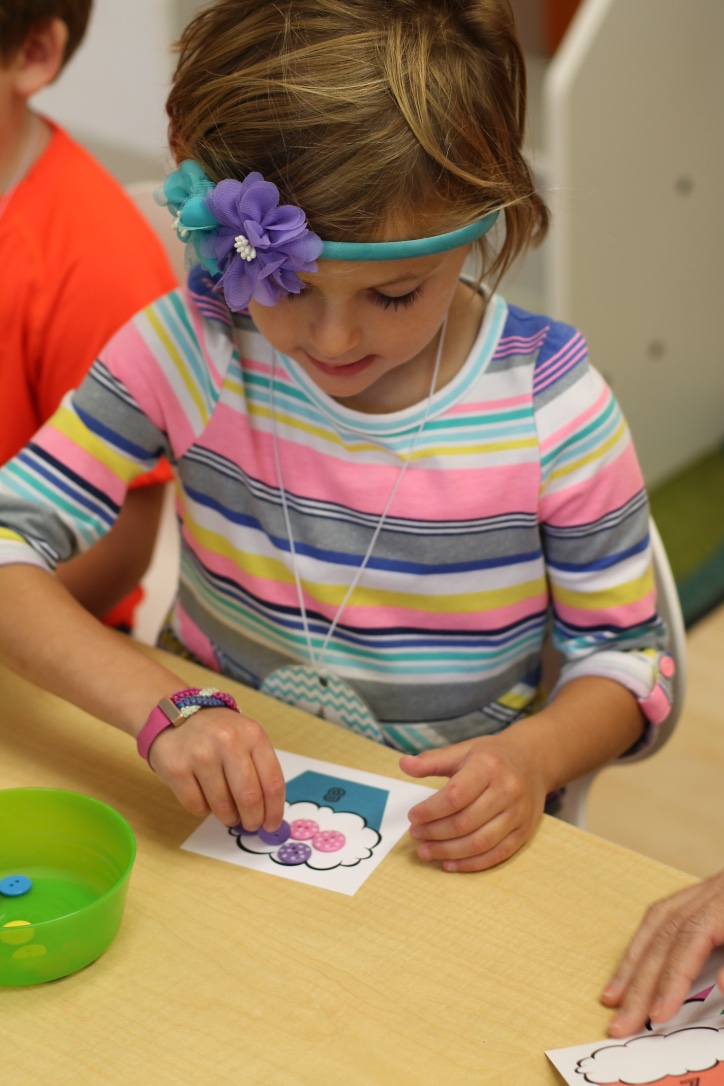
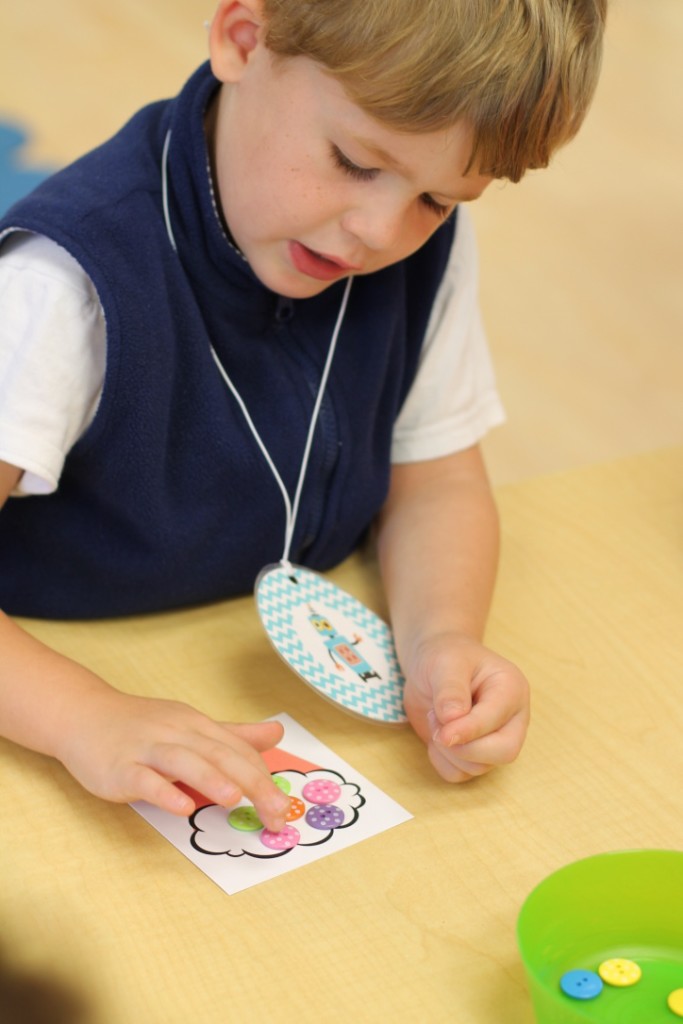
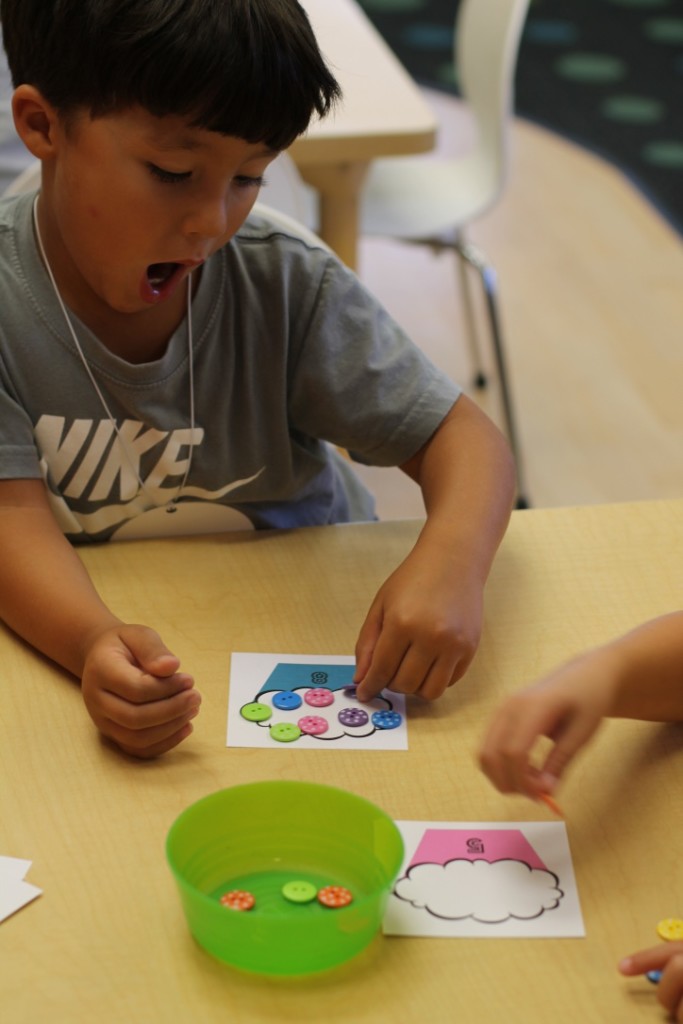
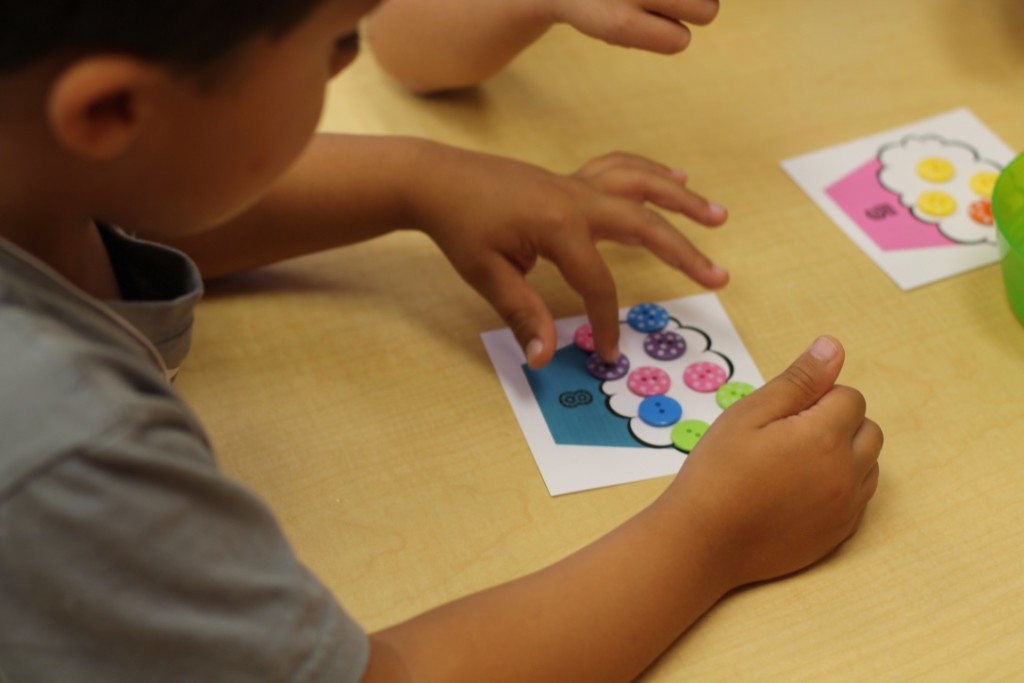
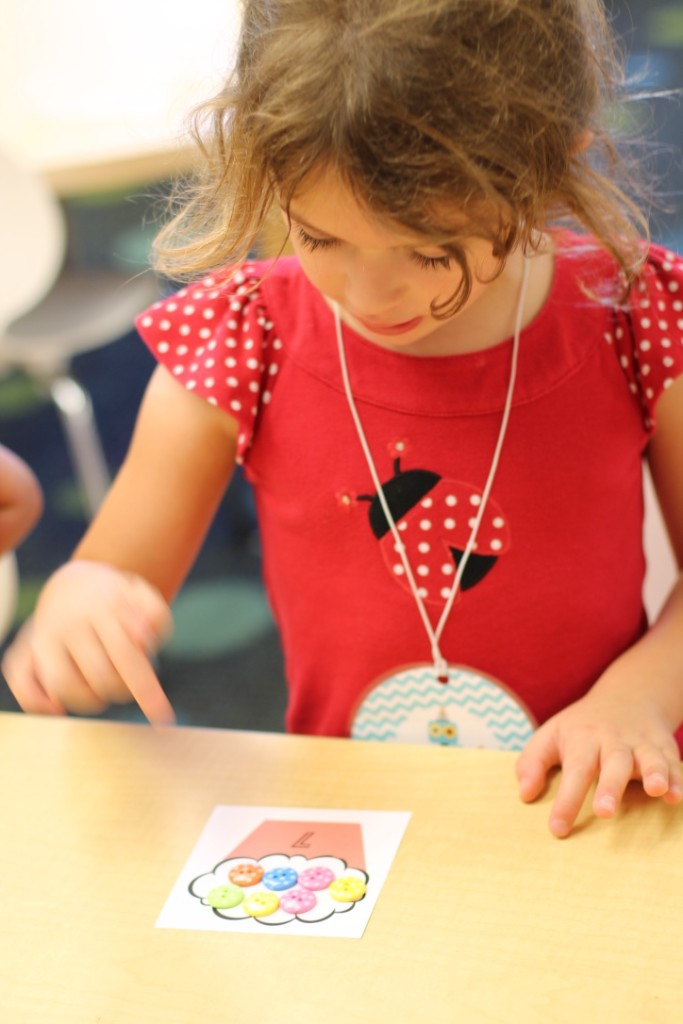
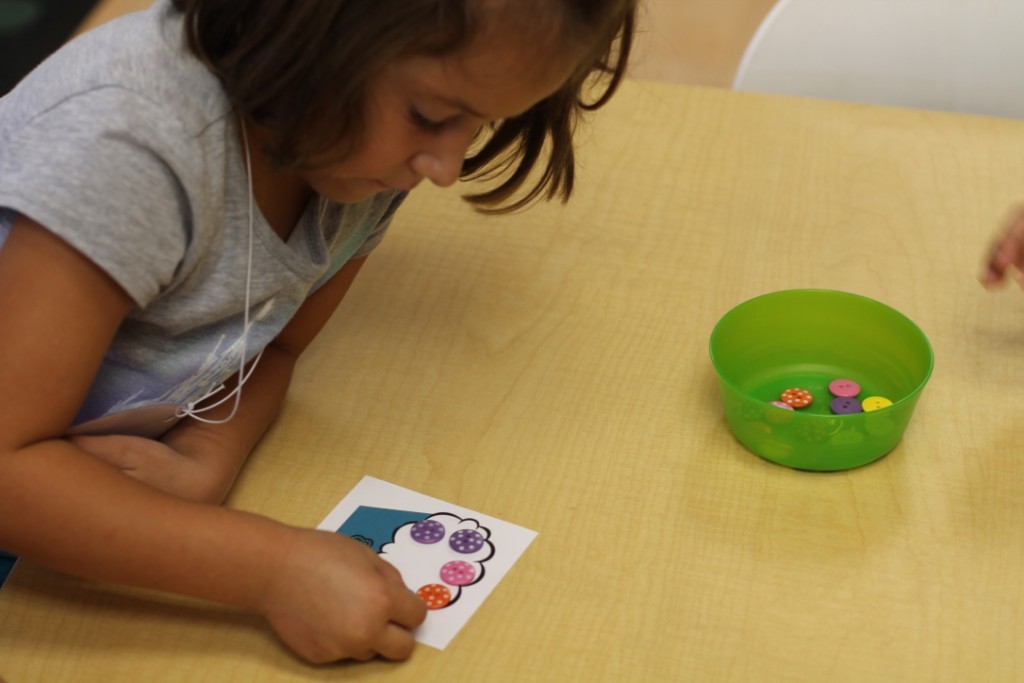
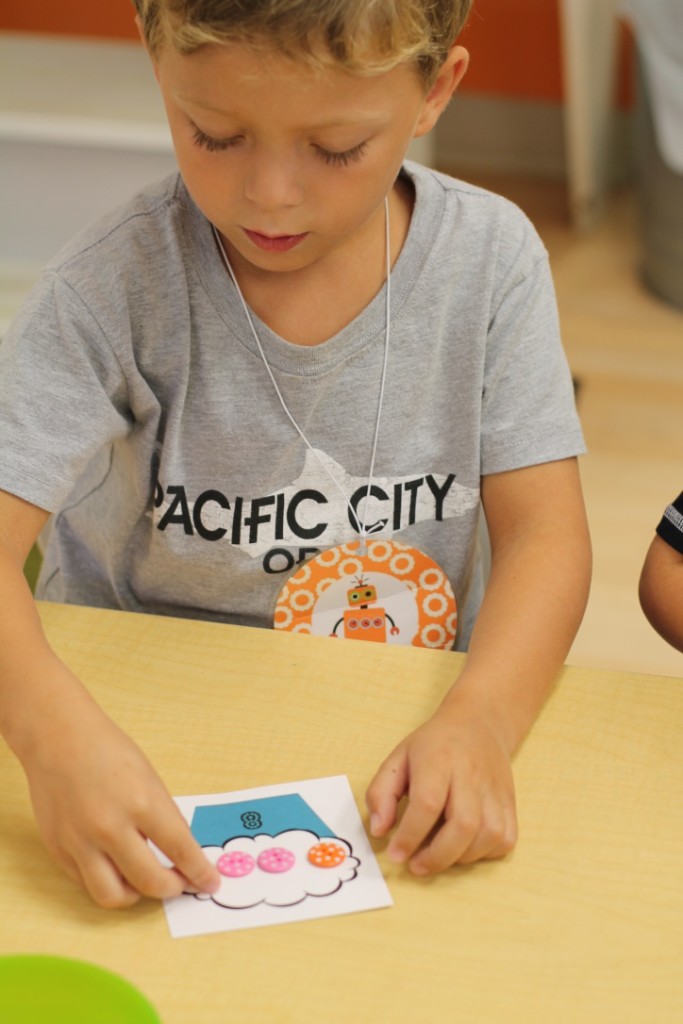
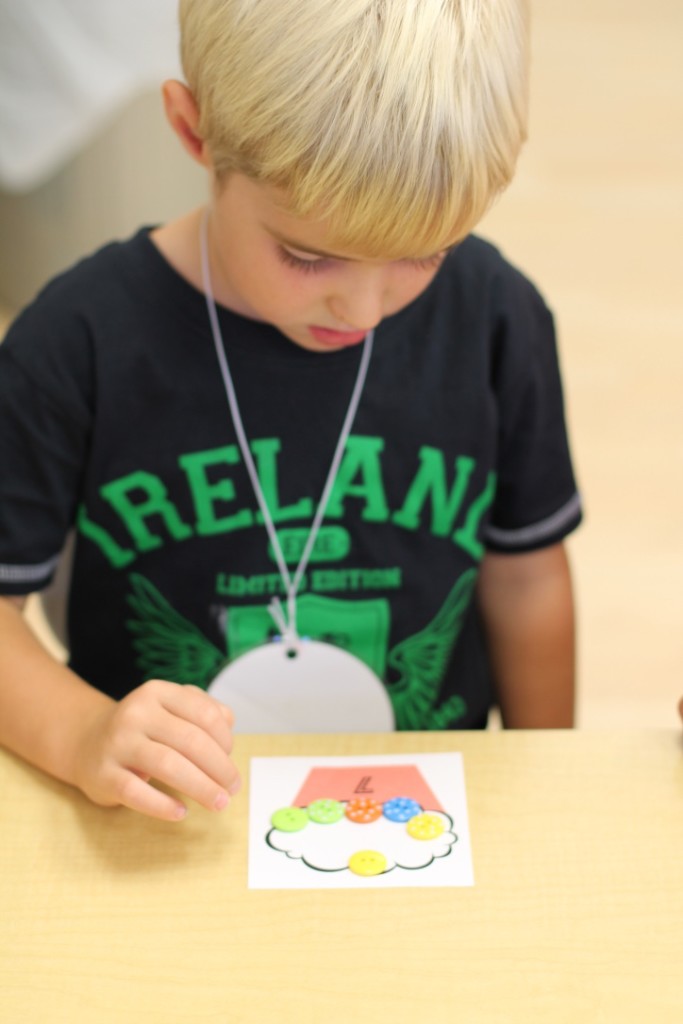
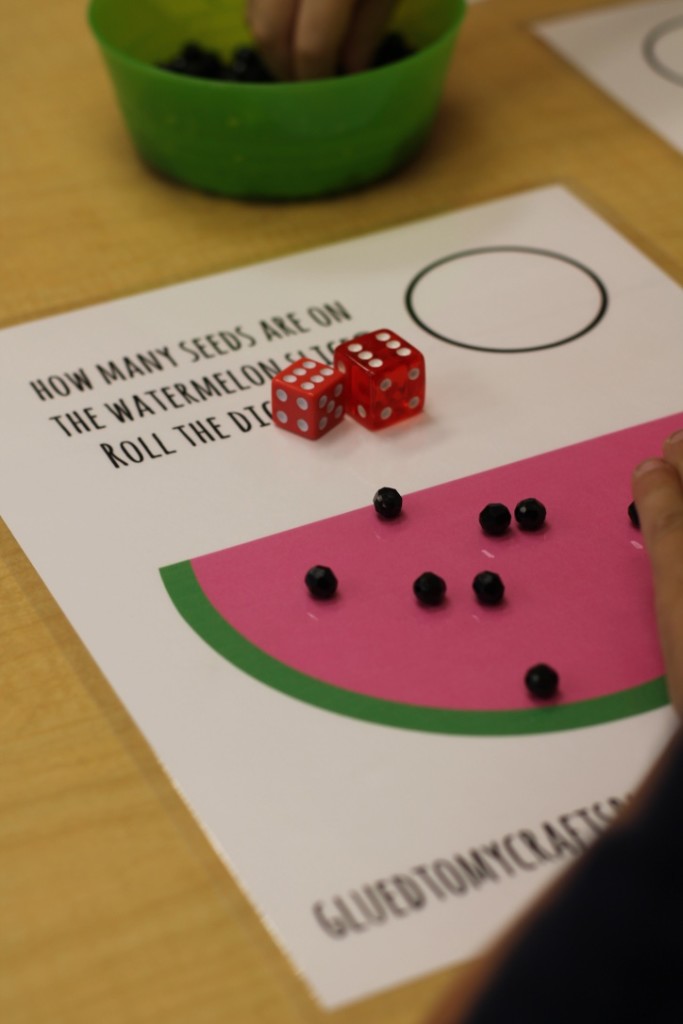
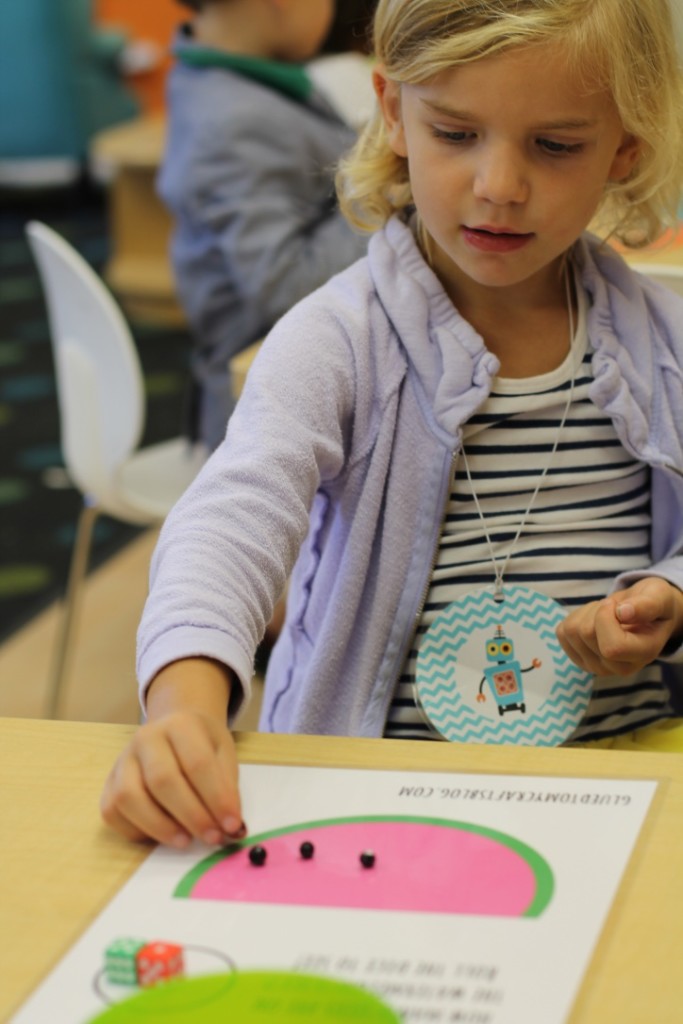
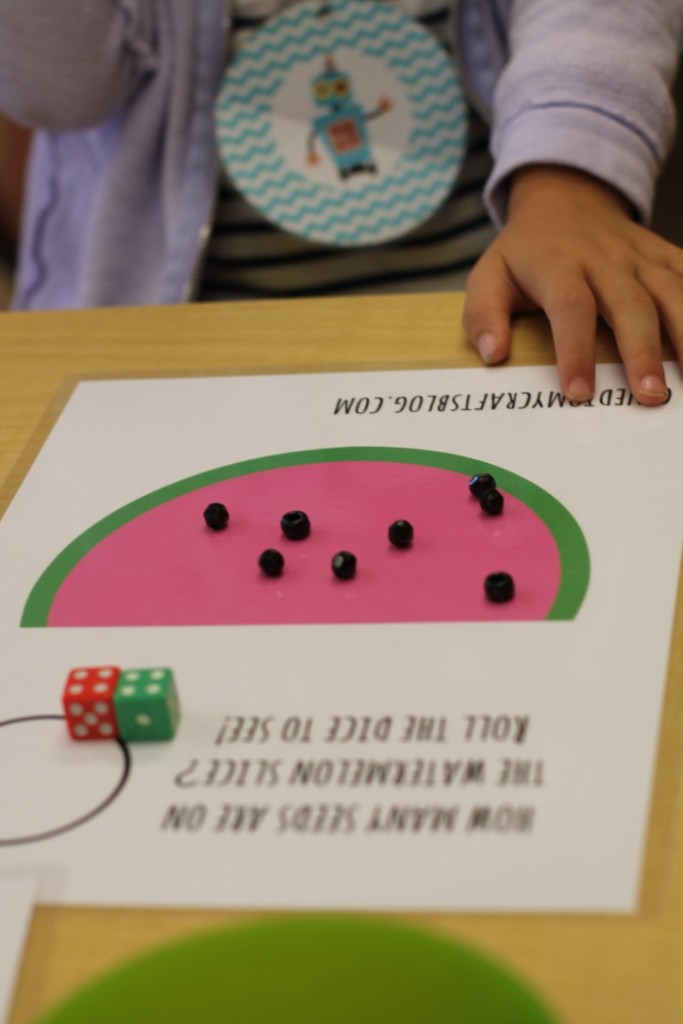
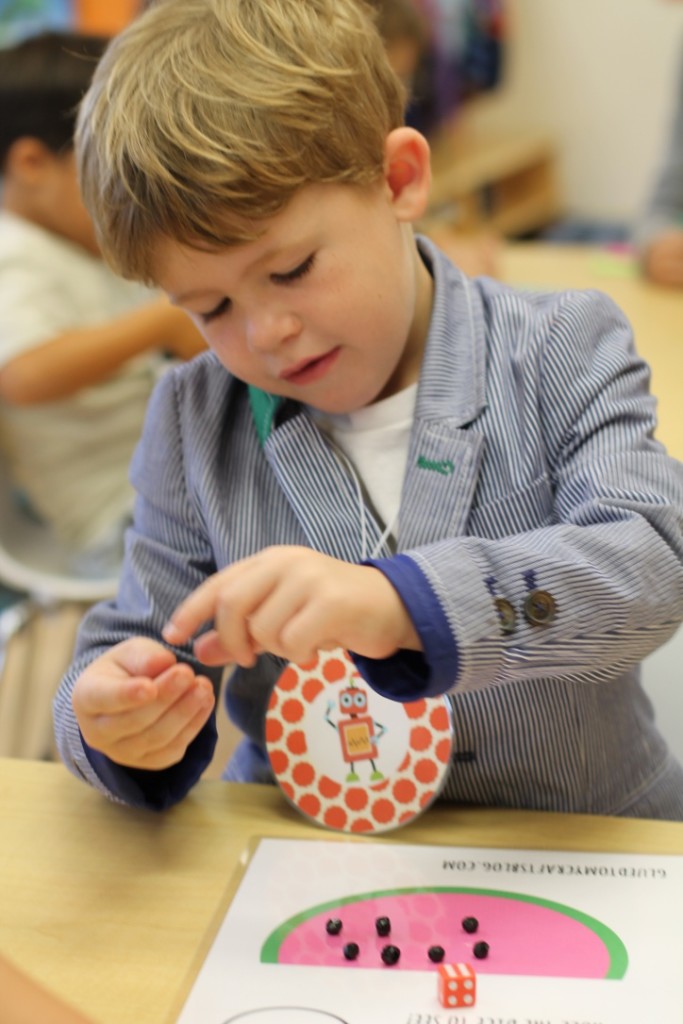
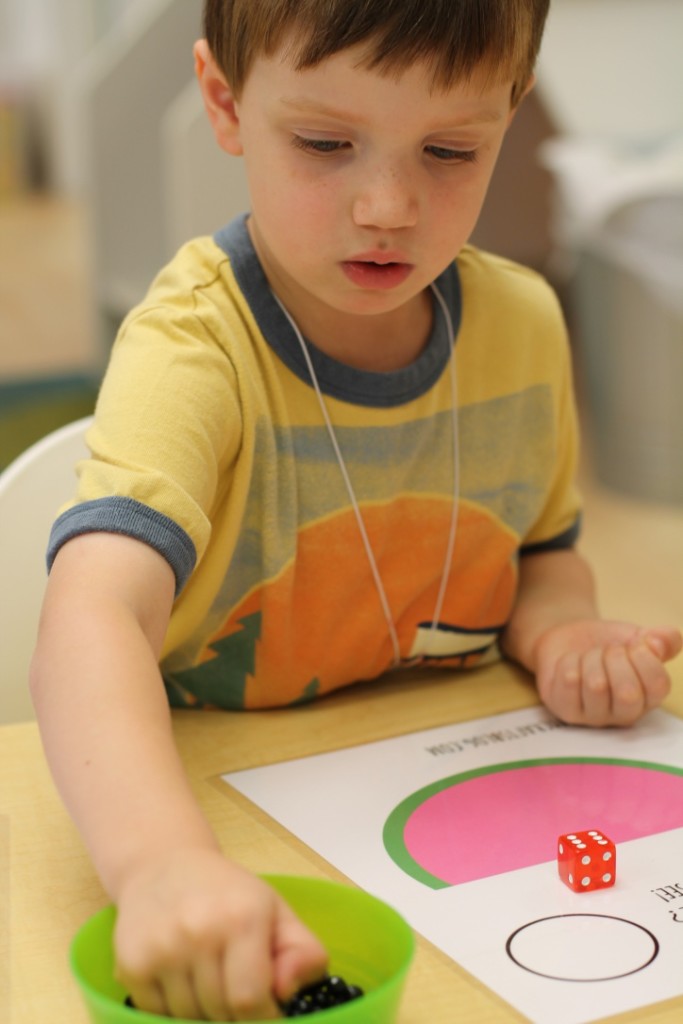
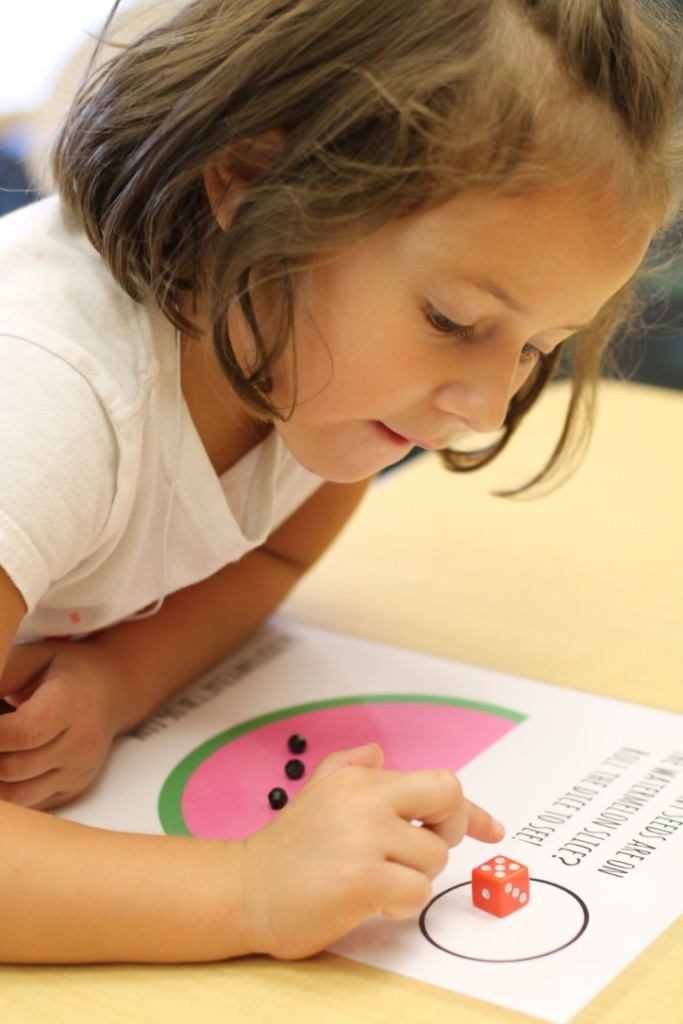
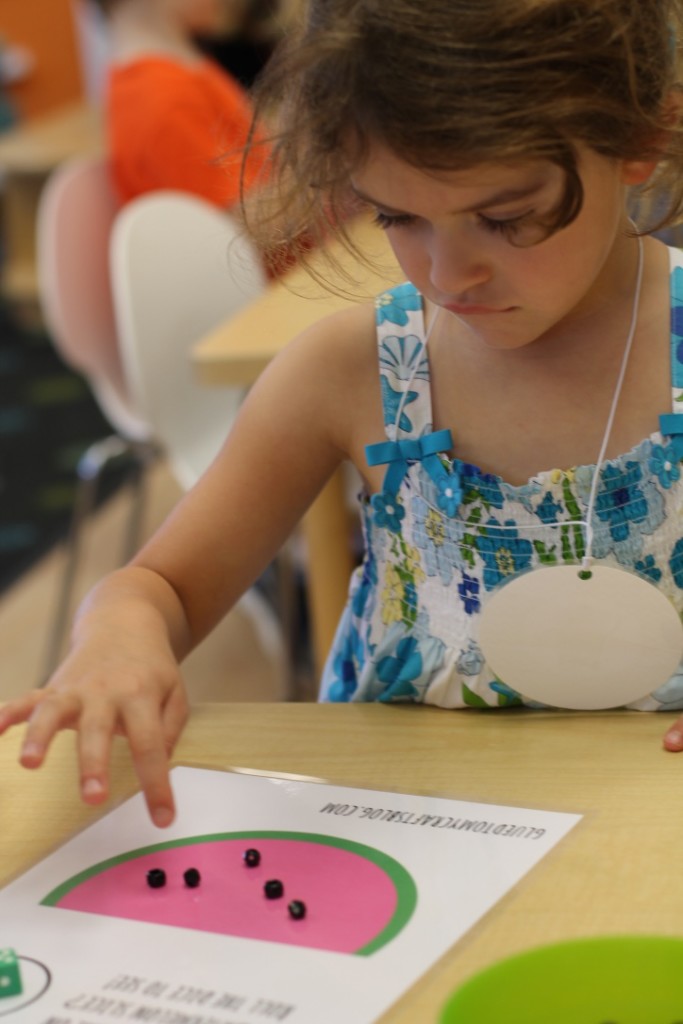
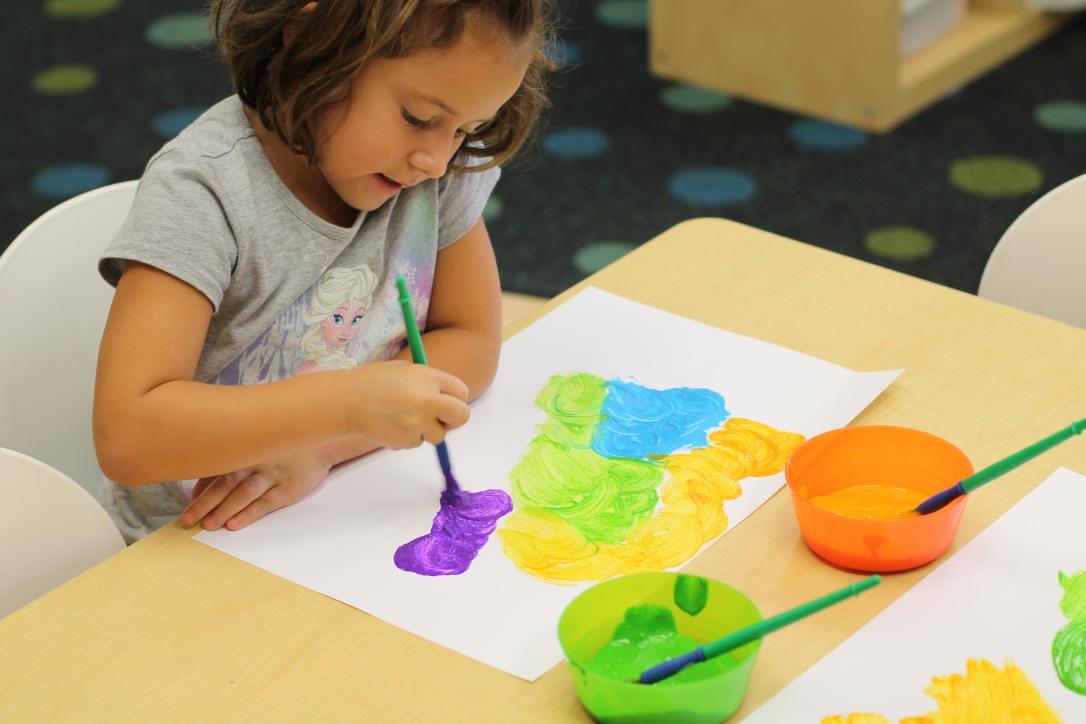
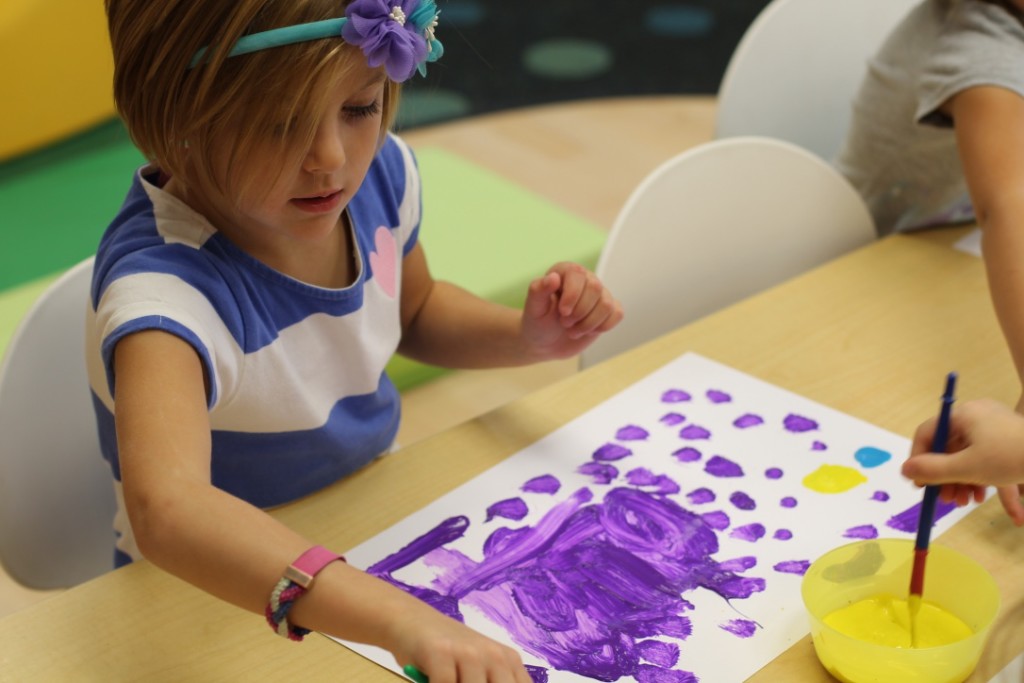
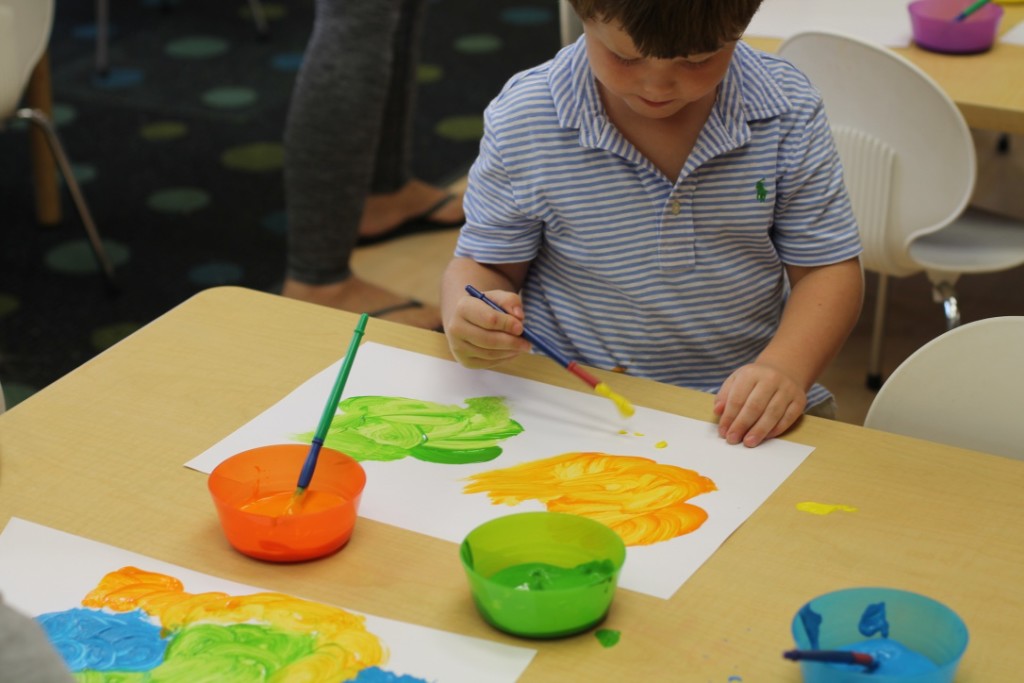
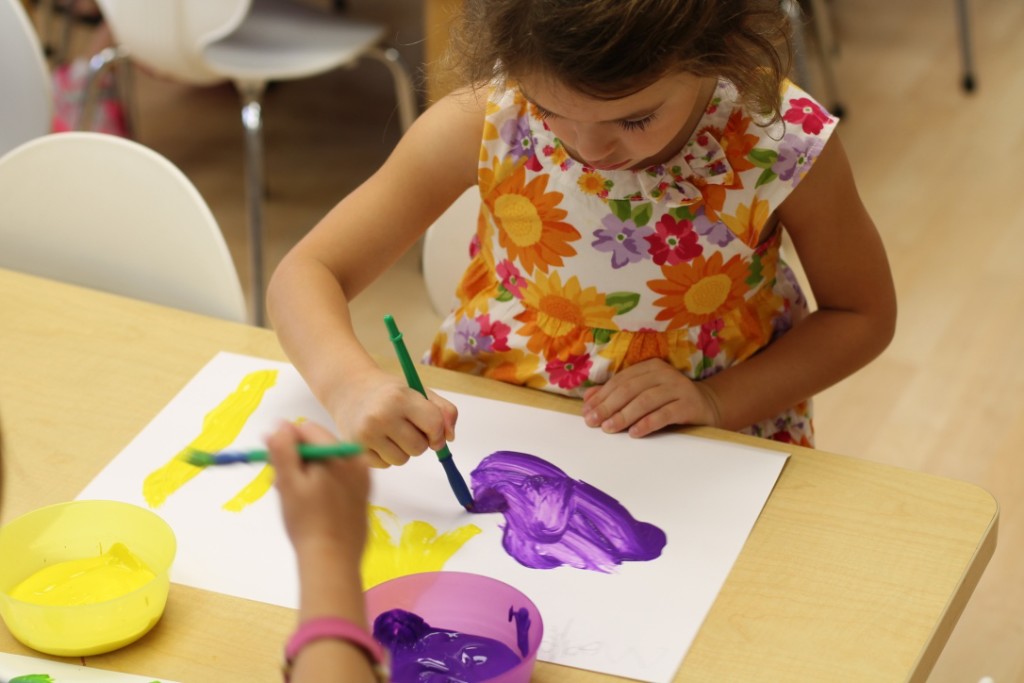
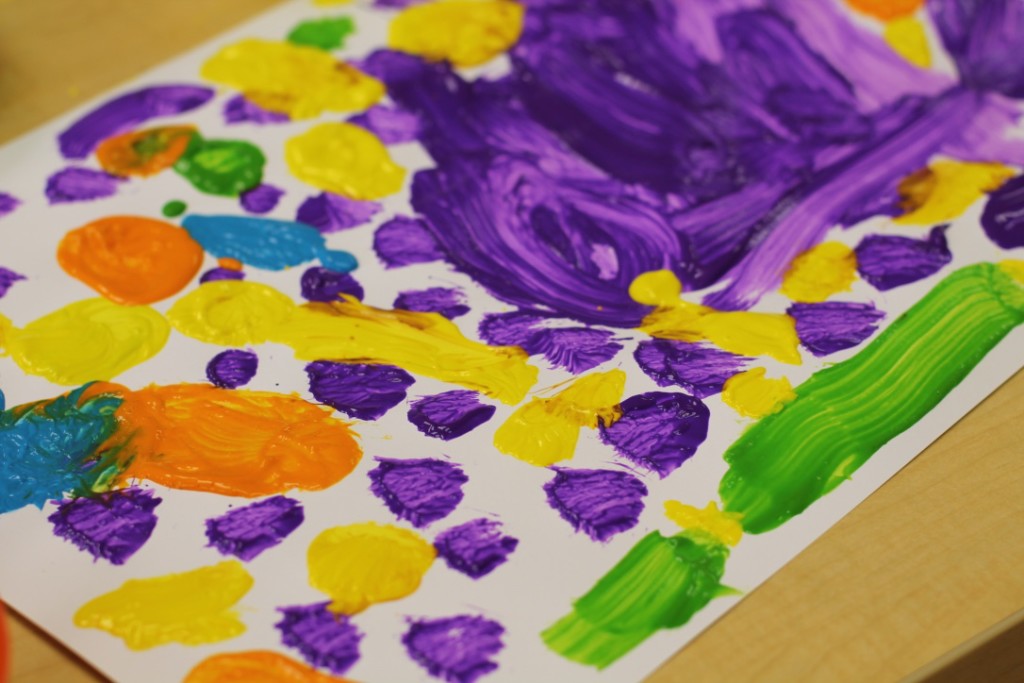
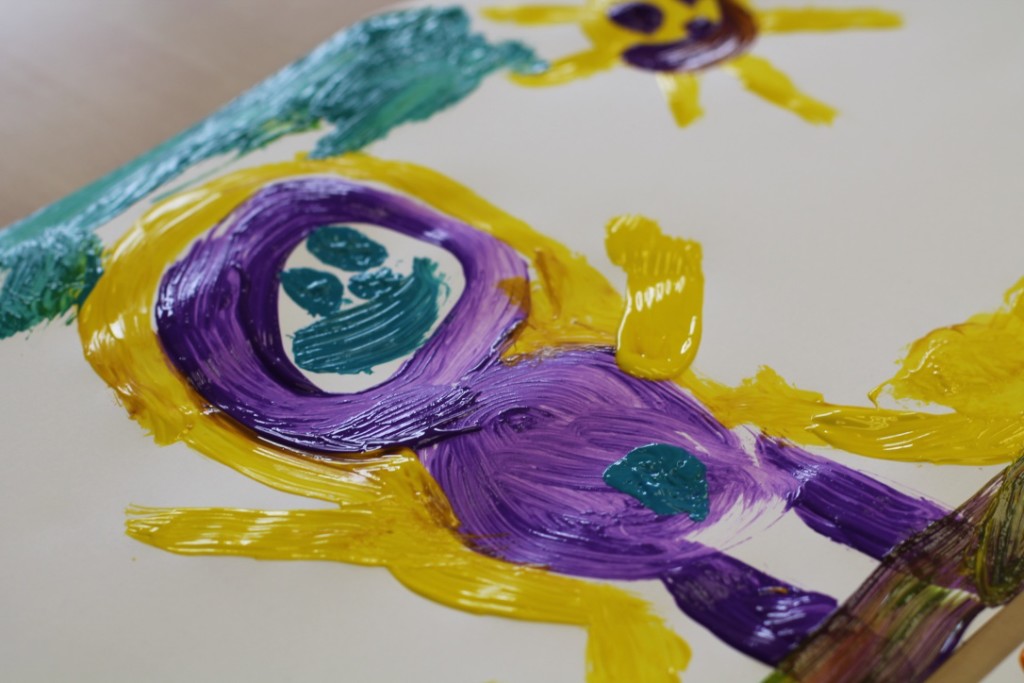
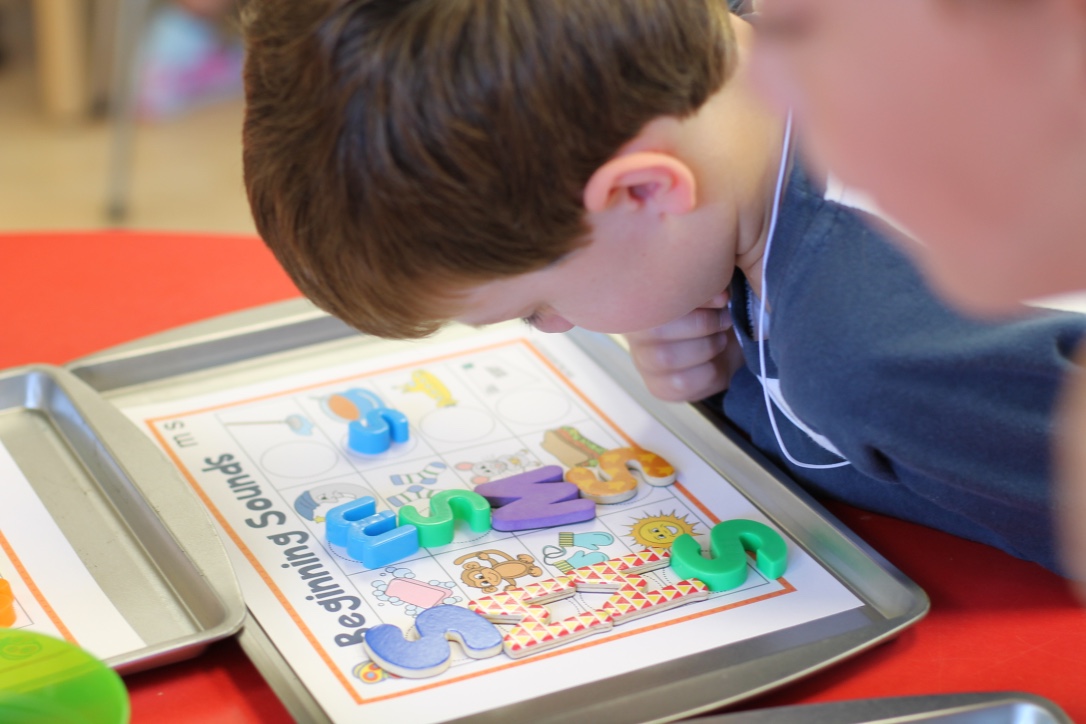
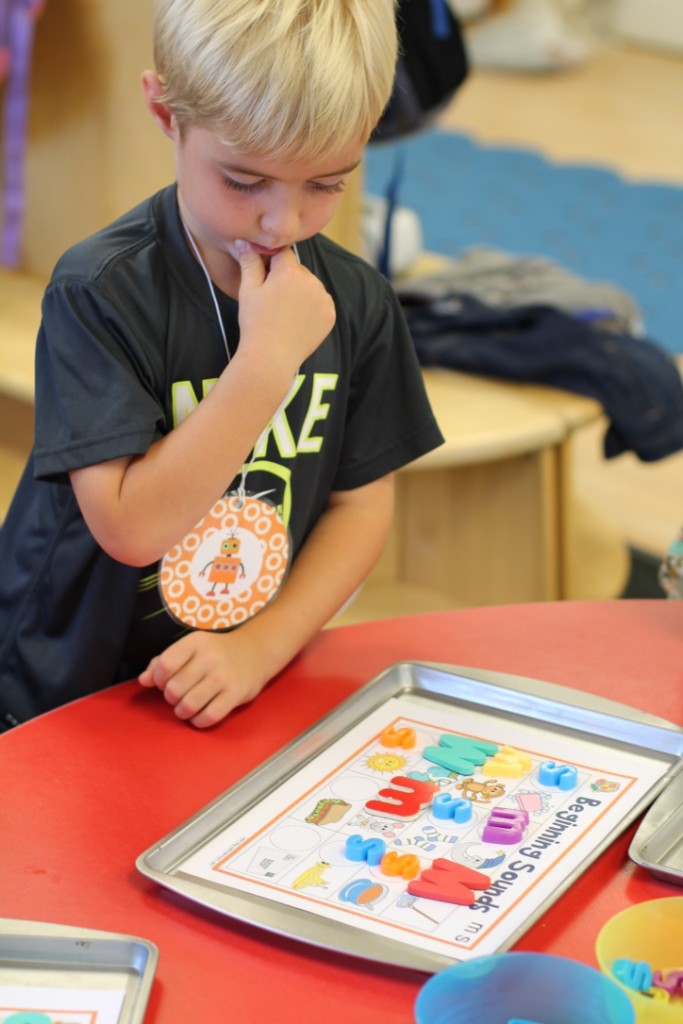
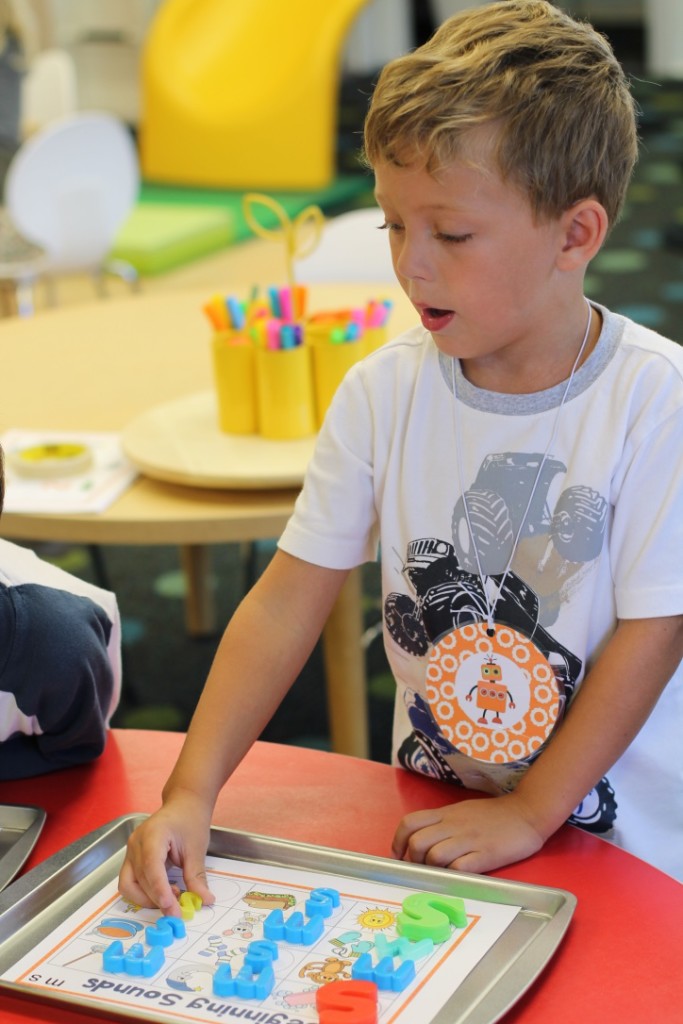
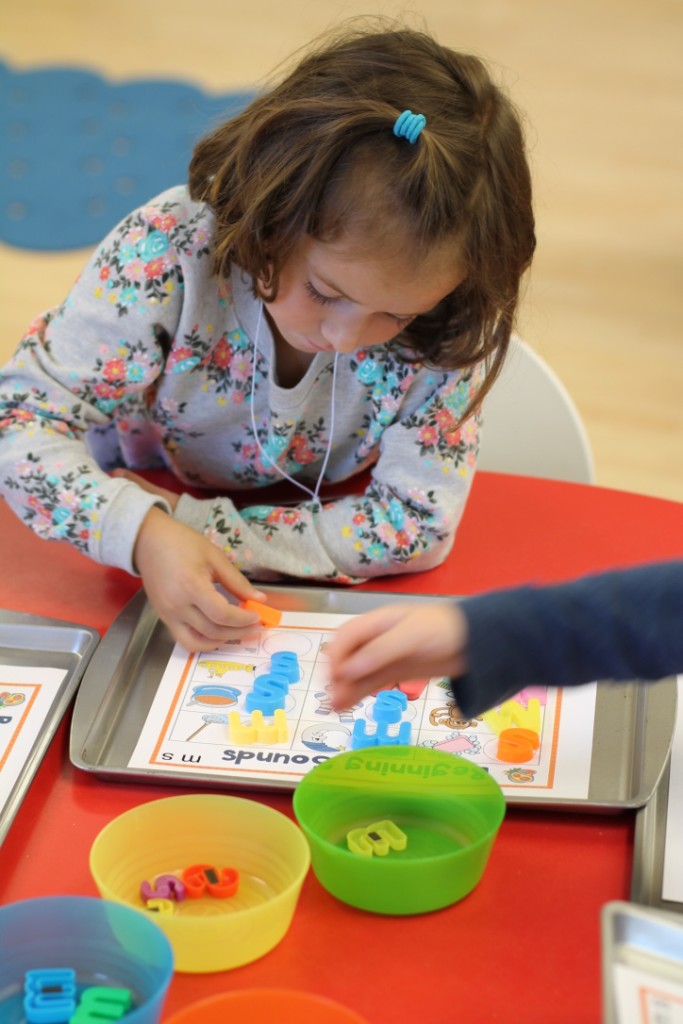
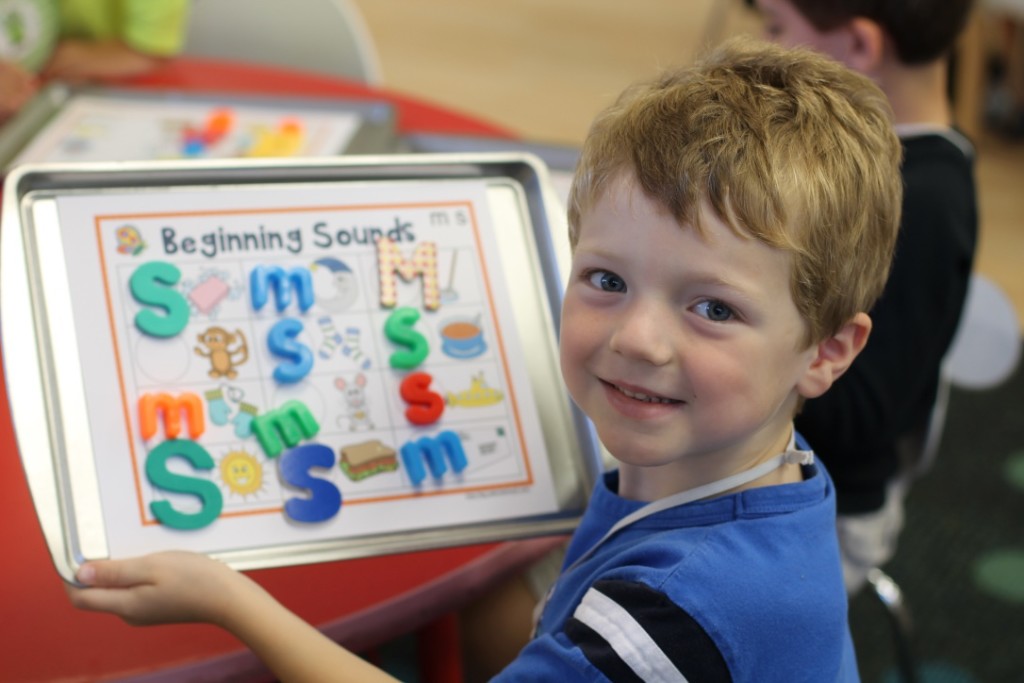
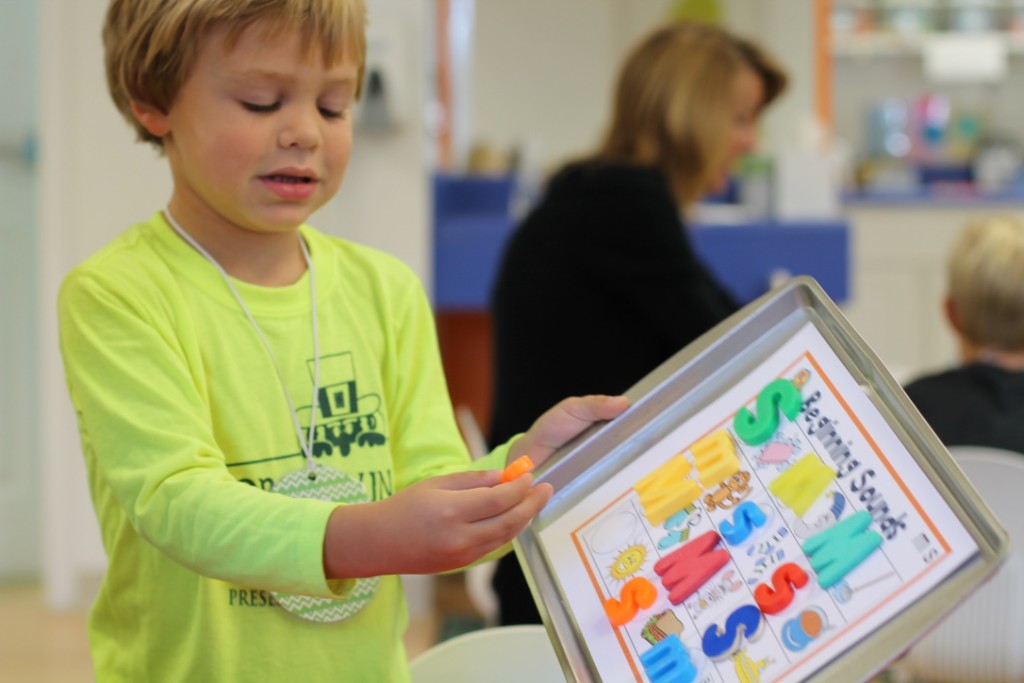
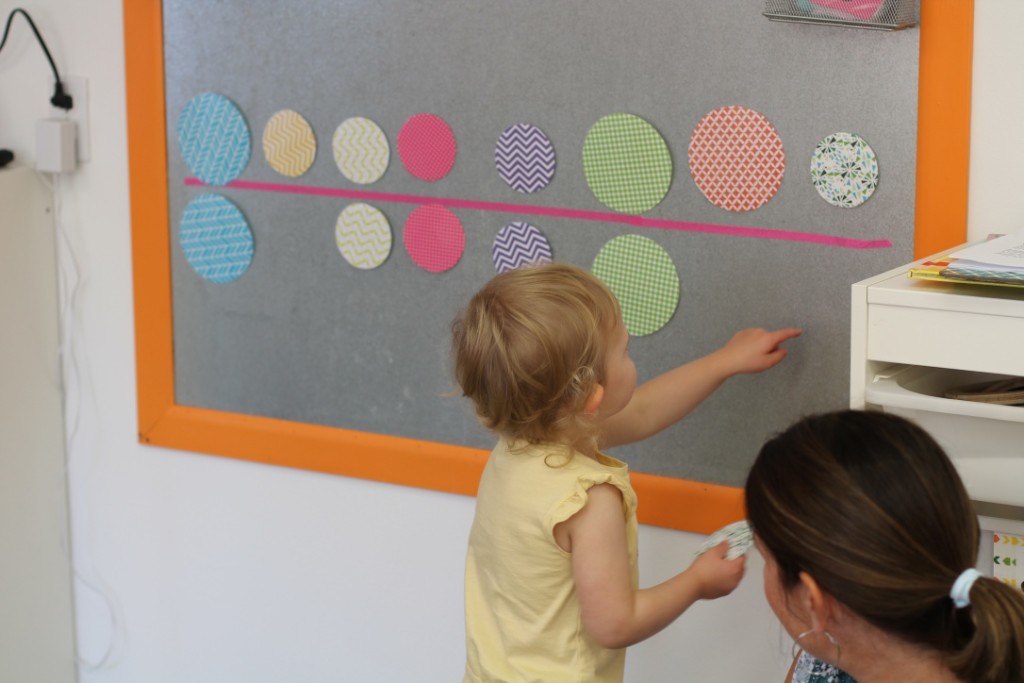
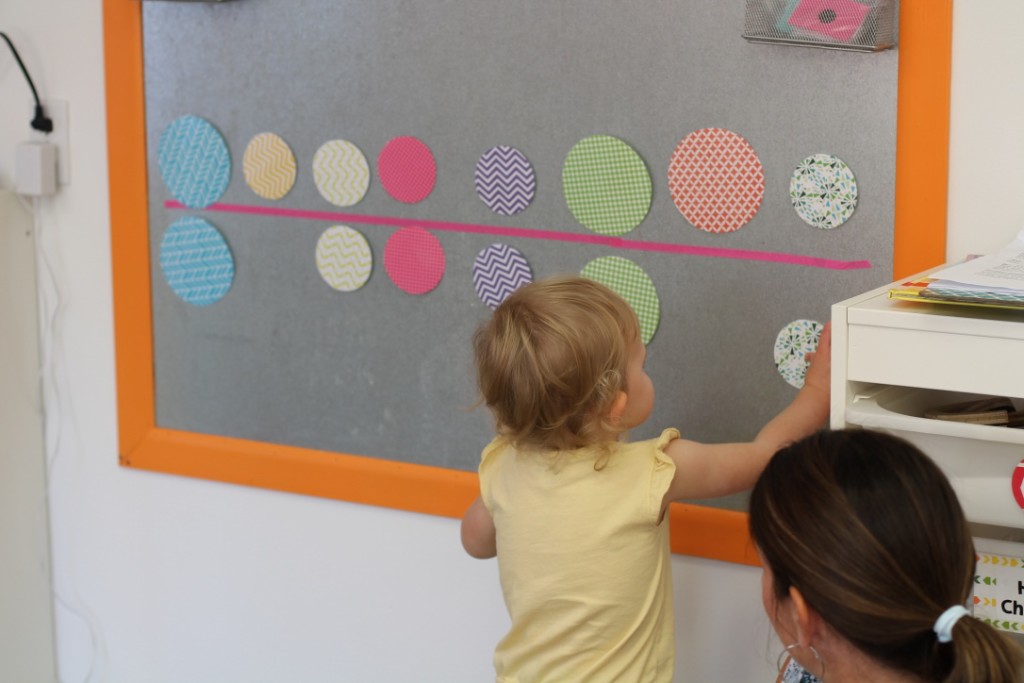
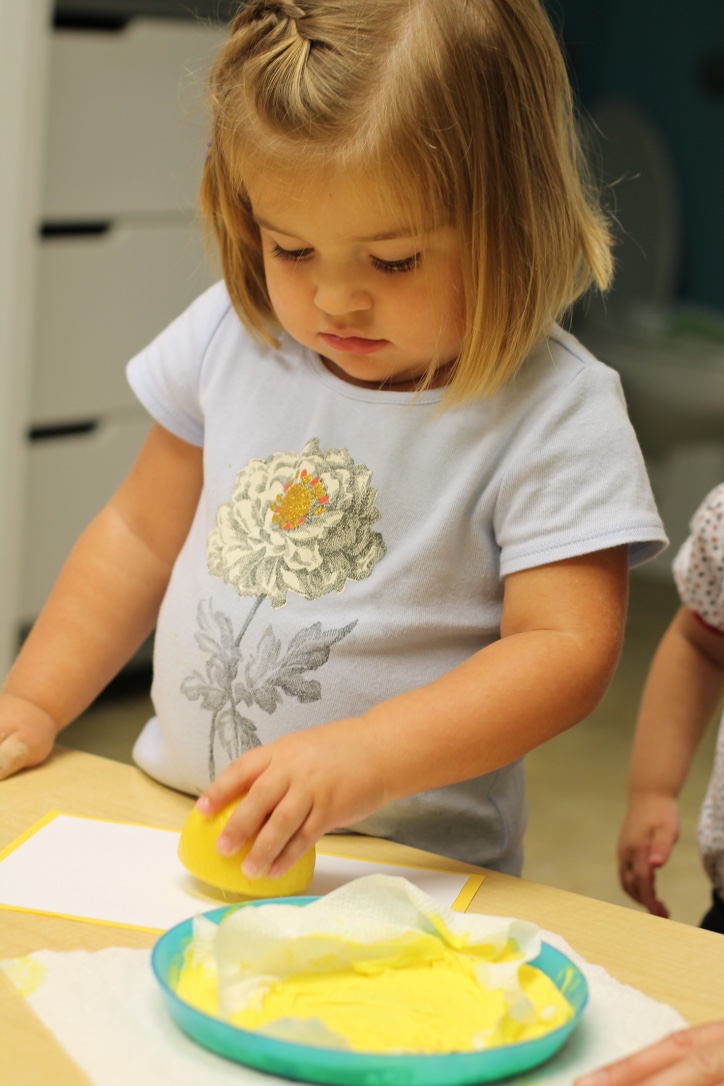
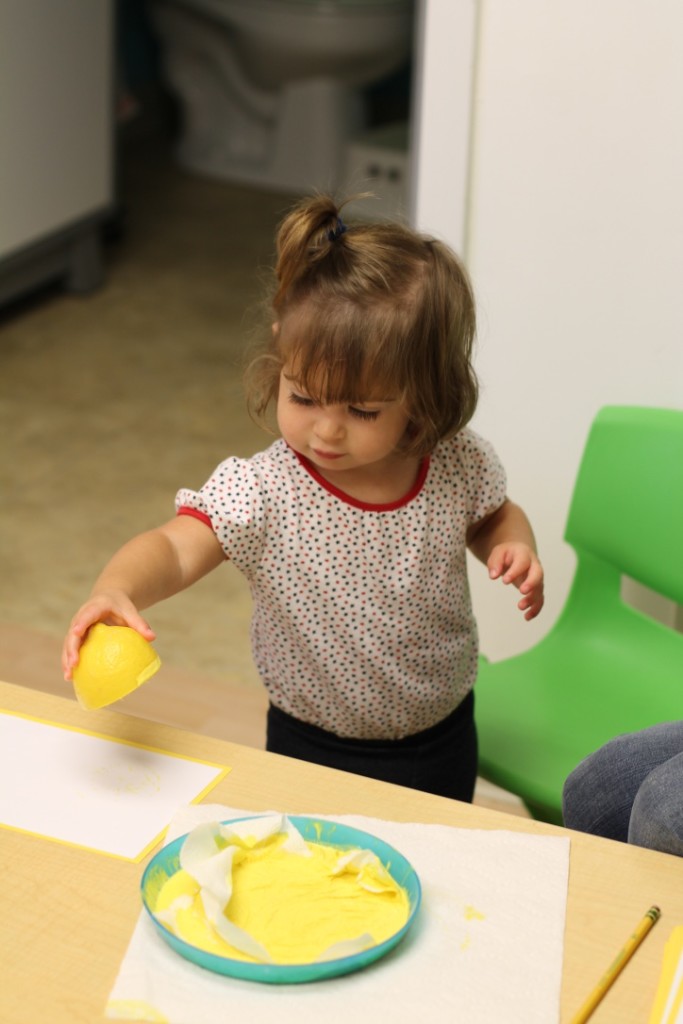
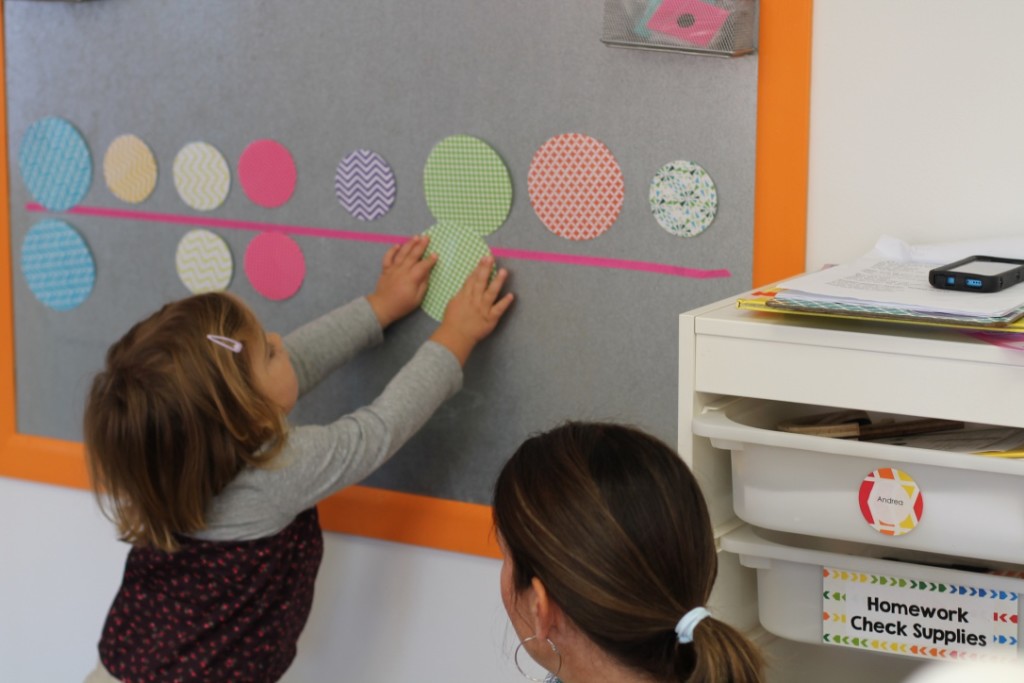
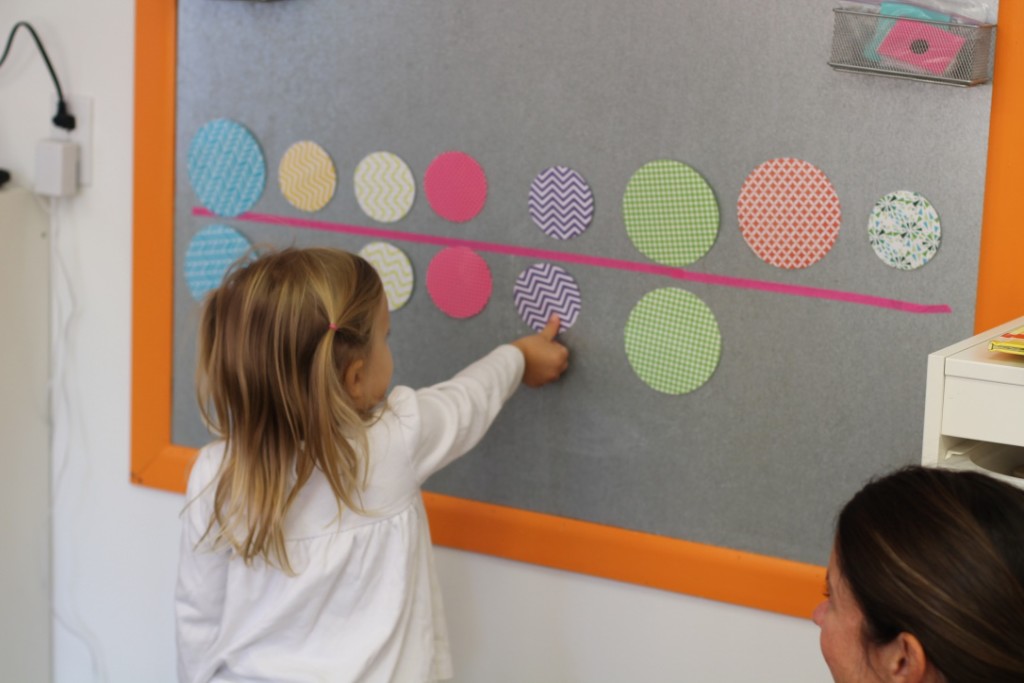
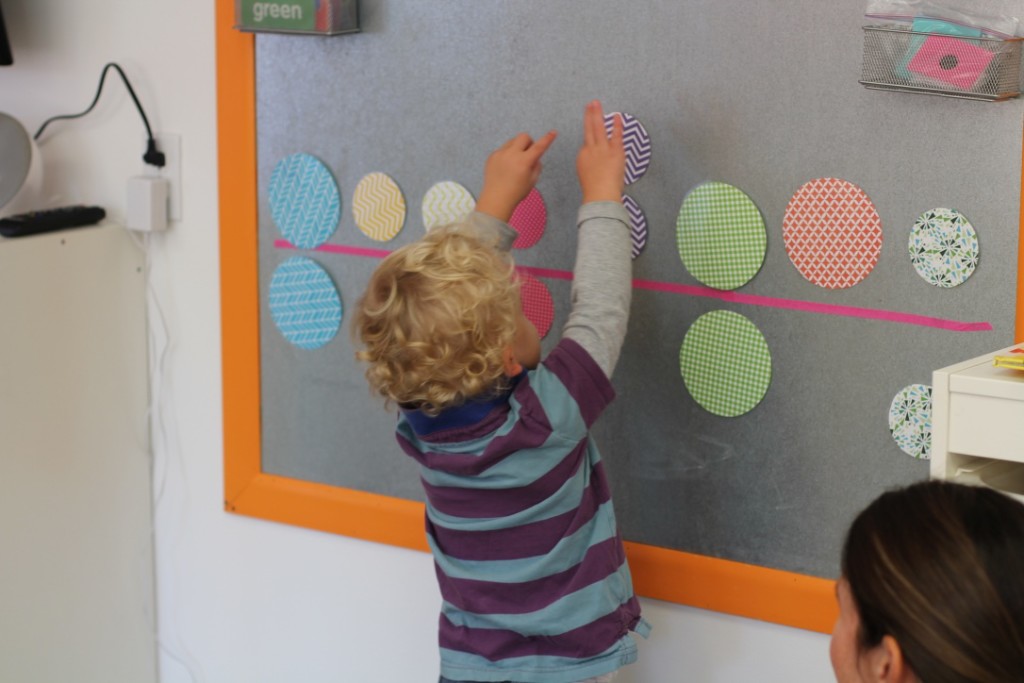
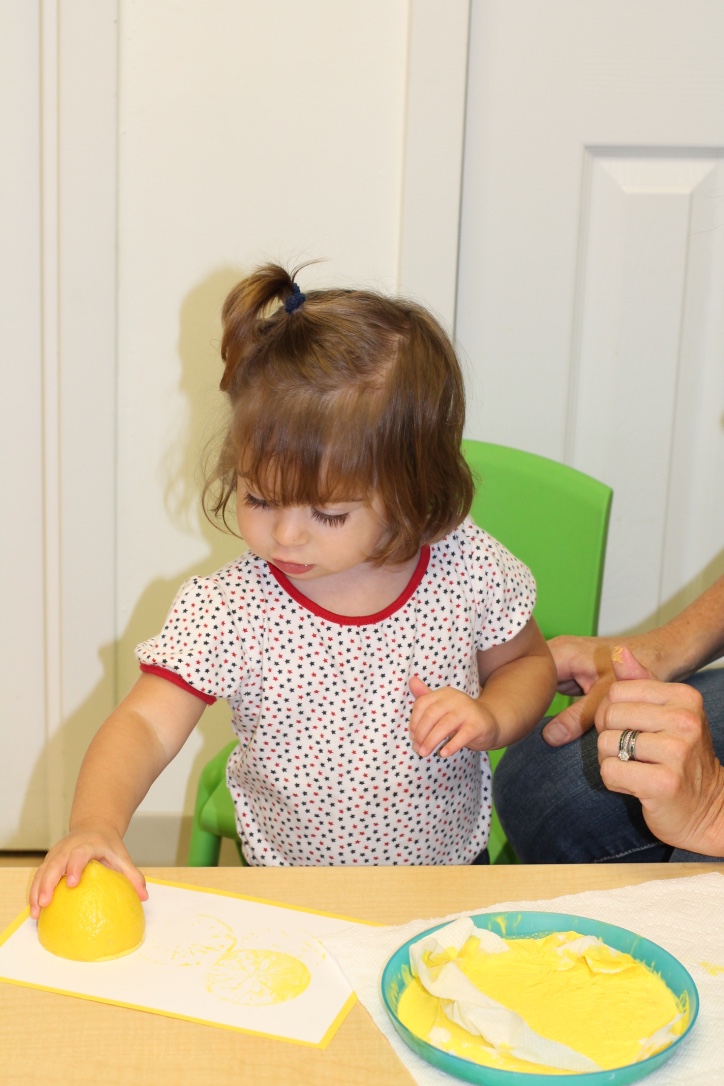
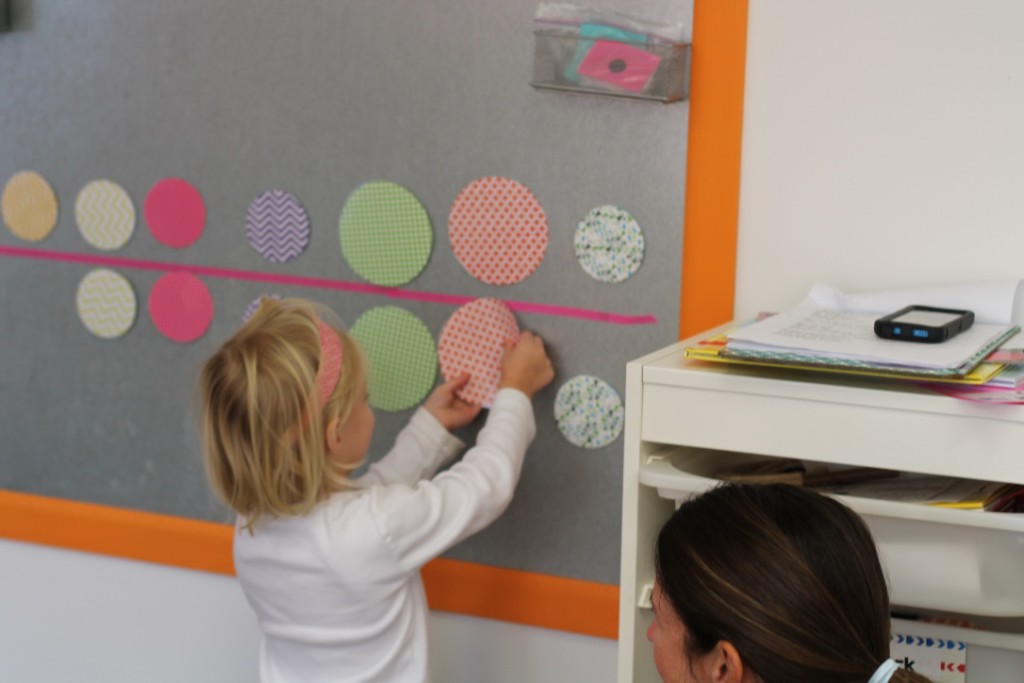
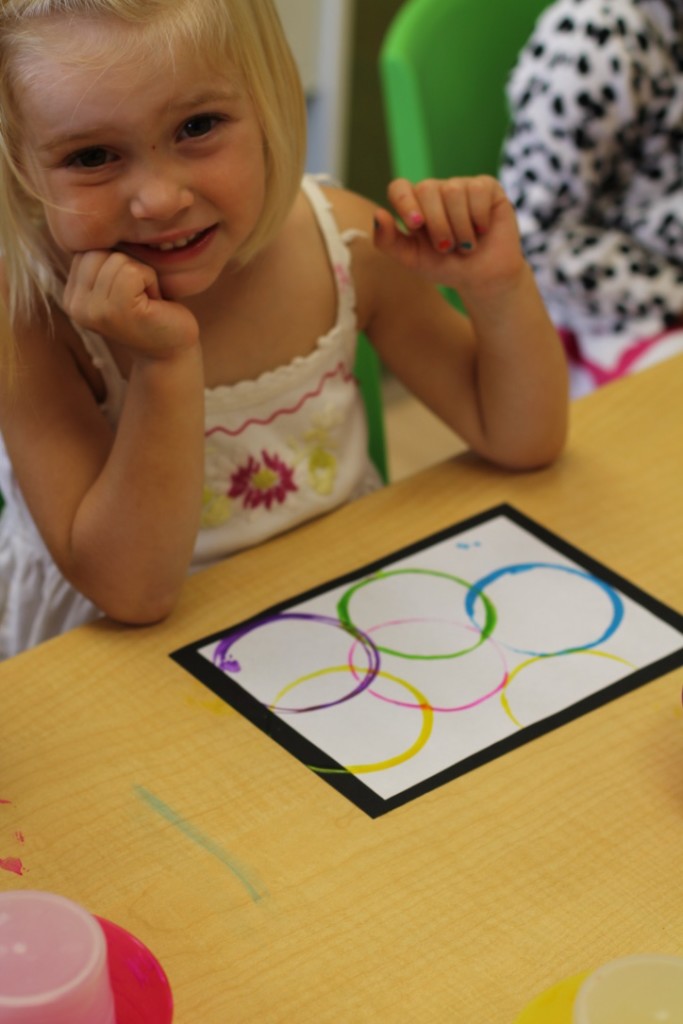
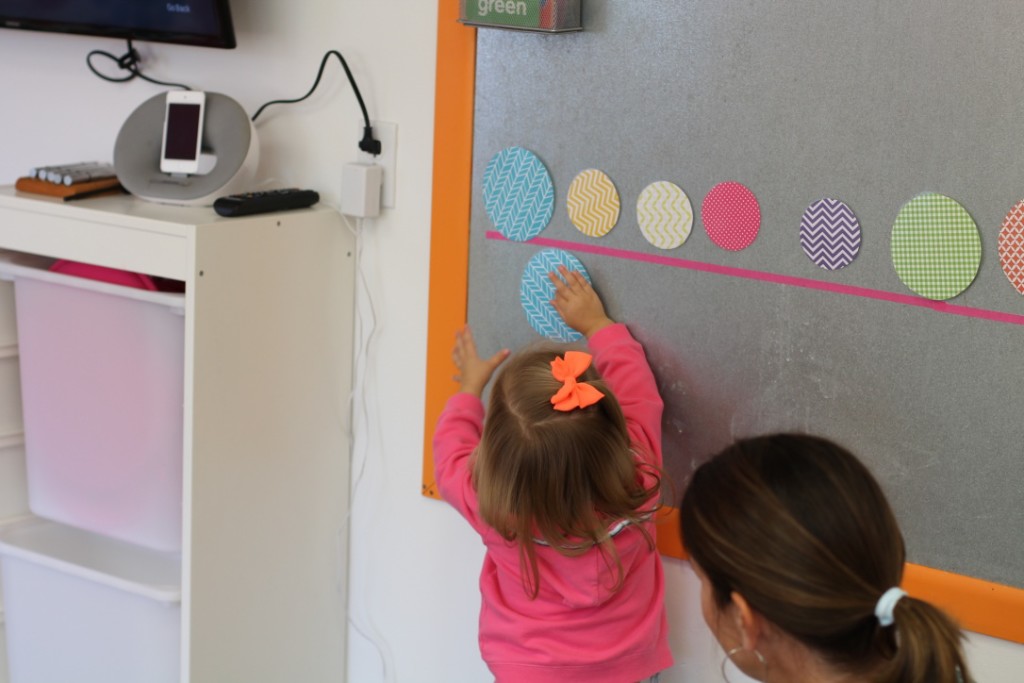
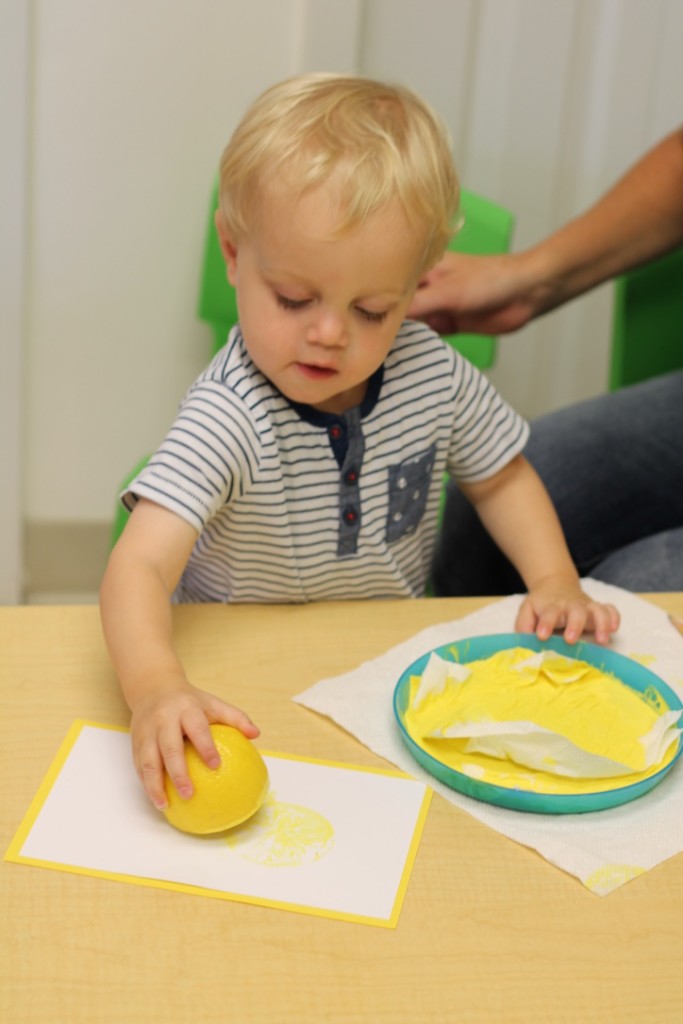
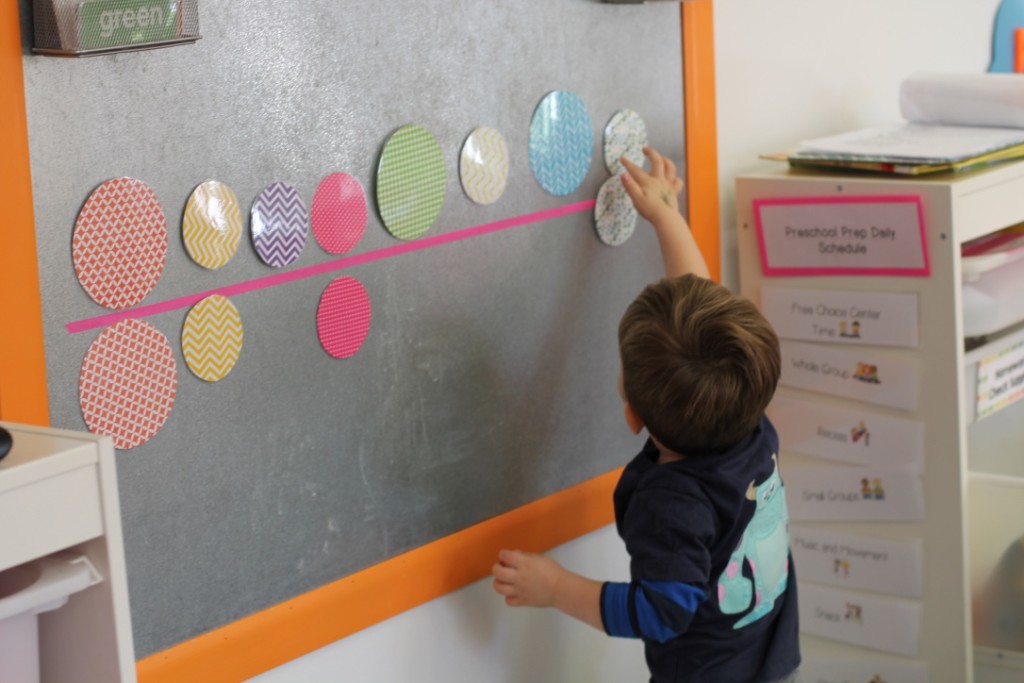
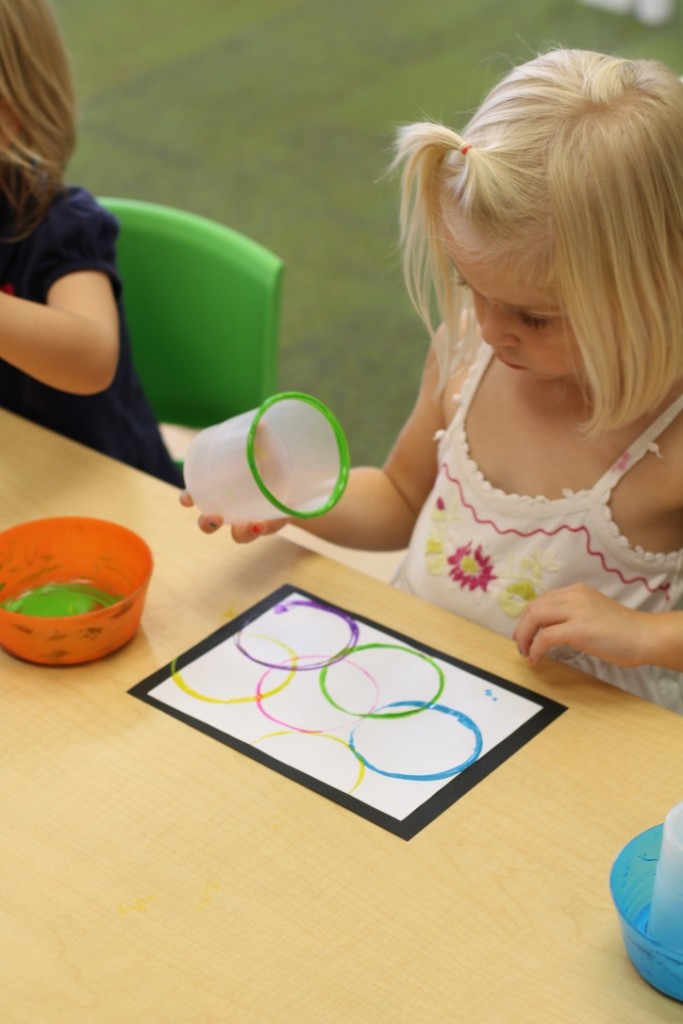
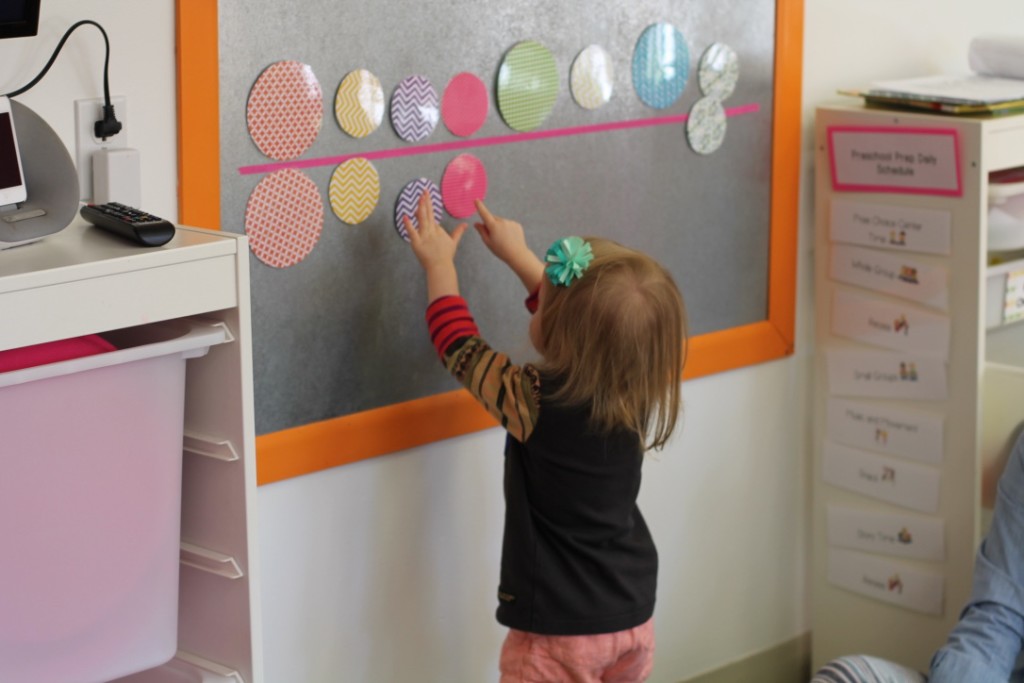
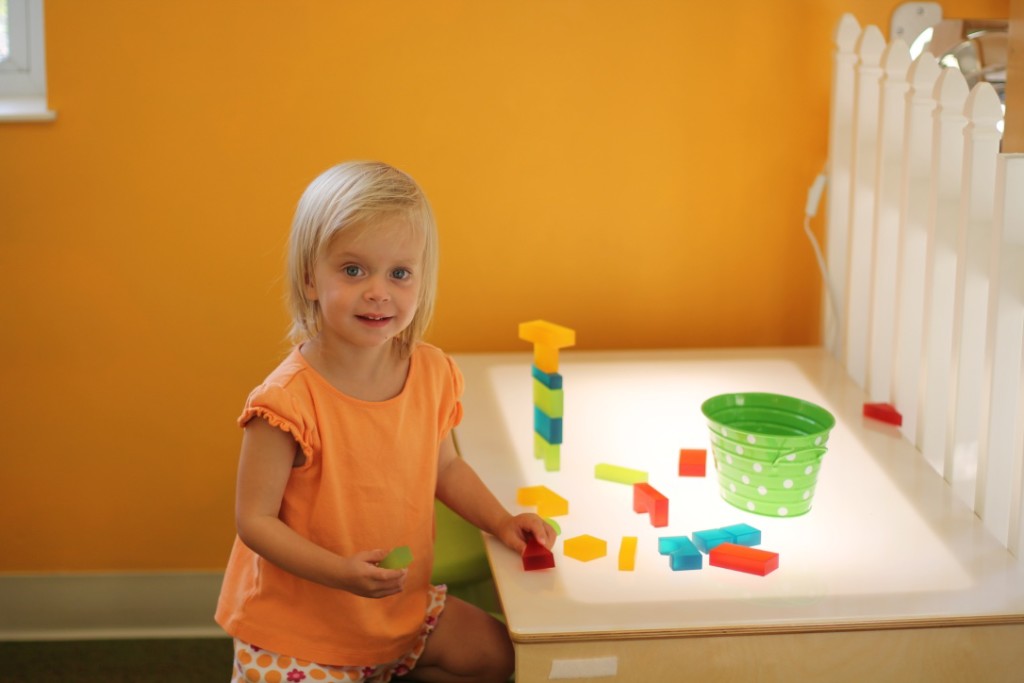
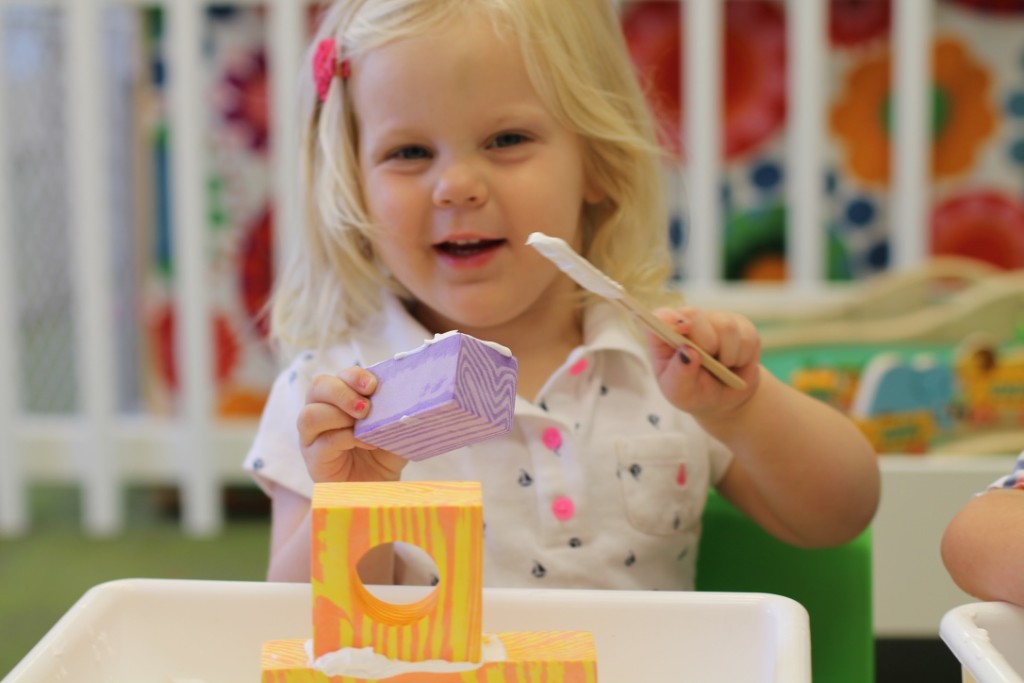
The Preschool Prep class has been doing such a great job in small groups this month! We have been focusing on the letters A and B, numbers 1 and 2, the color yellow and the circle. We have also been doing a lot of name building activities!
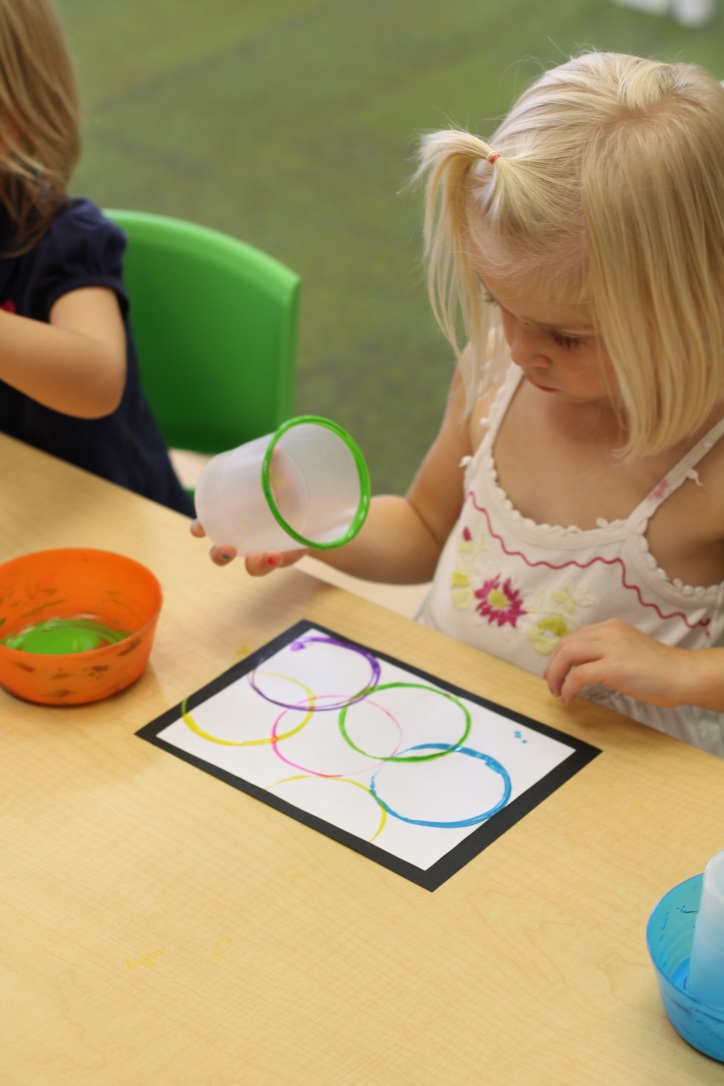
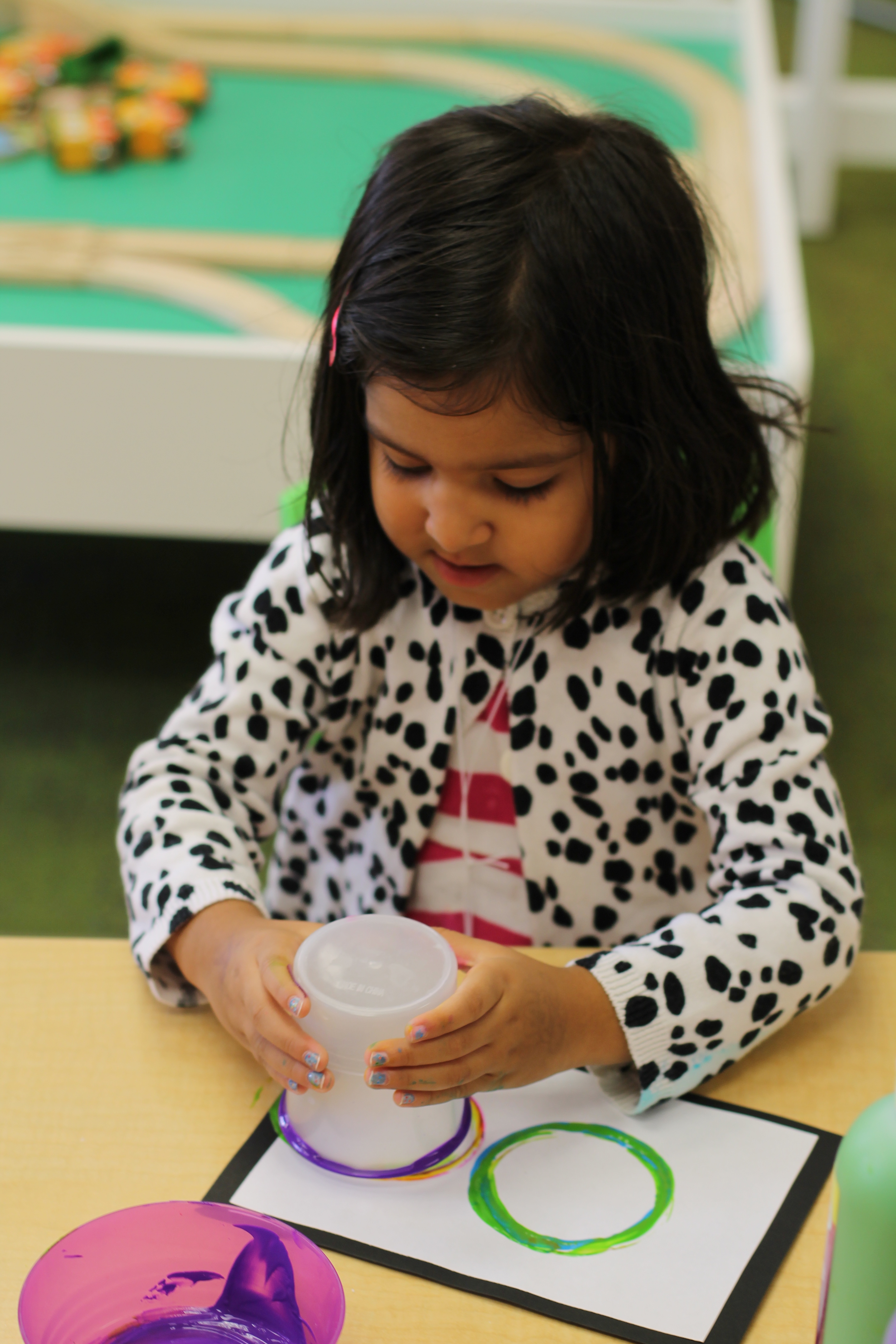
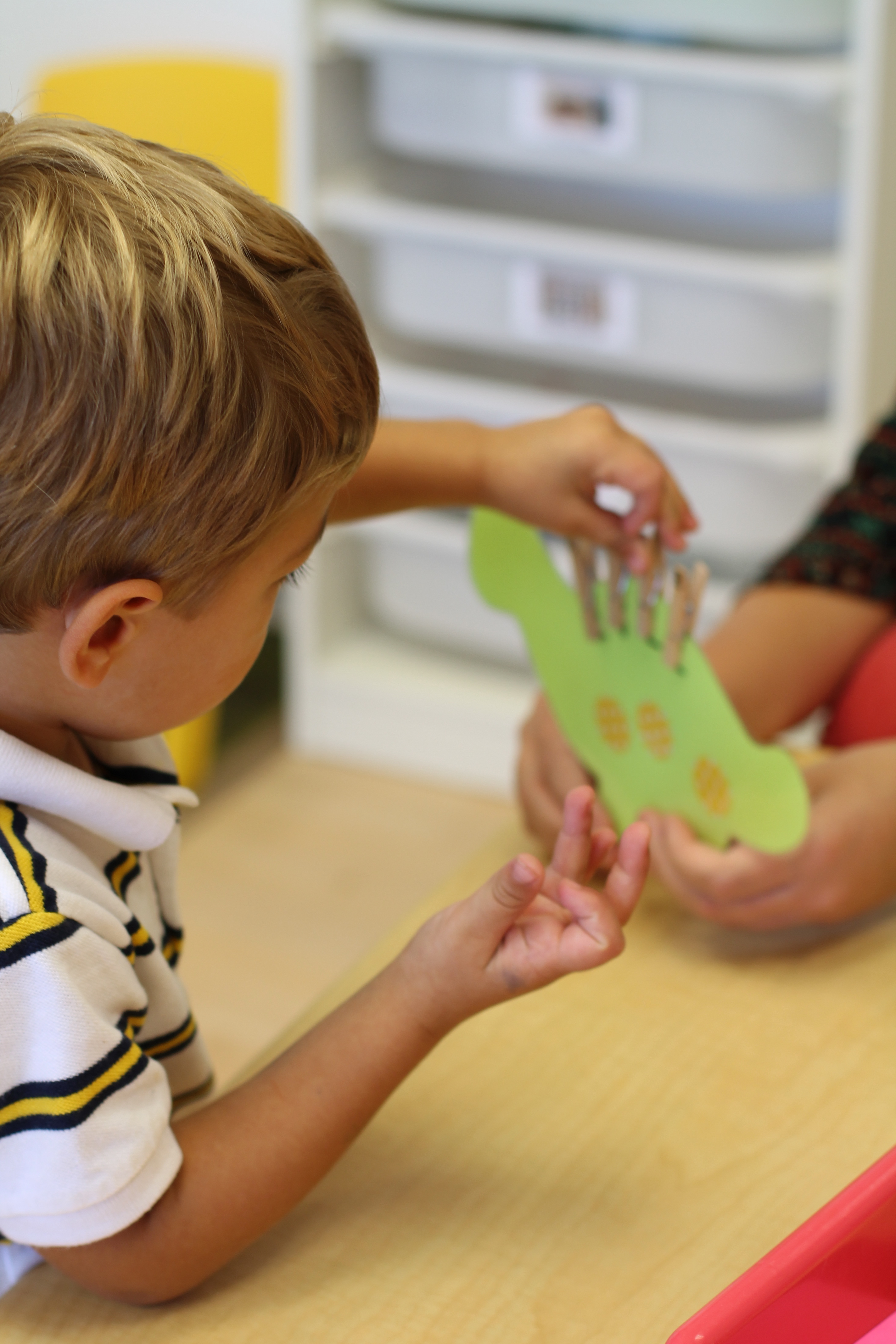
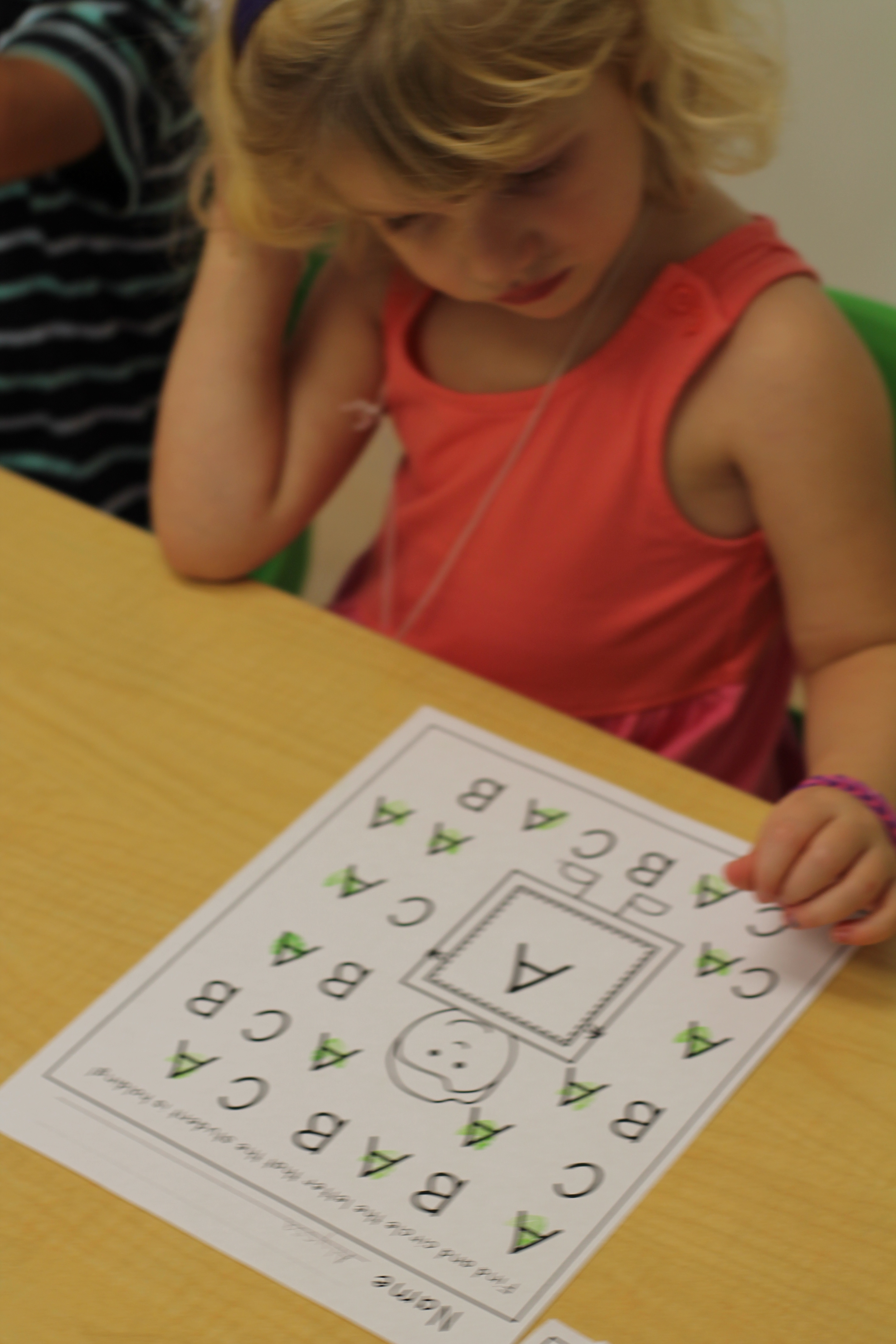
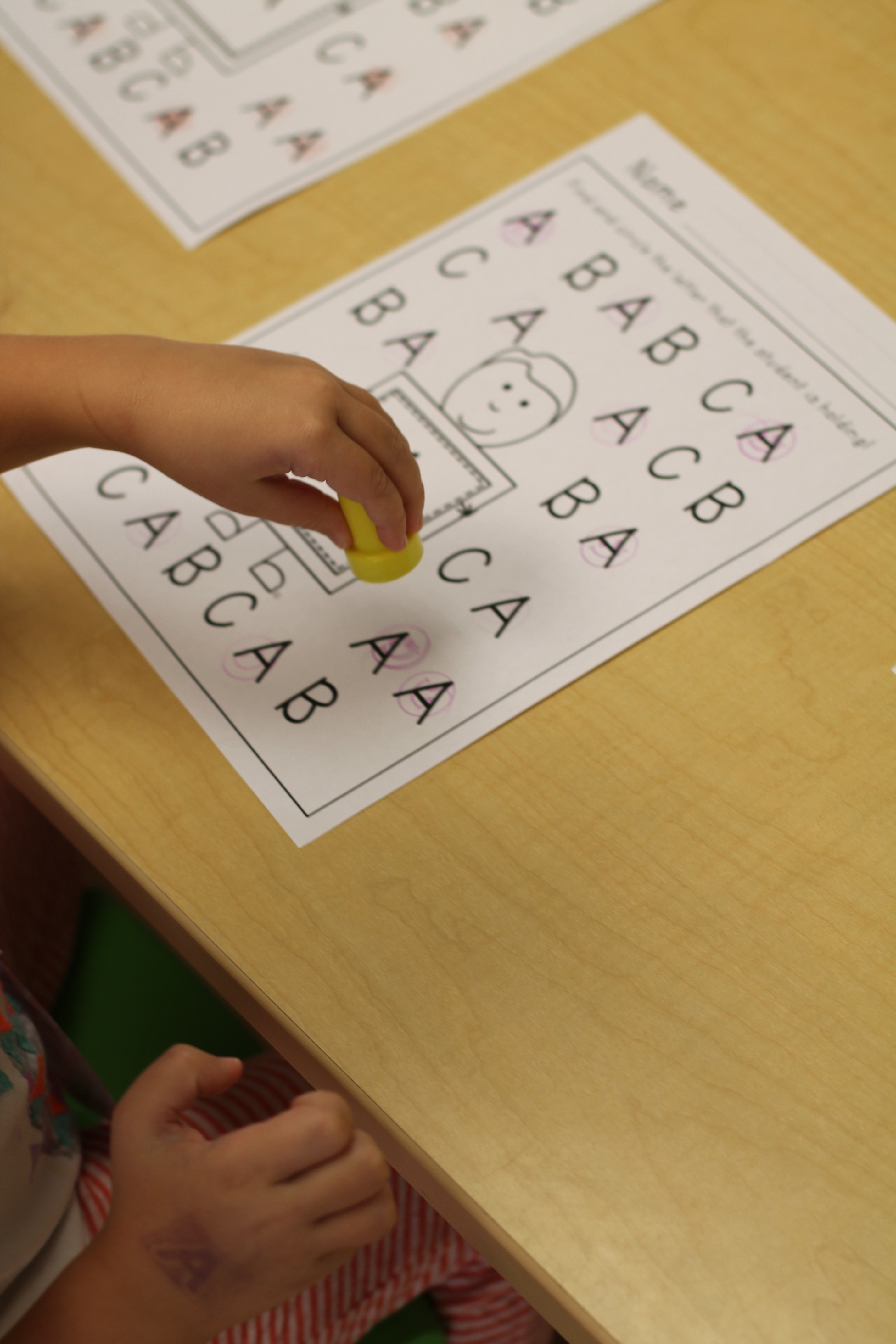

The Preschool Prep class has been doing such a great job in small groups this month! We have been focusing on the letters A and B, numbers 1 and 2, the color yellow and the circle. We have also been doing a lot of name building activities!
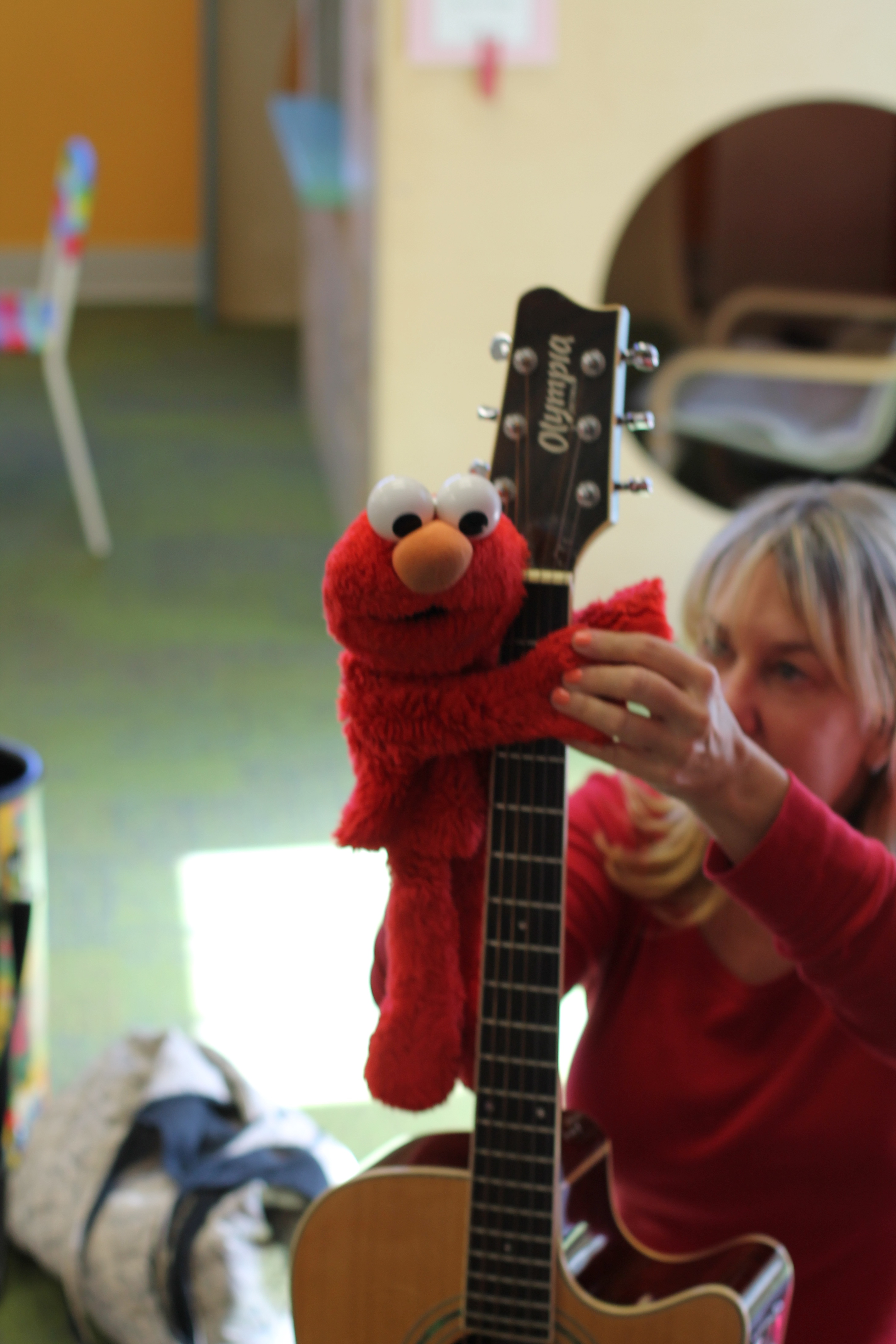
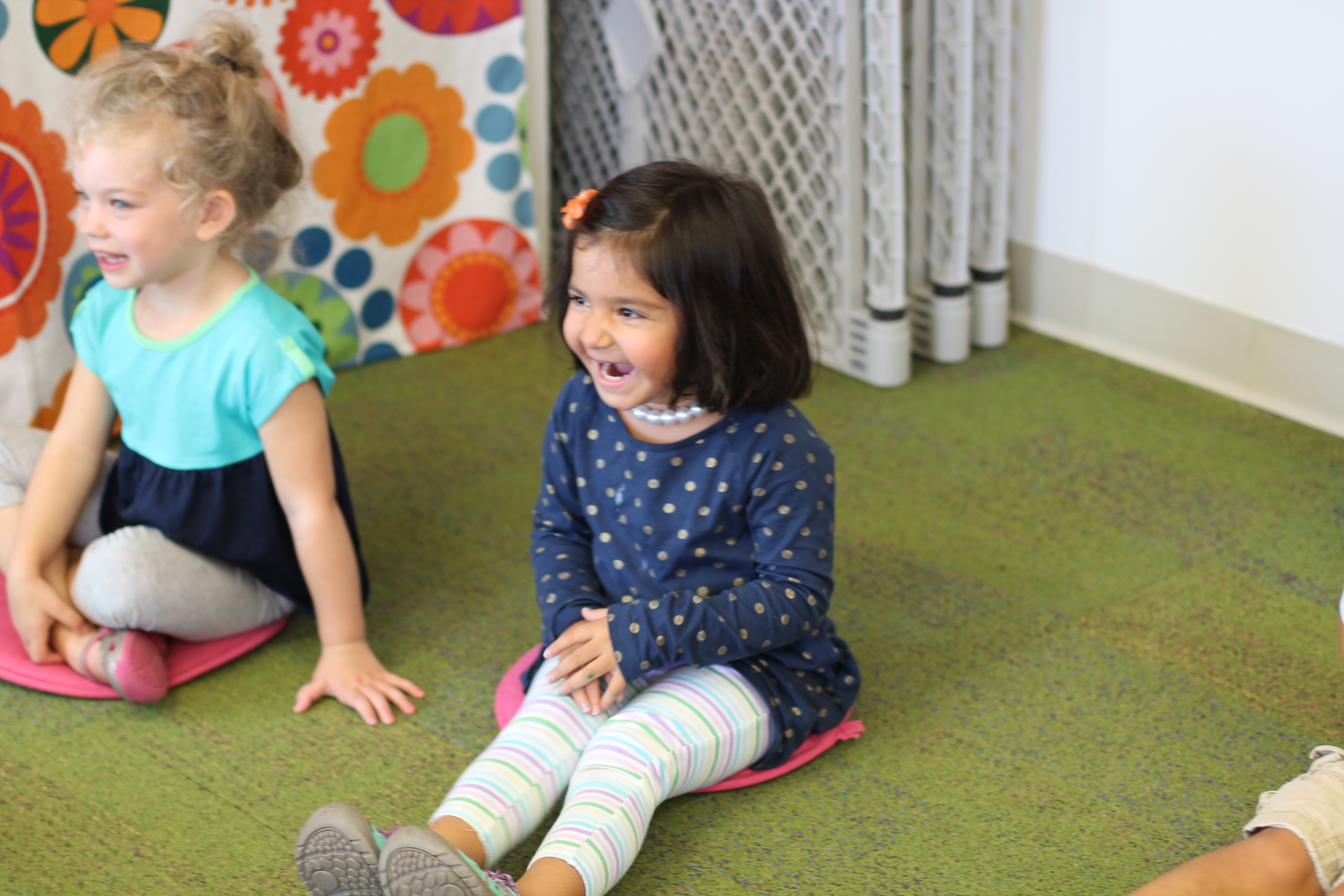
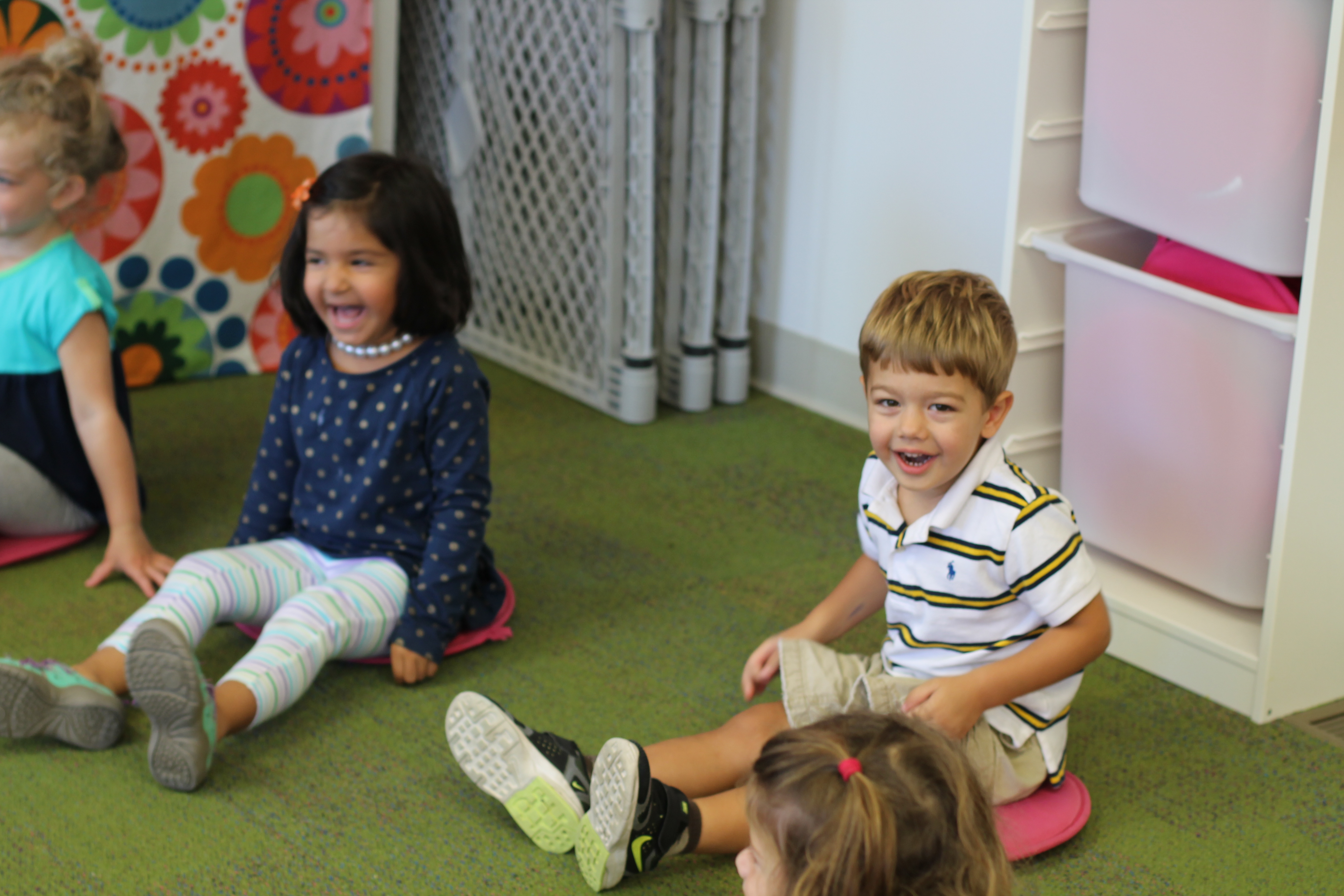
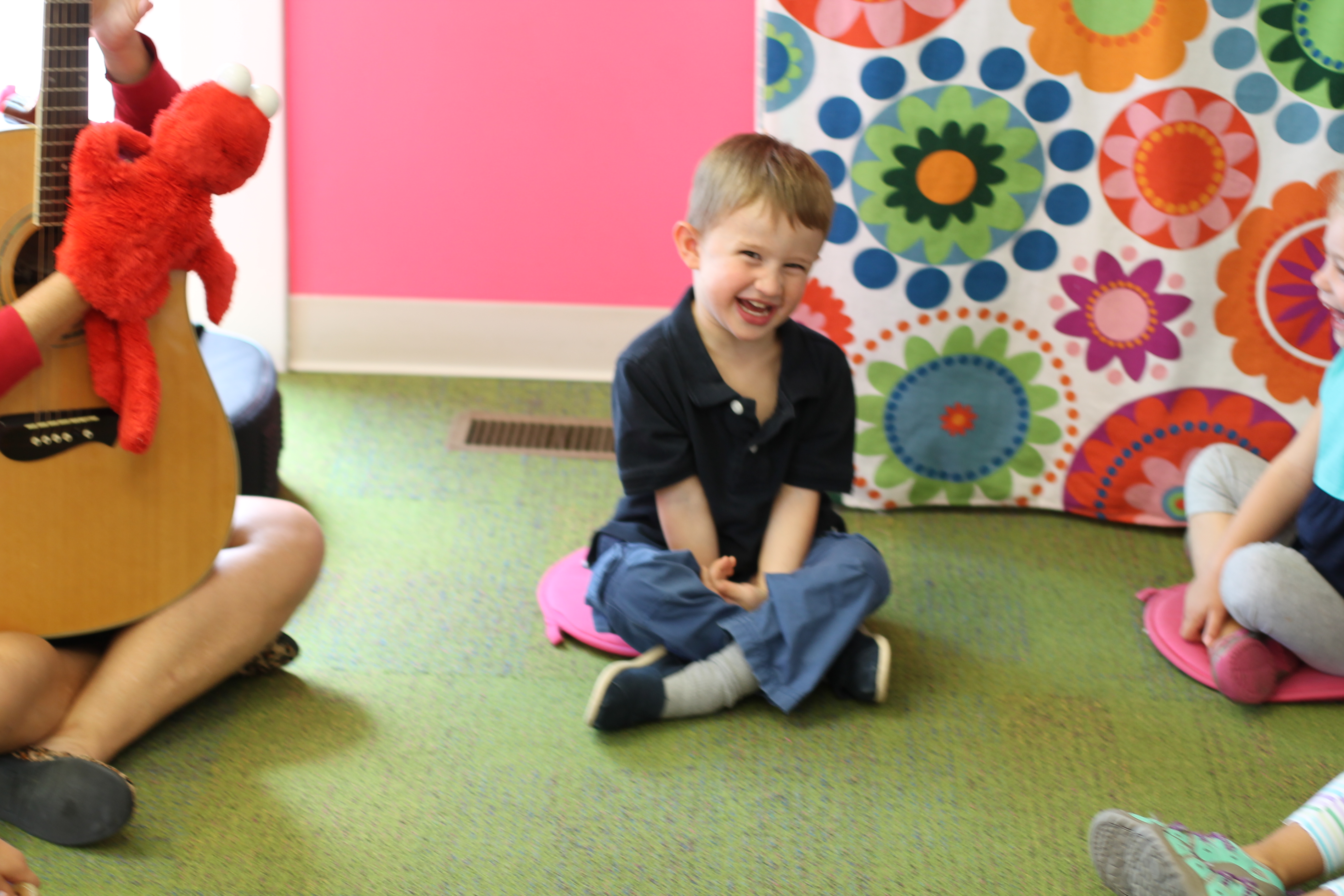
We had our first music class with Ms. Joanie this past week. We really enjoyed singing and learning about the guitar!
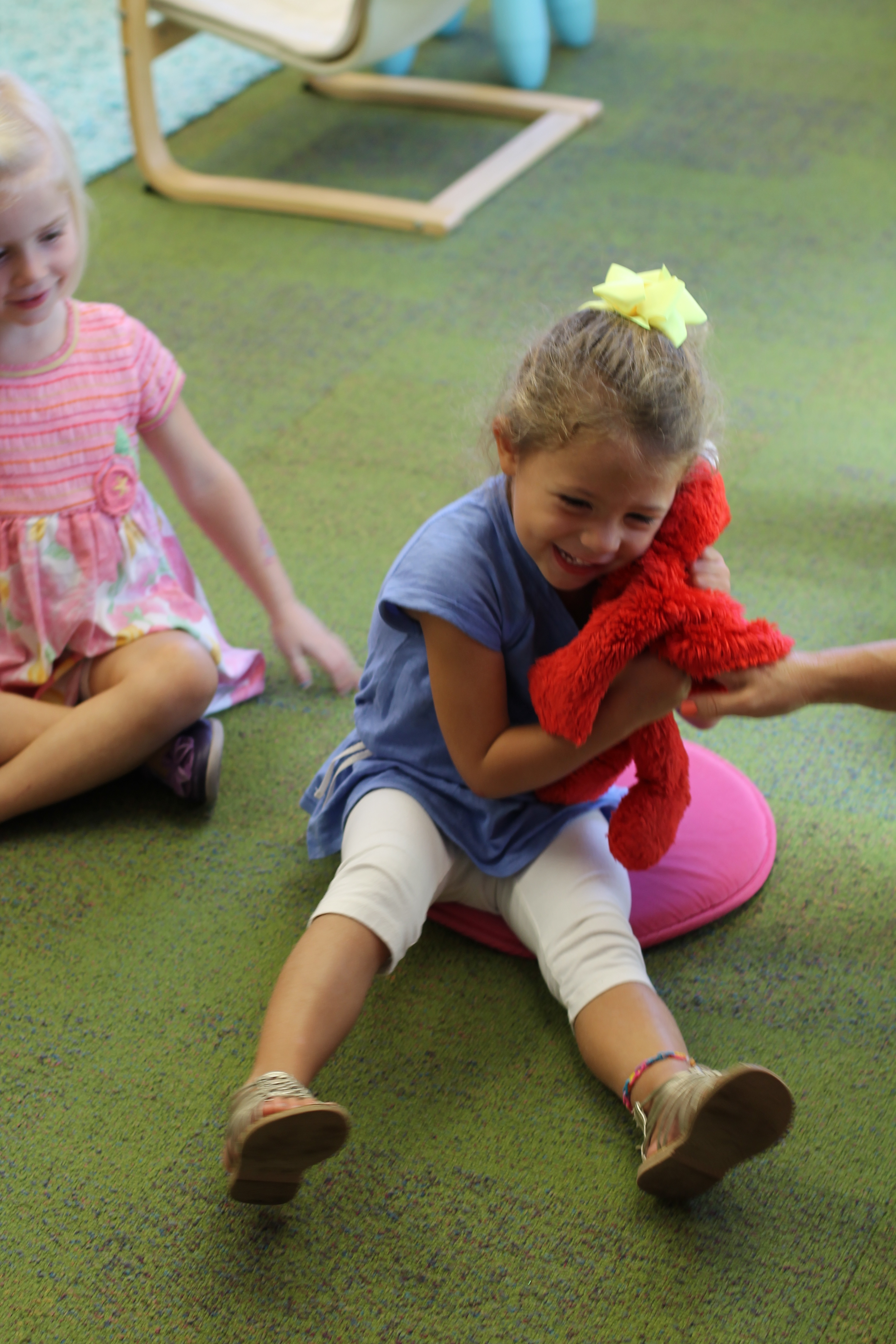
Let’s Do It Again … and Again … and Again …
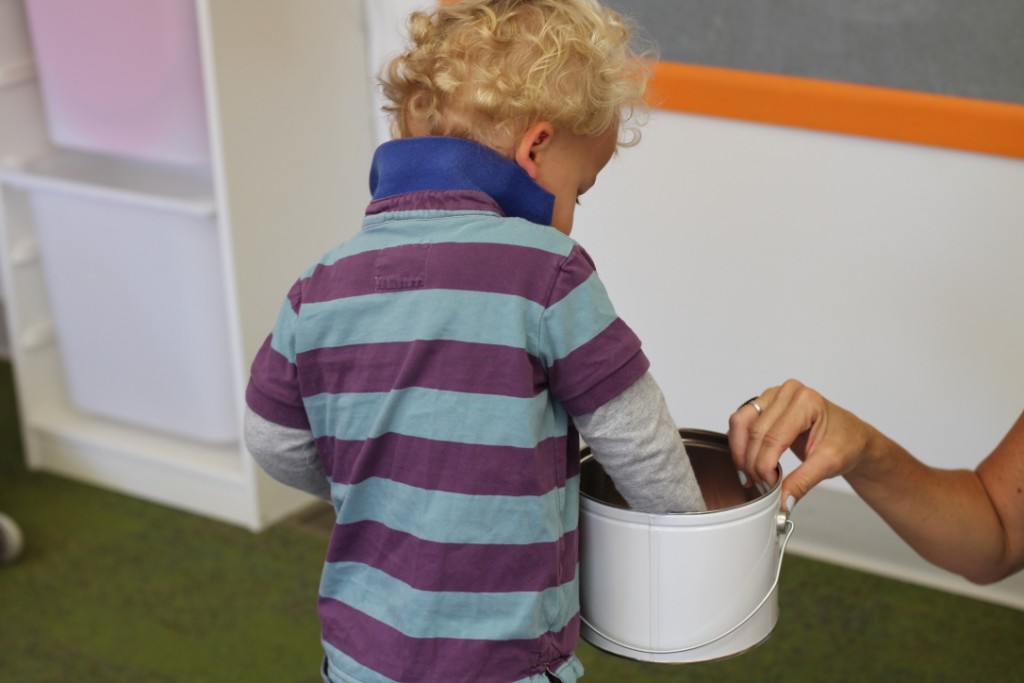
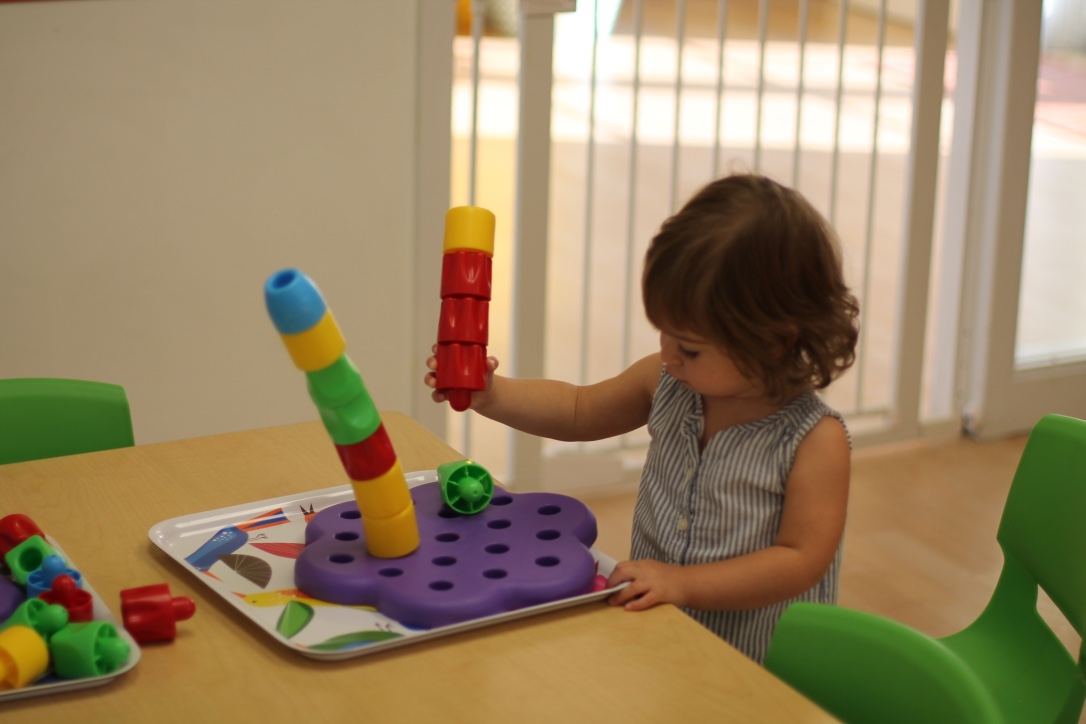
Through repetition, toddlers figure out how things fit together and work. They might fill and dump a pail over and over to learn about full and empty and in and out. They may want you to read the same book, and sing the same song, night after night. This kind of repetition helps children know what to expect. This gives them a sense of security and control over their world. It also helps them master new skills, which boosts their self-confidence.
Source: The Power of Play
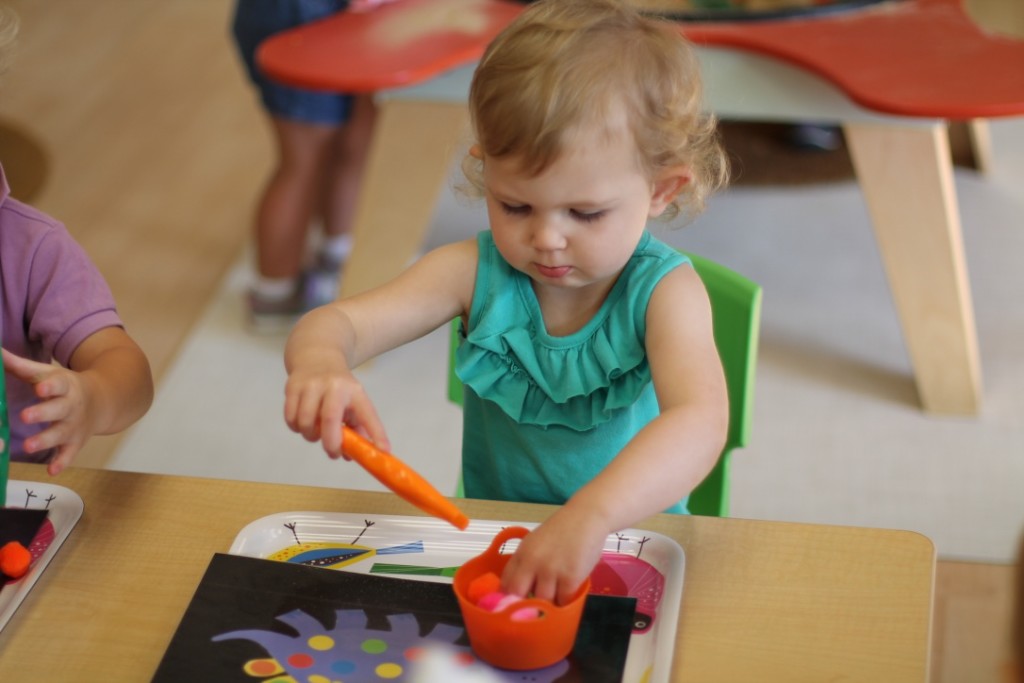
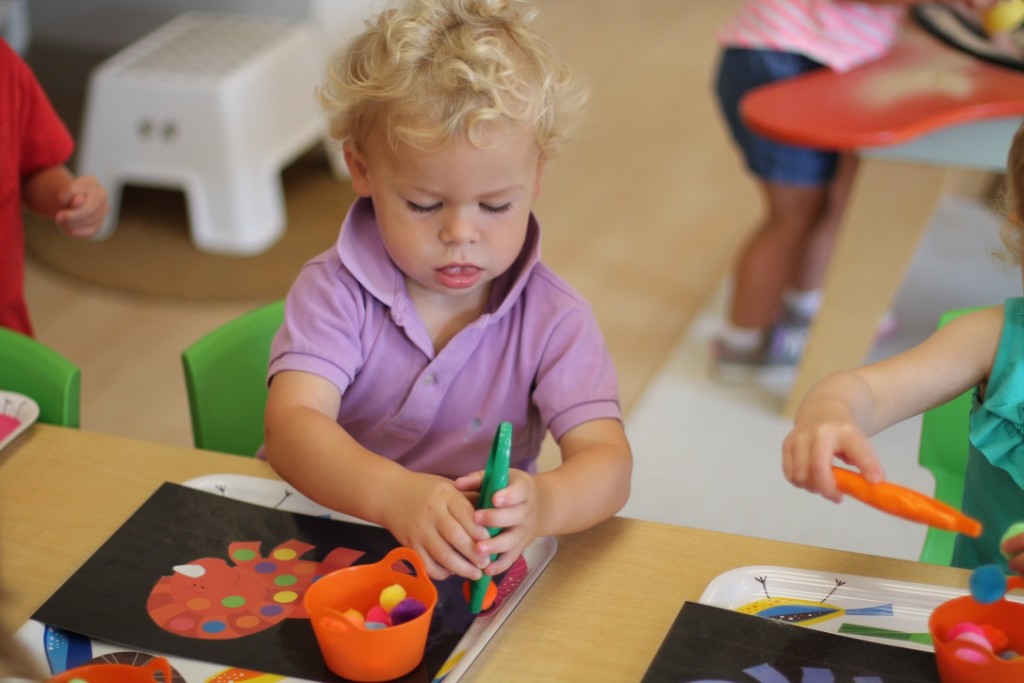
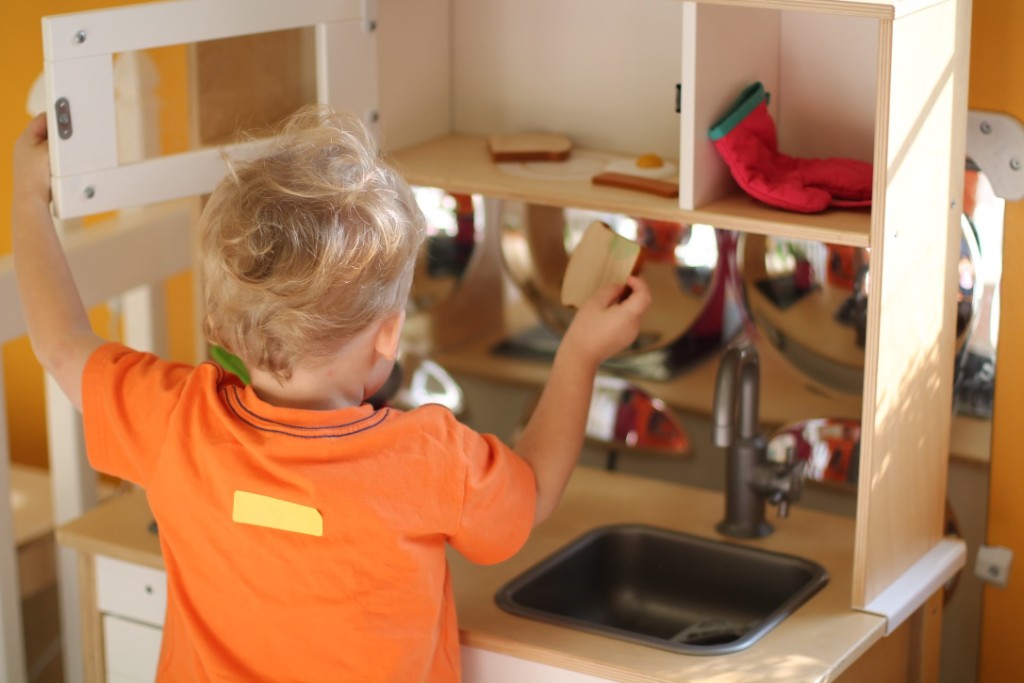
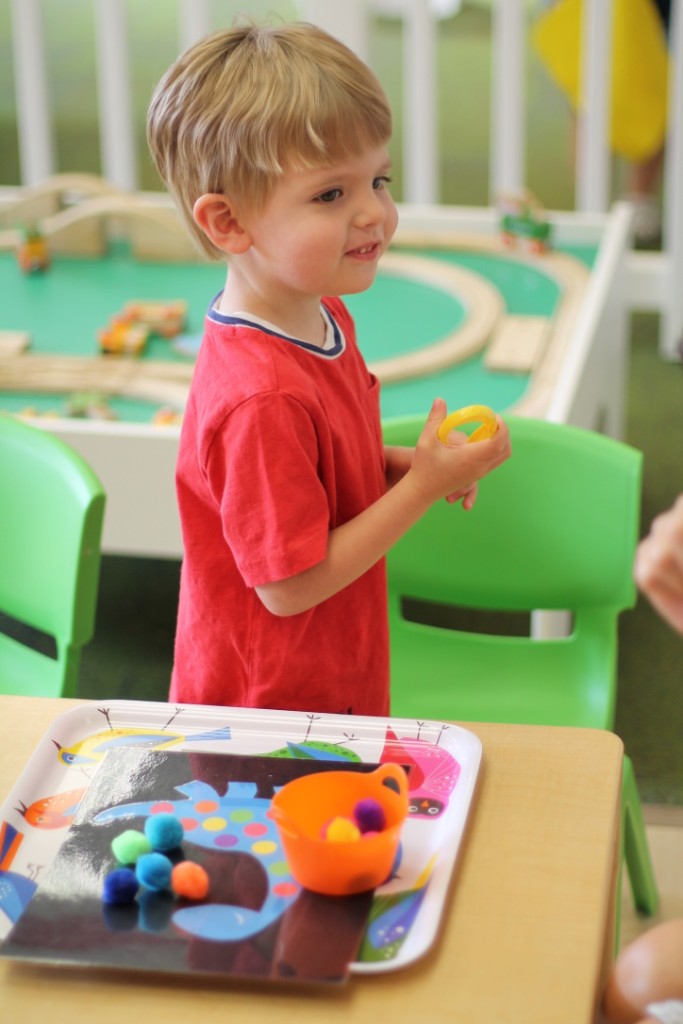
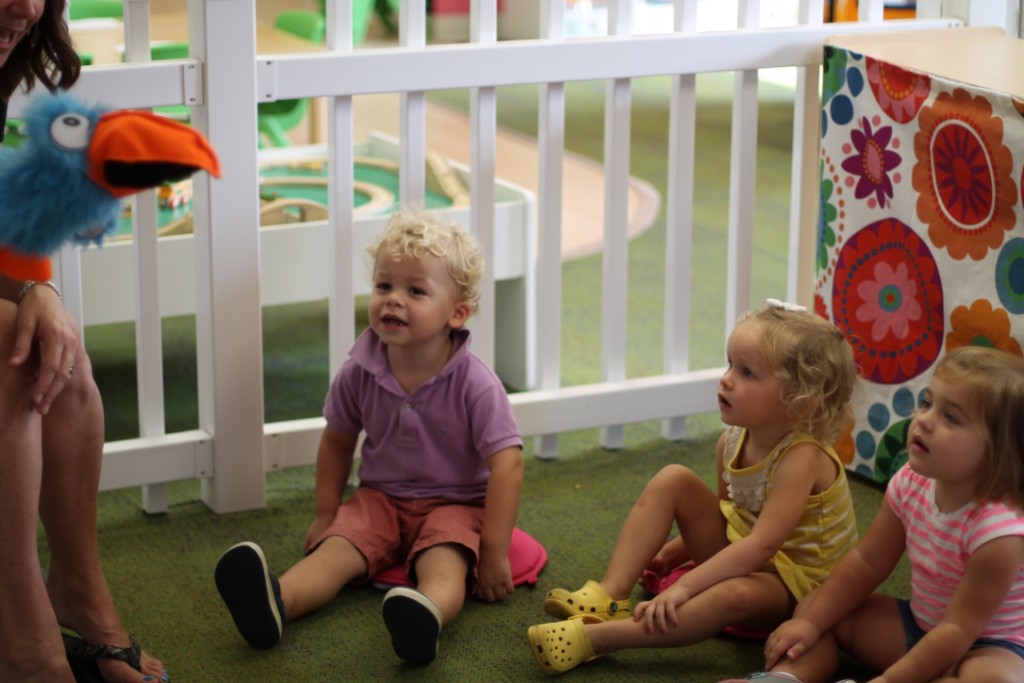
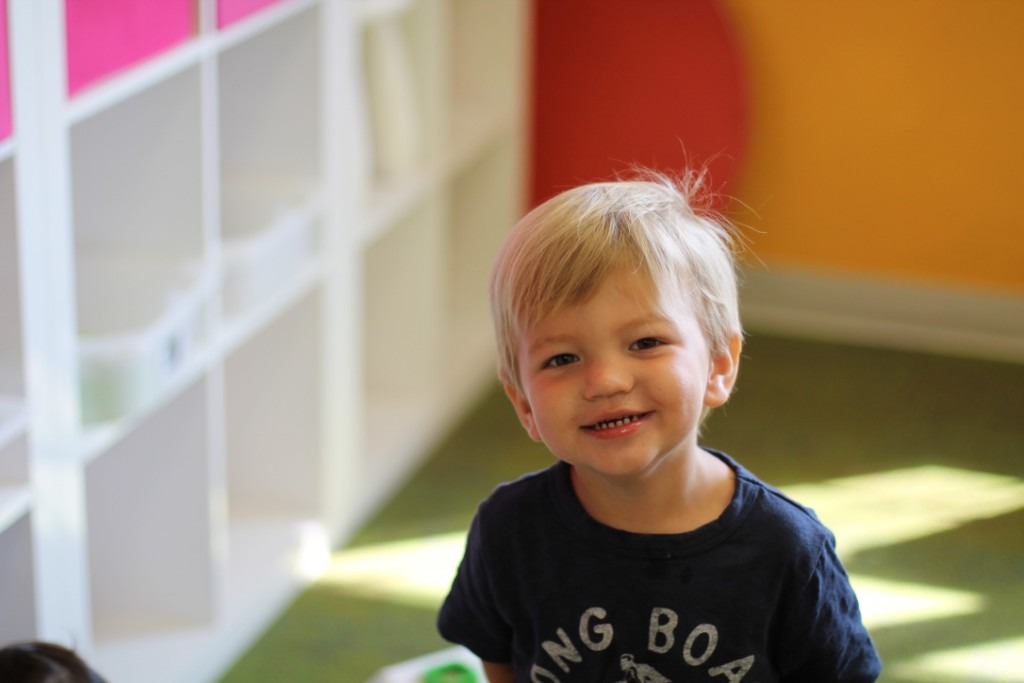
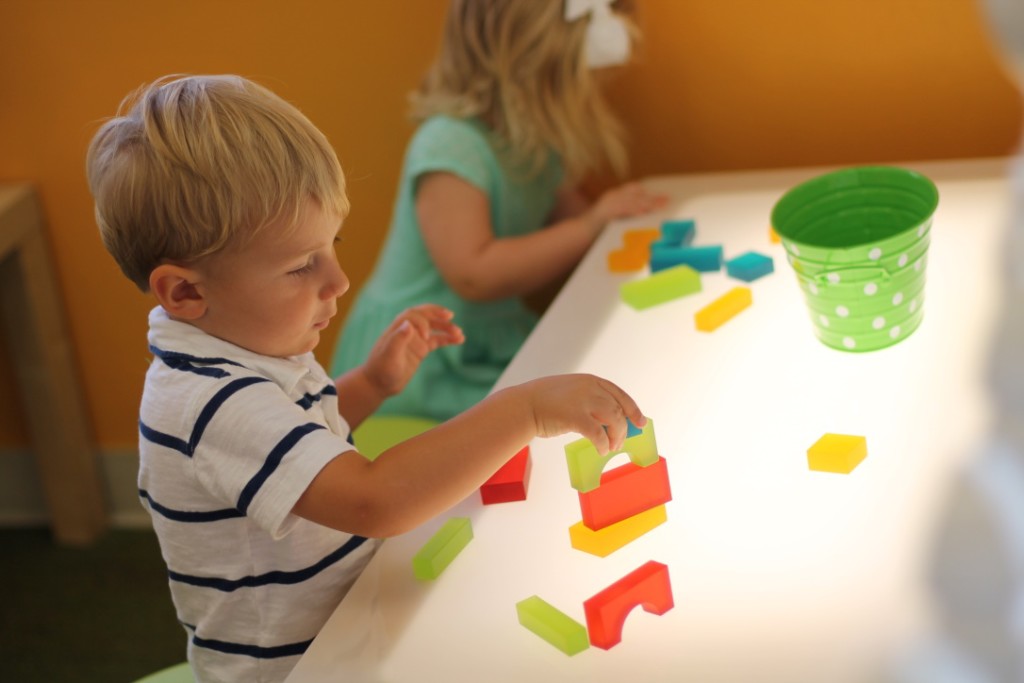
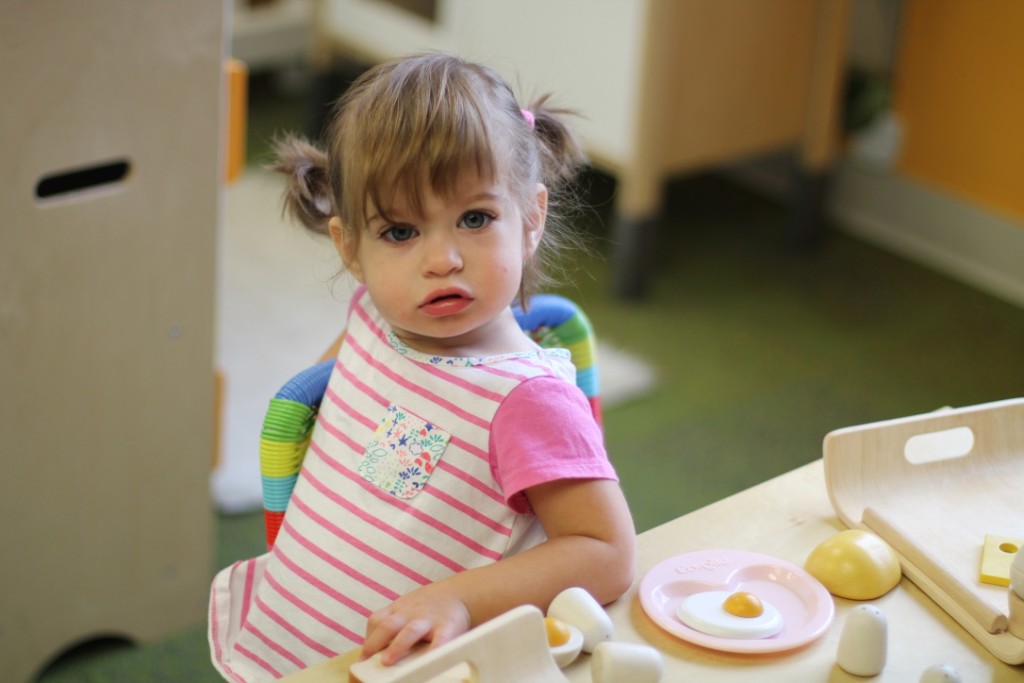
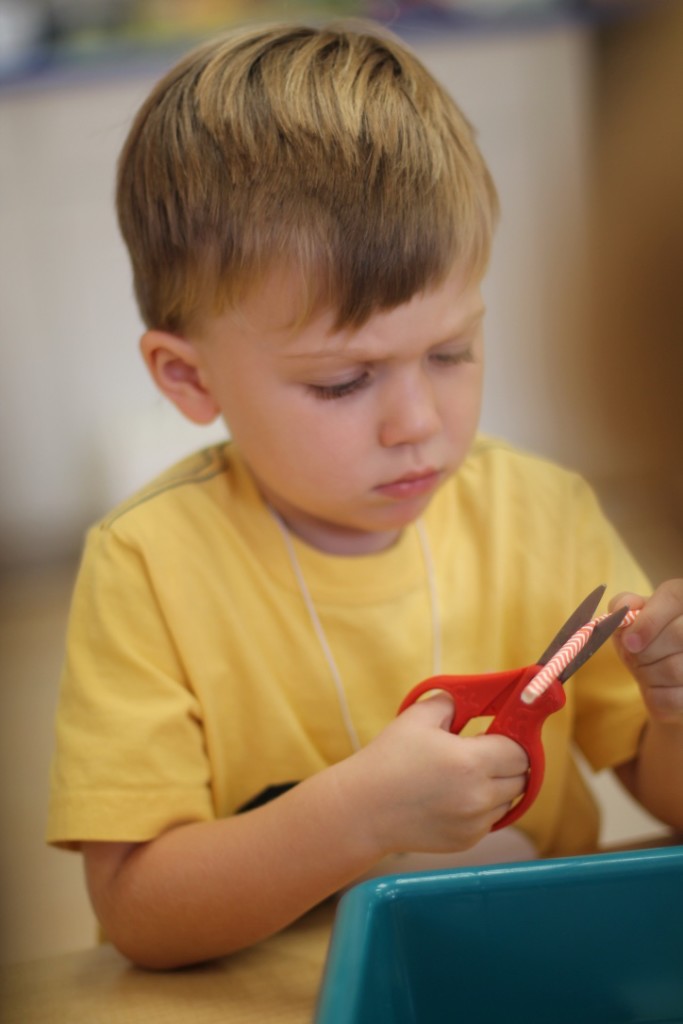
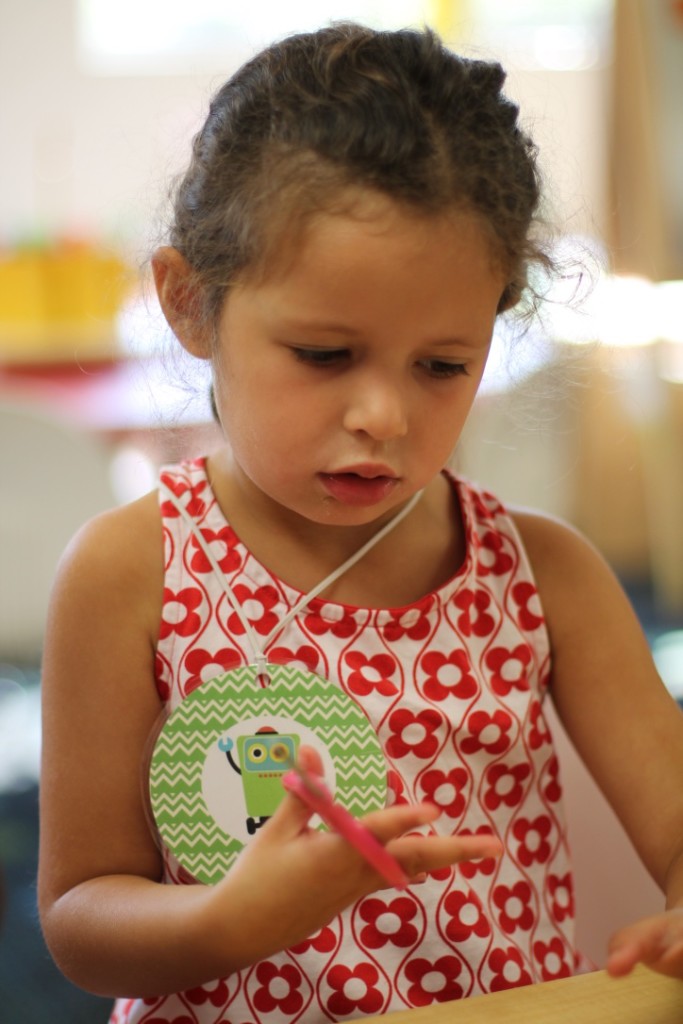
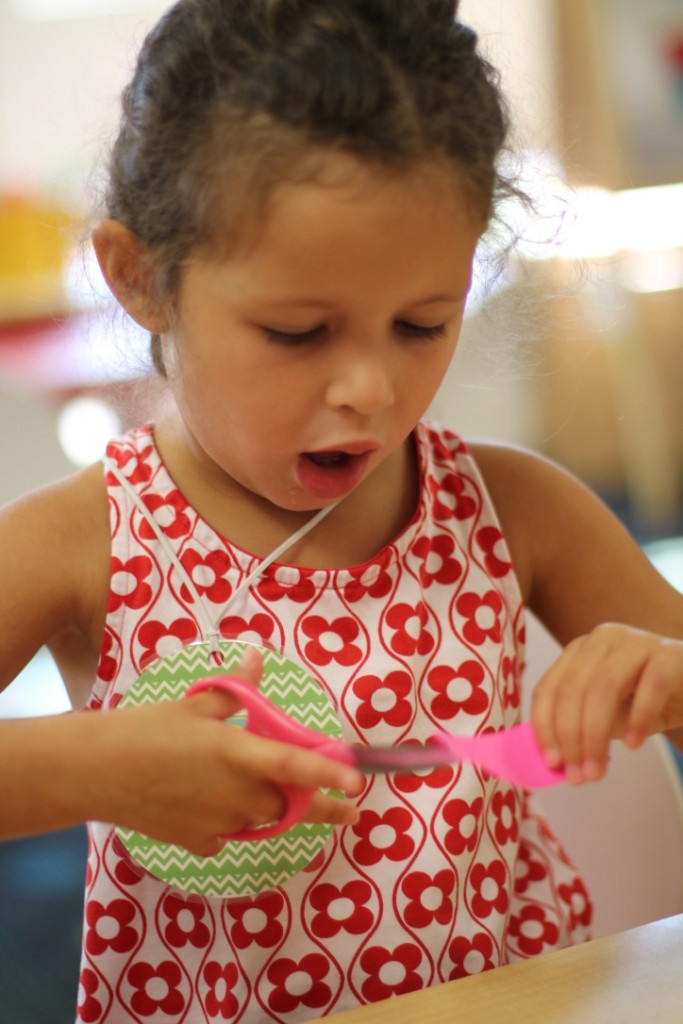
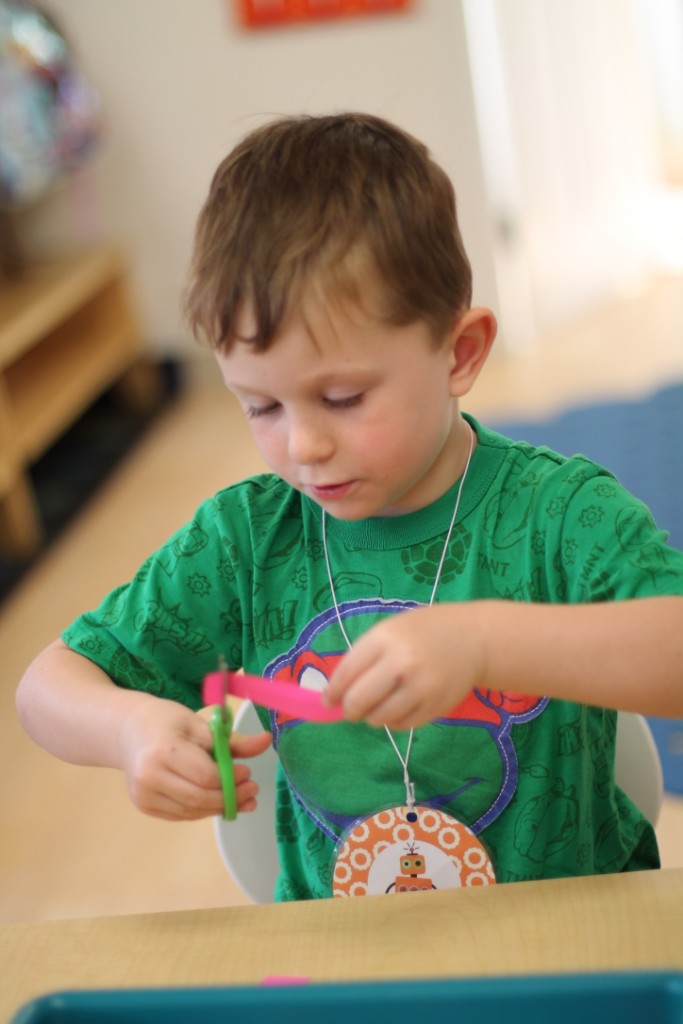
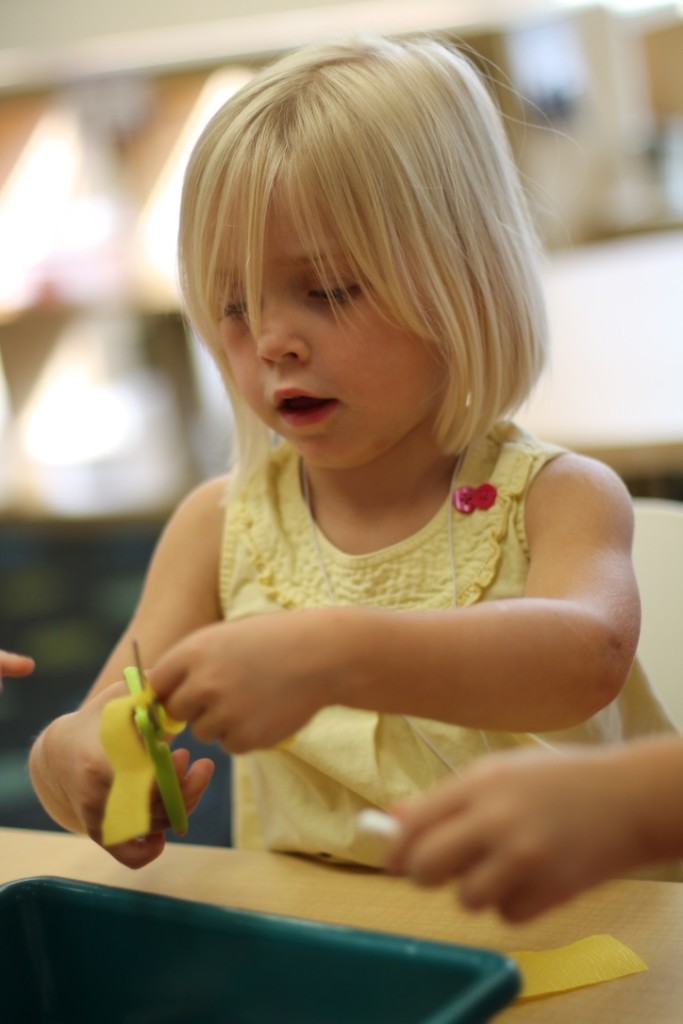
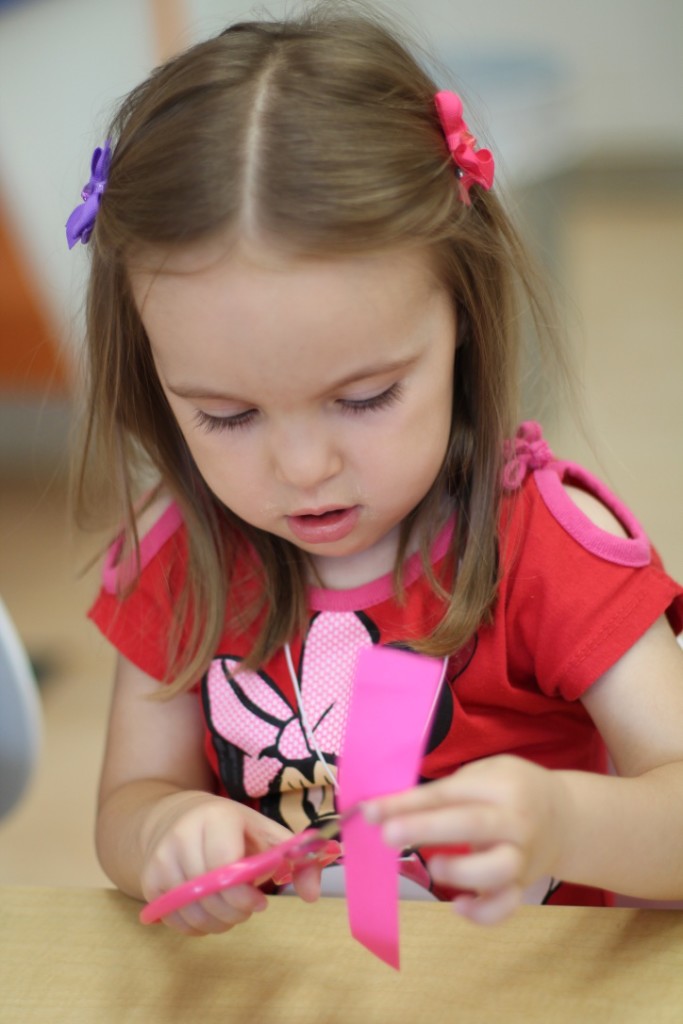
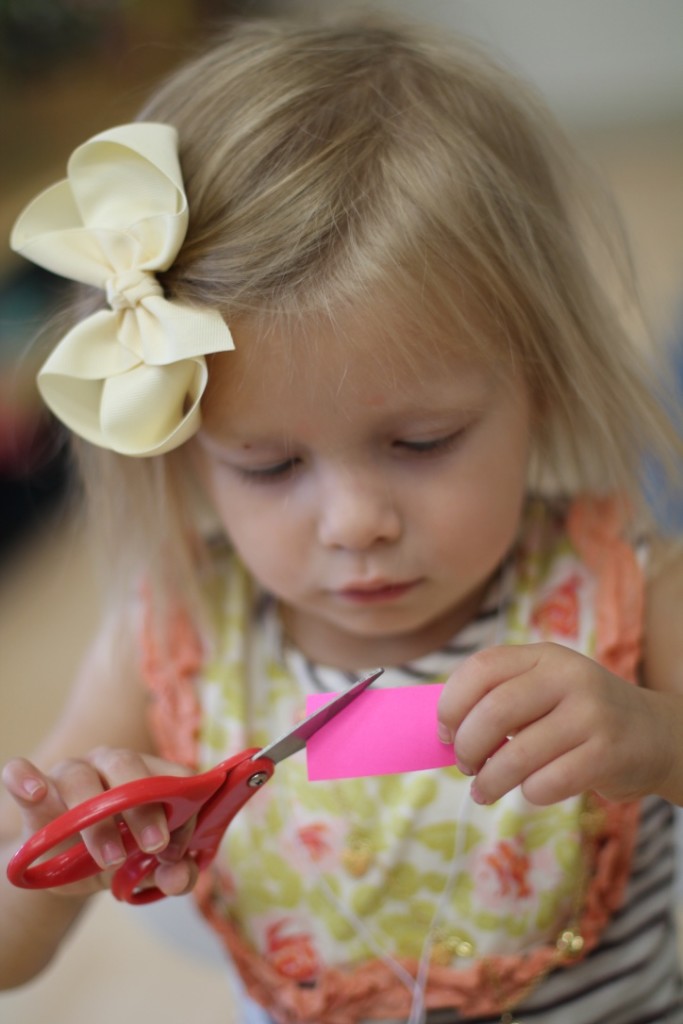
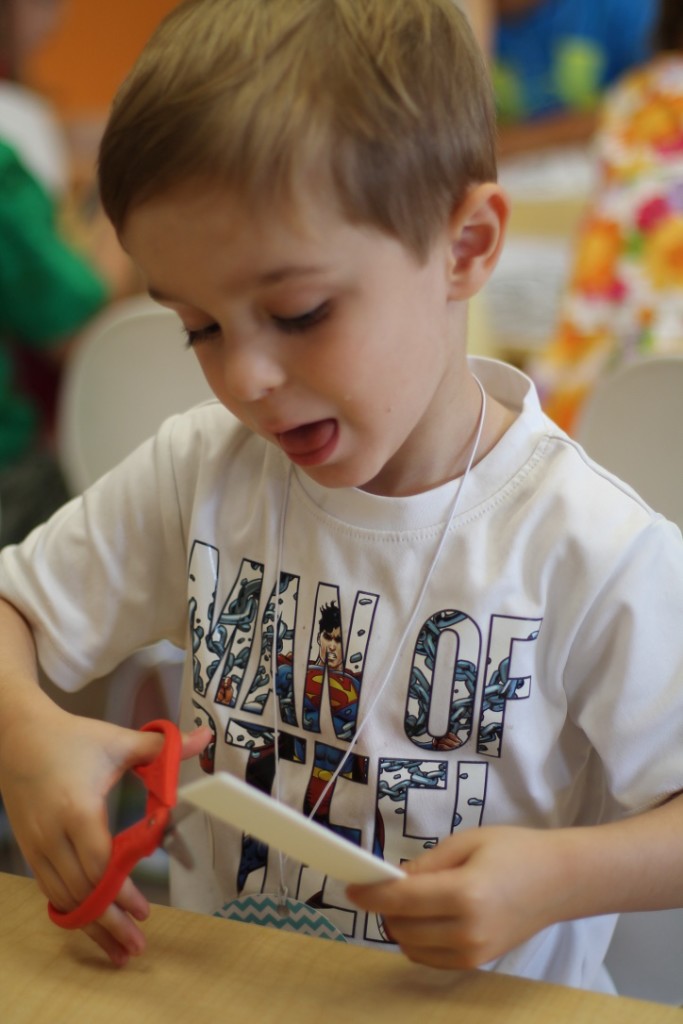
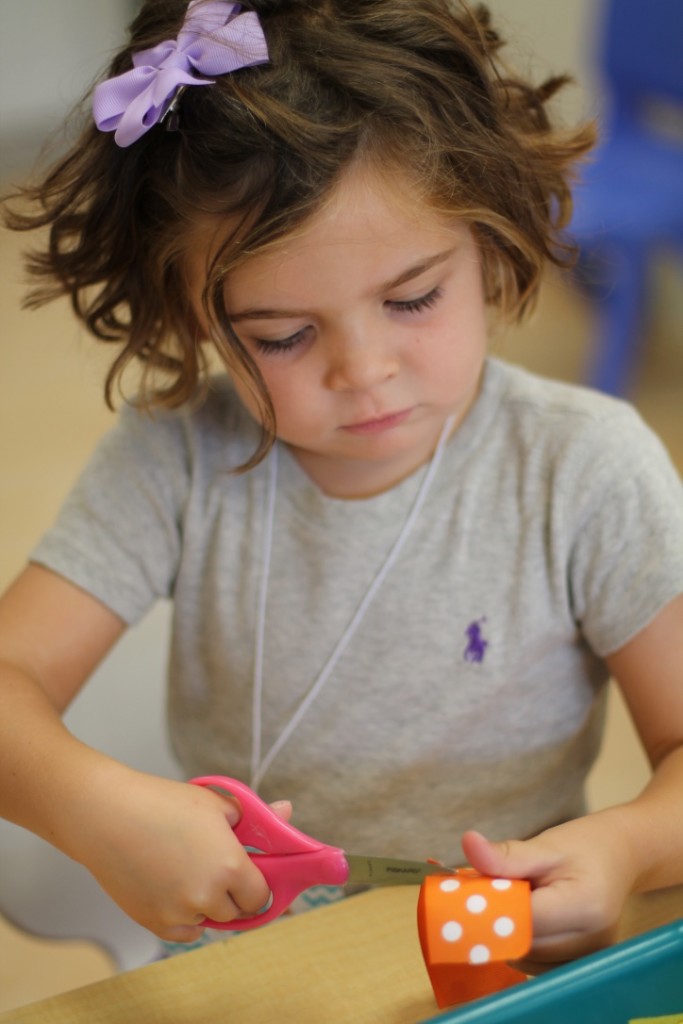
Cutting with scissors requires the skill of hand separation, which is the ability to use the thumb, index, and middle fingers separately from the pinkie and ring fingers. Providing children with frequent opportunities to develop their scissor skills allows them to practice using the tripod fingers (thumb, forefinger and middle finger). The tripod fingers are what work together in controlling a pencil. Developing the proper pencil grasp attributes to good handwriting. Strong scissor skills also leads to strong hand muscles and improved fine motor skills.
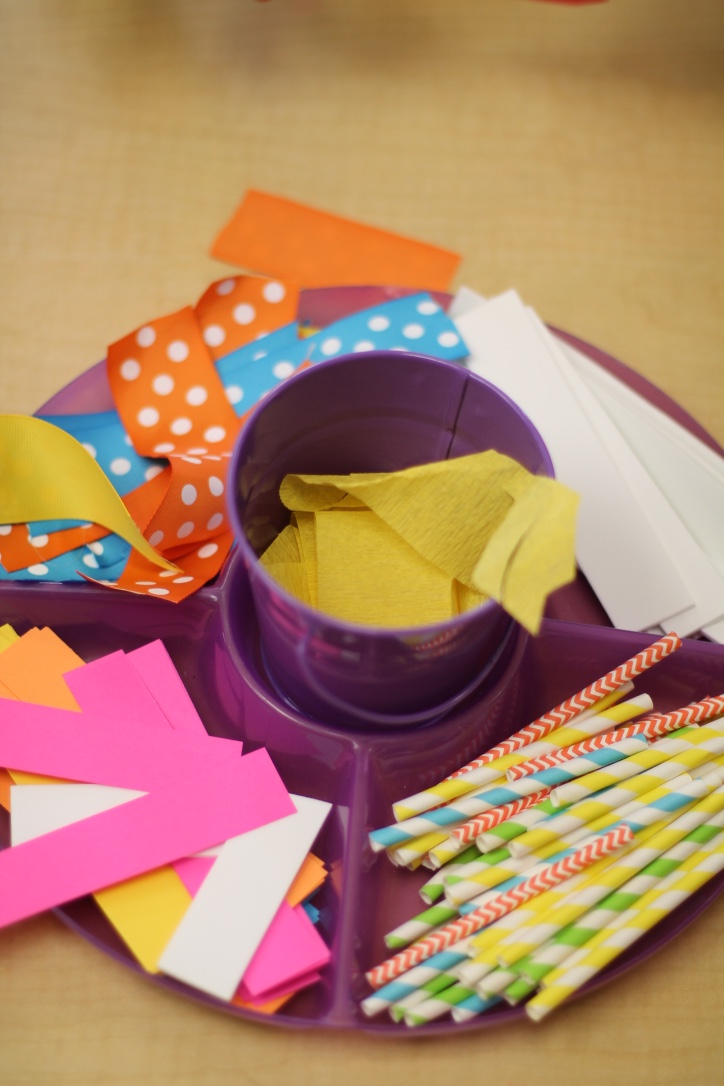
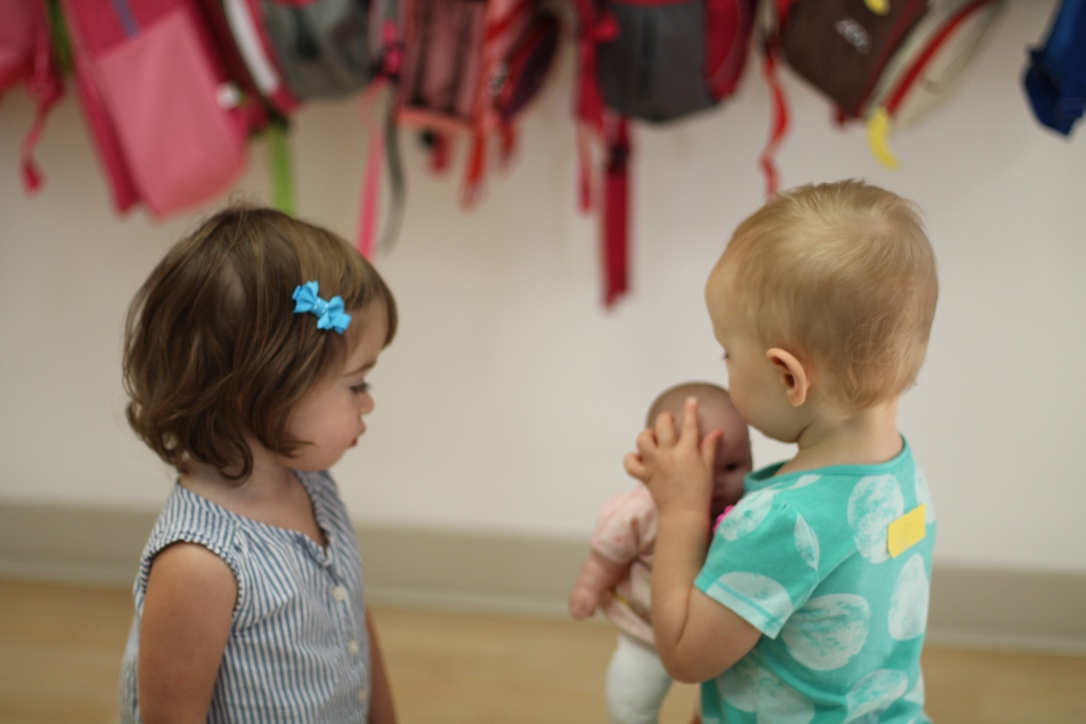
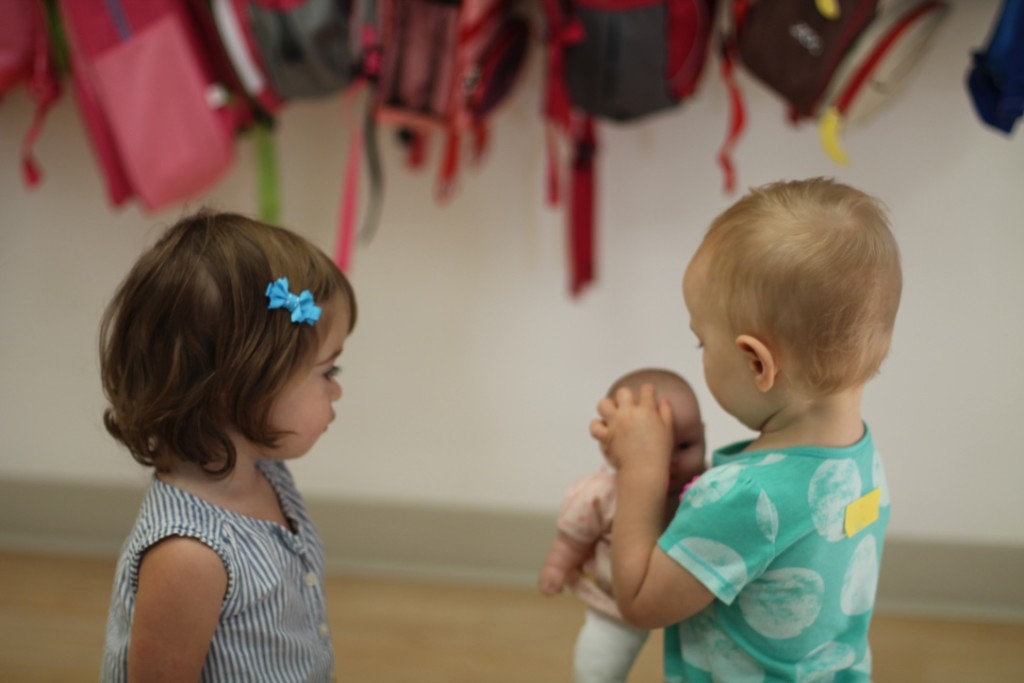
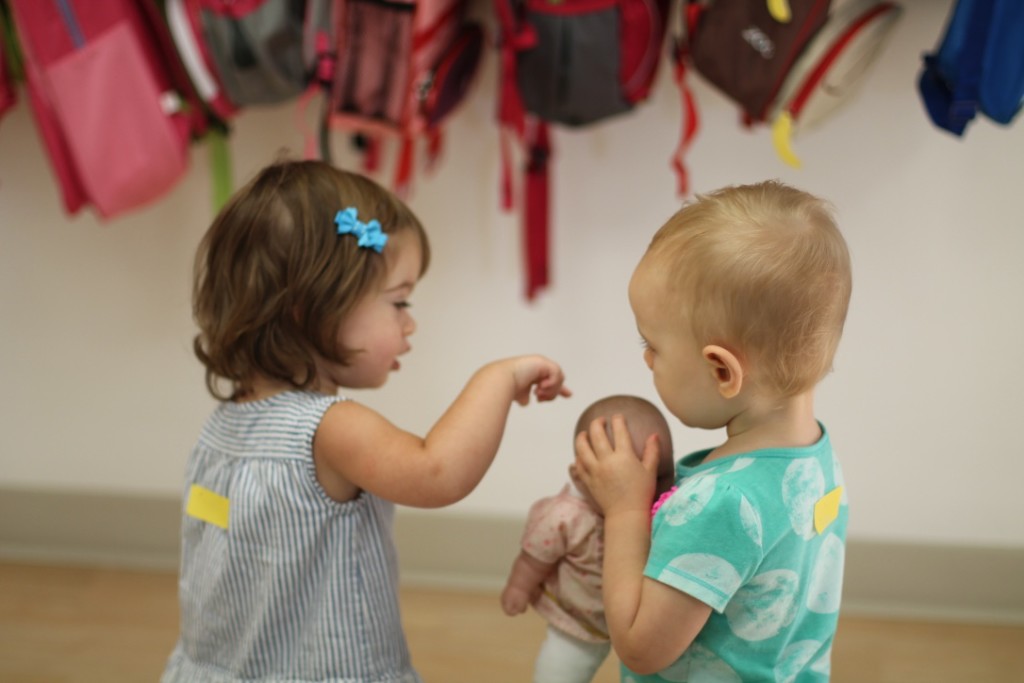
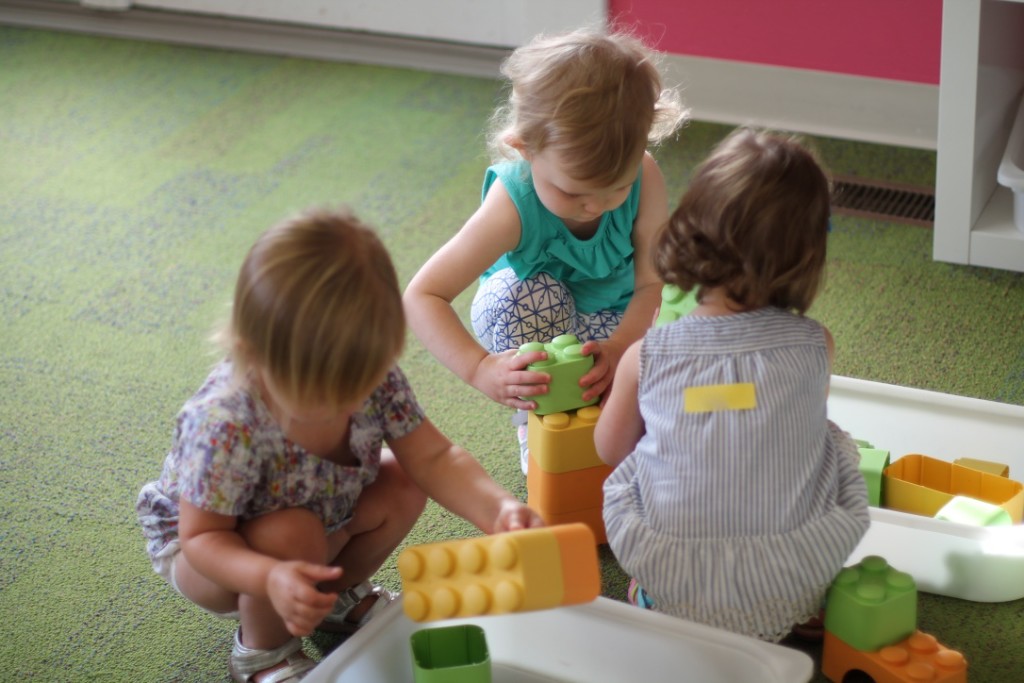
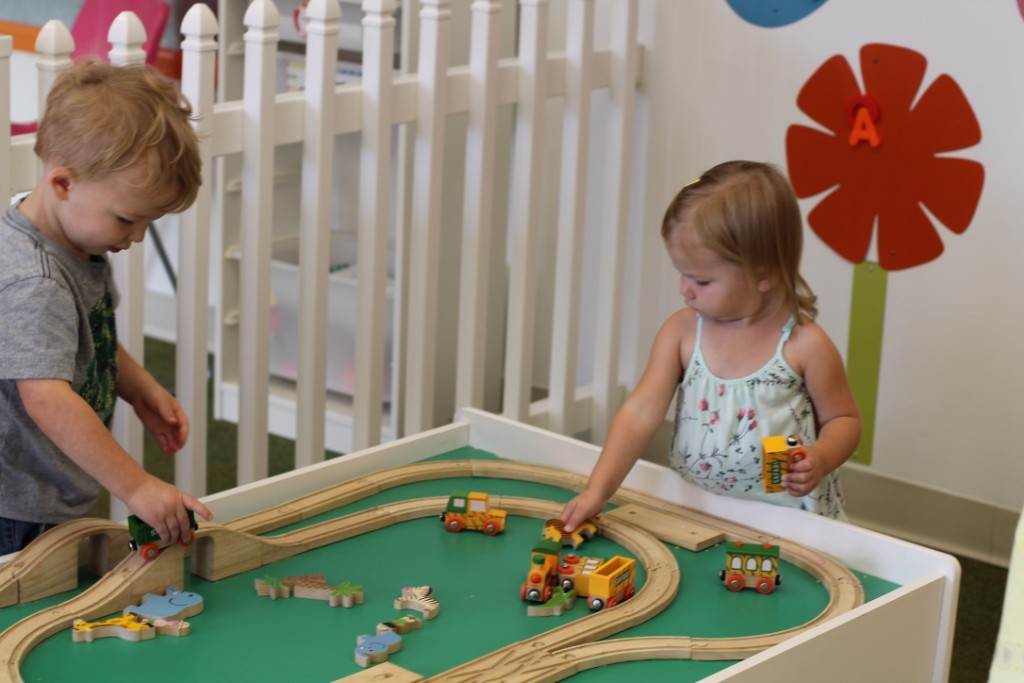
At around 18 months, there are notable changes in cognitive skills that help real friendships blossom. Toddlers become more consciously aware of herself and others. This stronger sense of self also helps the toddler become more aware of how other people feel. An emerging understanding of cause and effect helps the toddler to know that grabbing her friend’s shovel will make him cry. An equally new understanding of order and sequence gives the senior toddler the tools to begin to take turns.
These emerging thinking skills are embedded in the emotional life of the toddler who often struggles with urgent and sometimes volatile feelings. For instance, the 2-year-old’s strong push toward independence and autonomy might take the form of grabbing her friend’s shovel even though she knows her teacher won’t approve – and her friend will cry. The child’s need for feelings of control or power become focused on possessing that particular shovel, no matter what! How we intervene can make a difference in how the child learns to navigate the give and take of friendship. Give him/her the language so that she/he can label and express their needs. “You really want that shovel, but Nicholas is using it now. You can use it when he is finished. It is so hard to wait for something you really want.” Empathize with the toddler while you set clear social rules. You can offer an alternative toy but refrain from quickly distracting her. Give her a moment to think about how she is feeling and adapt to the demands that come with learning how to play with other children. Sometimes 2-year-olds who are having a conflict can work things out themselves, so wait that extra moment before moving in.
Developing friendships depends on the toddler’s growing ability to regulate or control herself. A friendship between two toddlers can be very intimate and meaningful, especially when they are together each day.
source: Ages and Stages: How Children Build Friendships
Creative Tots has specialized in the private education of both toddlers and preschool age children for over 15 years. We began in the heart of Madeira and now also have a new Mason location. We are specifically designed to focus on early childhood development for children ages 18 months to 5 years.

Click below to learn more about our program offerings: