Our PreSchool Blog

Follow Along!
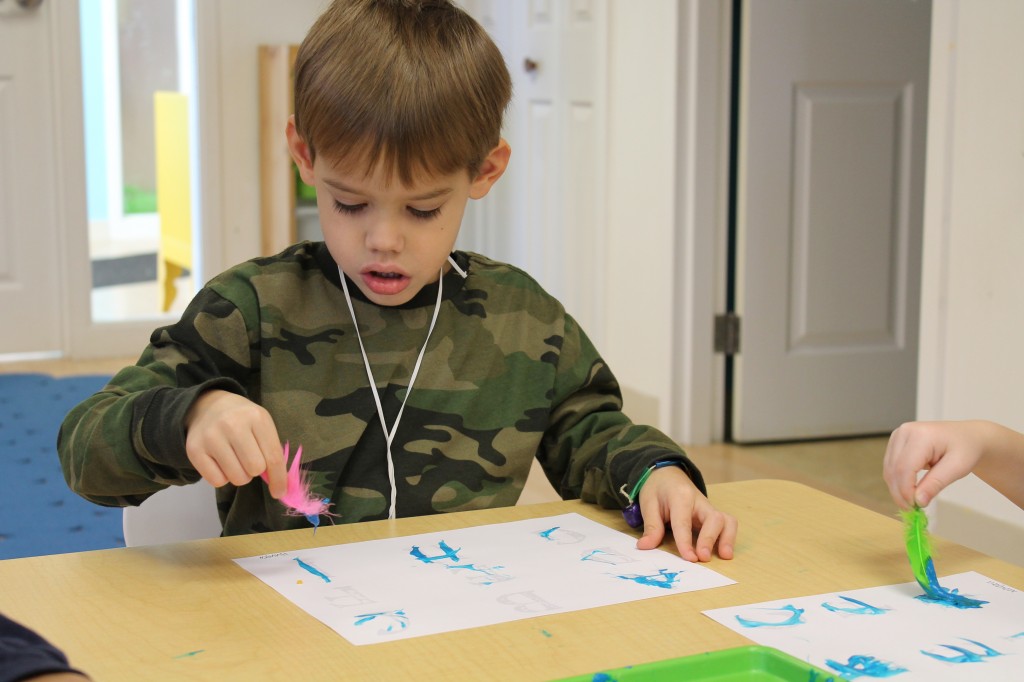
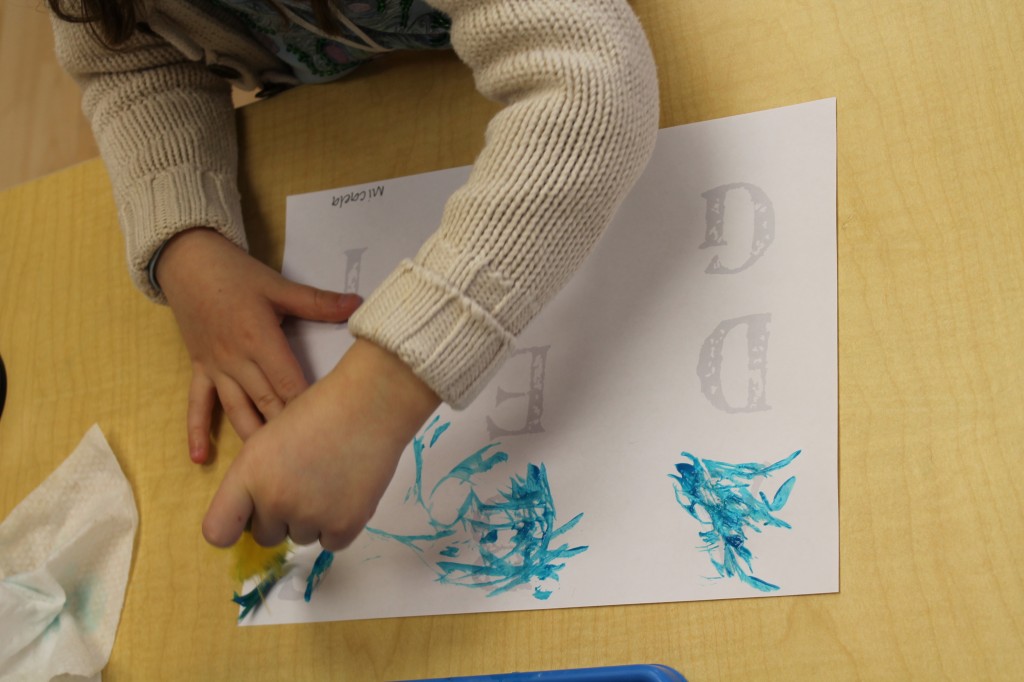
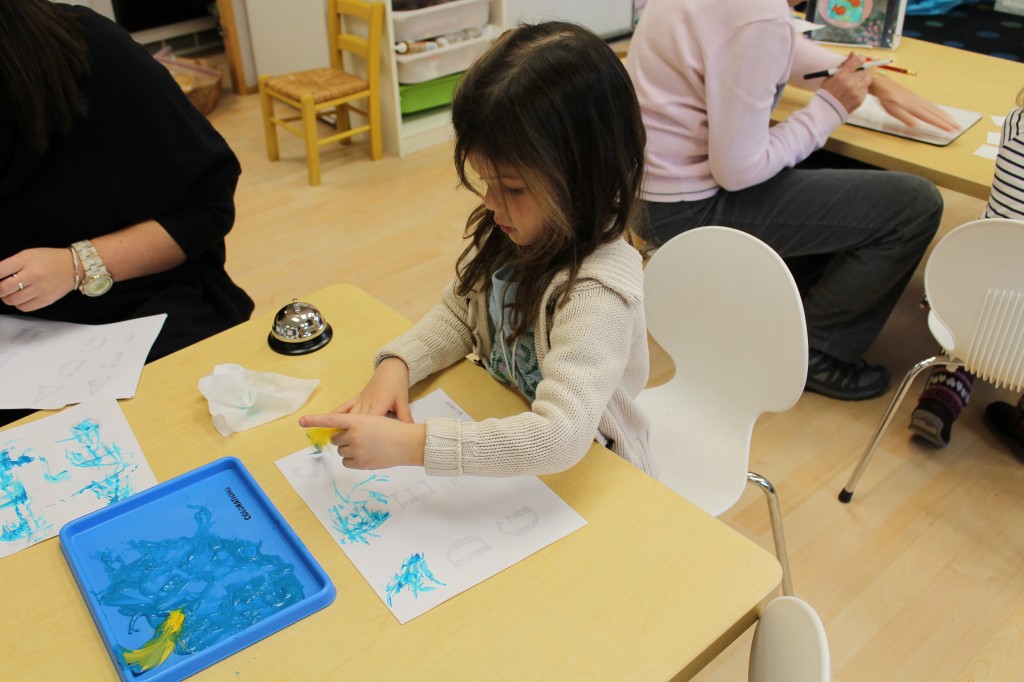
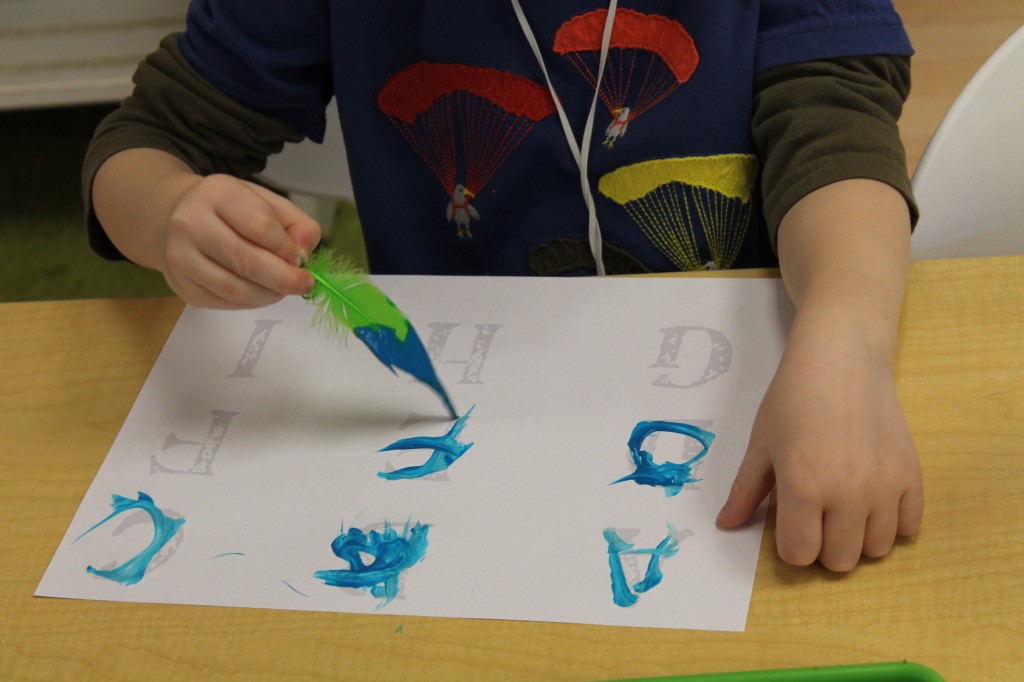
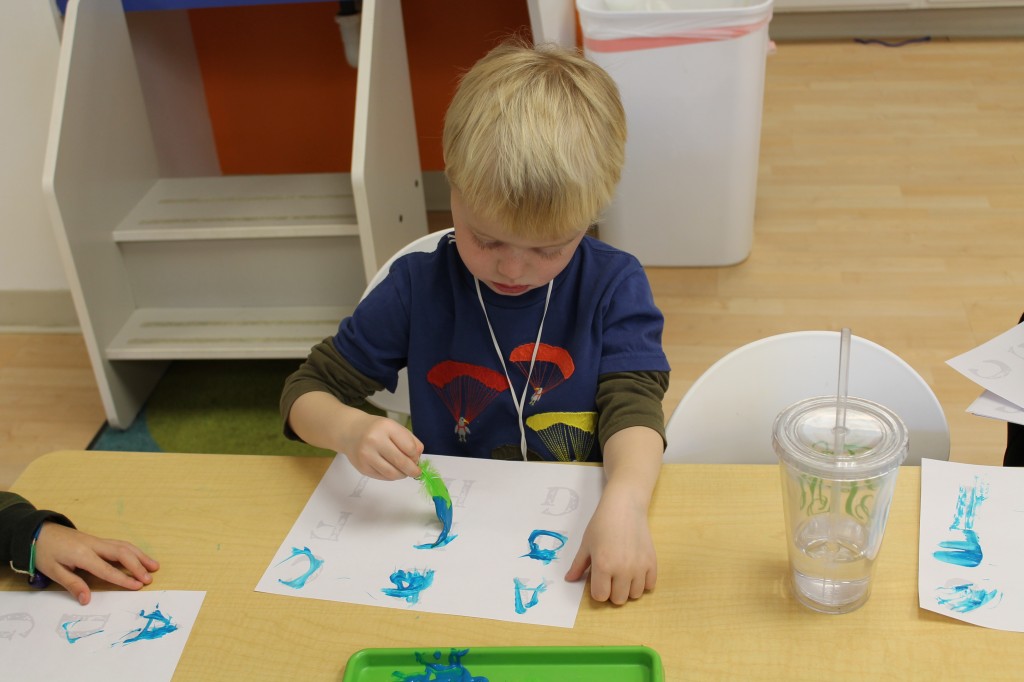
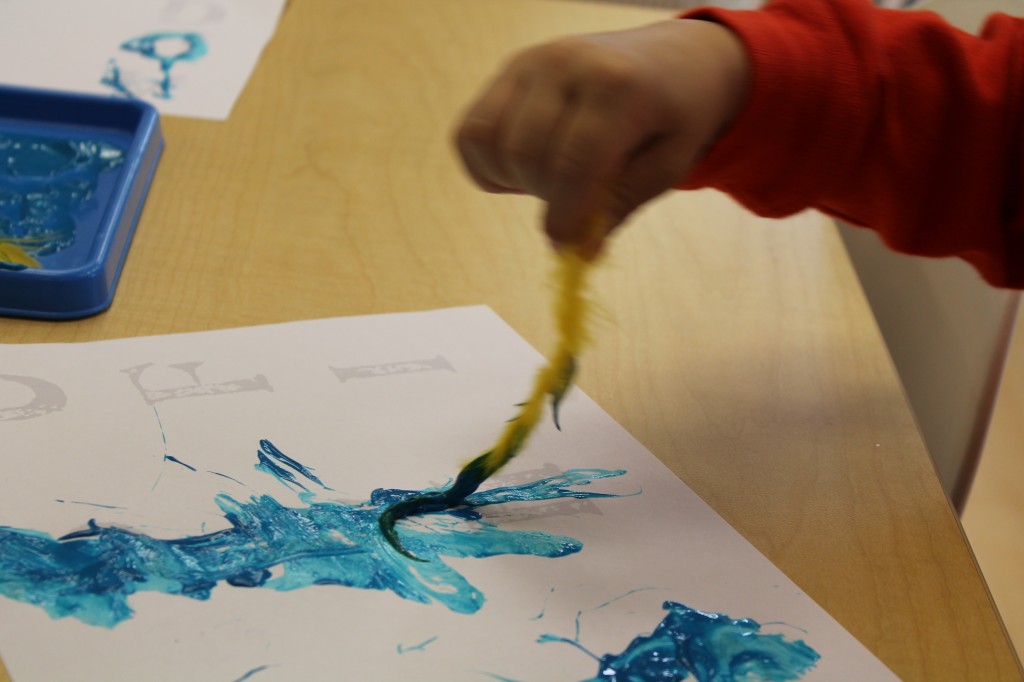
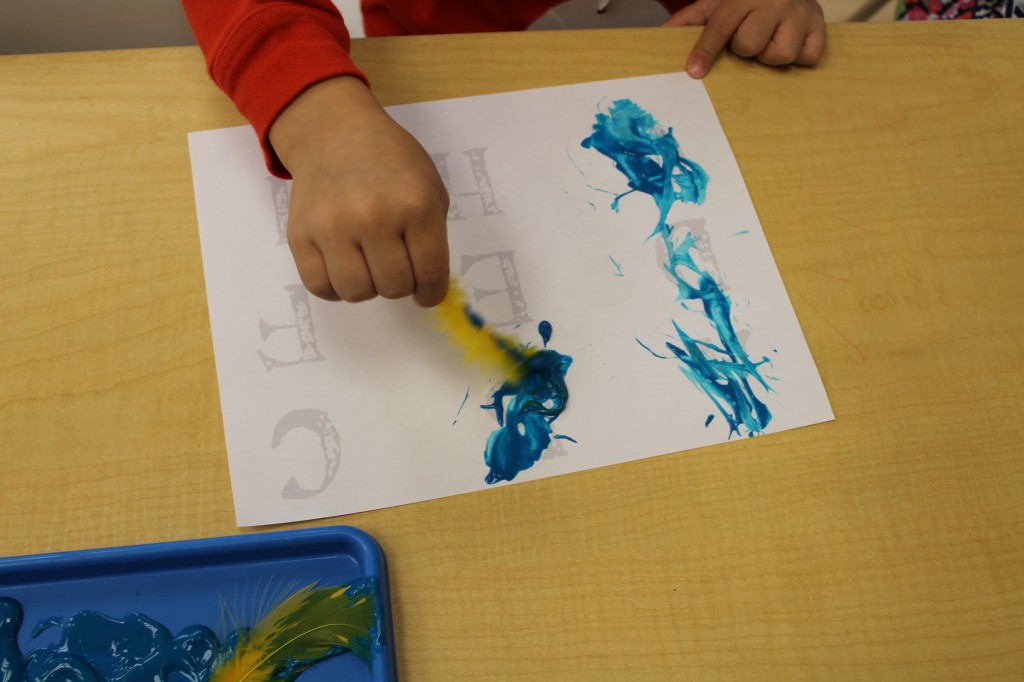
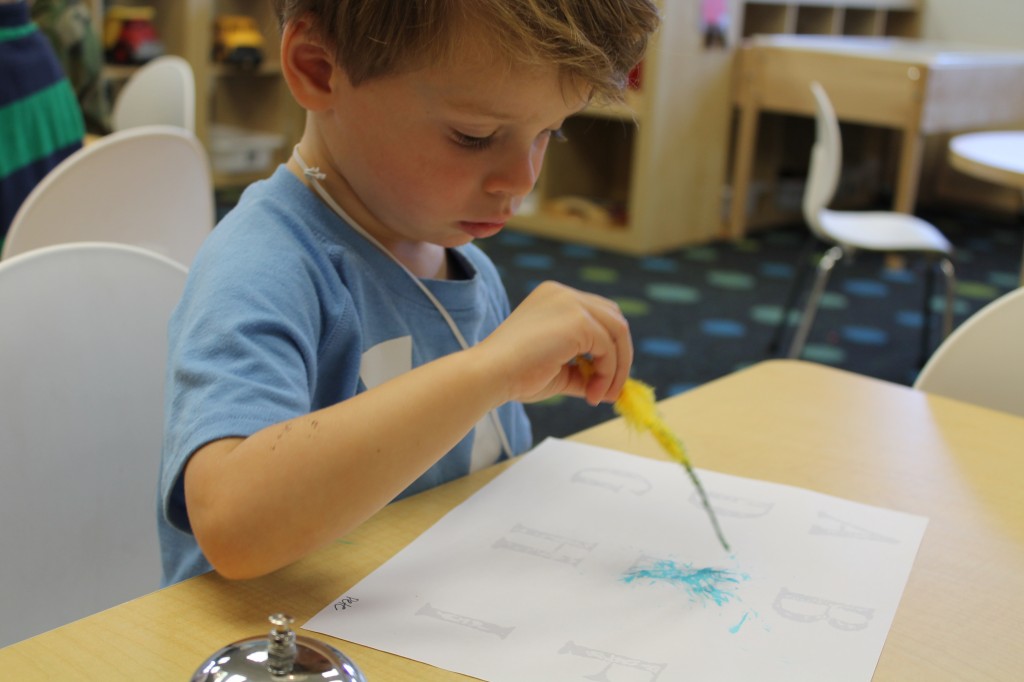
  • Sensory Experience: Tracing with Feathers

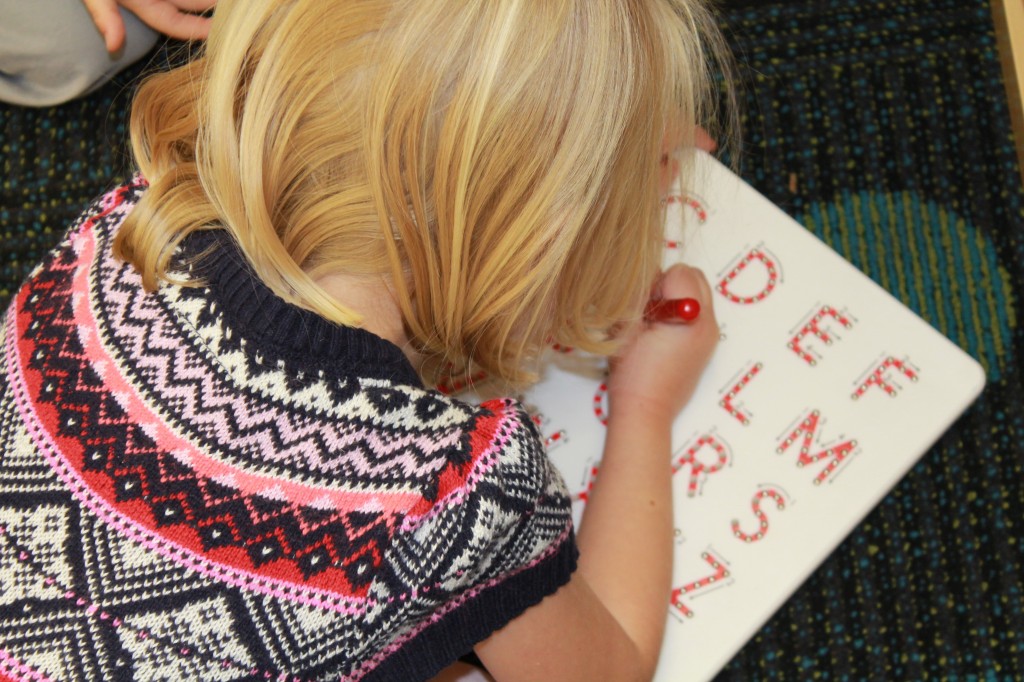
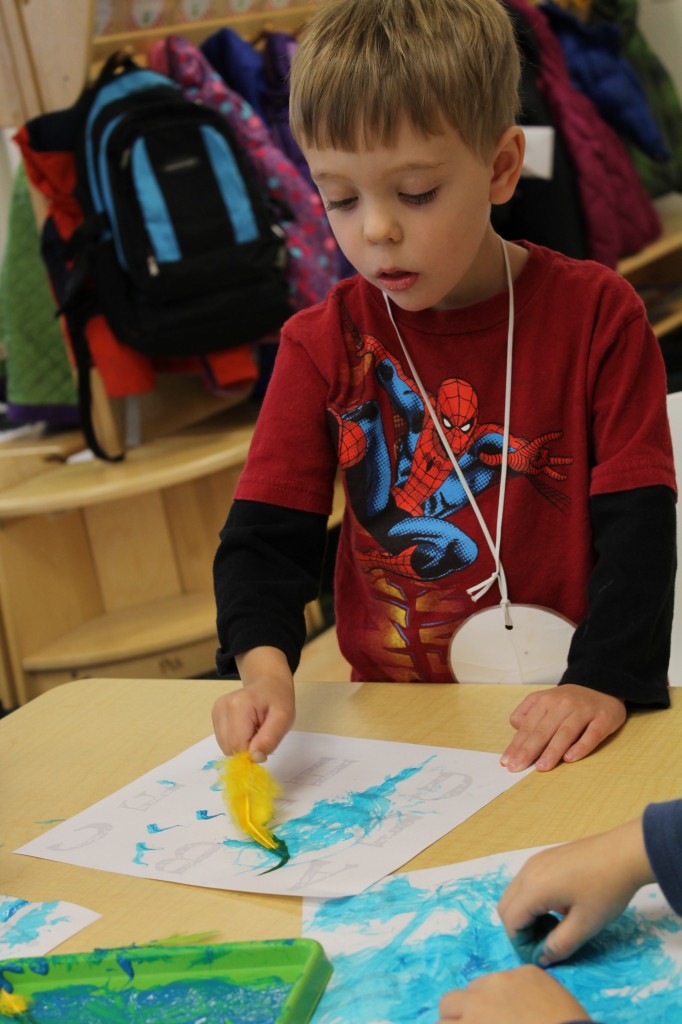
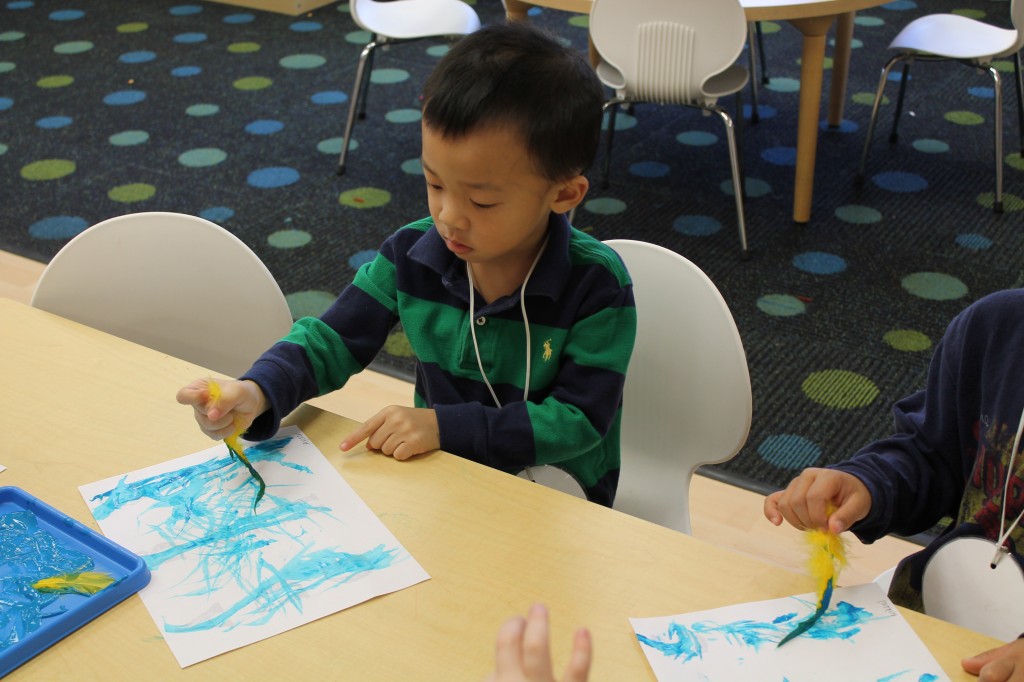
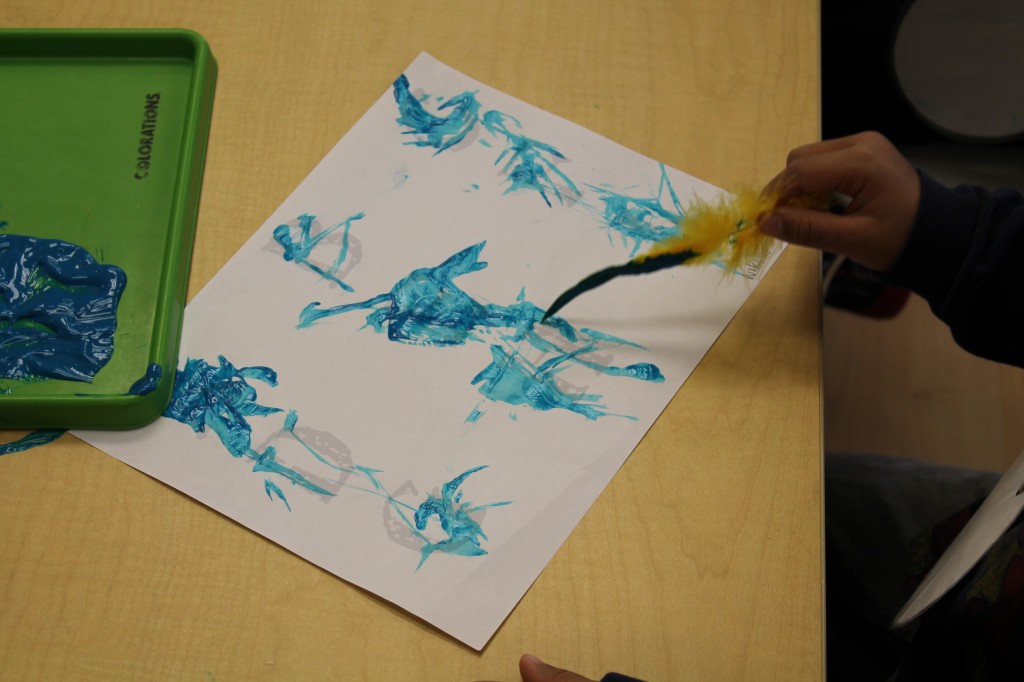
    The preschoolers worked on letter recognition and letter sounds while strengthening their fine motor muscles today. As we traced each letter we dipped our feather in paint, sang our letter sounds song, and traced over the letters. What a fun way to practice so many skills!

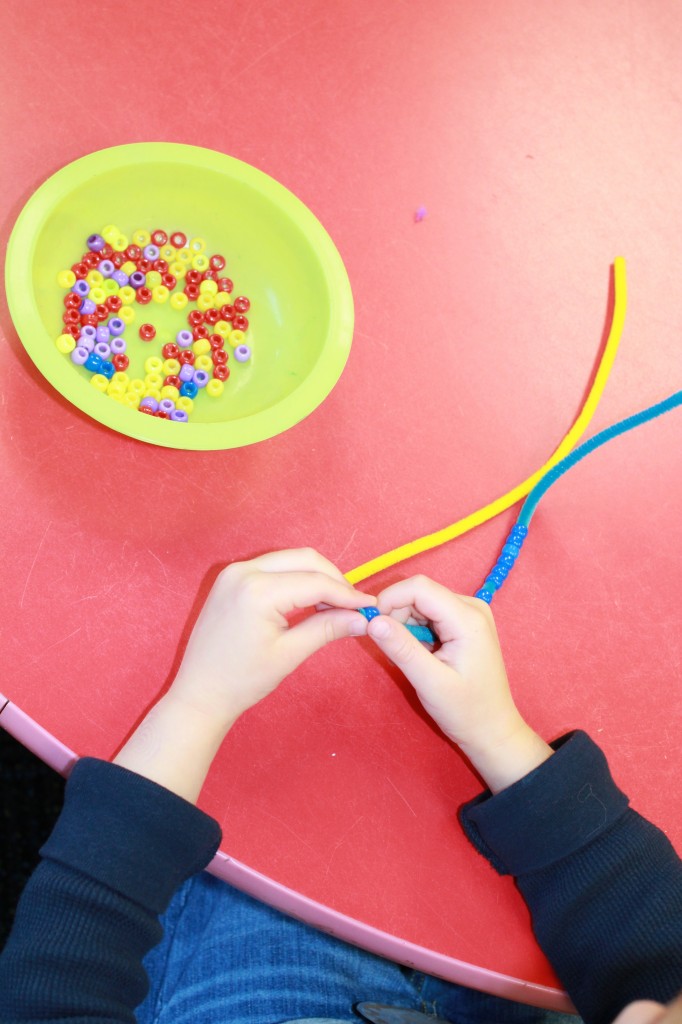
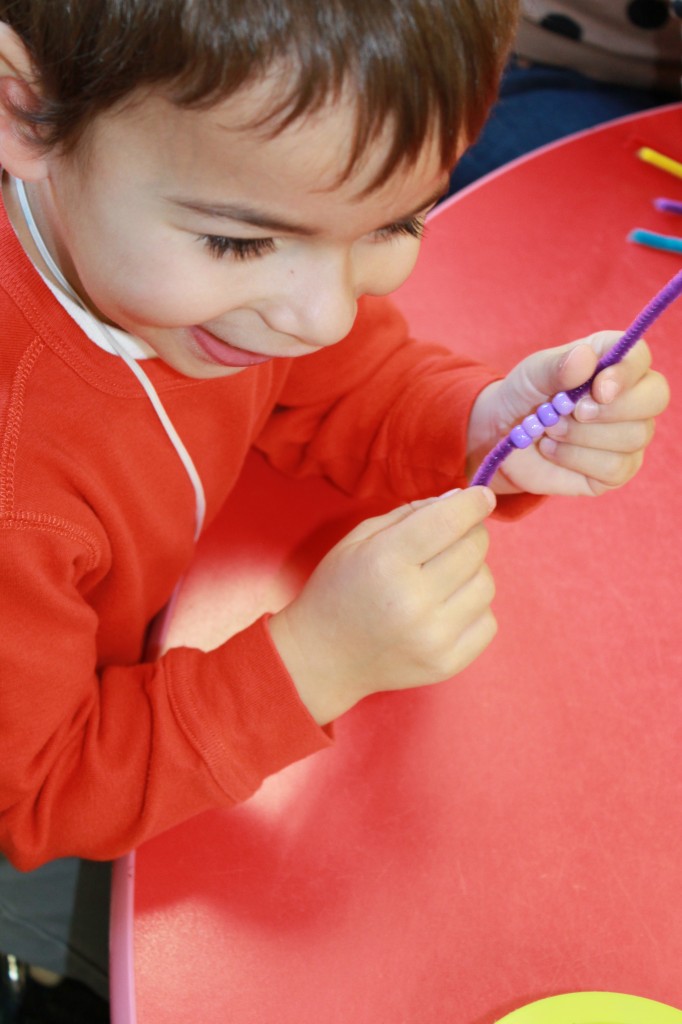
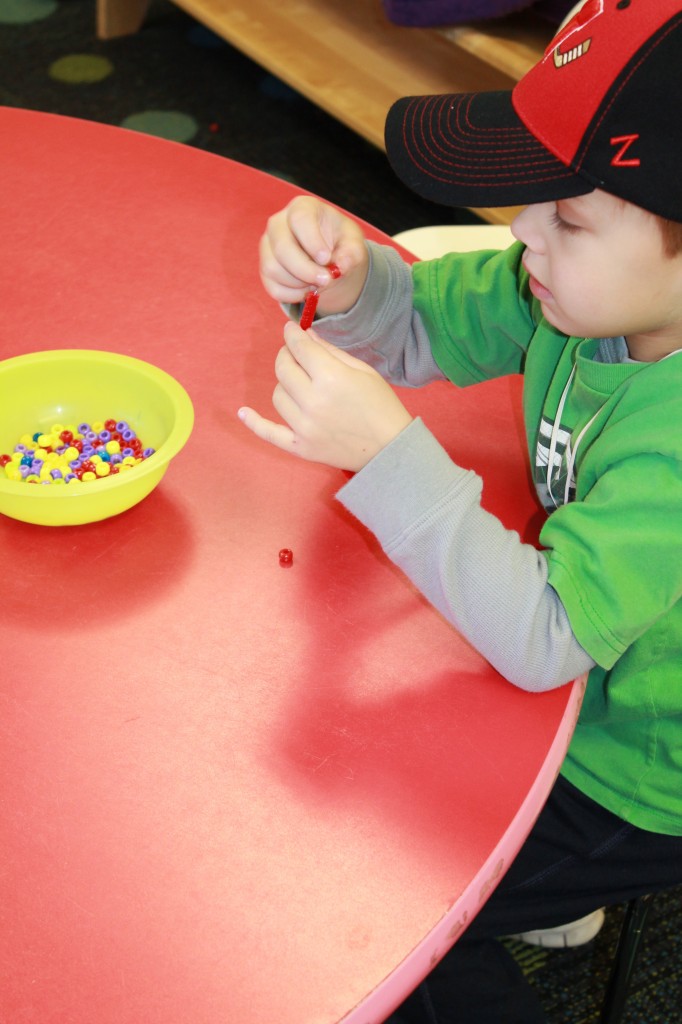
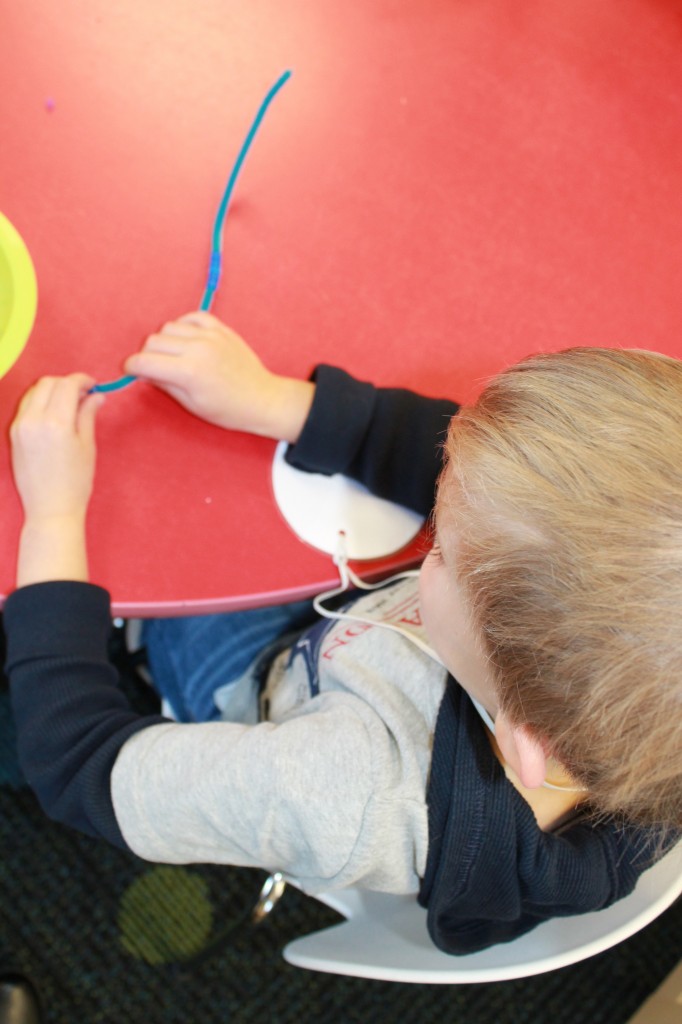
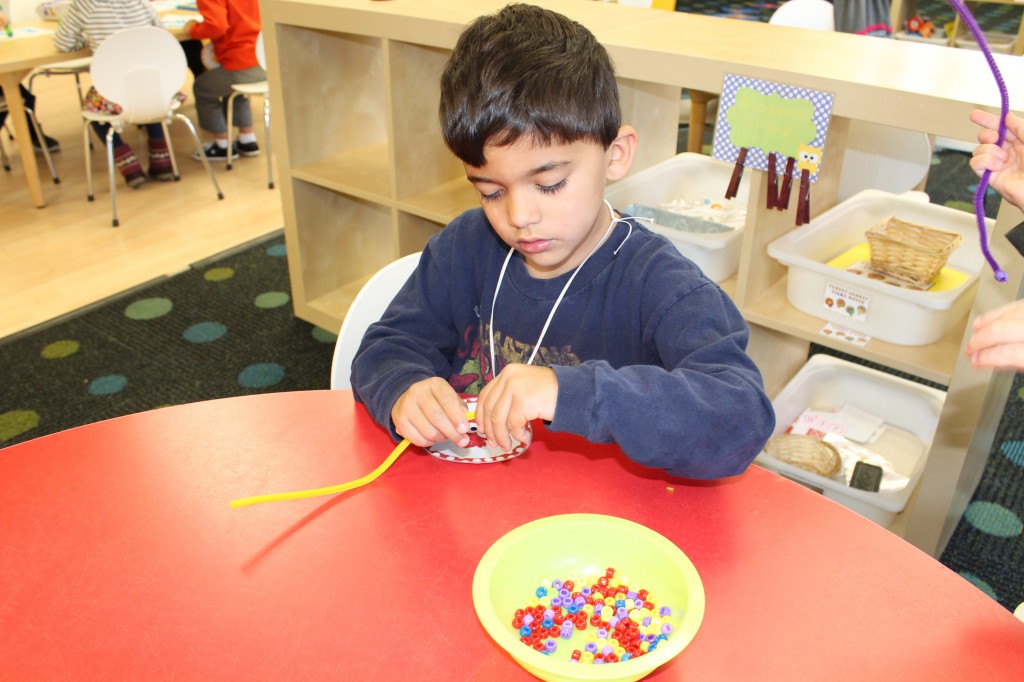
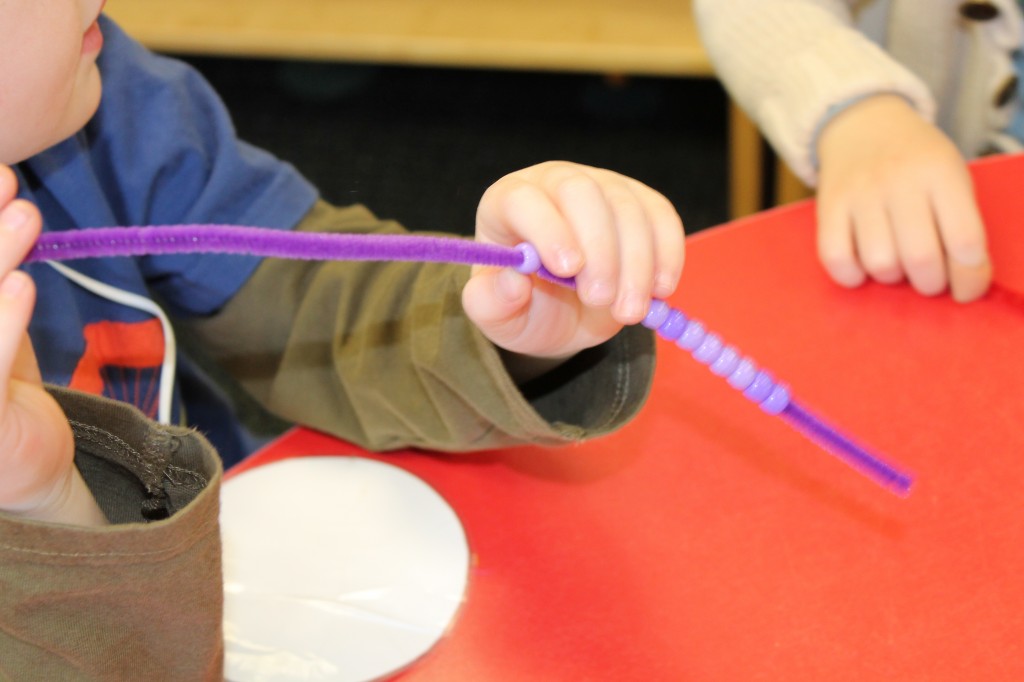
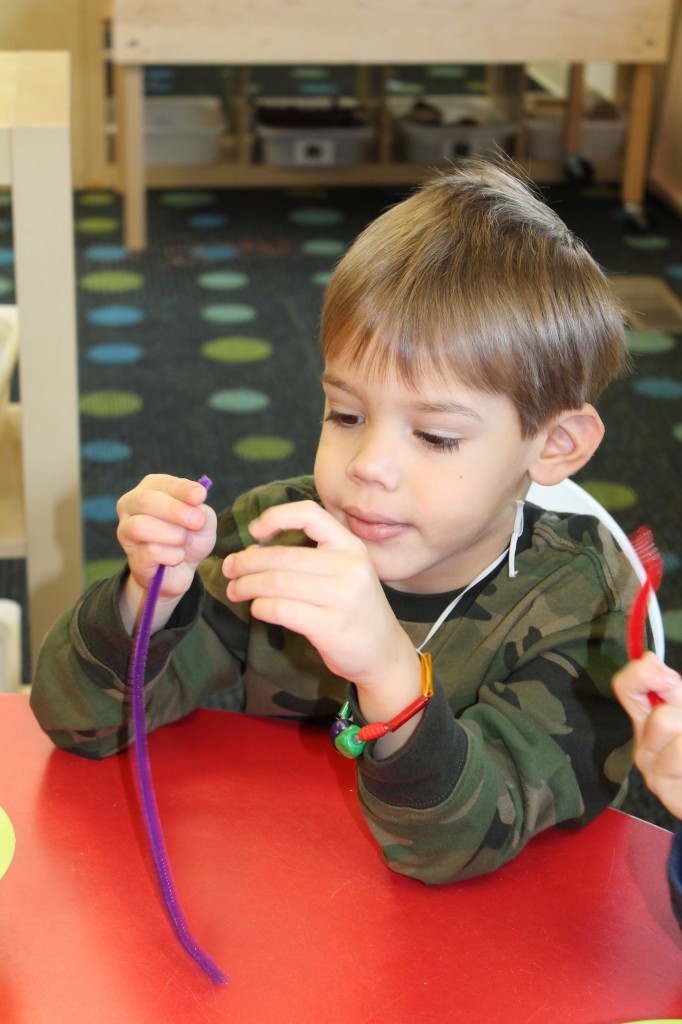
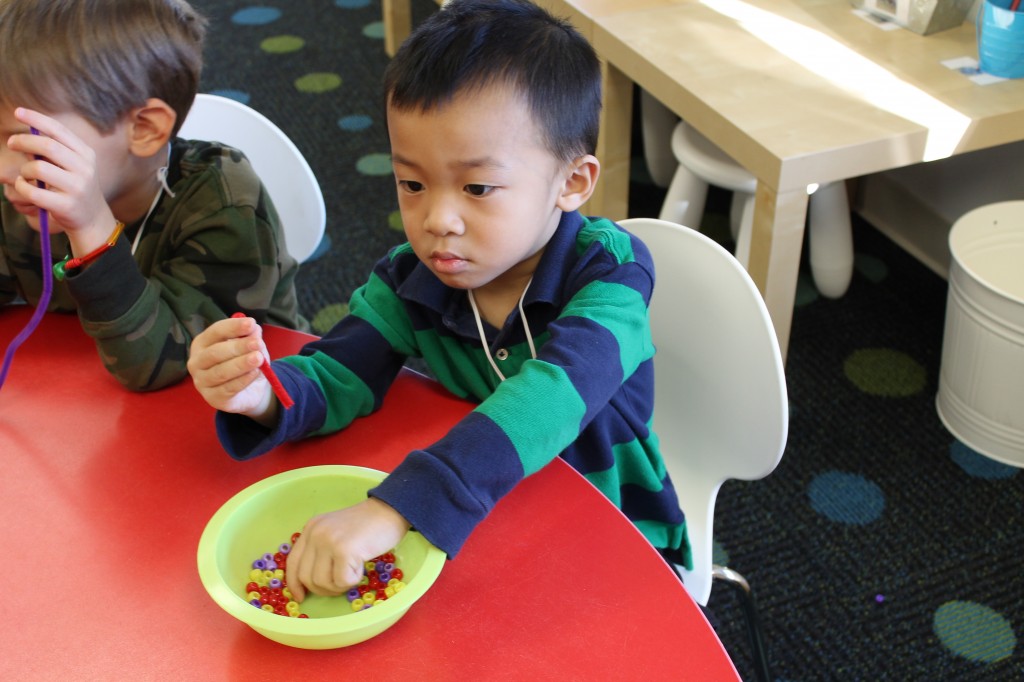
  • Fine Motor Development: Color Match Beads/Pipe Cleaners

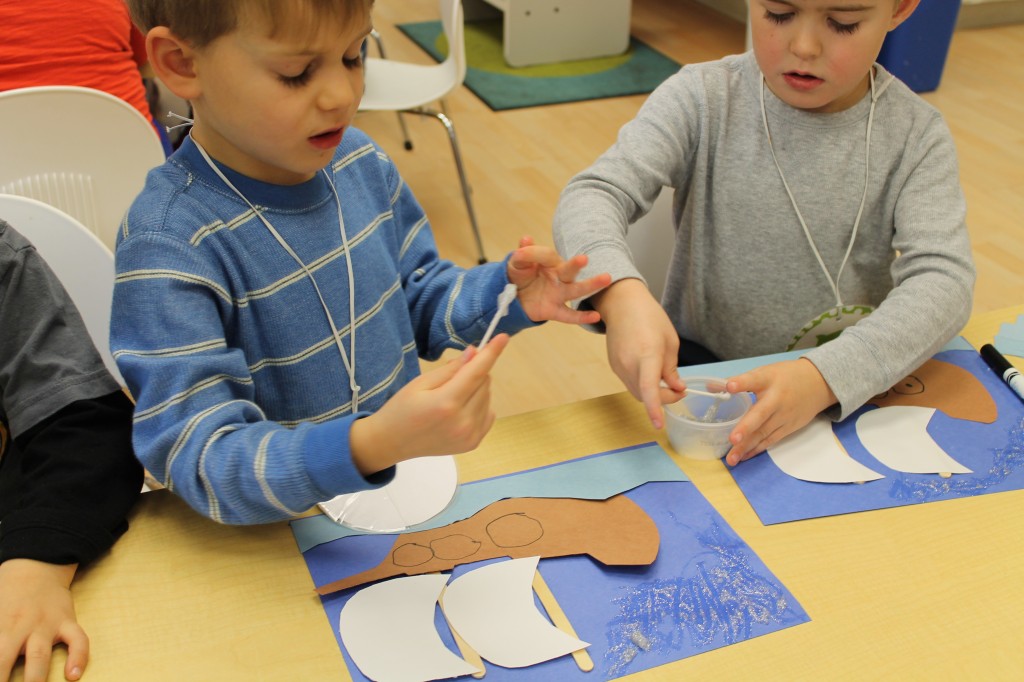
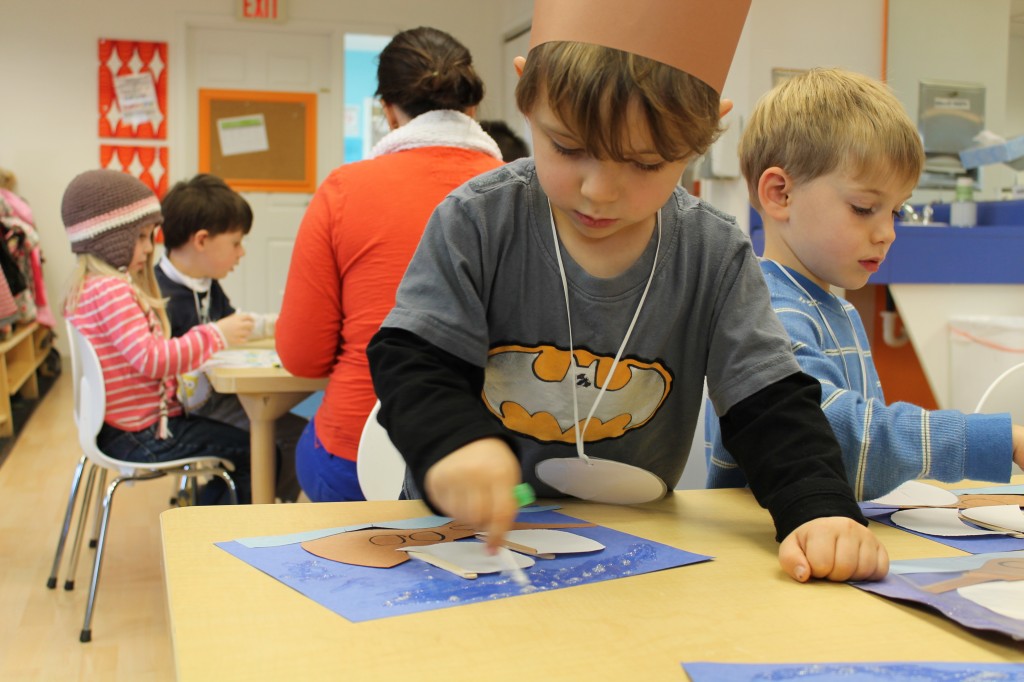
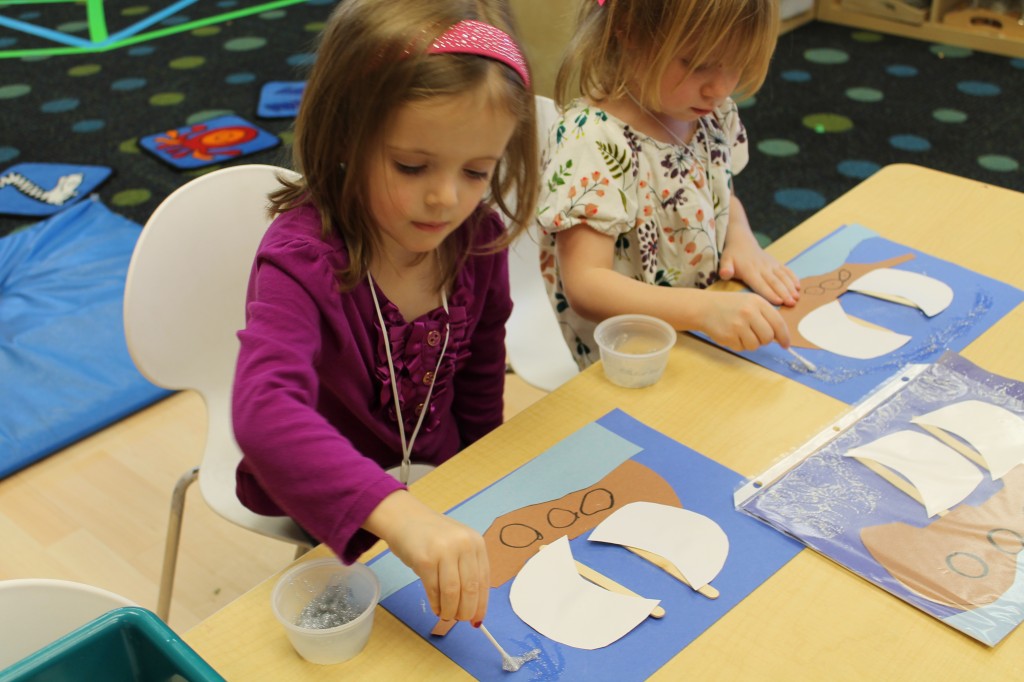
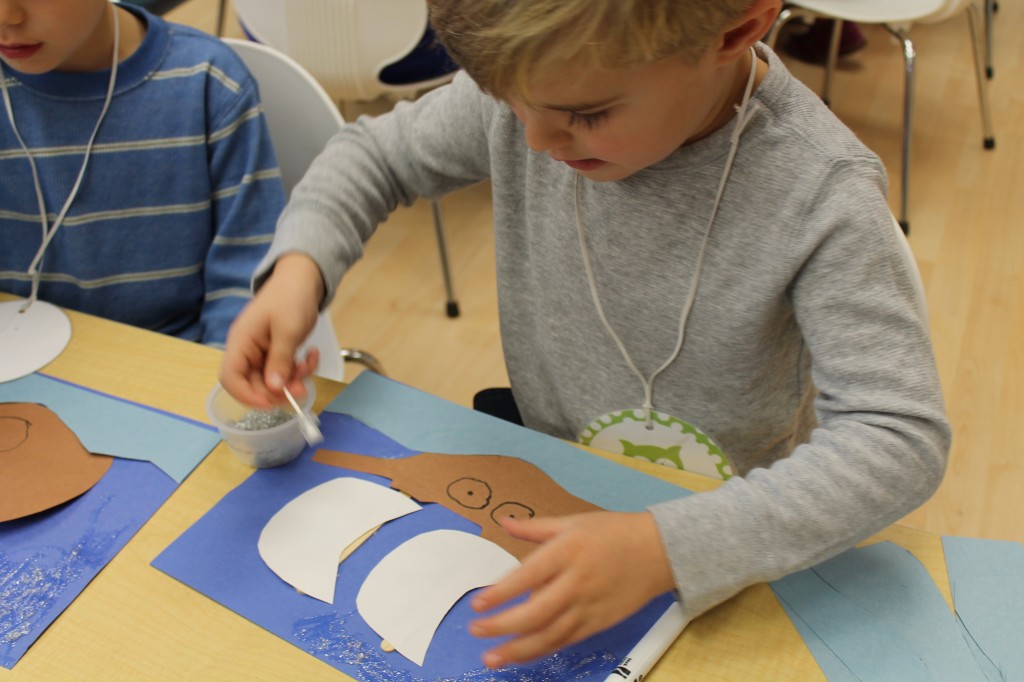
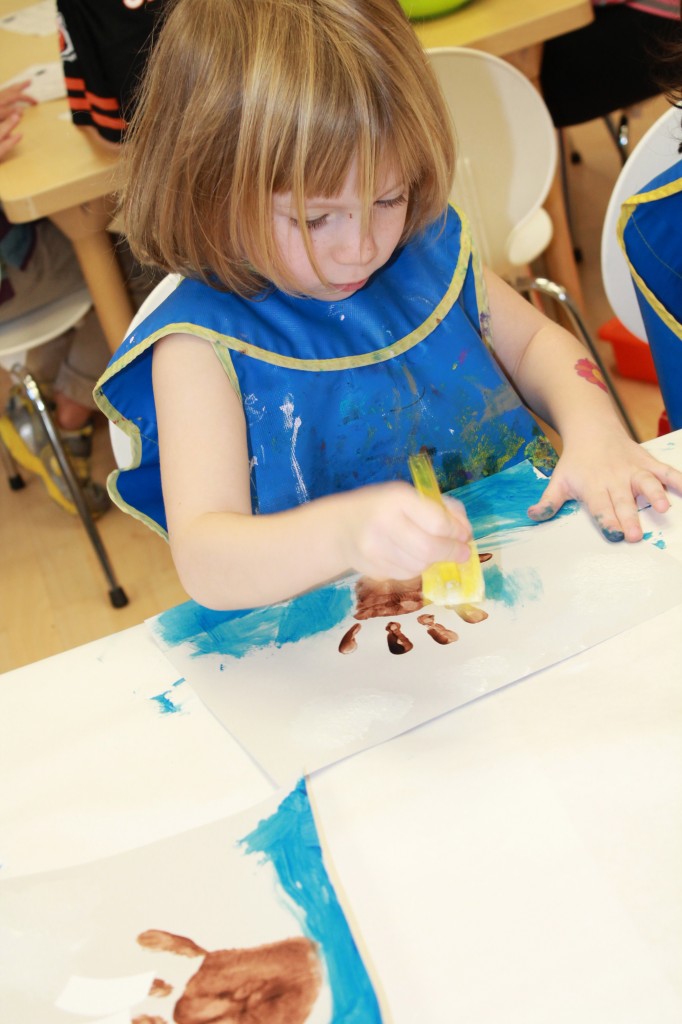
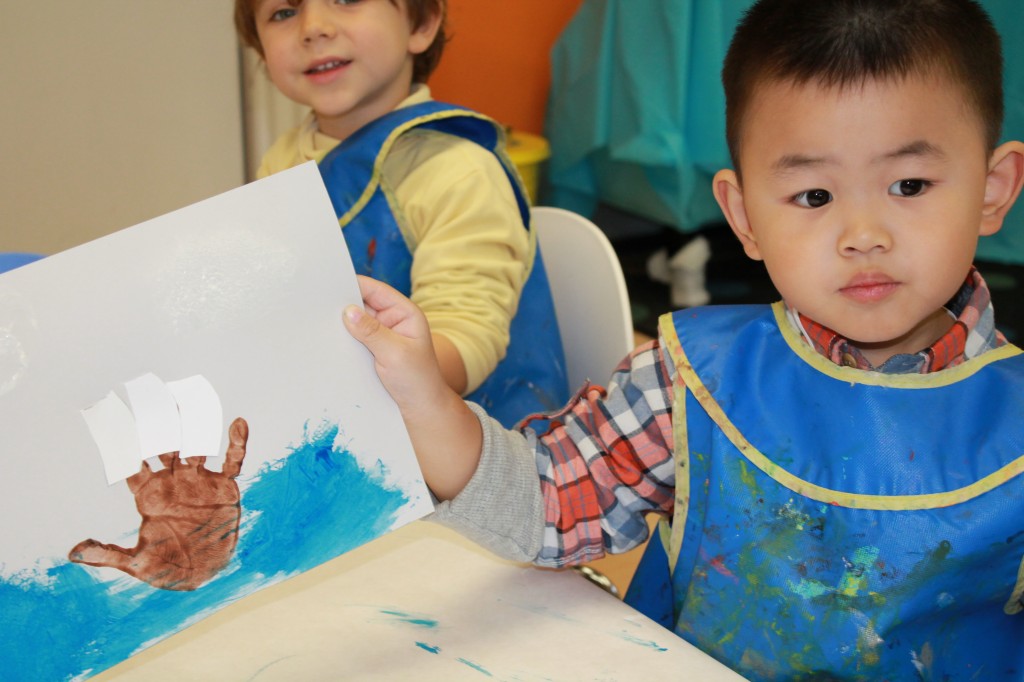
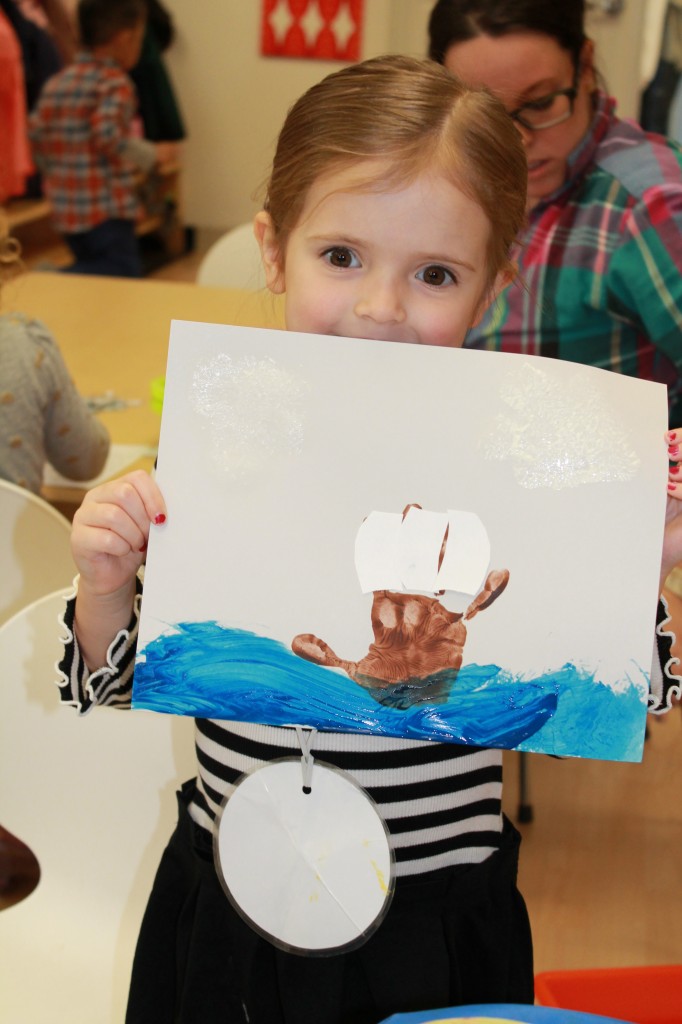
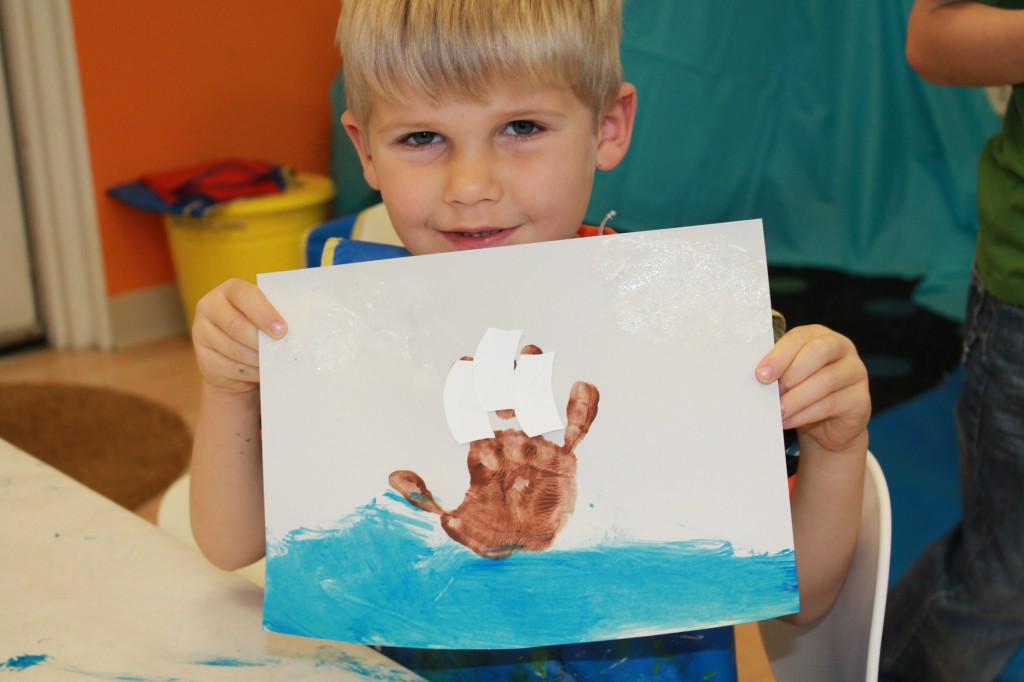
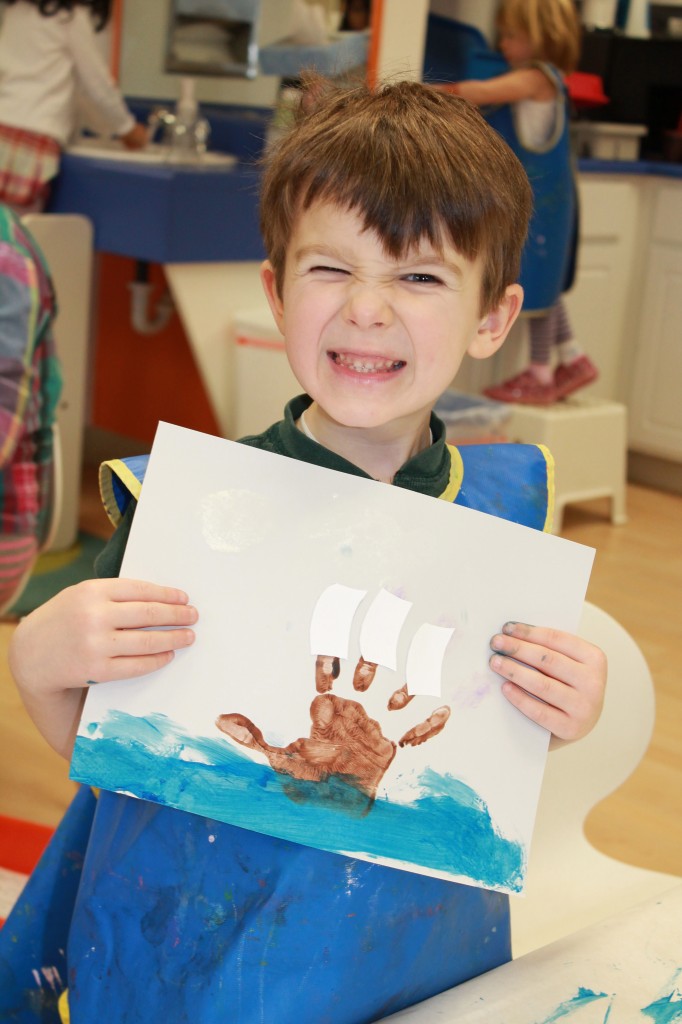
  • Mayflower Voyage

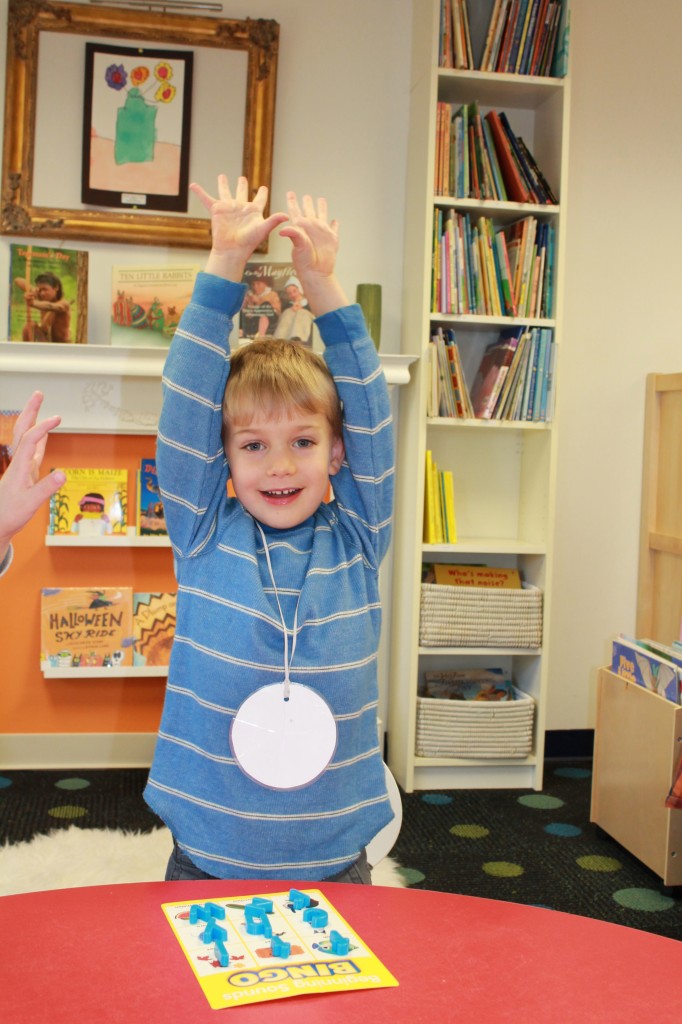
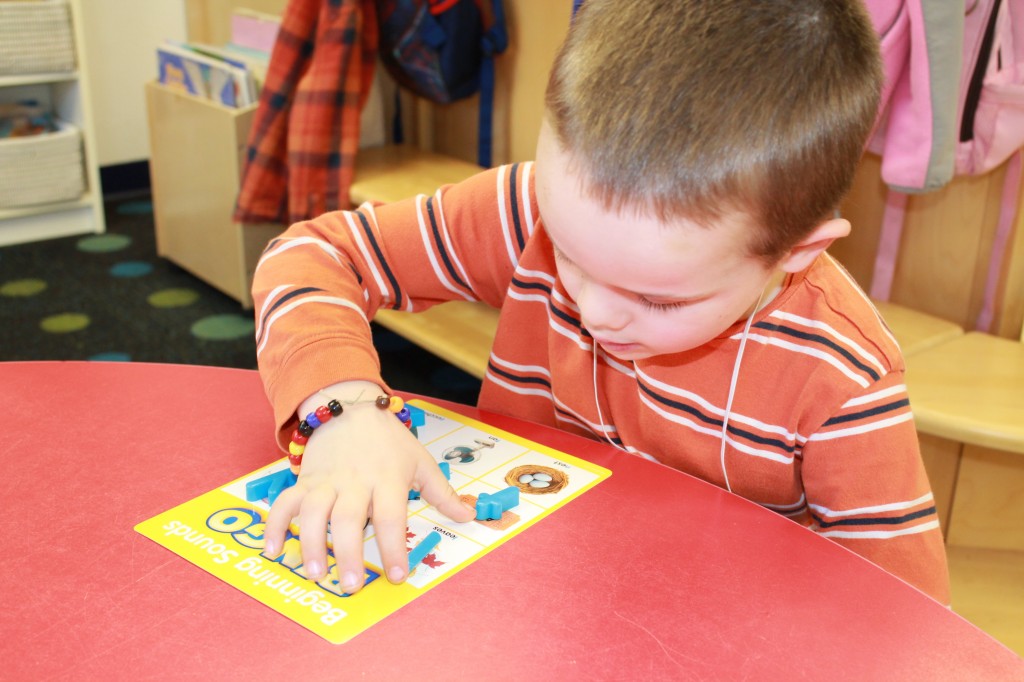
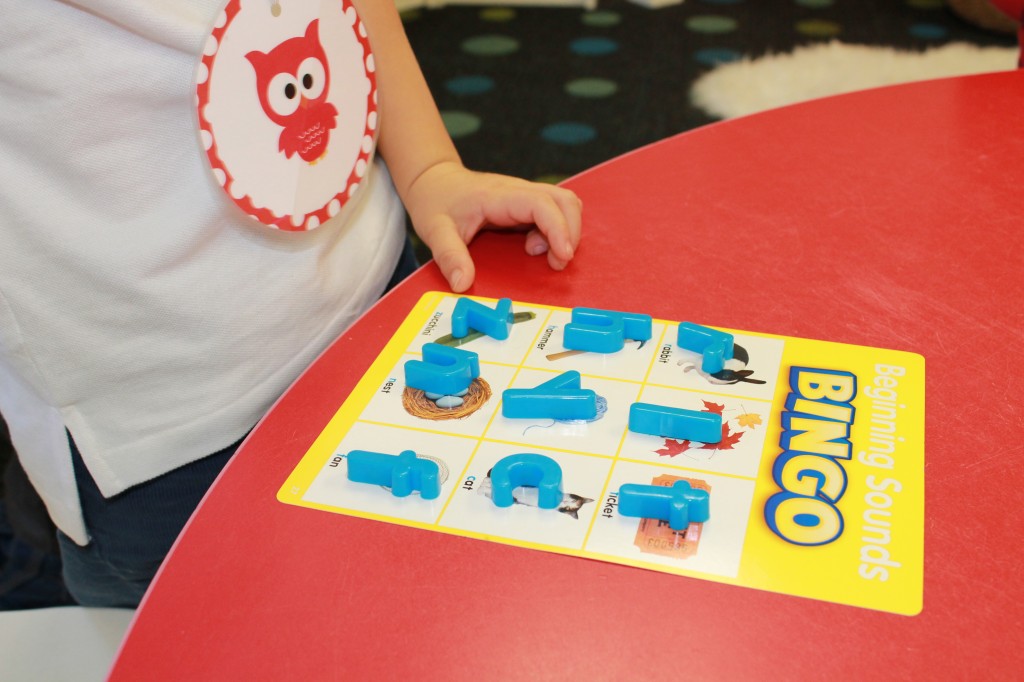
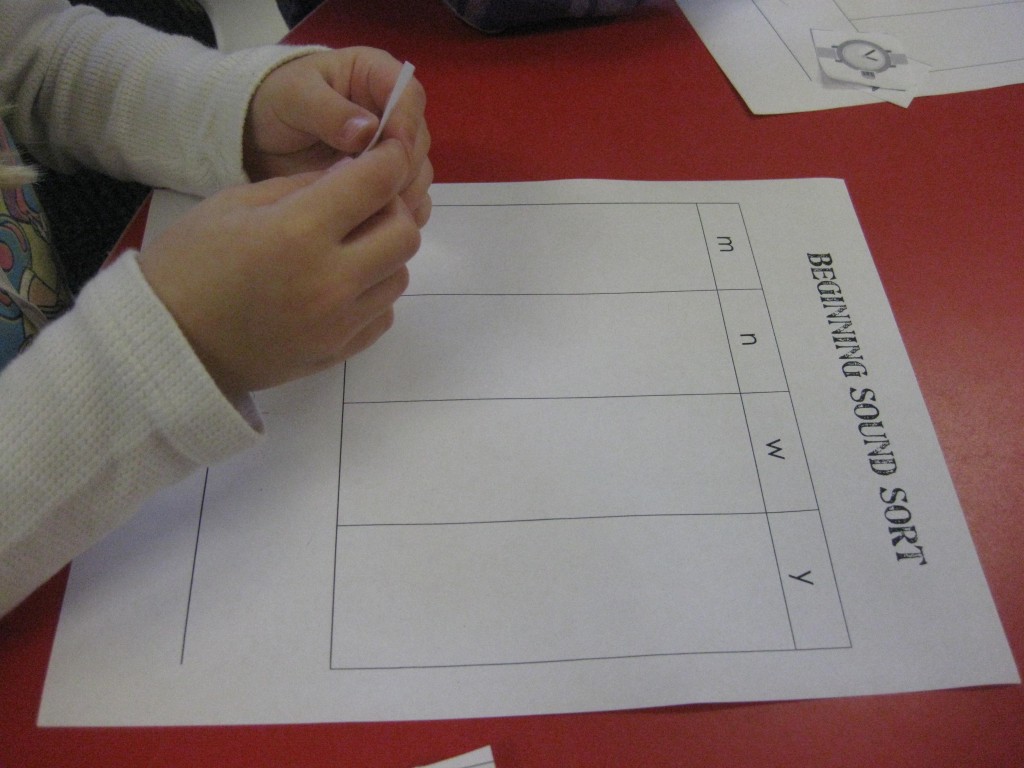
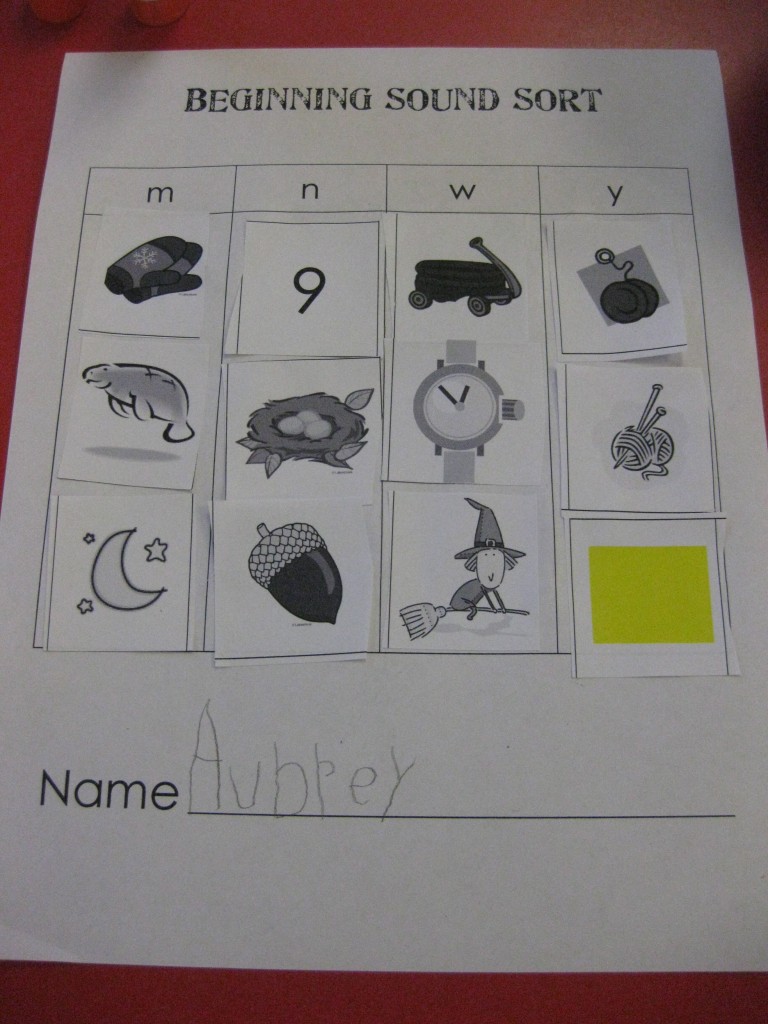
  • Phonics Study: Initial Sound Hunt

    BINGO!

  • The Preschool Flip

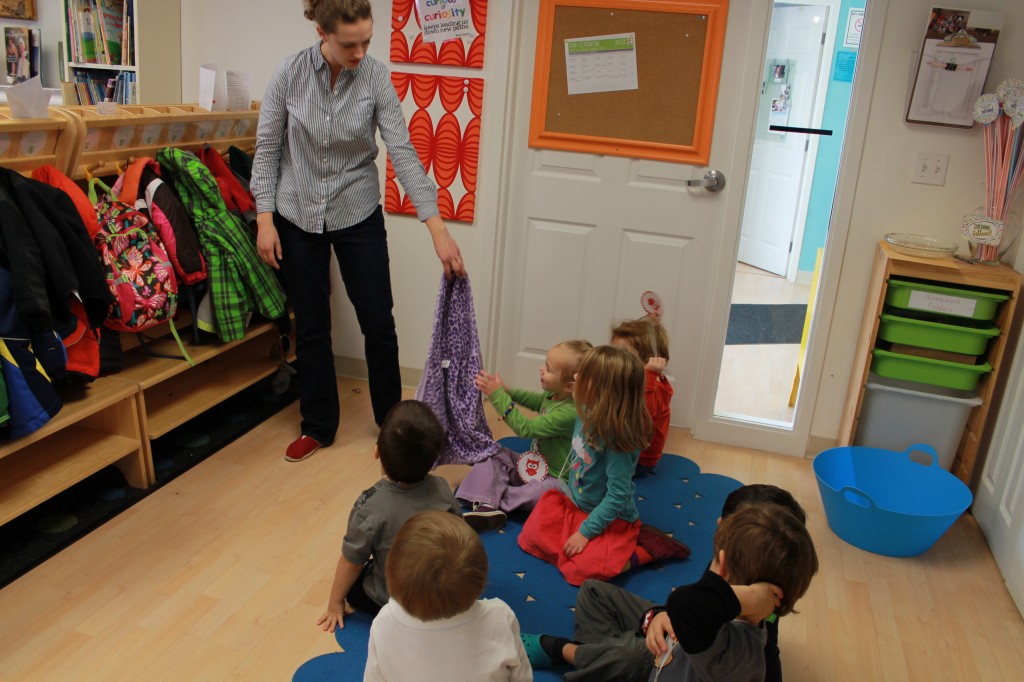
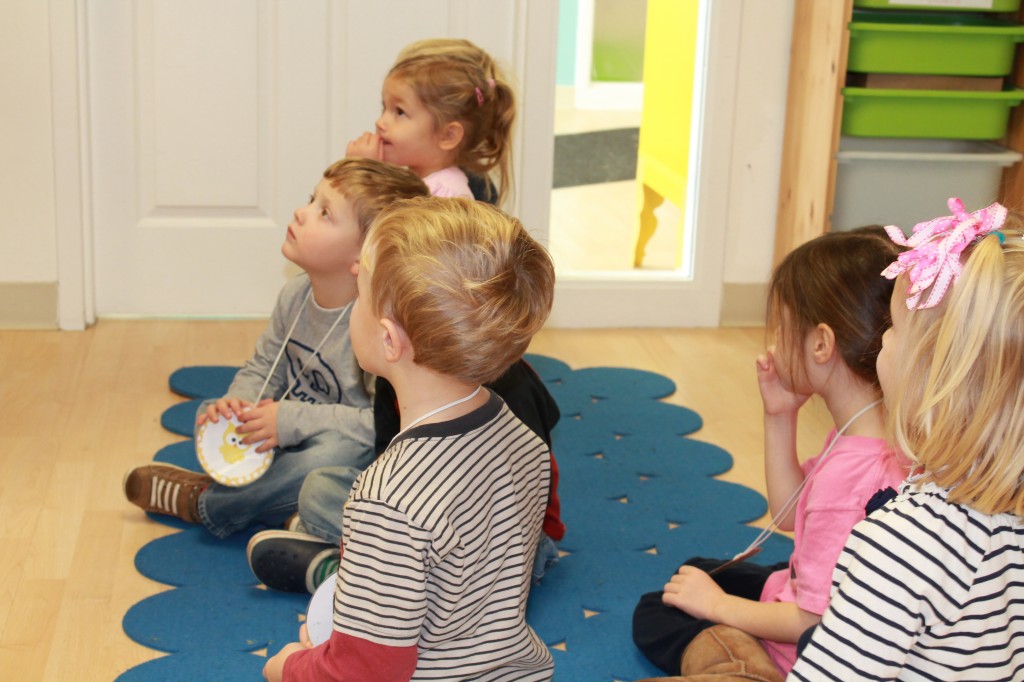
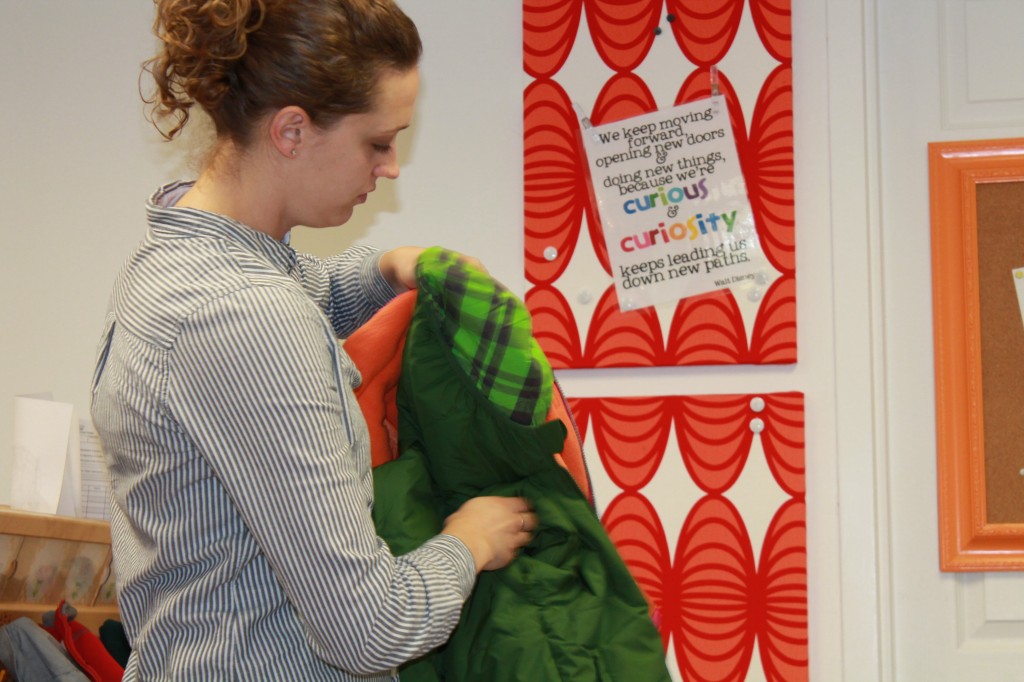
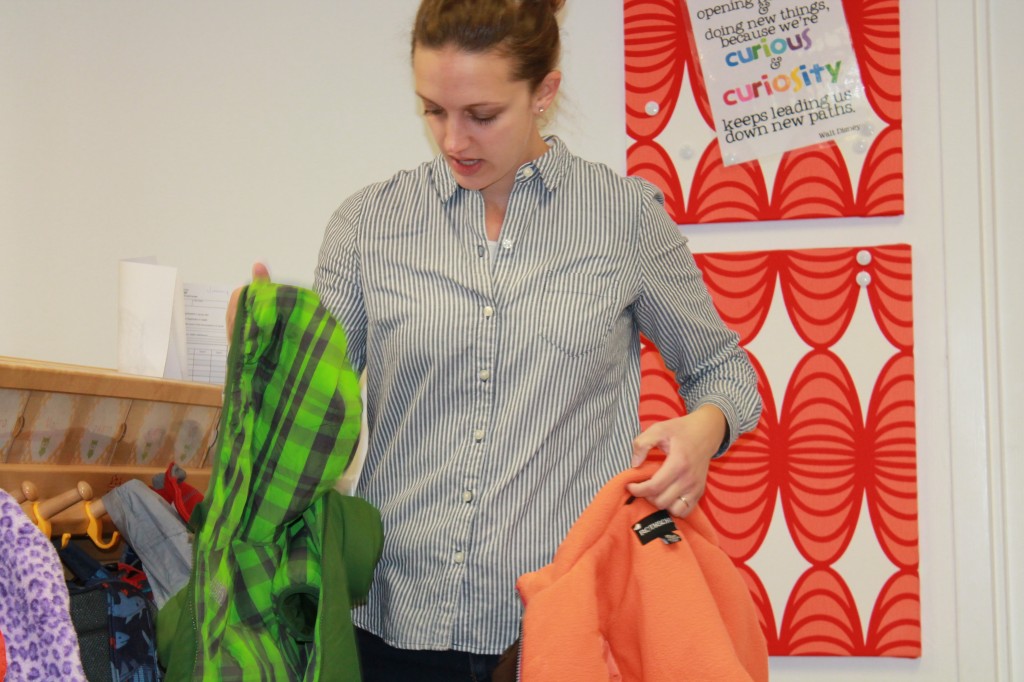
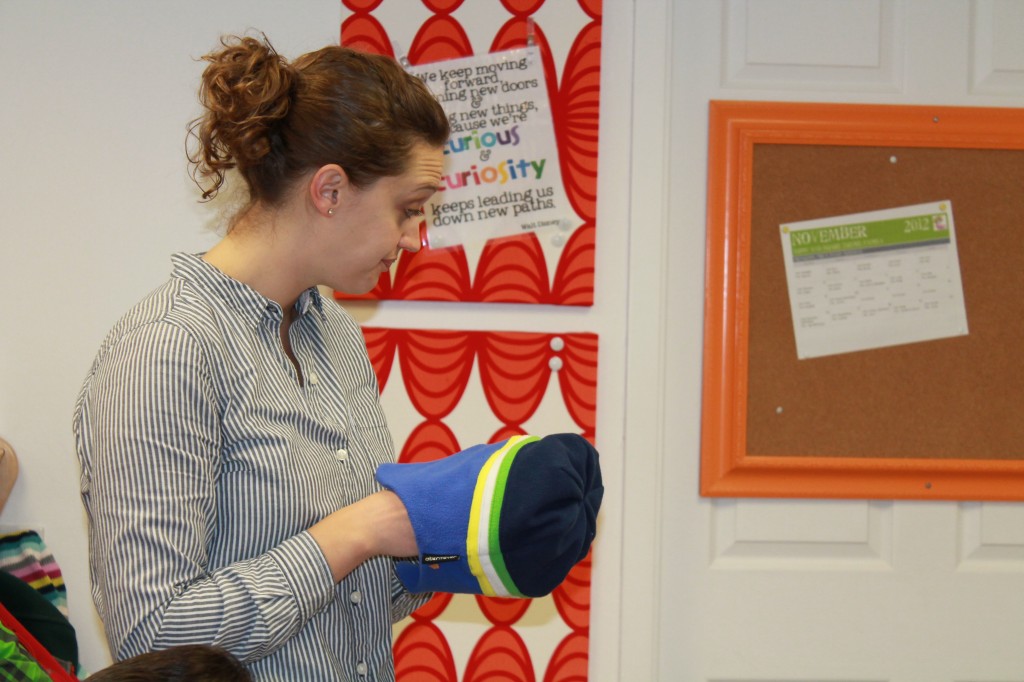
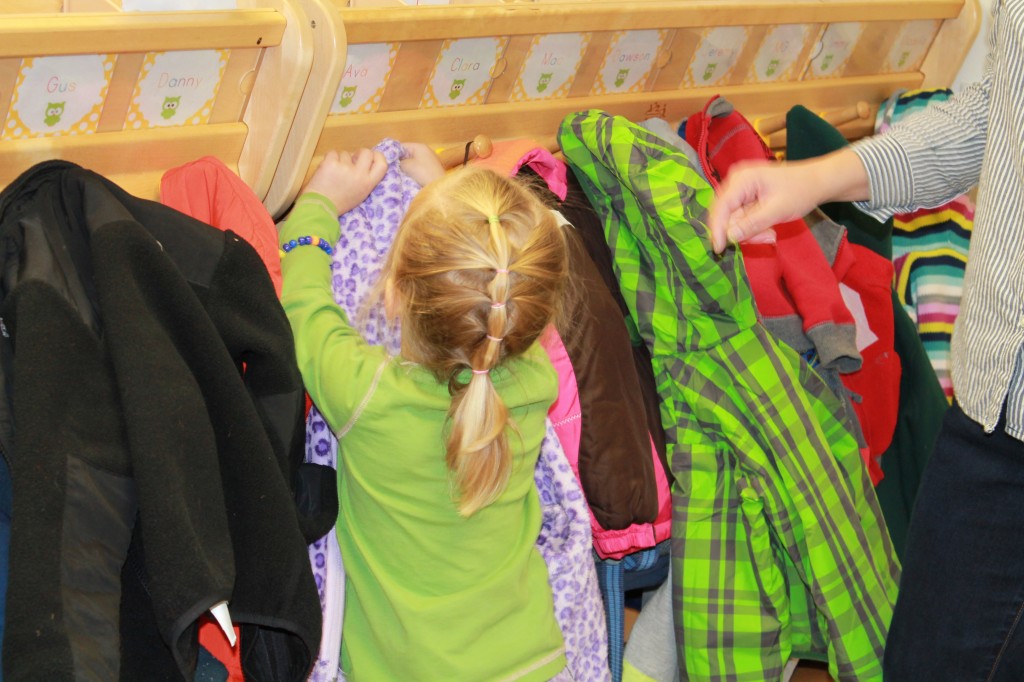
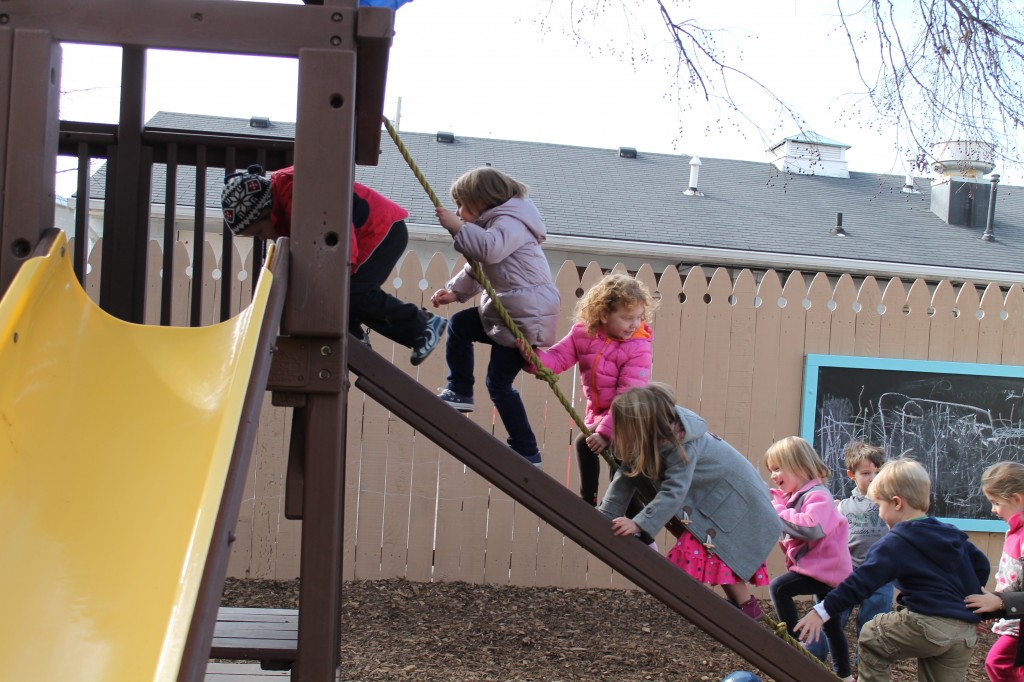
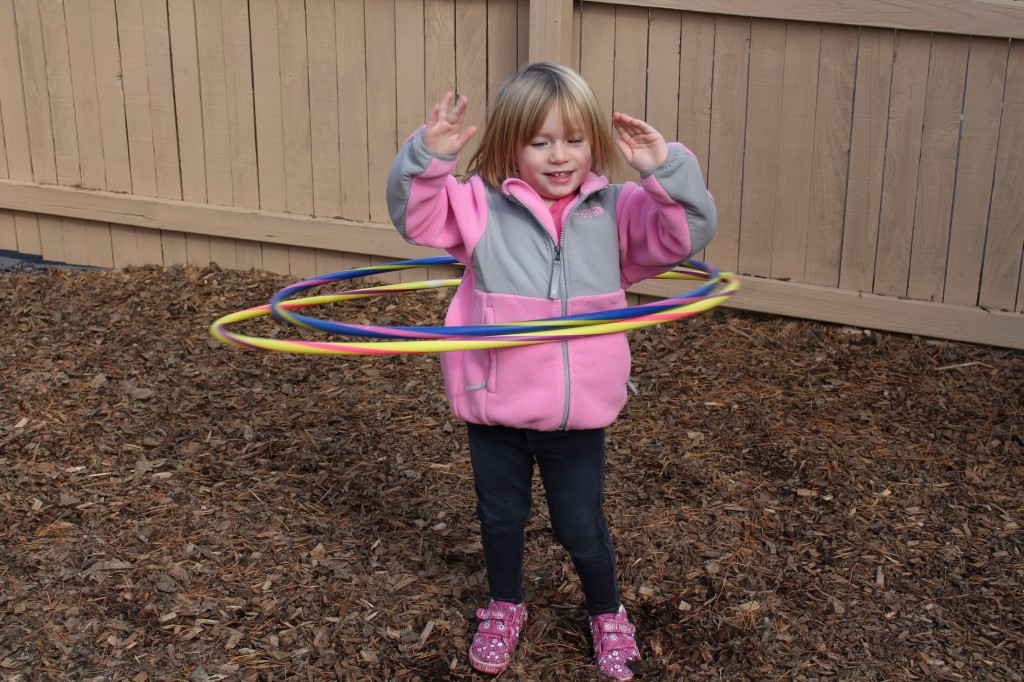
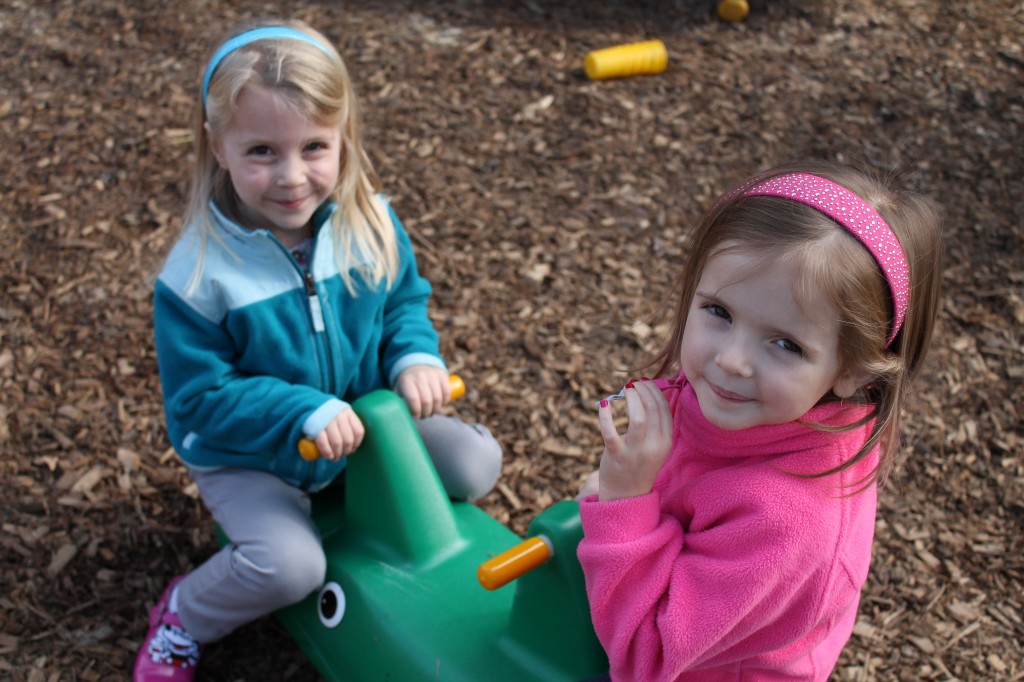
    Here comes the cold! Coat season is in full swing and your preschooler is learning how to put theirs on all by themselves. “The Preschool Flip” is an easy way for your little one to gain some independence, confidence, and responsibility. Start with the hood or collar of coat at your toes open side up. Slip arms into arm holes and slowly flip the coat up over your head. Practice, practice, practice! We also learned how to hang up our belongings so nothing gets lost at the cubbies. Please label everything you send to school! Gross Motor Movement is so important at this age, we will be heading to the playground on days 32 degrees and above. Hats and mittens, please! 220 fingers is just too many to slip into all those little spots in gloves.

  • A Peek into Preschool Play

    Take a look at what your little one is learning by playing in our classroom centers this month!

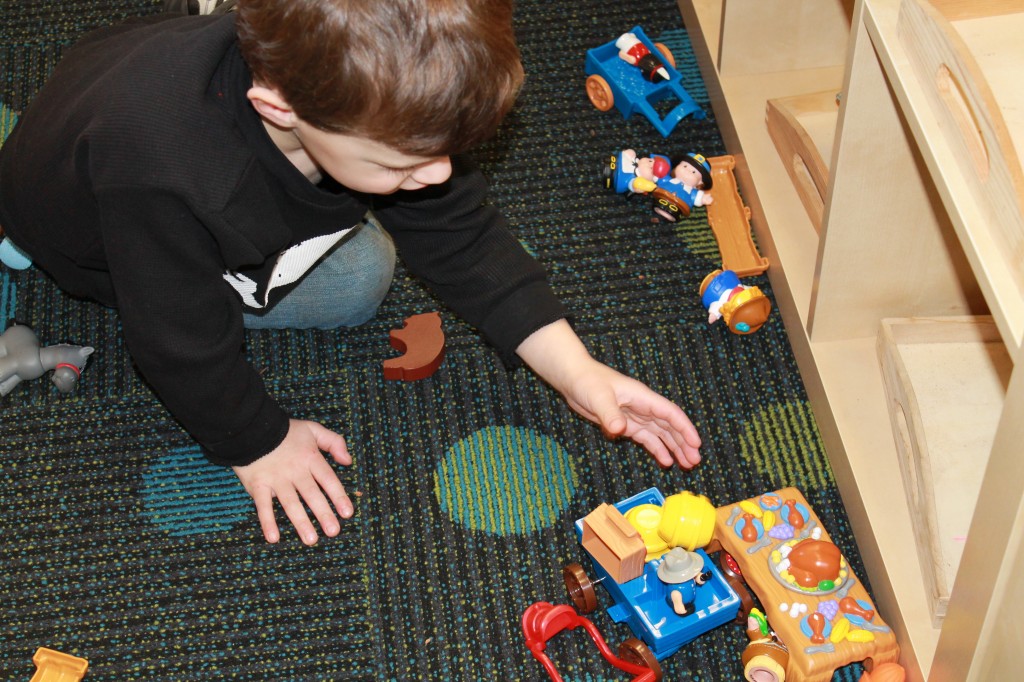
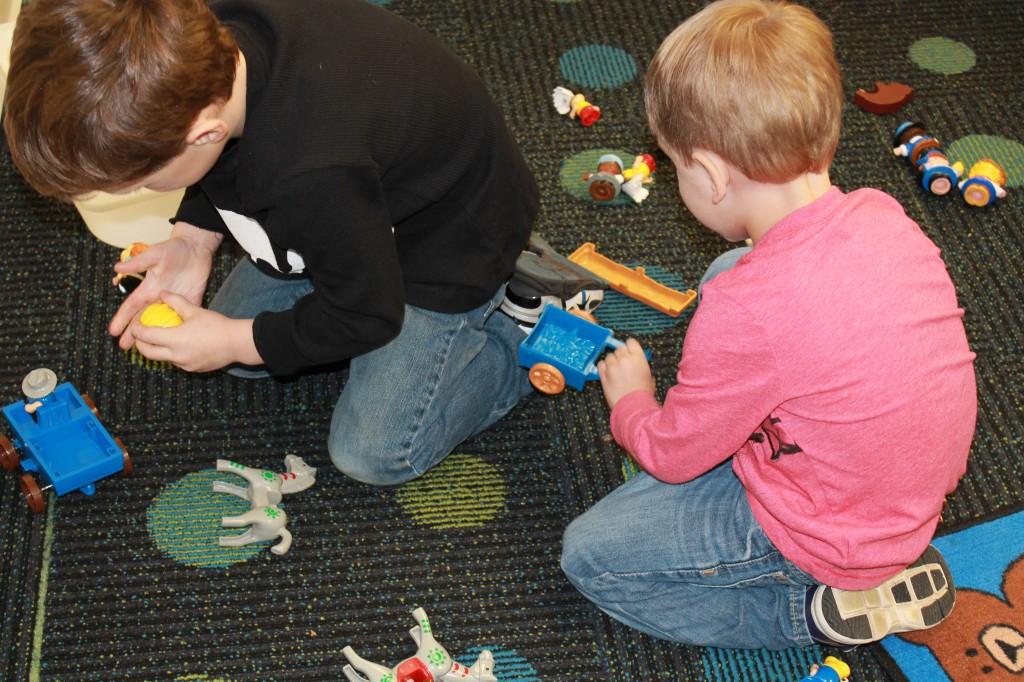
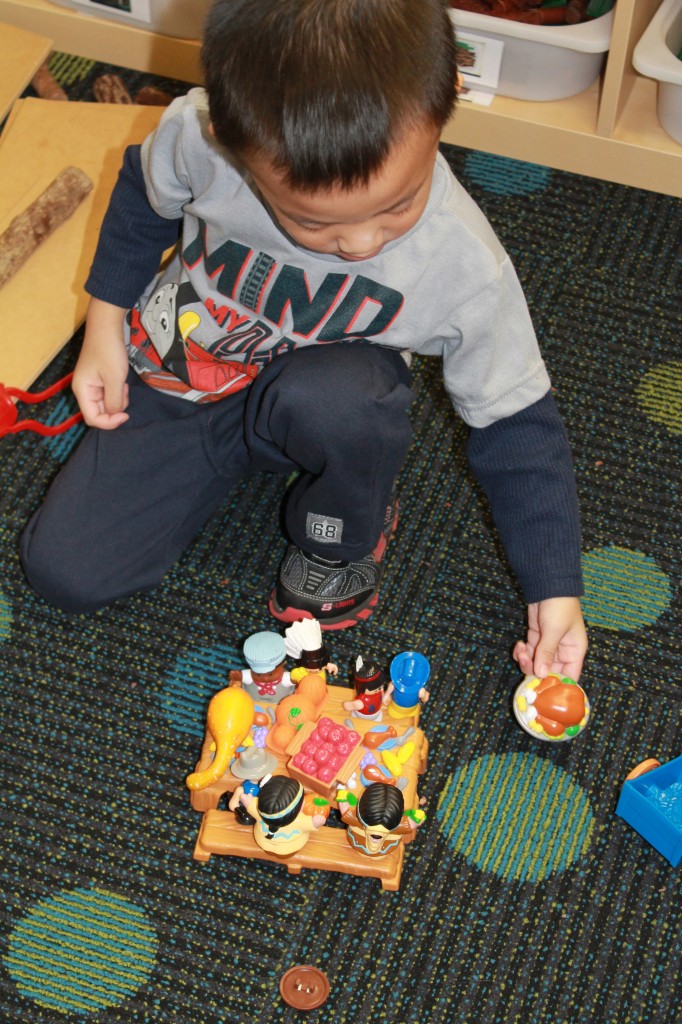
    When children build at the Block Center they explore with their imagination while recreating ‘The First Thanksgiving’. Preschoolers enjoy peer interaction through parallel play or socializing and creating with a classmate.
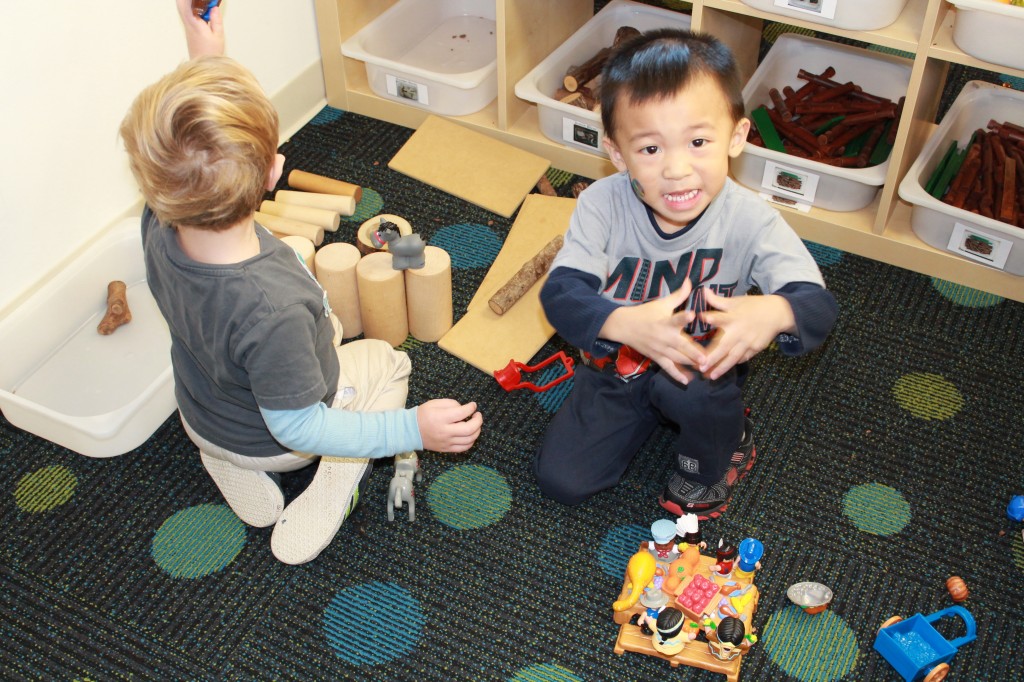
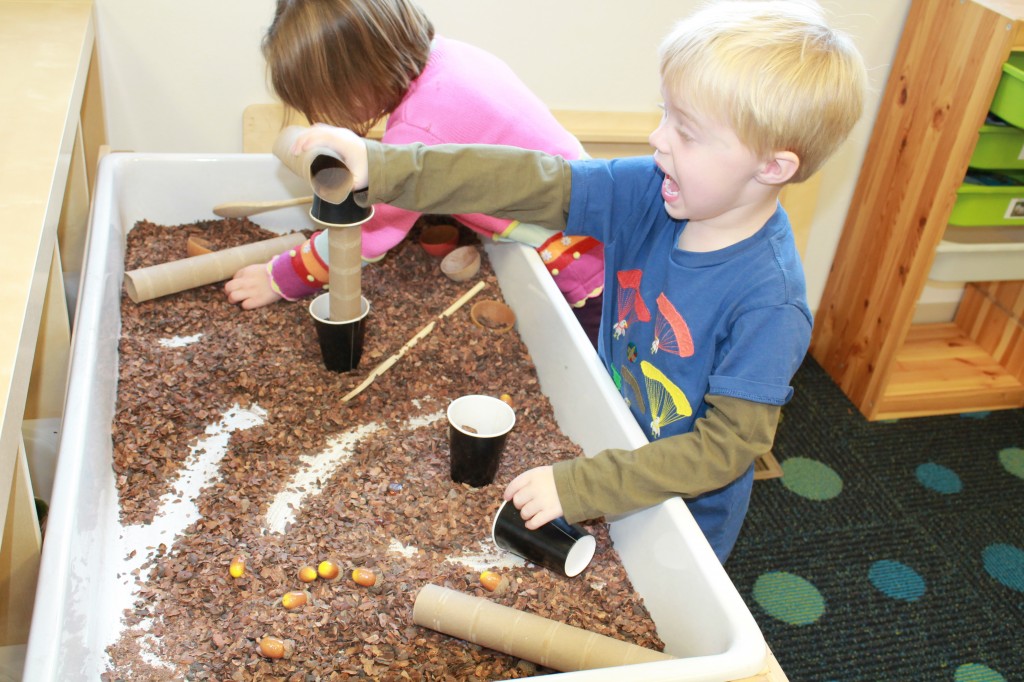
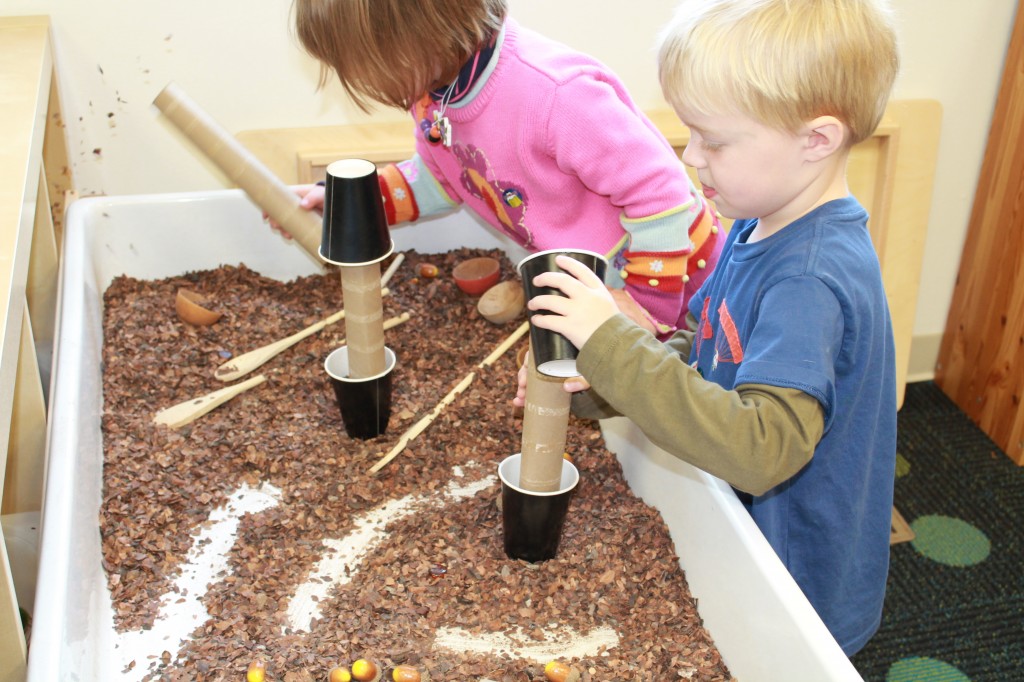
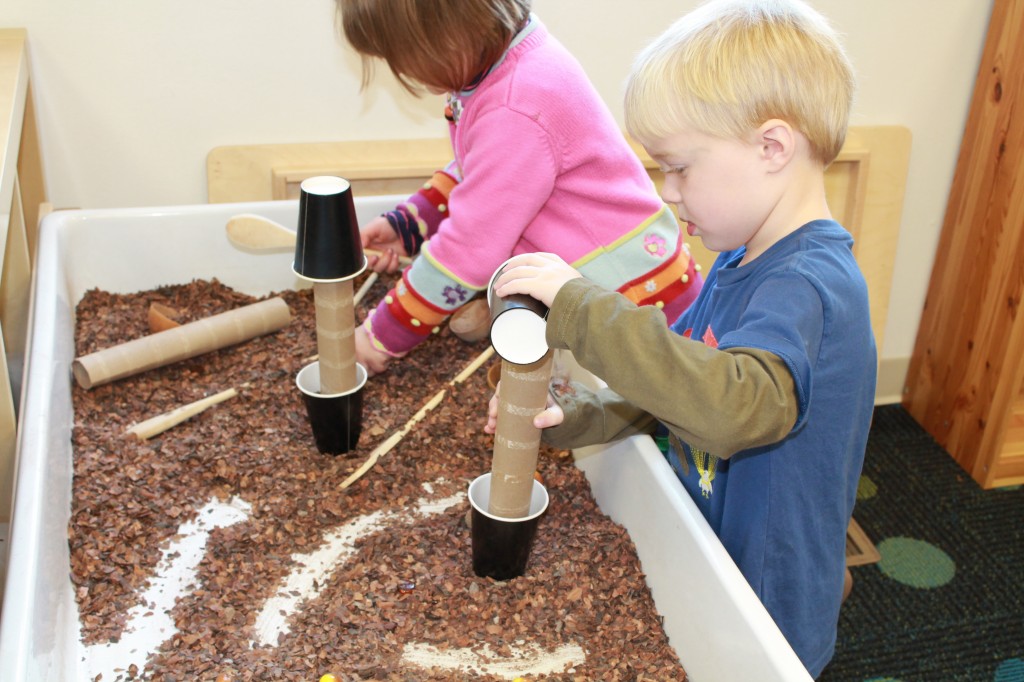
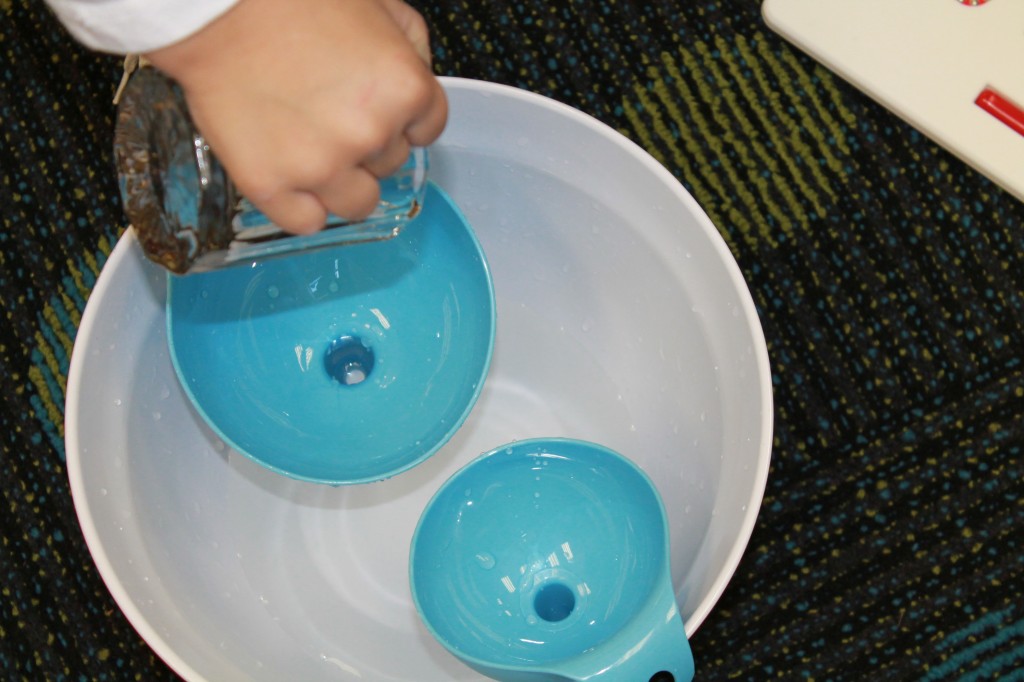
    While exploring at the Sensory Tub children exercise problem solving skills, natural curiosity, and teamwork. Preschoolers connect real world materials with experience and senses while developing and understanding of volume and capacity. Pouring, scooping, sifting, and digging strengthen fine motor muscles as well.
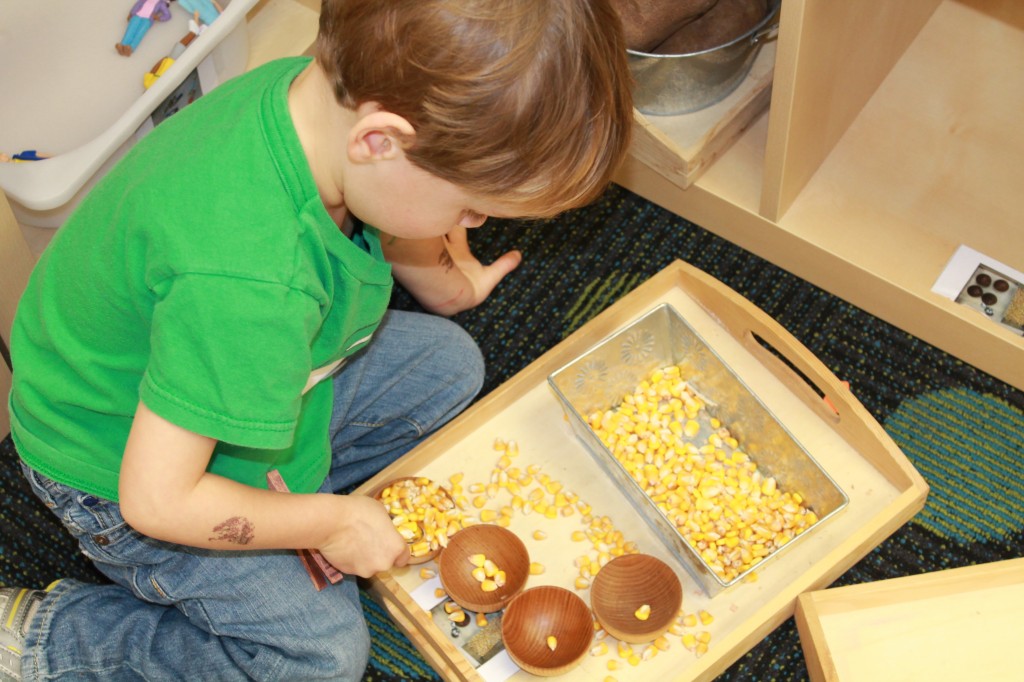
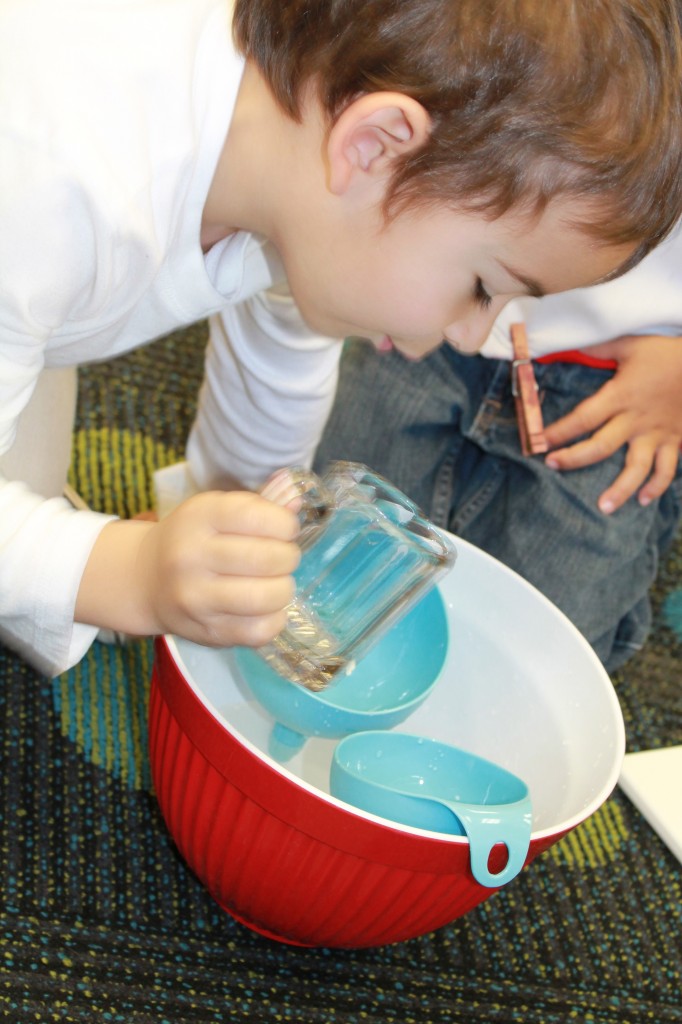
    Independence is the main skilled fostered at the Practical Life Skills Center. Preschoolers strengthen fine motor muscles while practicing every day life tasks such as buttoning and zipping or pouring and scrubbing vegetables. They develop hand-eye coordination and other similar skills needed as handwriting foundation. These skills will promote confidence as your little takes over more responsibility with self-help skills.
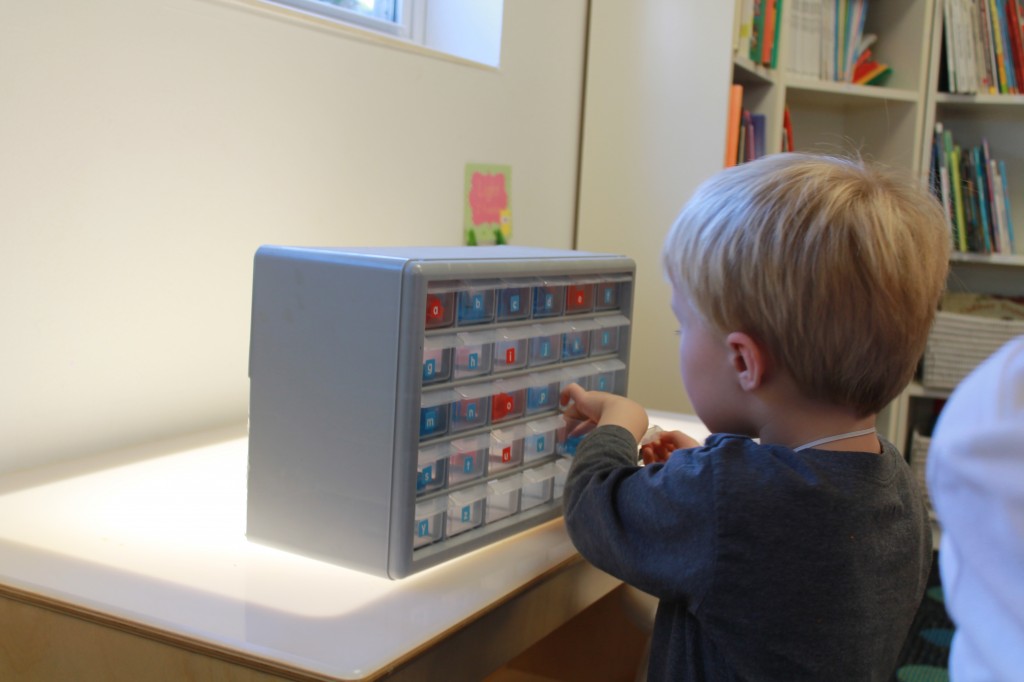
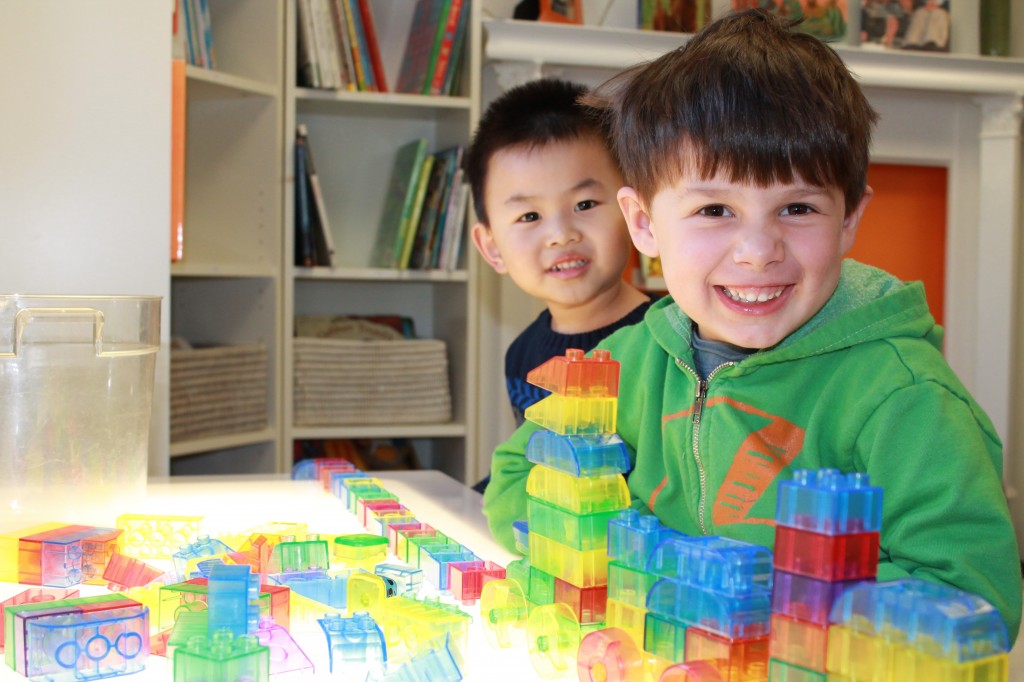
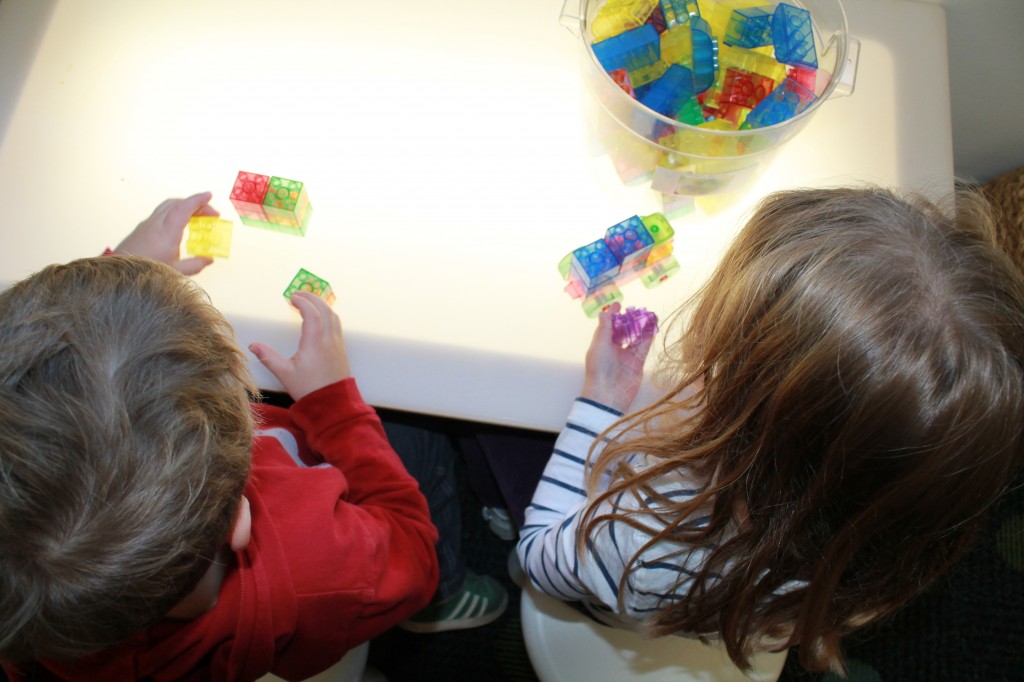
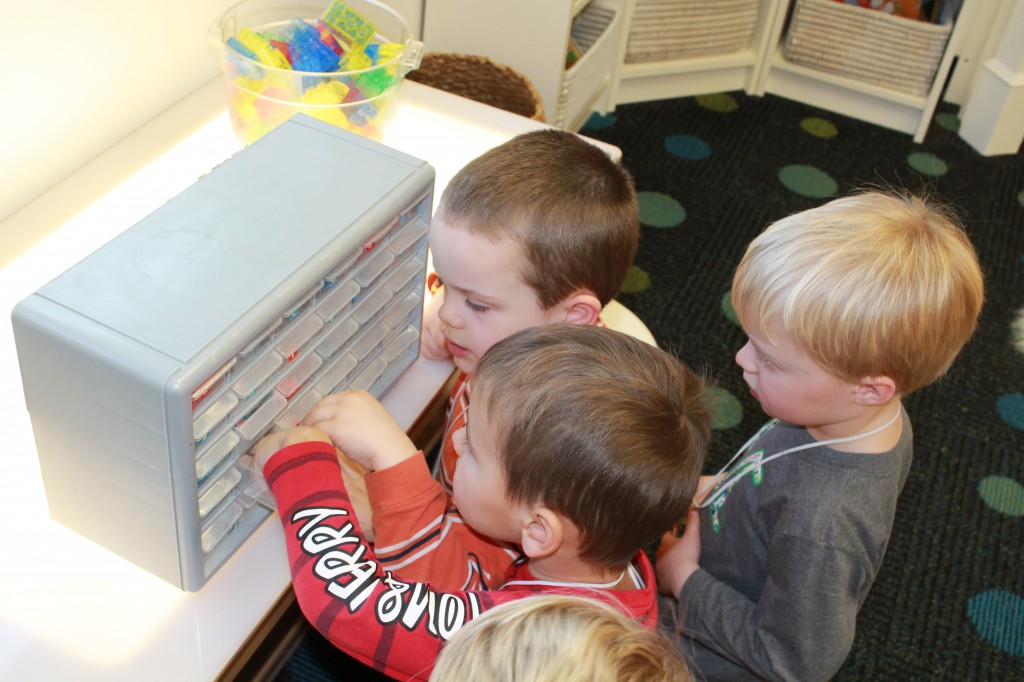
    At the Light Table, children discover concepts of shape, size and spatial awareness. They exhibit motor control, coordination, and balance. Preschoolers imagine and create together at this center.
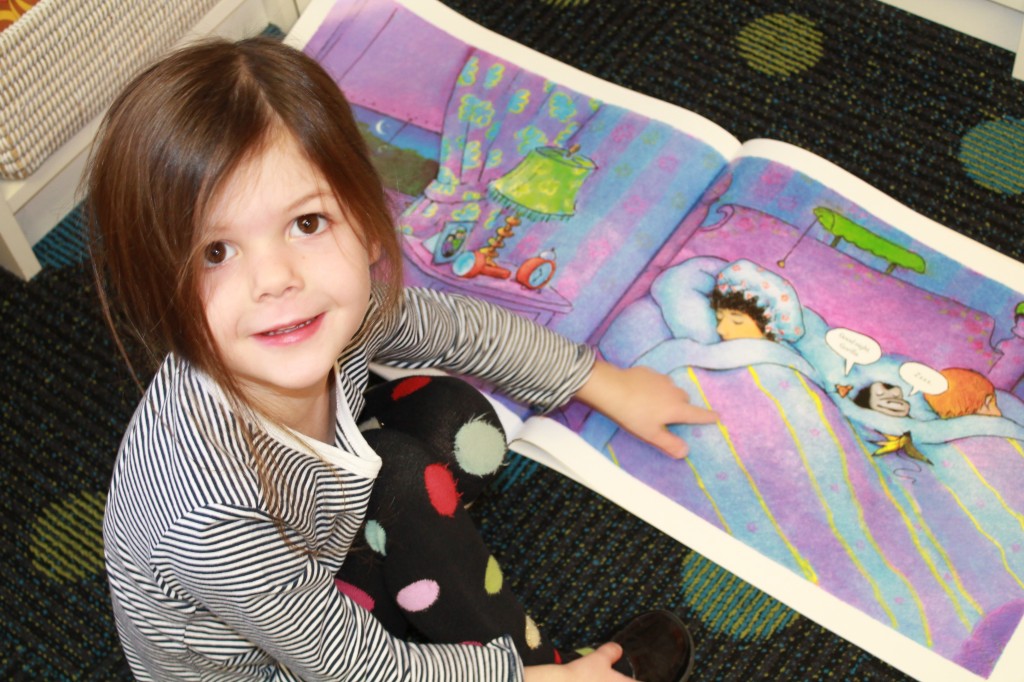
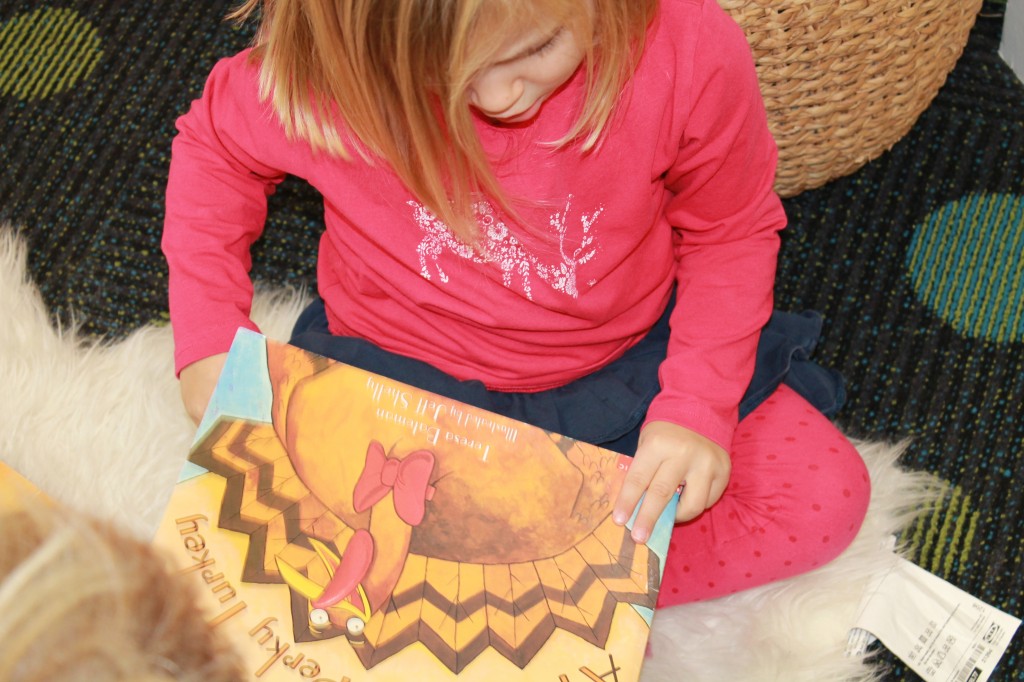
    Paging through picture books in the classroom Library gives children the opportunity to tell their own story. Exposure to different types of print sparks a love for literature. “Reading” books at any age helps with comprehension even just by looking at the pictures. Letter recognition, letter sounds and the association between both concepts are developed while exploring books.
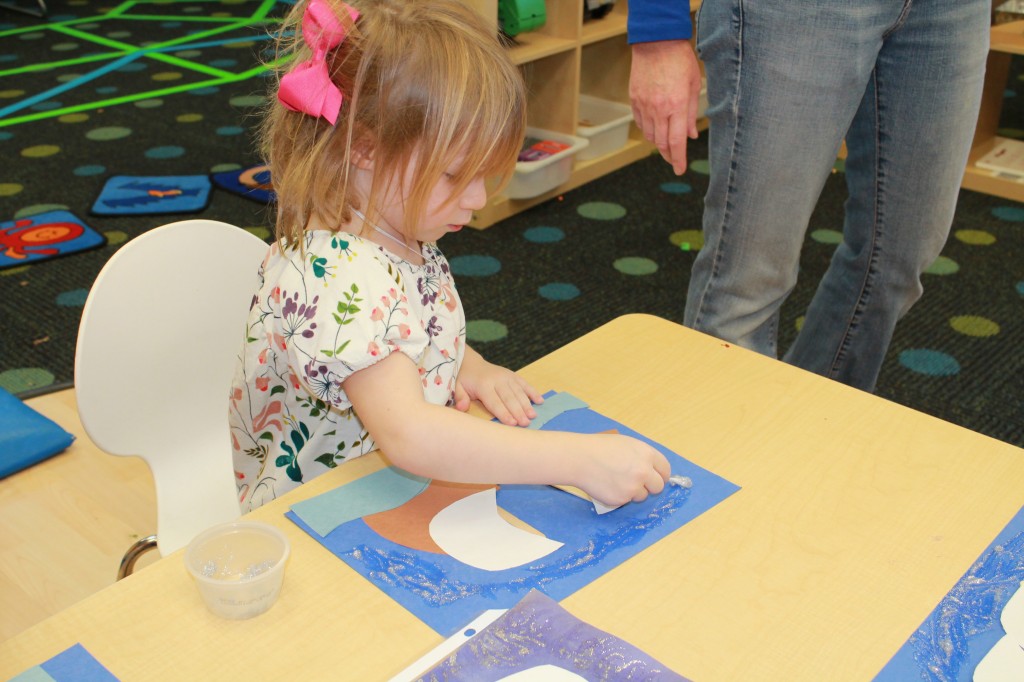
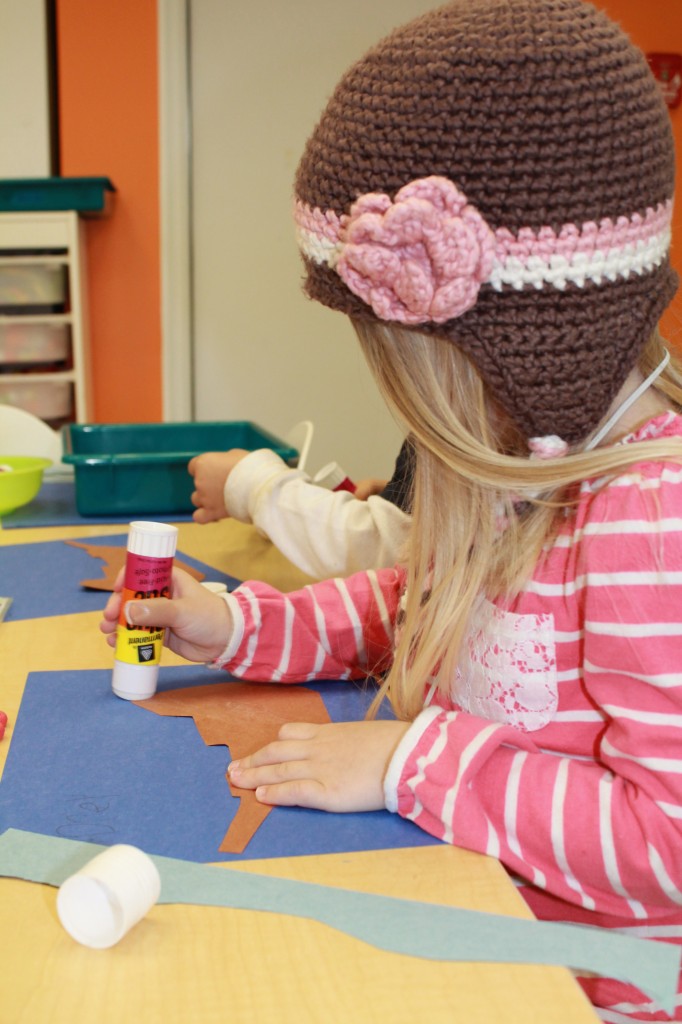
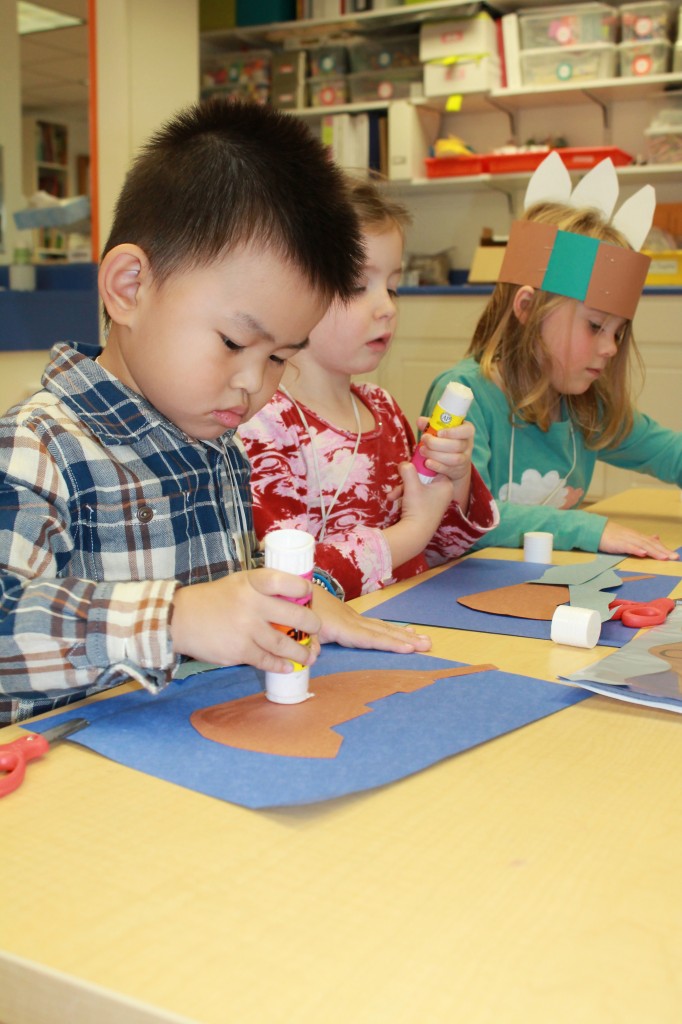
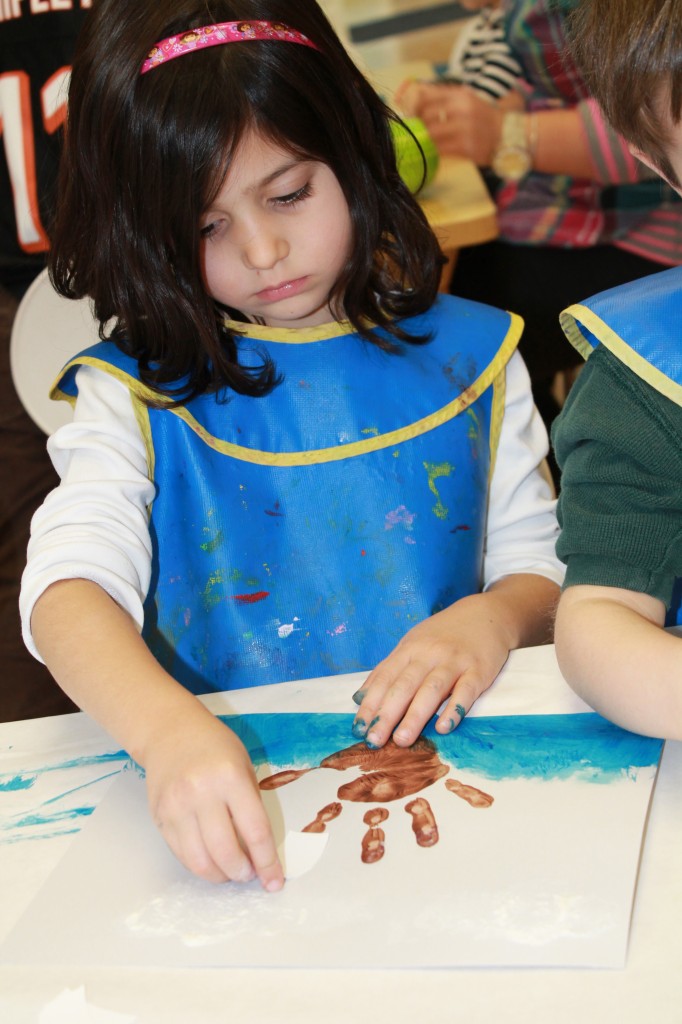
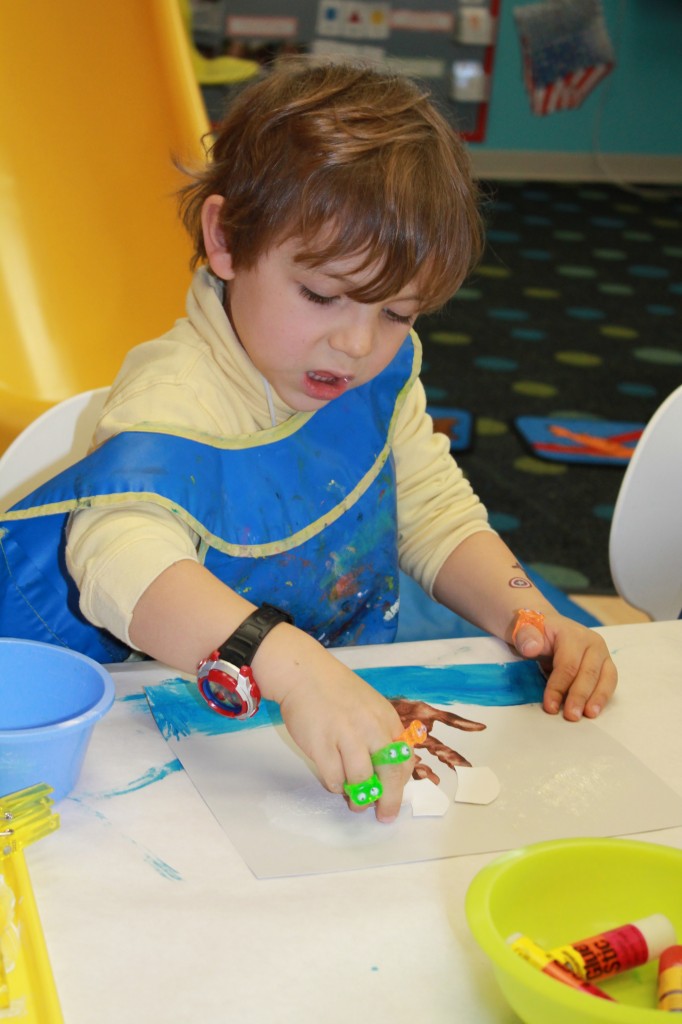
    The Art Center is the place to express creativity and build a sense of accomplishment. Open-ended art activities give preschoolers the chance to explore their interests and create masterpieces all by themselves. Fine motor and planning skills are key concepts at this center. I know many of you are benefitting from beautiful, hand-crafted jewelry this month! 🙂
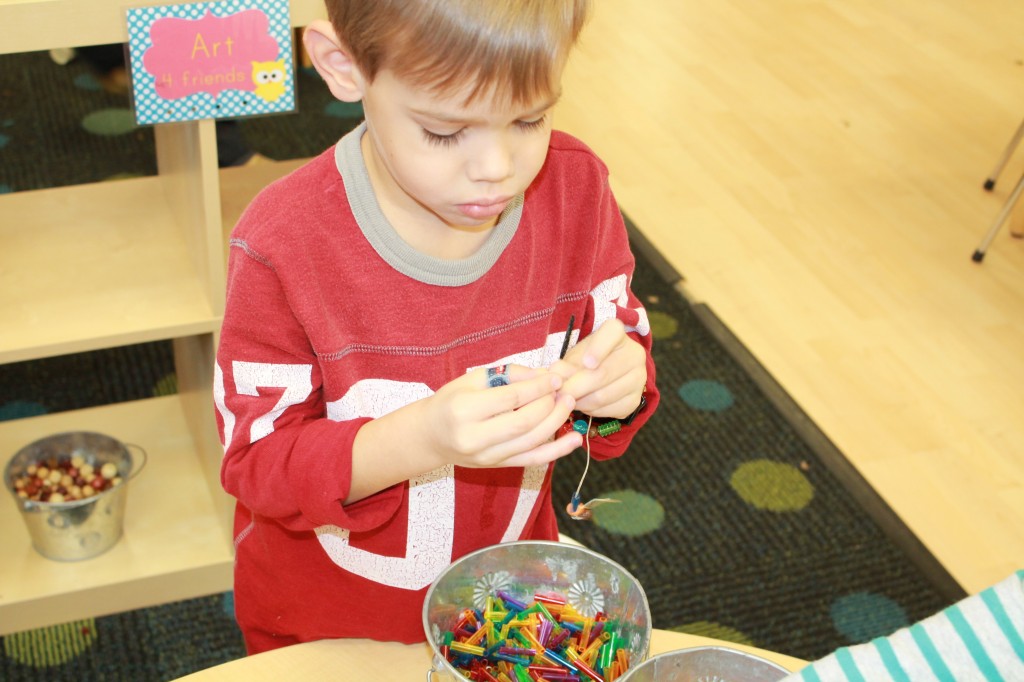
    These are just some of our classroom centers. Ask you preschooler about their favorite center and see what they discovered playing at school!
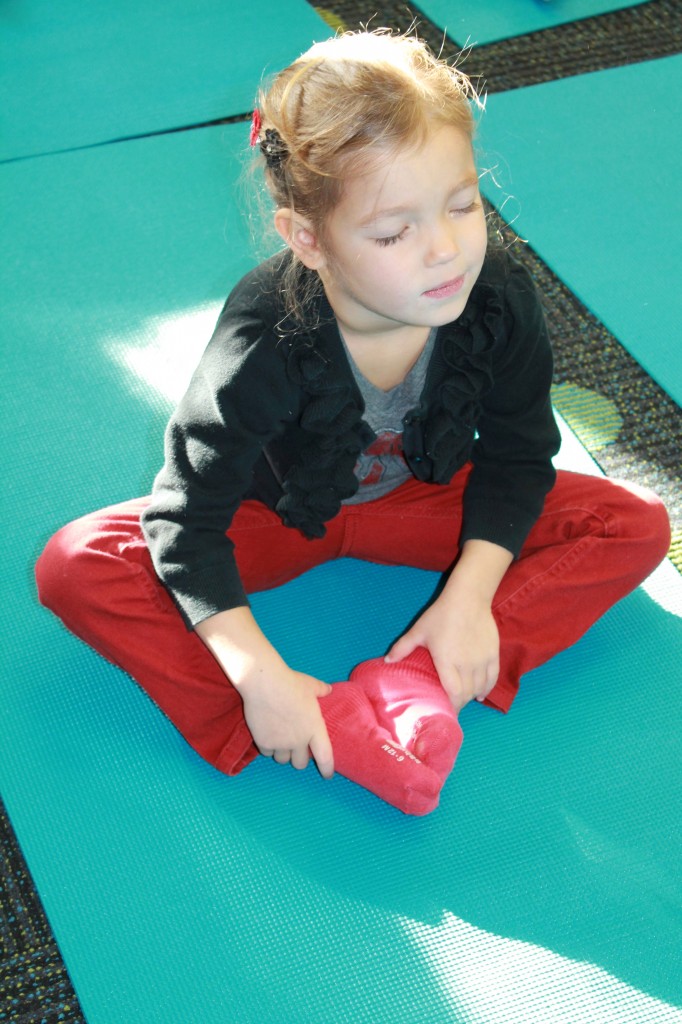
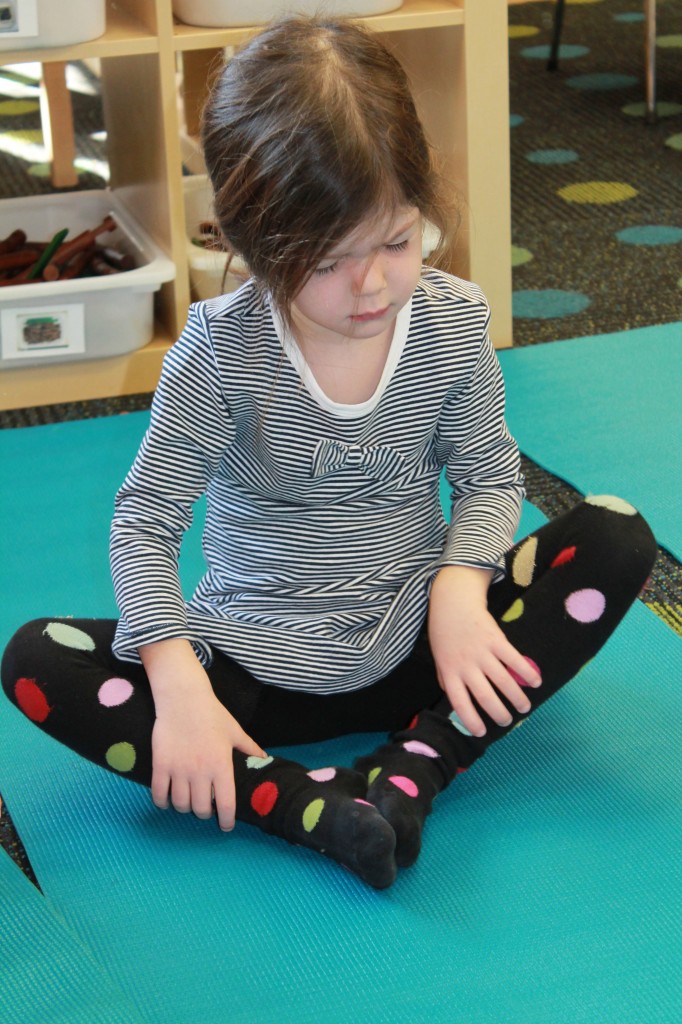
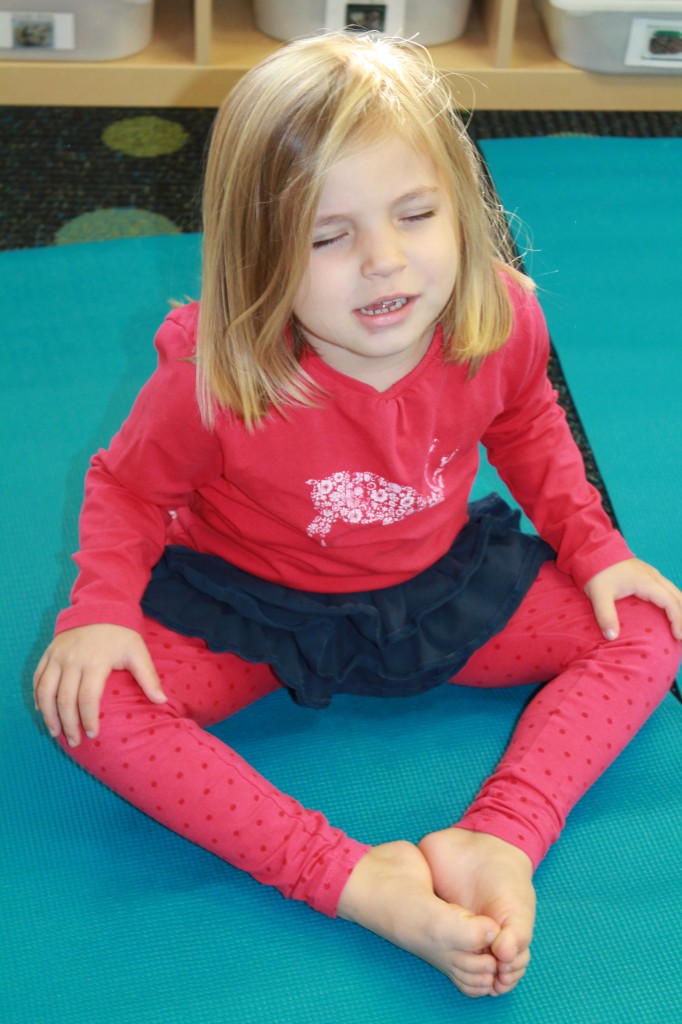
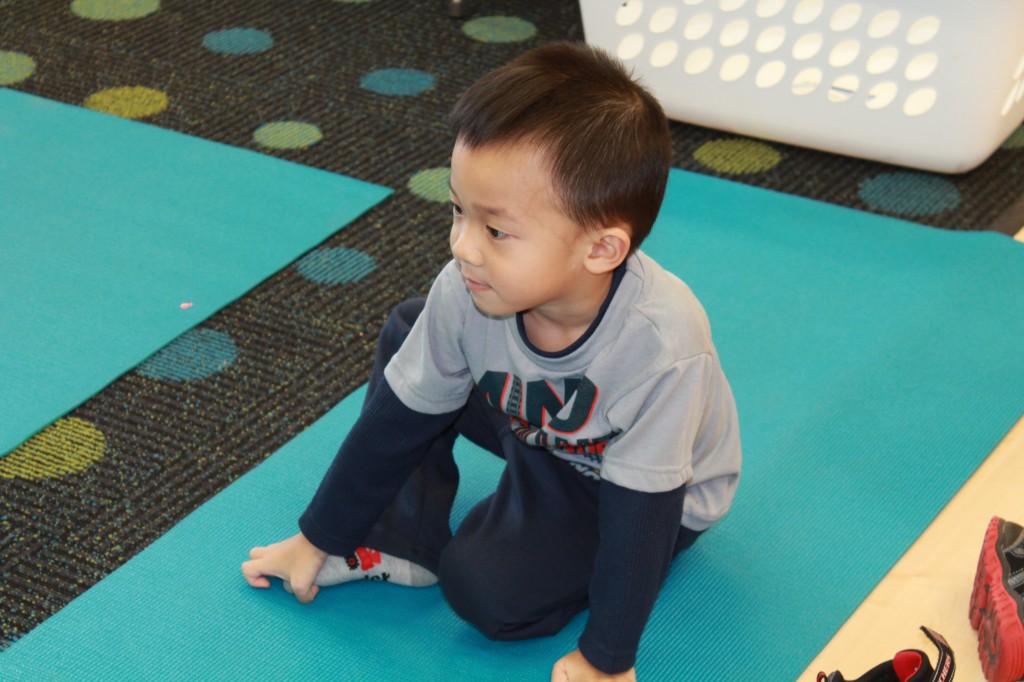
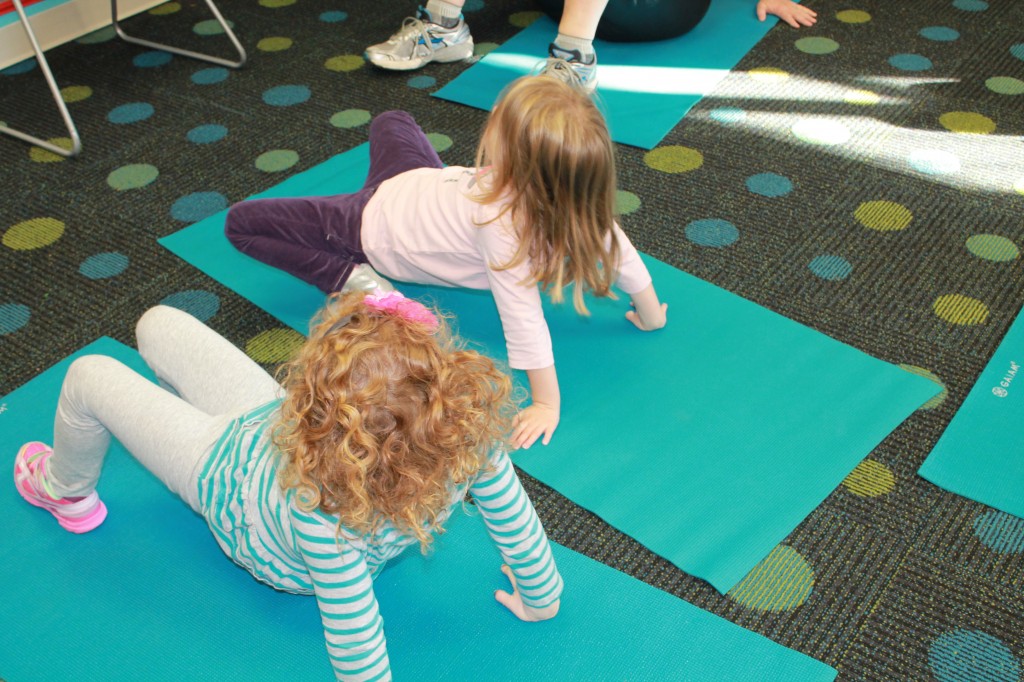
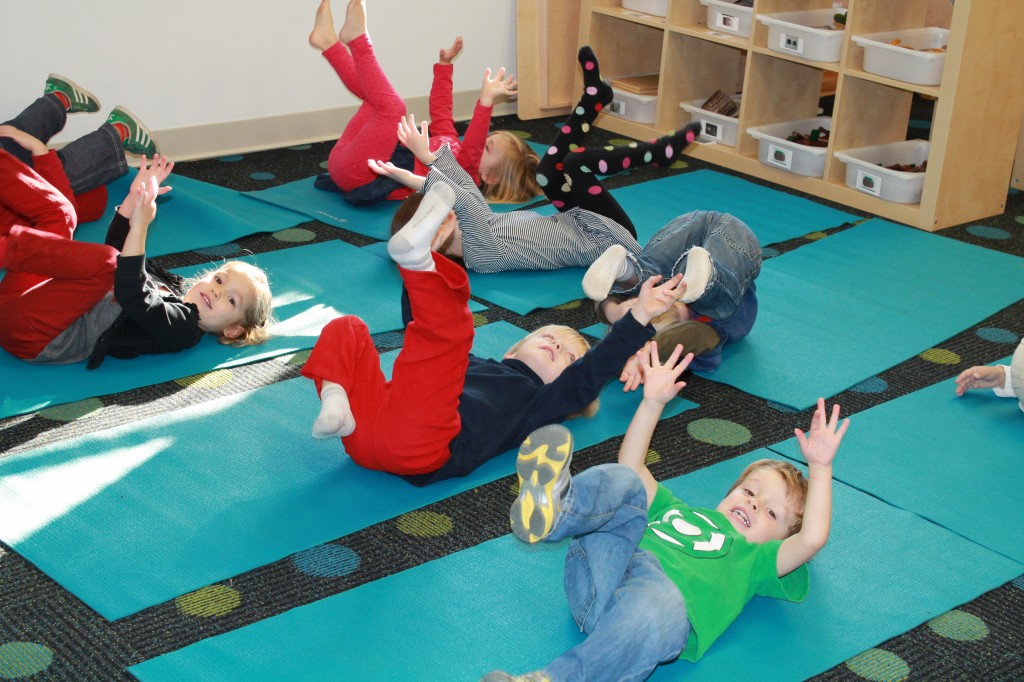
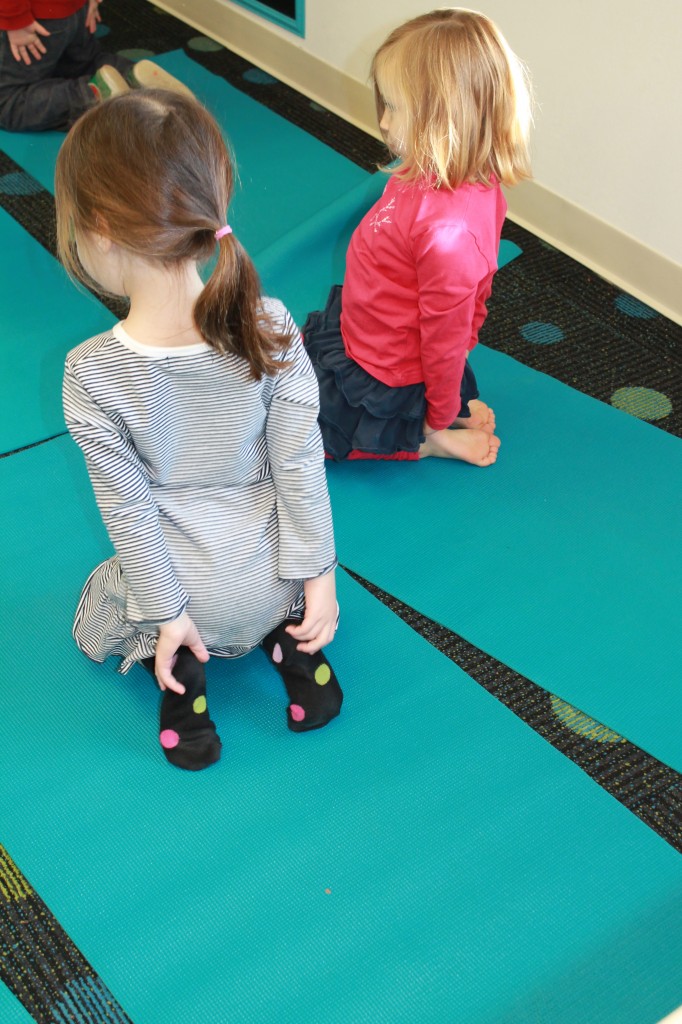
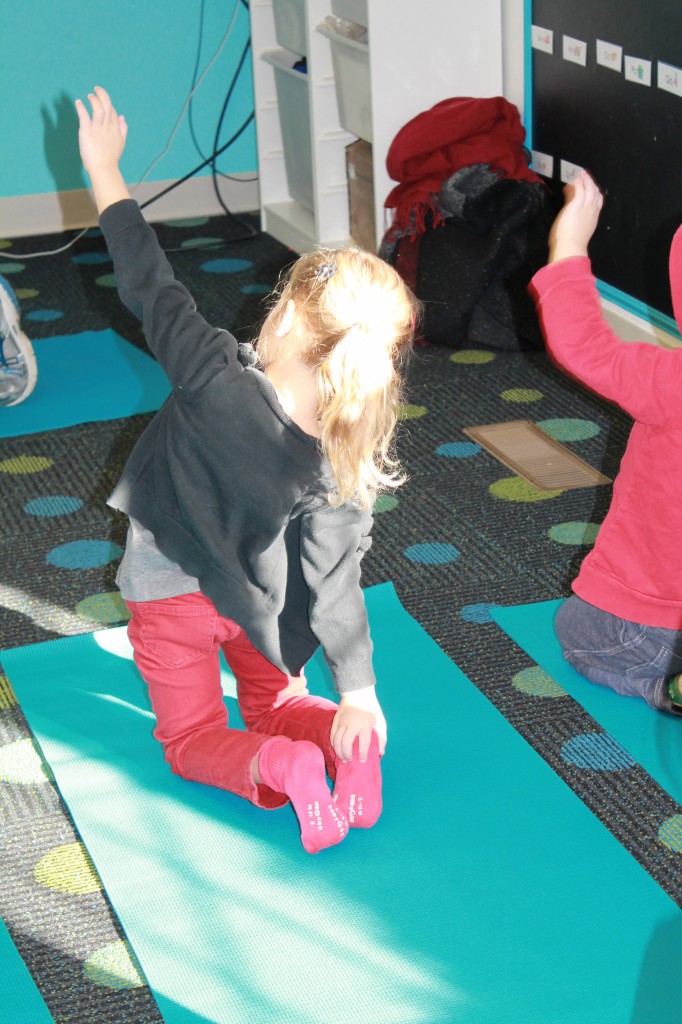
  • Yoga with Ms. Laurel

  • Fall Fun!
  • Exploring Light

    The first time I saw a light table was at a Reggio Emilia inspiried preschool in New York City.  Every classroom that we visited had one and I began to wonder what they were all about.  After researching the various ways these could benefit preschool age children in their learning process, we decided to get one for our own classroom.

    Our light table allows children to experience everyday objects in a whole new way.  In the coming months we will be using the  light table for a multitude of activities as well as free choice play with ever changing manipulatives.  Here are some of the activities that may take place at our light table this year:  building our names and sight words with special translucent letter tiles, exploring and creating colors with color paddles, using various stencils, using the light table to trace our letters and names, manipulating shapes to become more aware of spacial relationships through the use of translucent geometric pieces while discovering the basics of geometry,  viewing x-rays of various types of animals and shells, and finger painting on parchment paper (just to name a few).  These should be great experiences for your children and ones that they will not soon forget.

  • Phonemic Awareness Helps Beginning Readers Break the Code

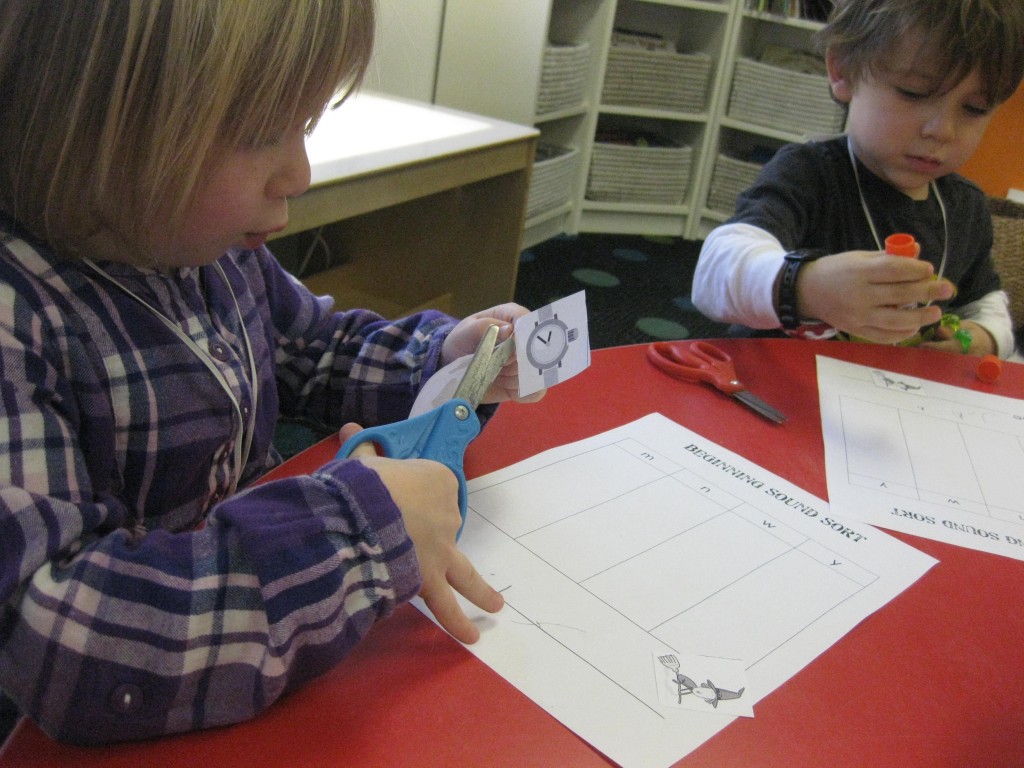
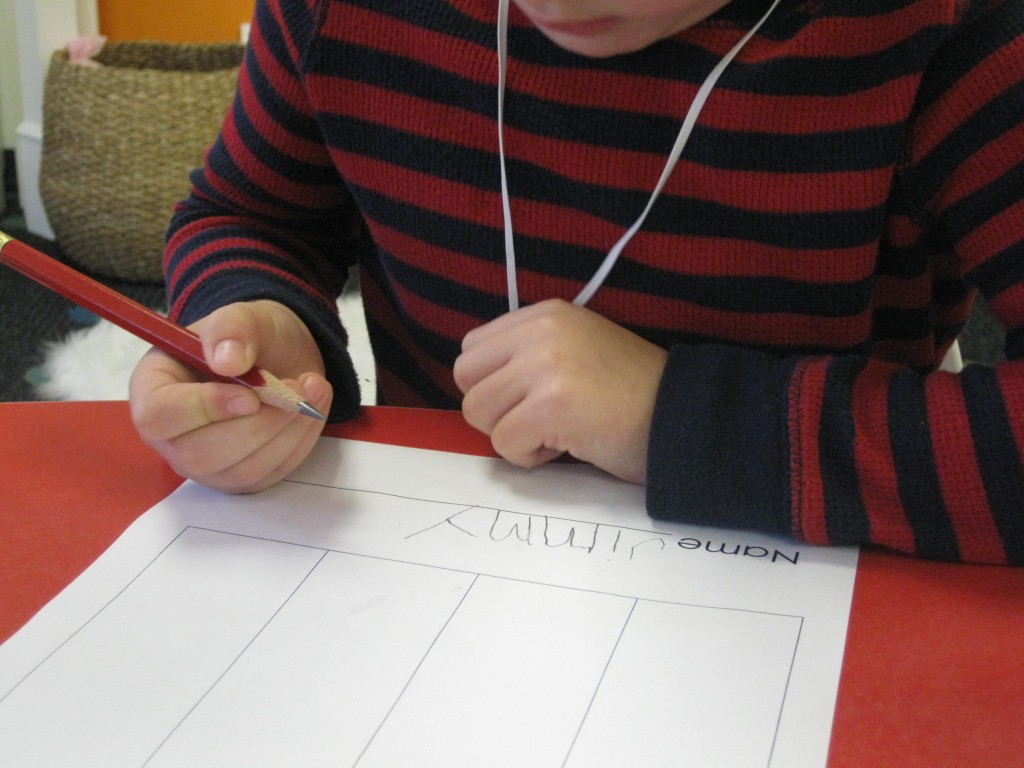
    As we complete our unit on letter recognition and sound review this month we are focusing on matching lowercase letters to pictures with corresponding initial sounds.   The ability to understand the structure of spoken language plays a crucial part in reading success now and in the future.  It is very important for children to automatically be able to manipulate sounds in words (phonemic awareness) so that comprehension is the focus of reading rather than decoding unknown words.  We develop phonemic awareness (ability to  manipulate sounds in words) through a variety of consistent and age appropriate activities in which children are asked to recognize and manipulate sounds.