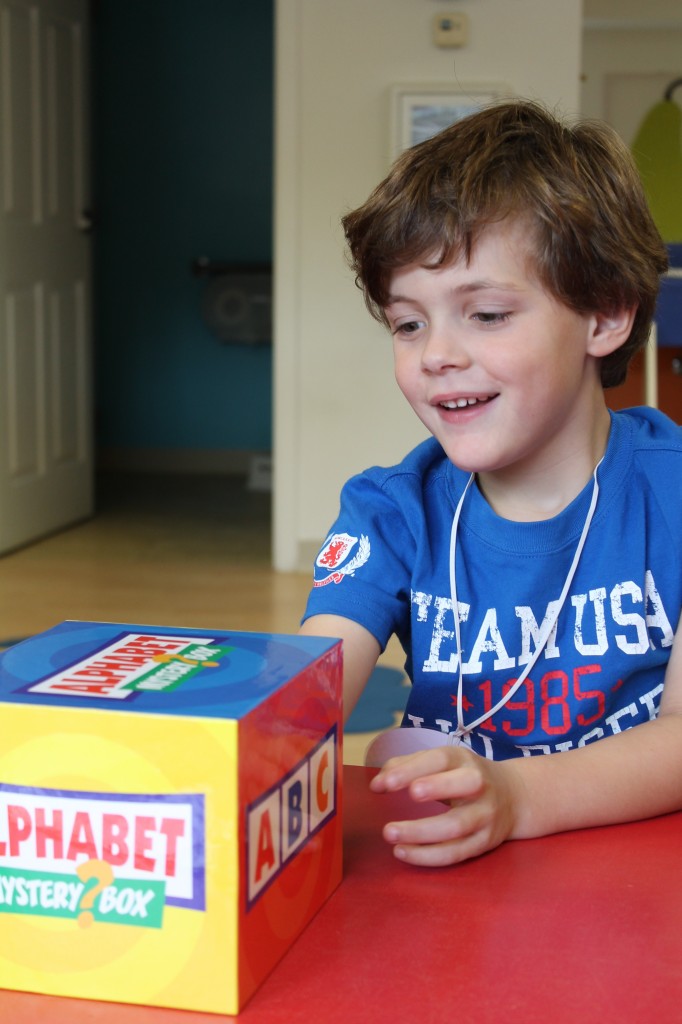
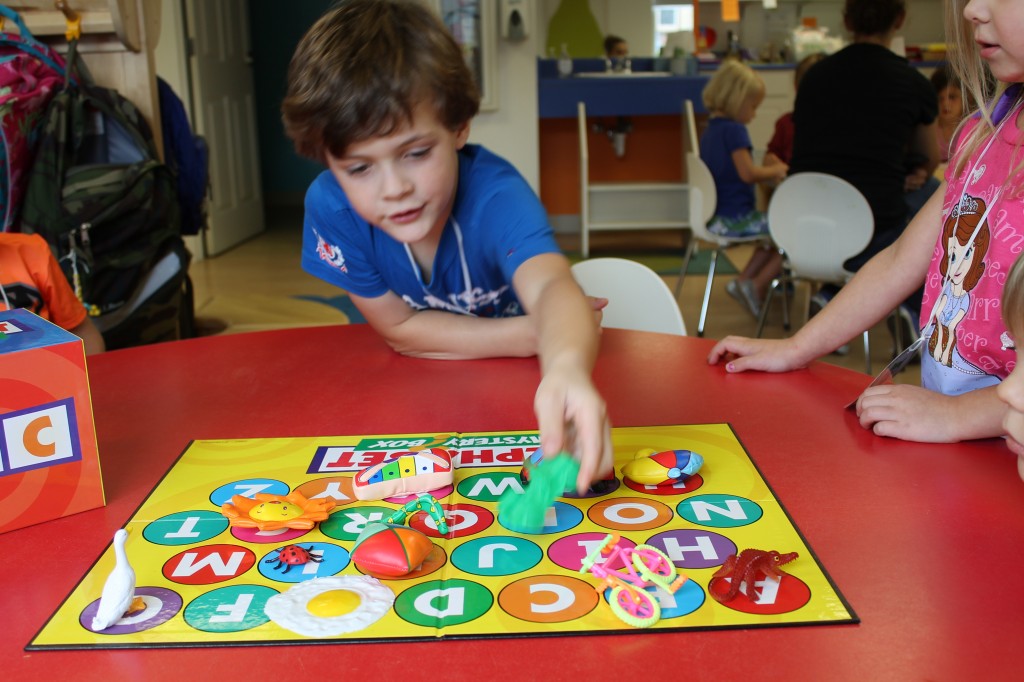
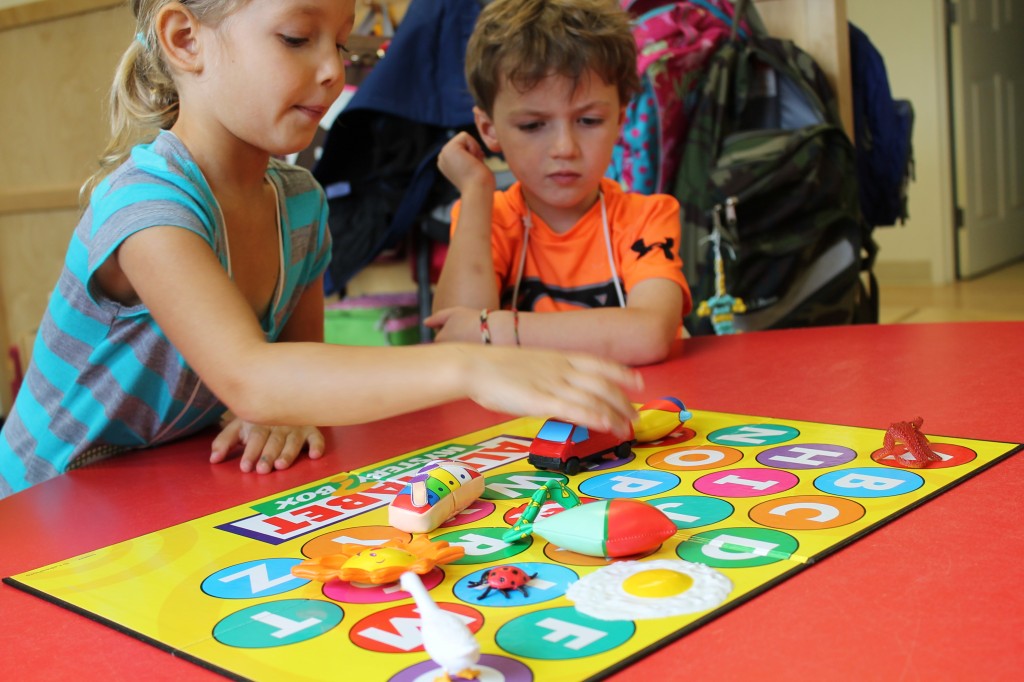
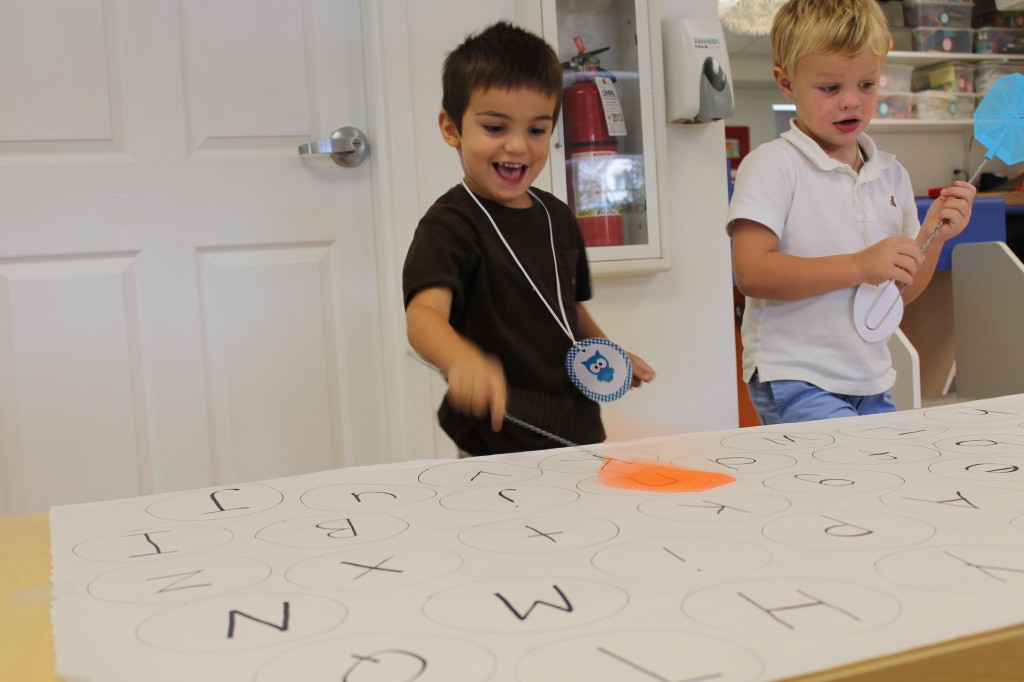
We got our bodies moving as we reviewed our number recognition 1-10. We hopped, jumped and jogged our way to the numbers we know!
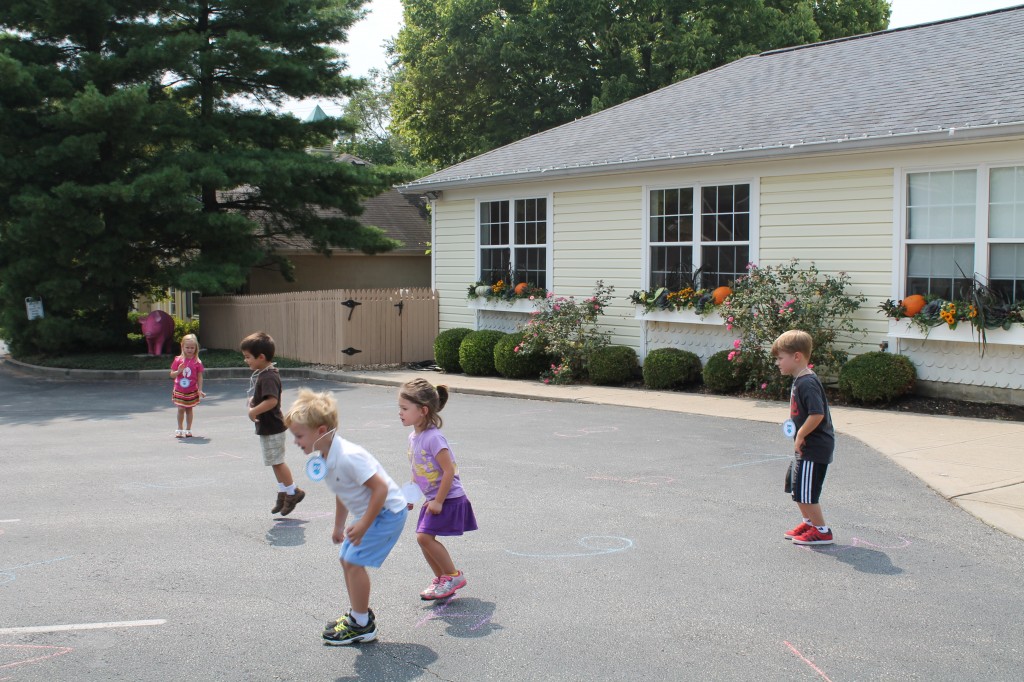
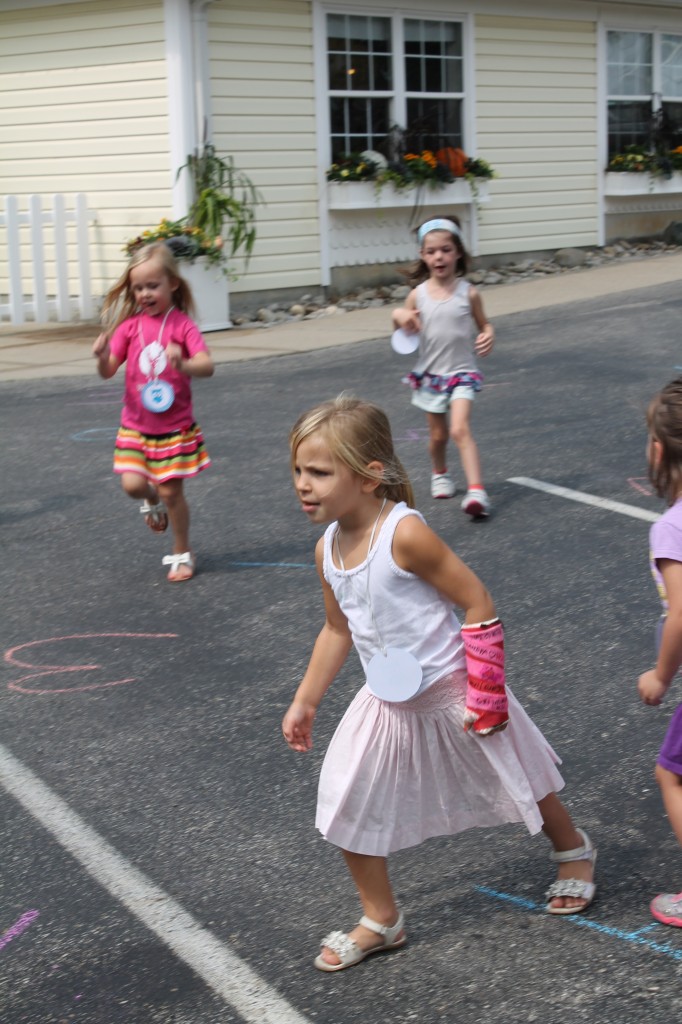
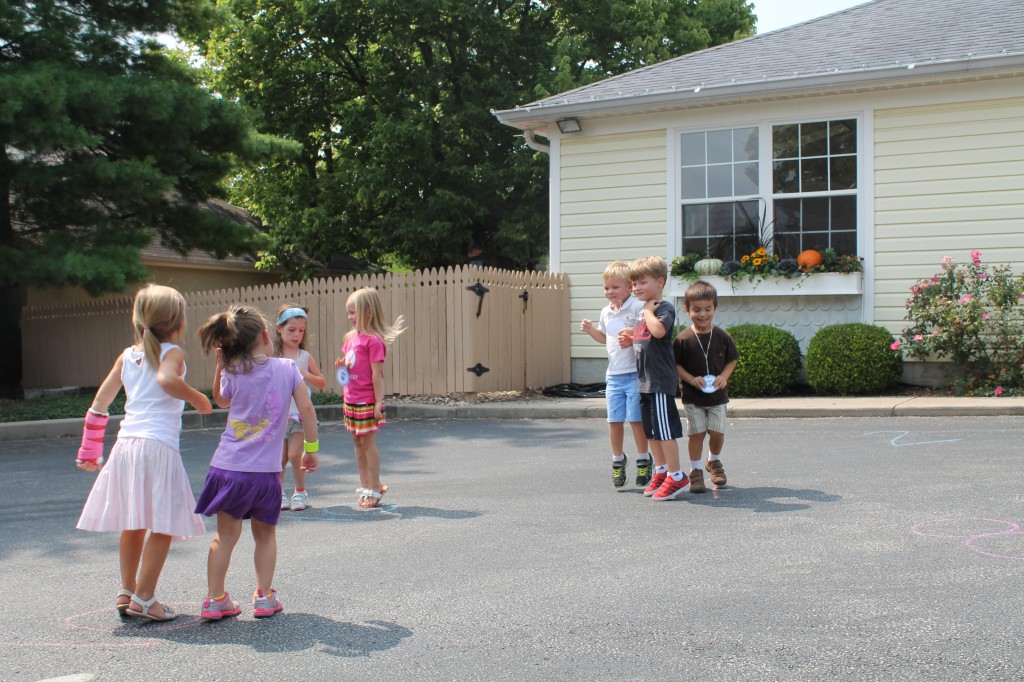
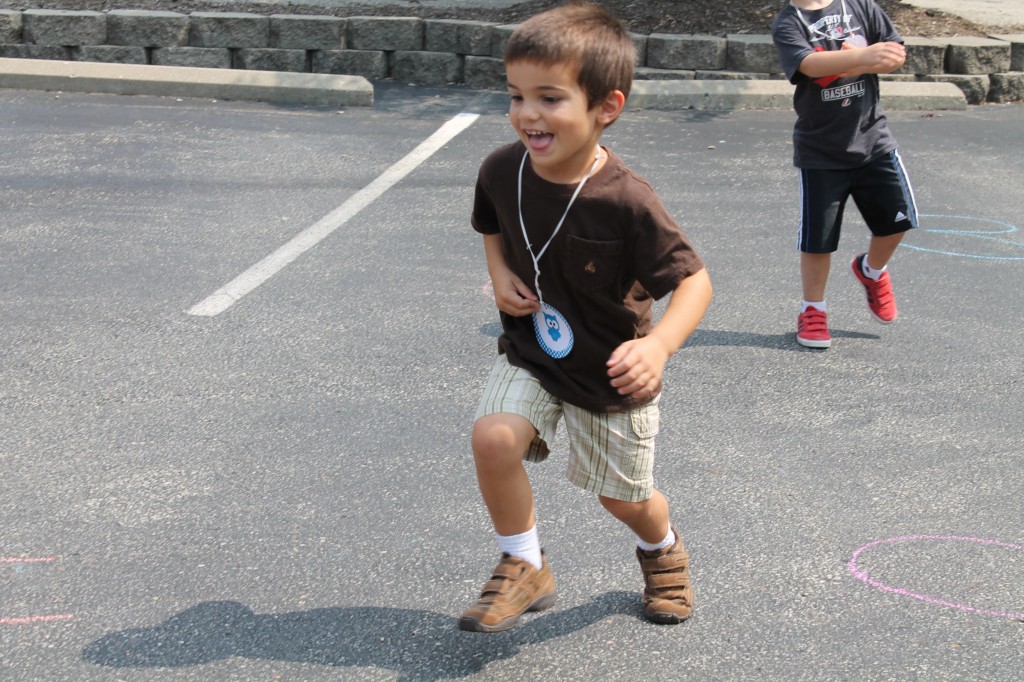
We got our bodies moving as we reviewed our number recognition 1-10. We hopped, jumped and jogged our way to the numbers we know!
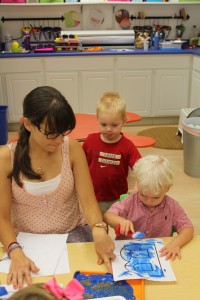
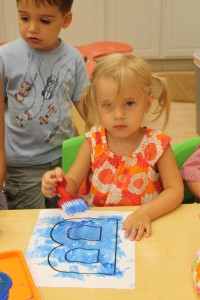
We are learning about the letter B and it’s sound.
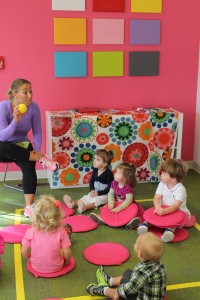
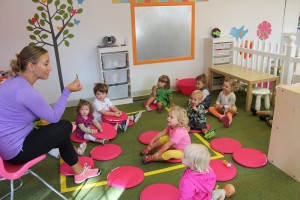
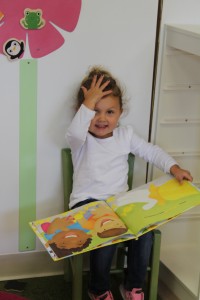
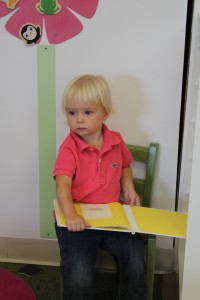
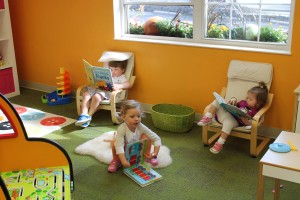
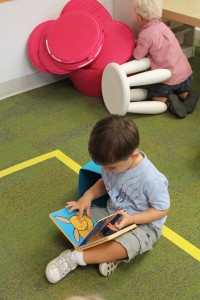
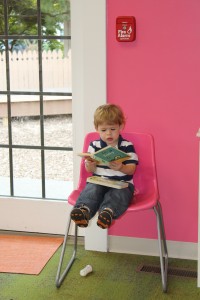
Caught you reading!
We love to build!
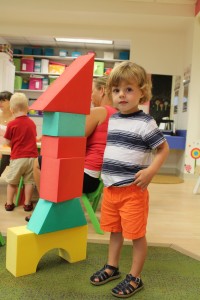
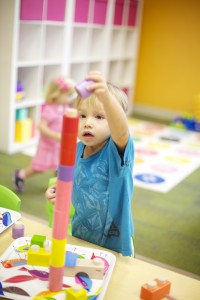
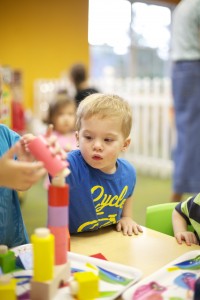
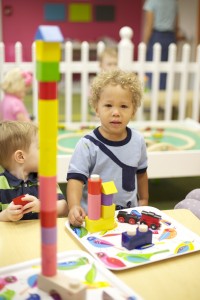
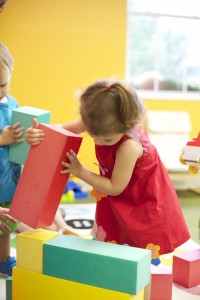
And explore the rest of the room!
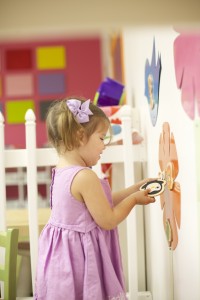
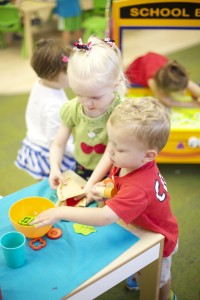
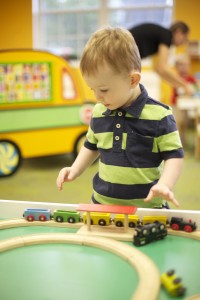
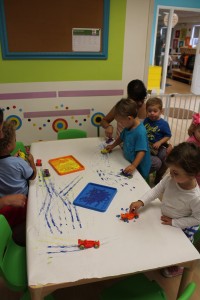
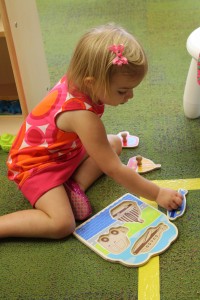
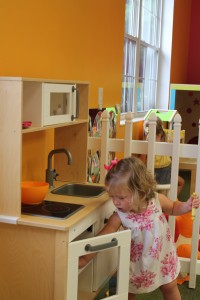
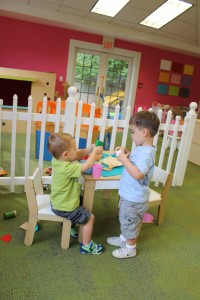
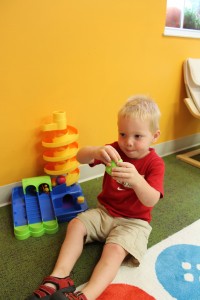
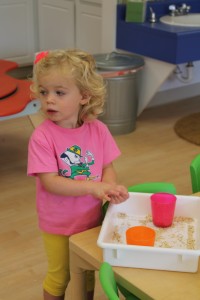
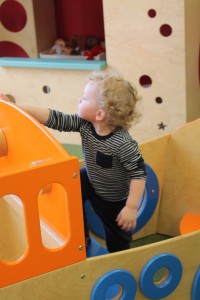
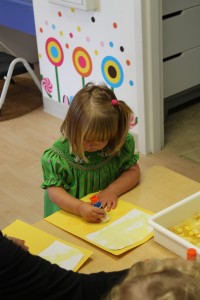
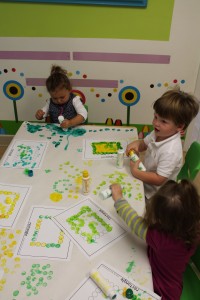
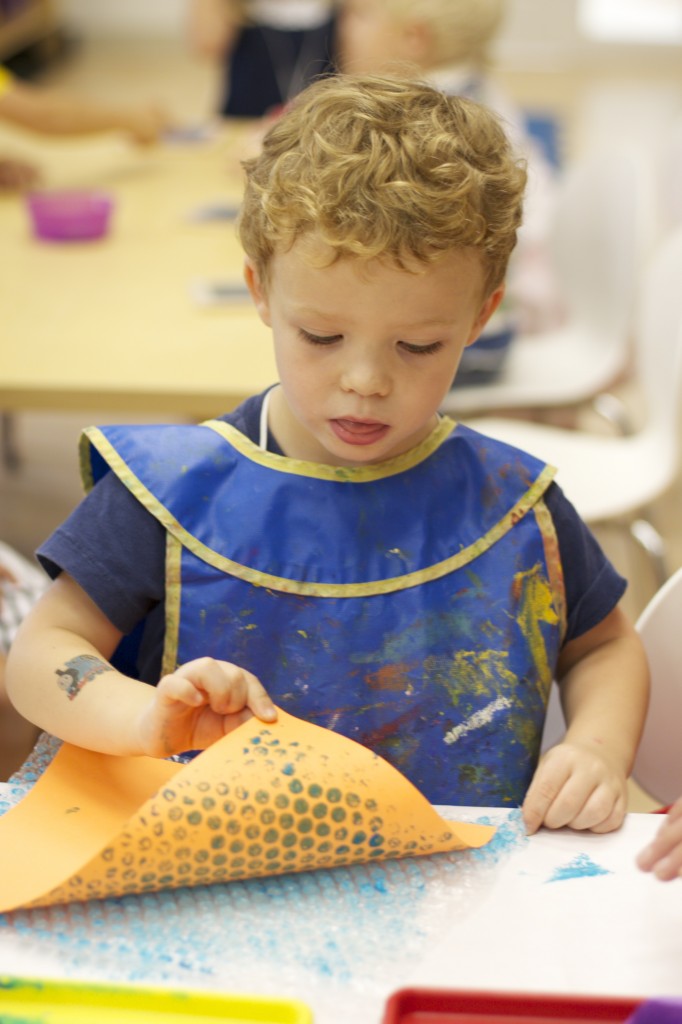
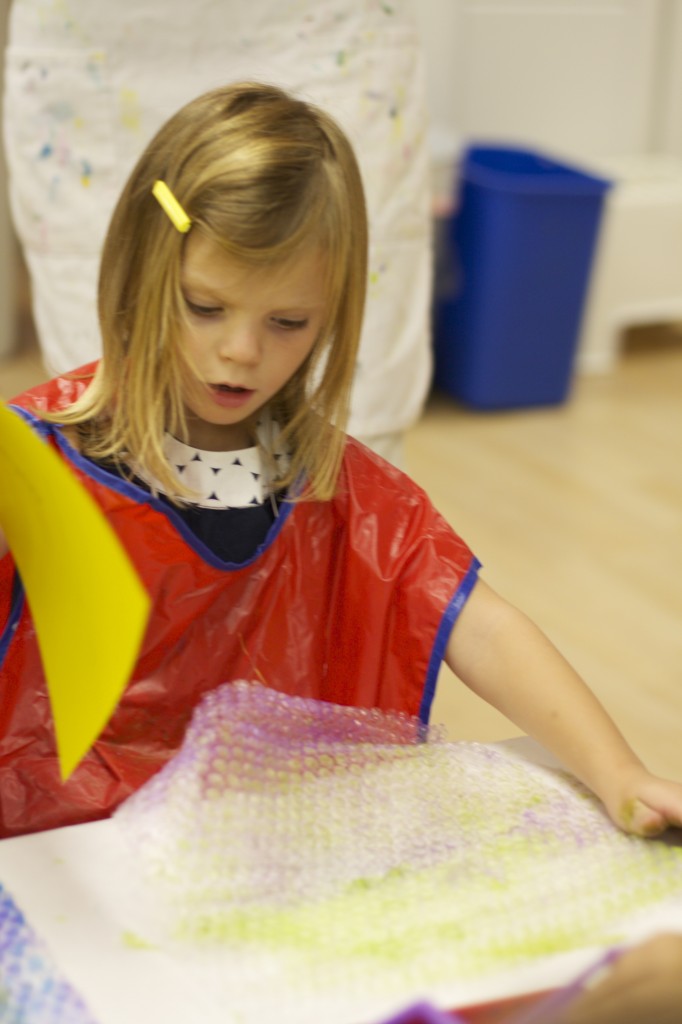
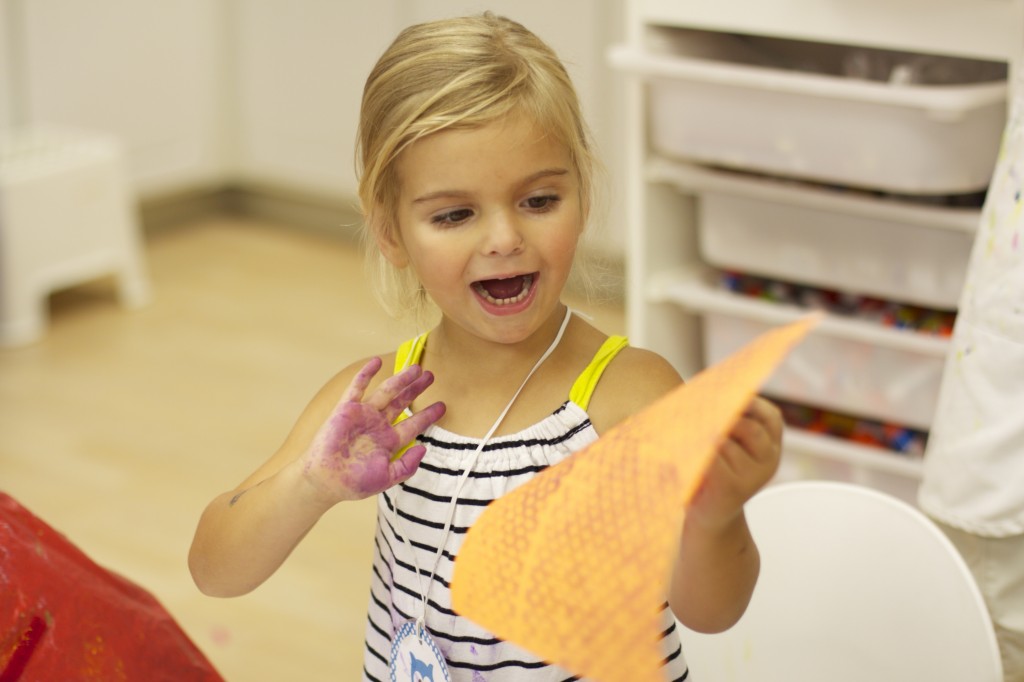
We had fun painting with Ms. Diana!
We were introduced to the Dung Beetle. It lives in the Sahara Desert.
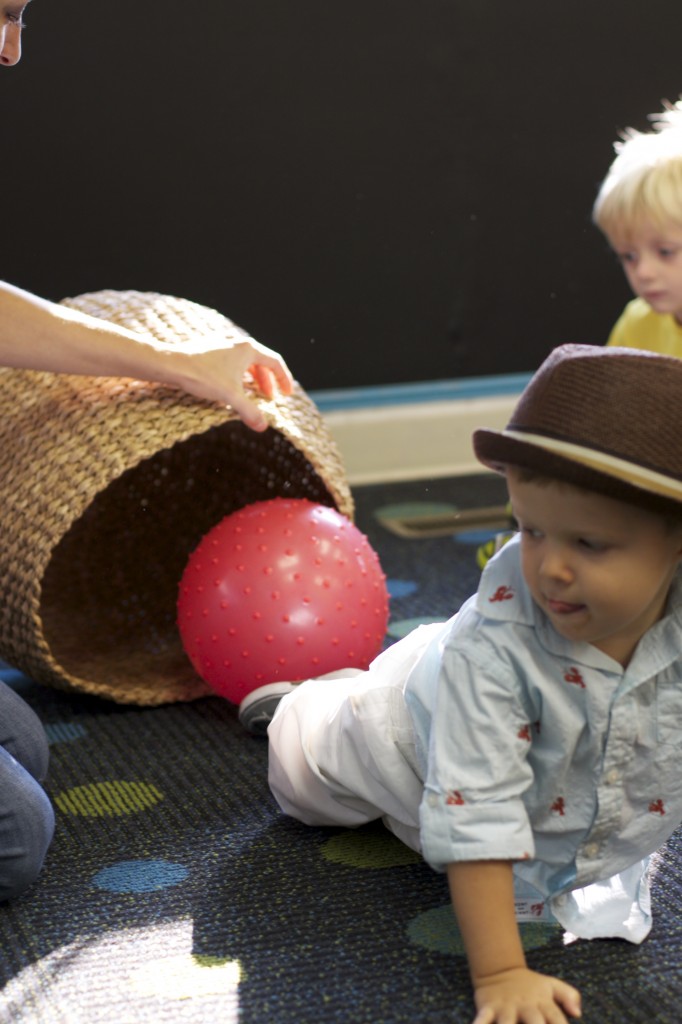
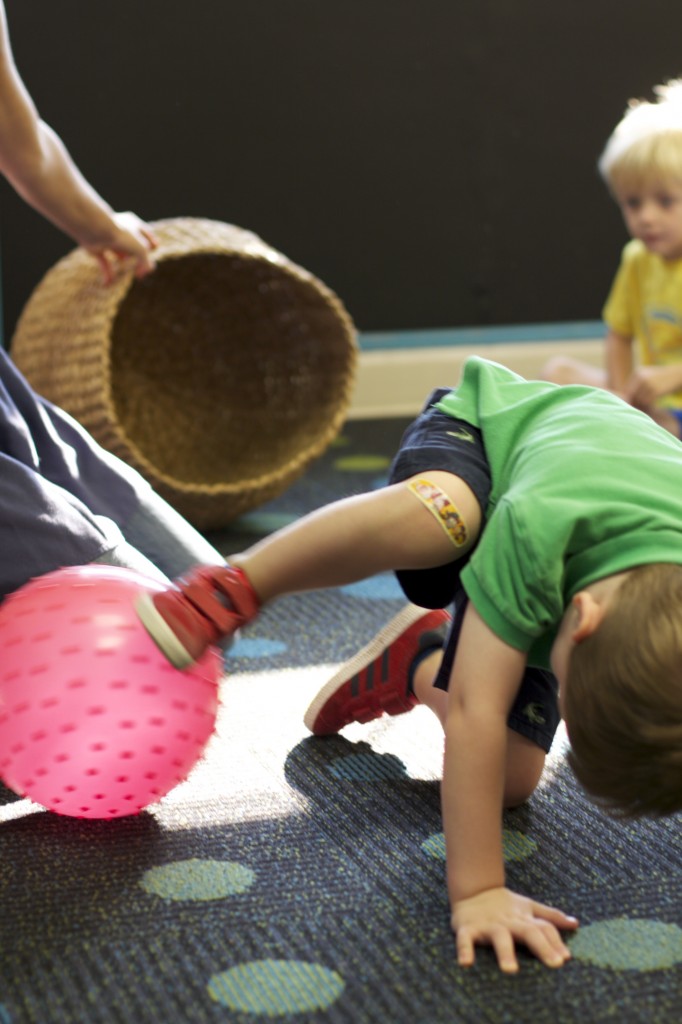
The Dung Beetle uses it’s hind legs to roll the ball into it’s burrow.
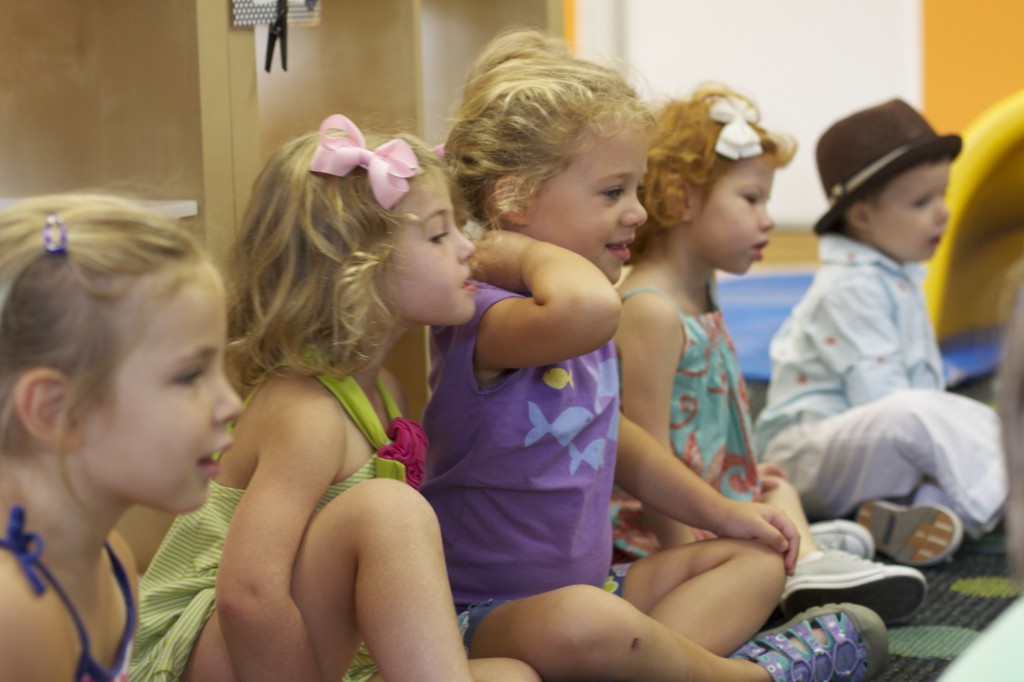
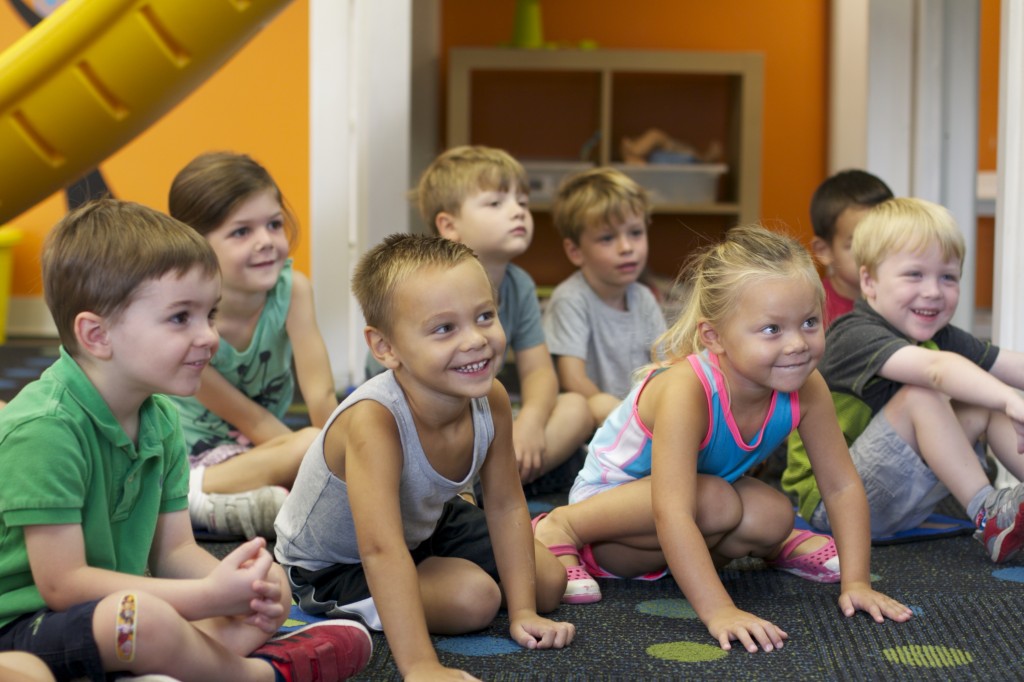
We watched the Dung Beetle in it’s habitat.
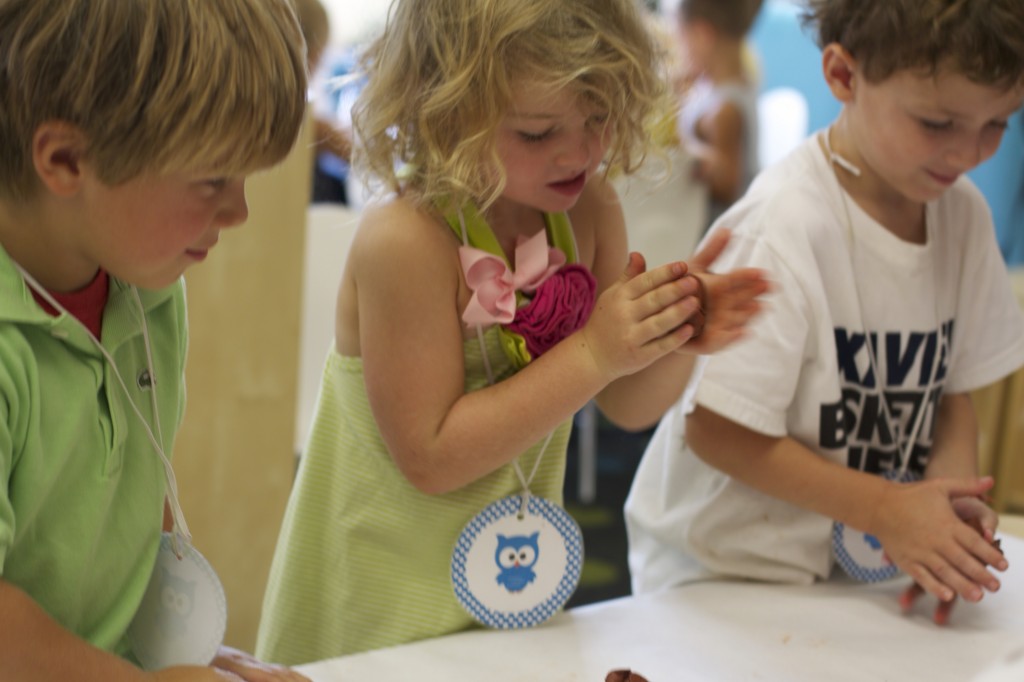
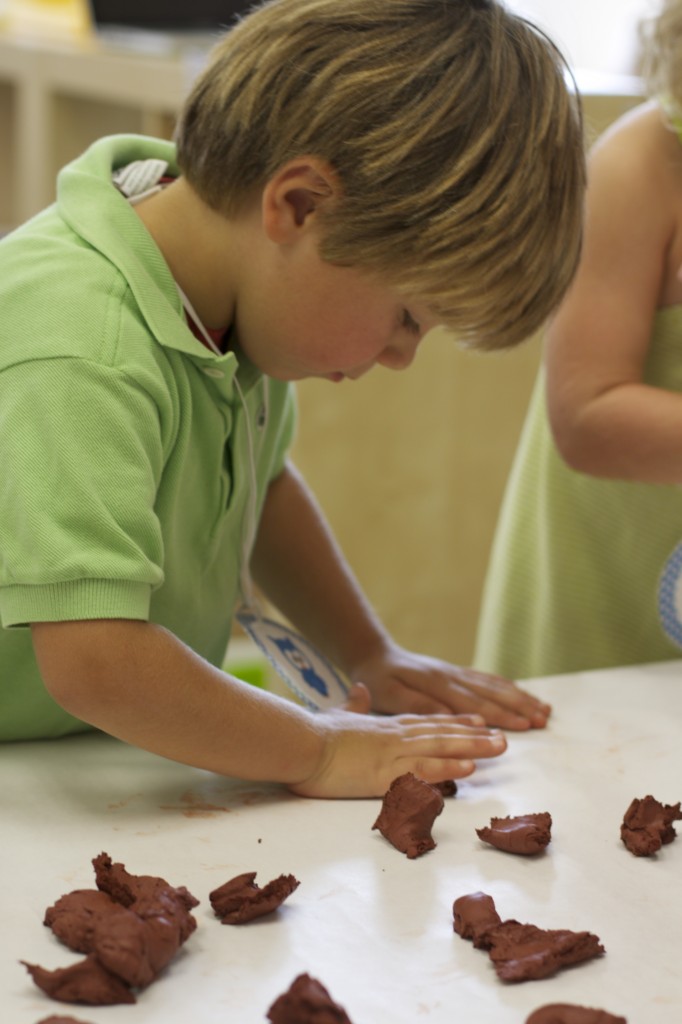
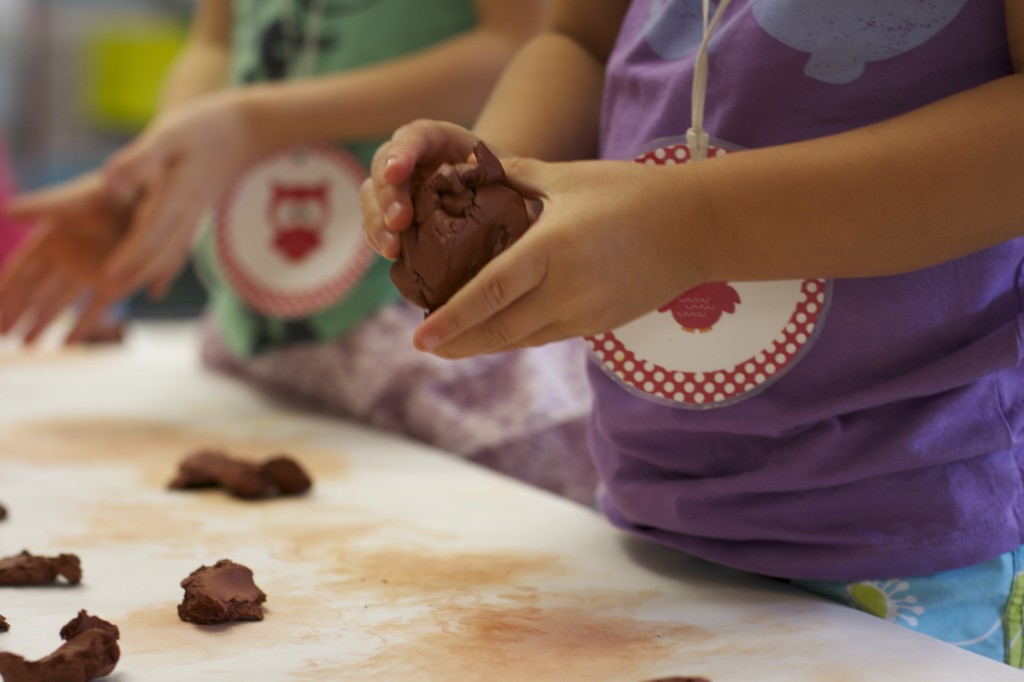
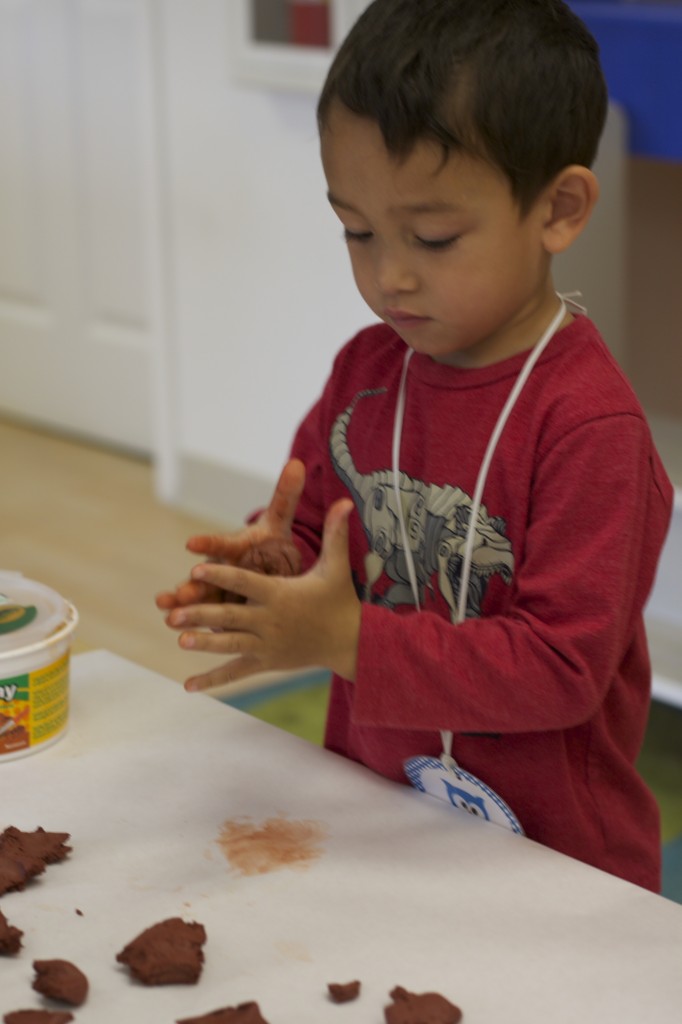
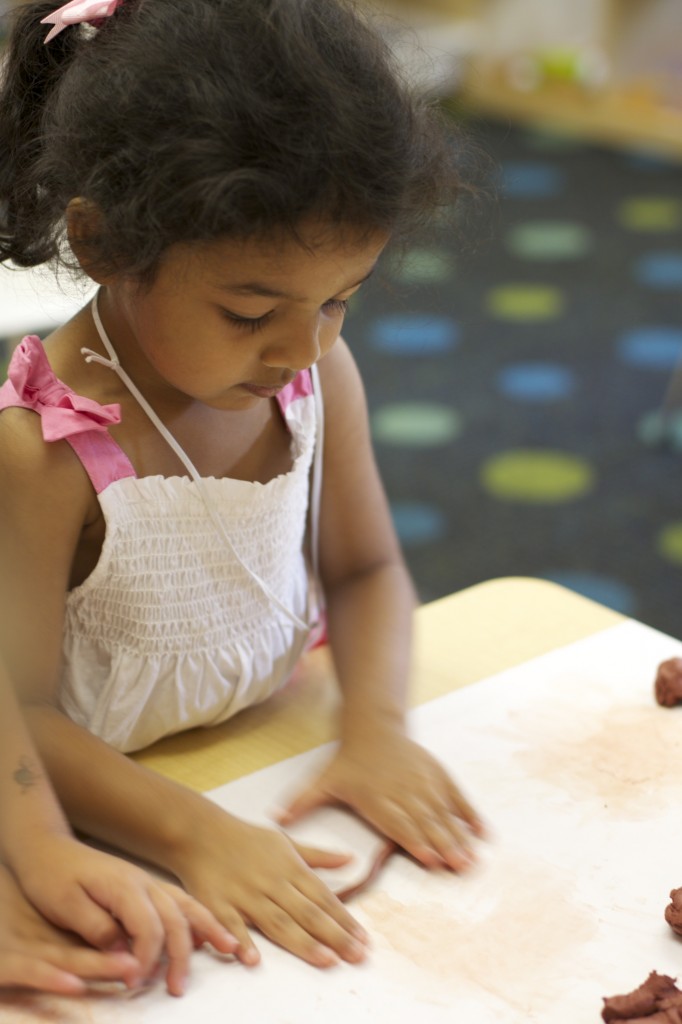
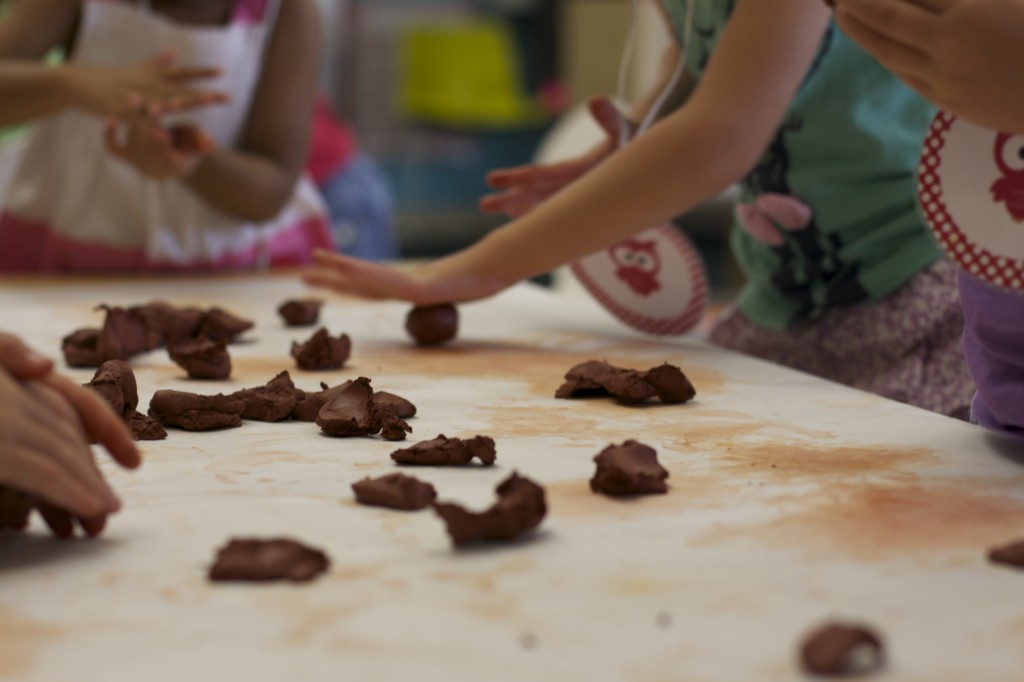
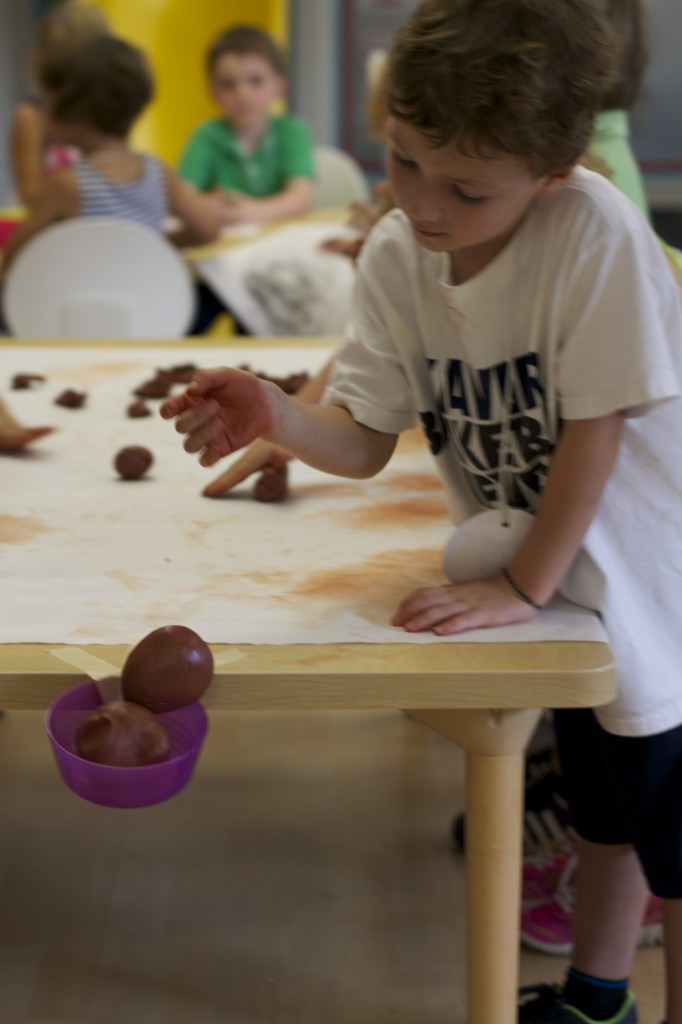
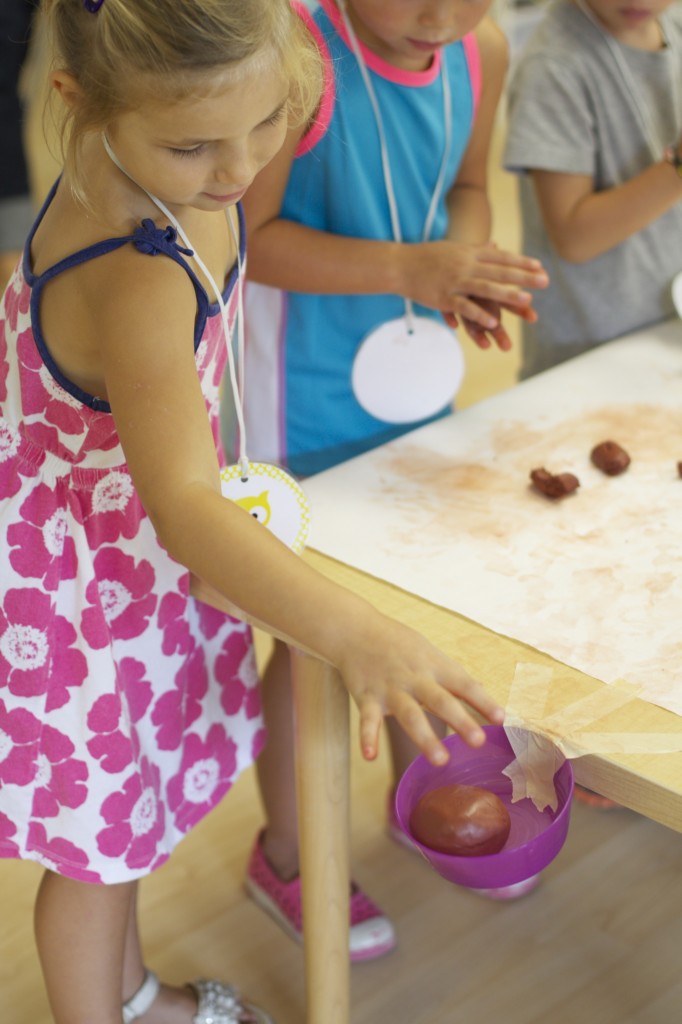
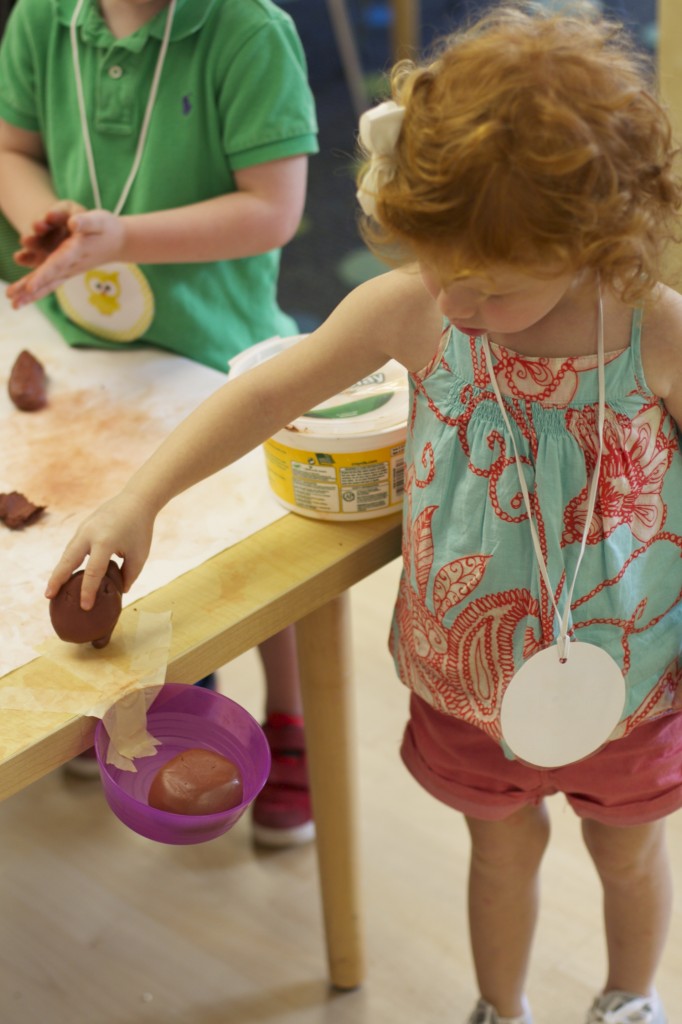
After we rolled the clay into balls, we pushed it down into the burrow.
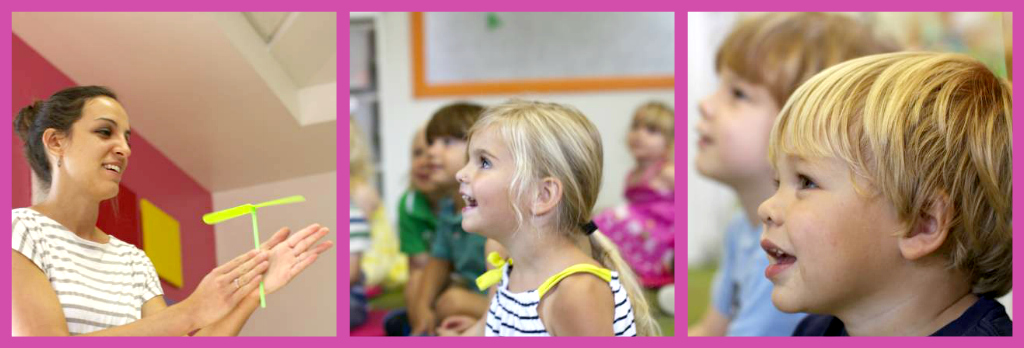
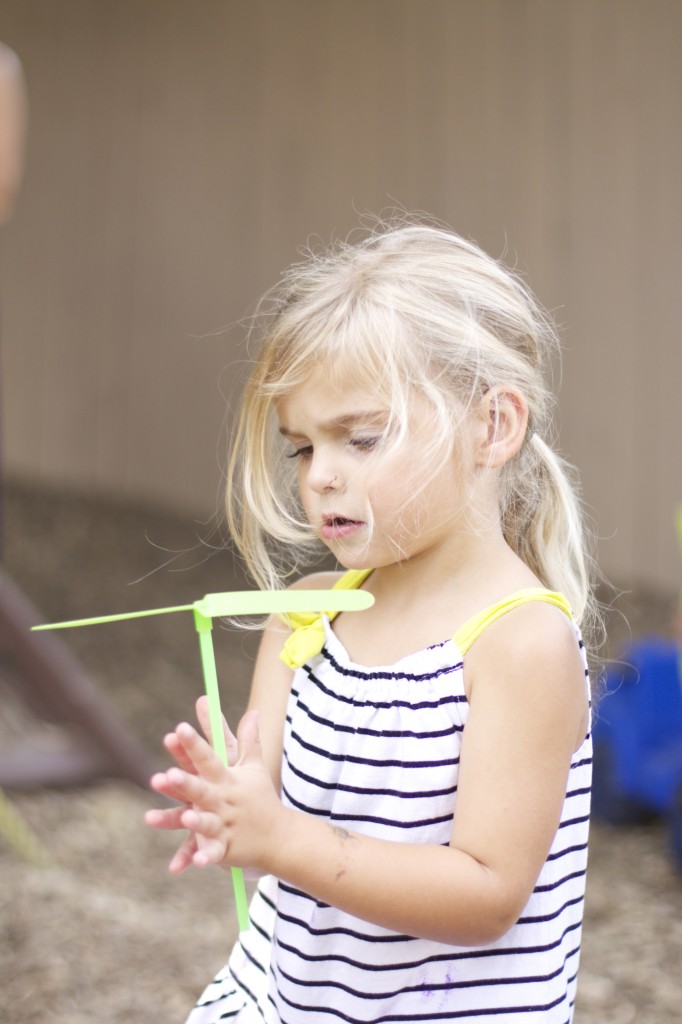
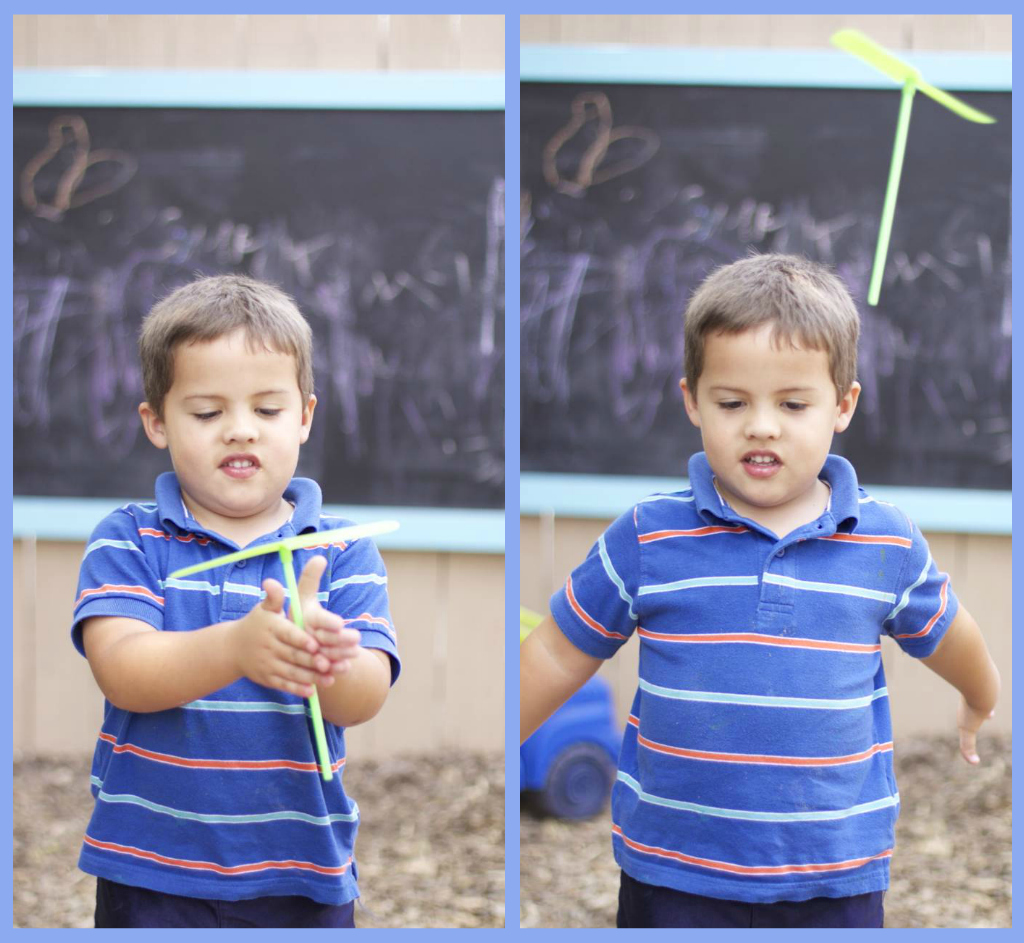
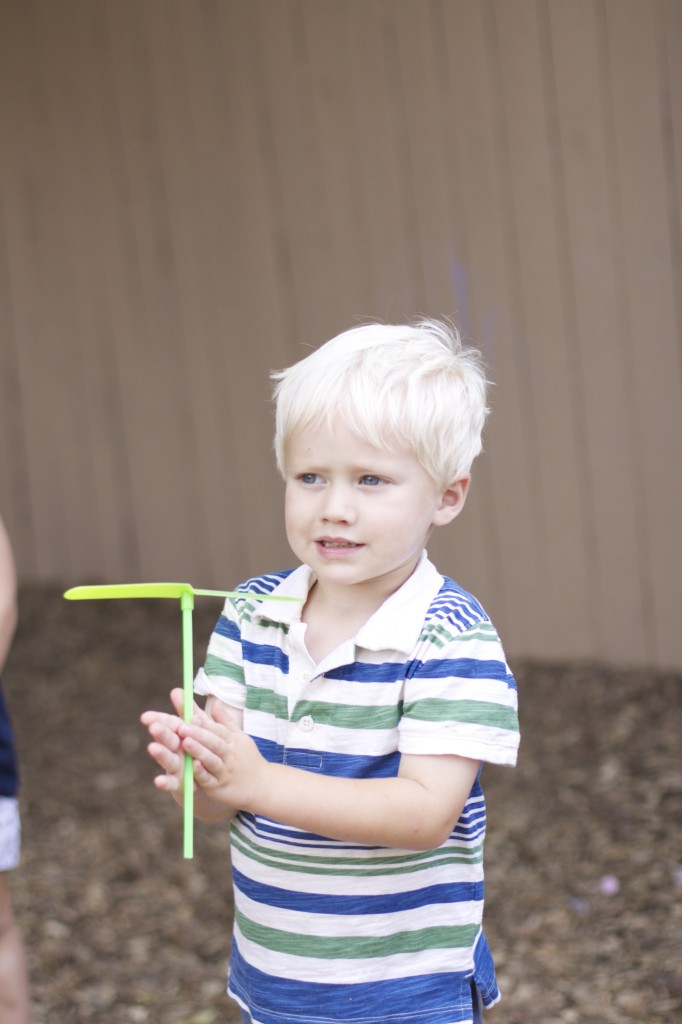
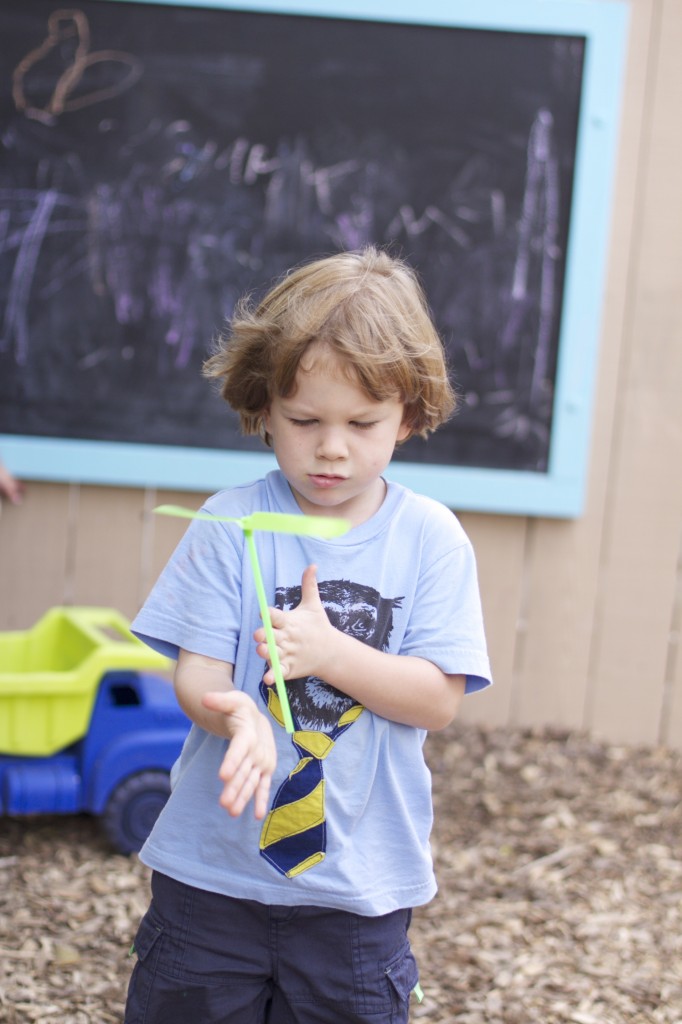
Today in our group time we talked about helicopters. We compared them to airplanes by discussing the features of an airplane then discussing the features of a helicopter. We discovered that they are VERY different. We talked about the propeller and how it works. I brought in a little “helicopter” for the children to see and try. We also did a question of the day: “Which do you like more? A helicopter or and airplane?” Each child had a chance to come up and place their person cutout by the plane or helicopter. Surprisingly, they tied! 🙂
Ms. Sarah
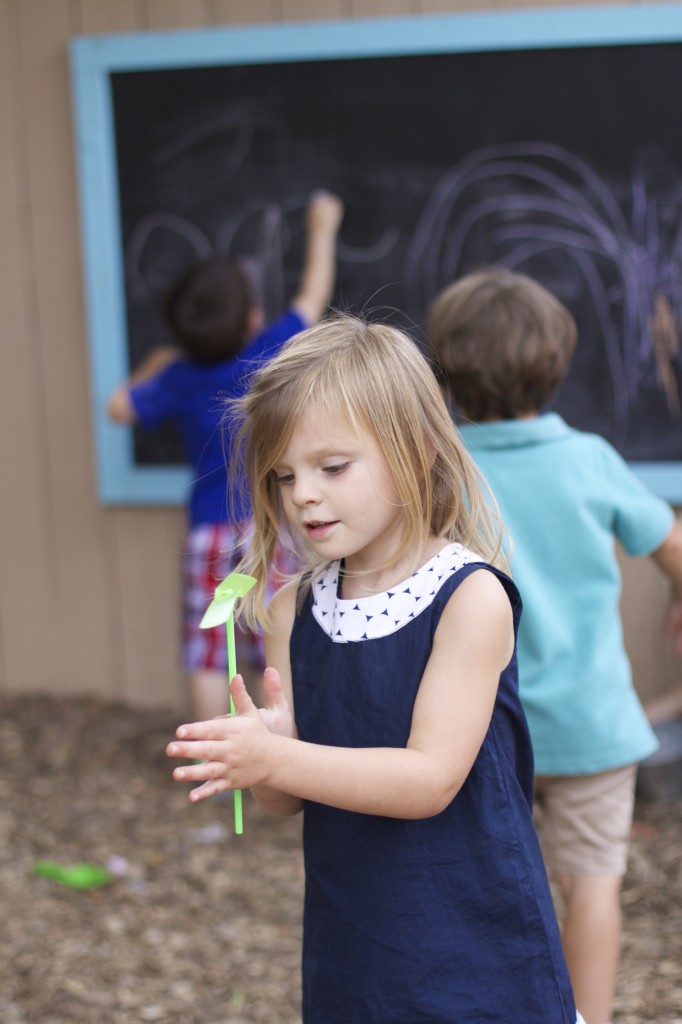
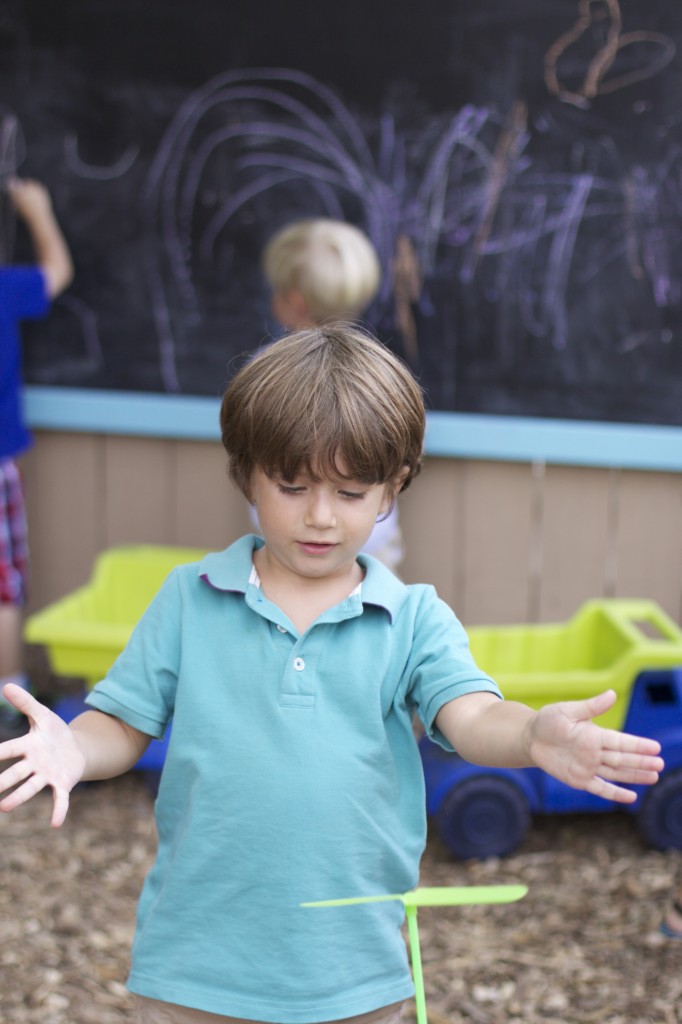
We worked on the concept in and out using our oatmeal discovery tub.
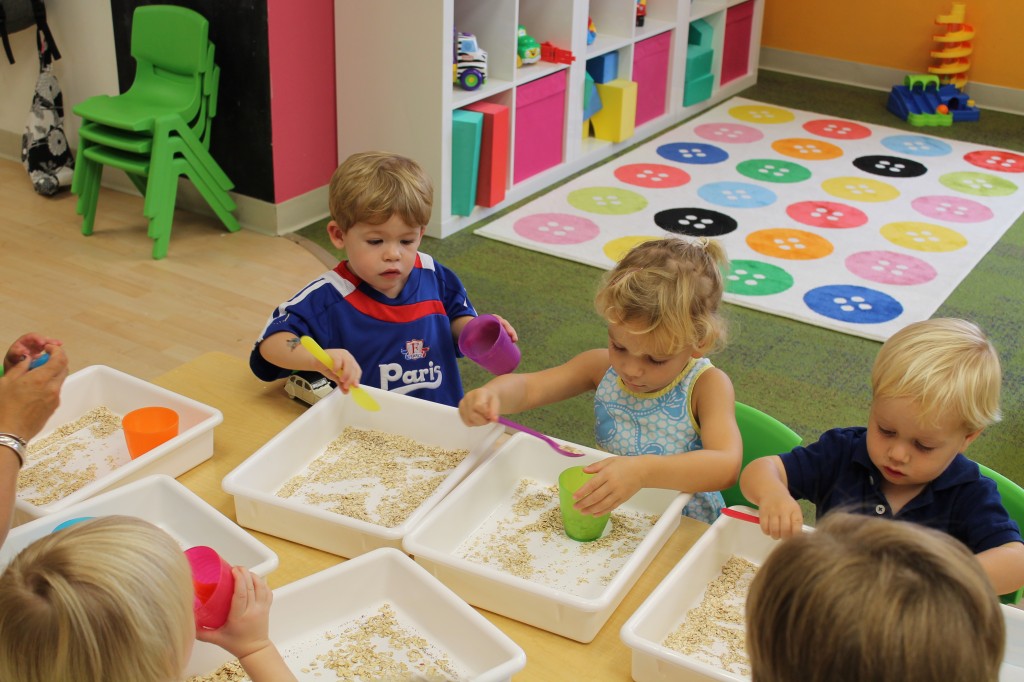
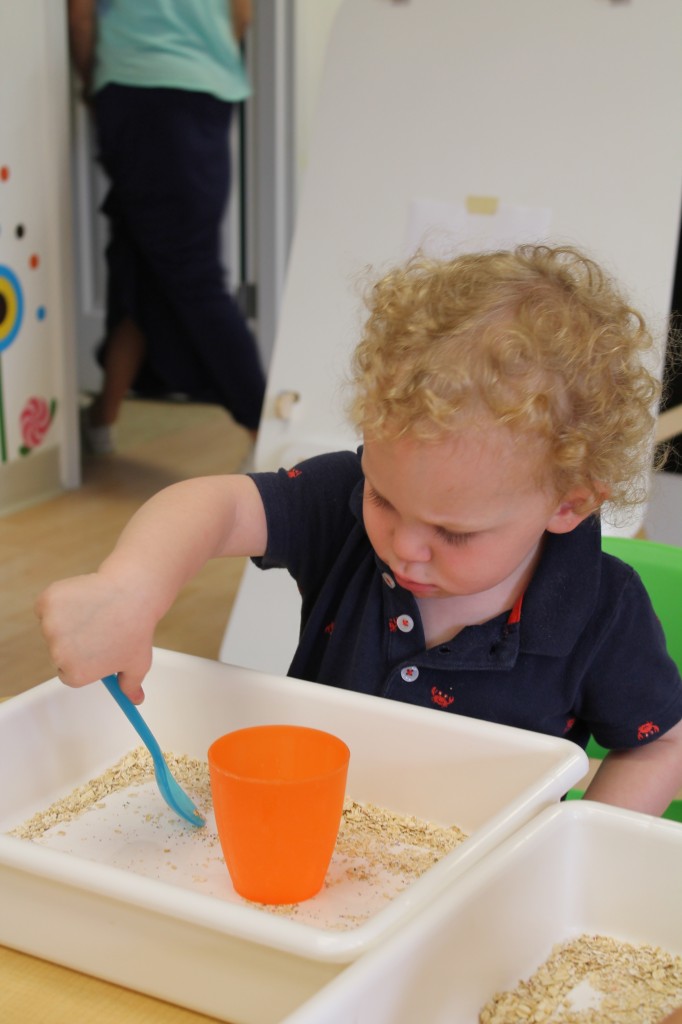
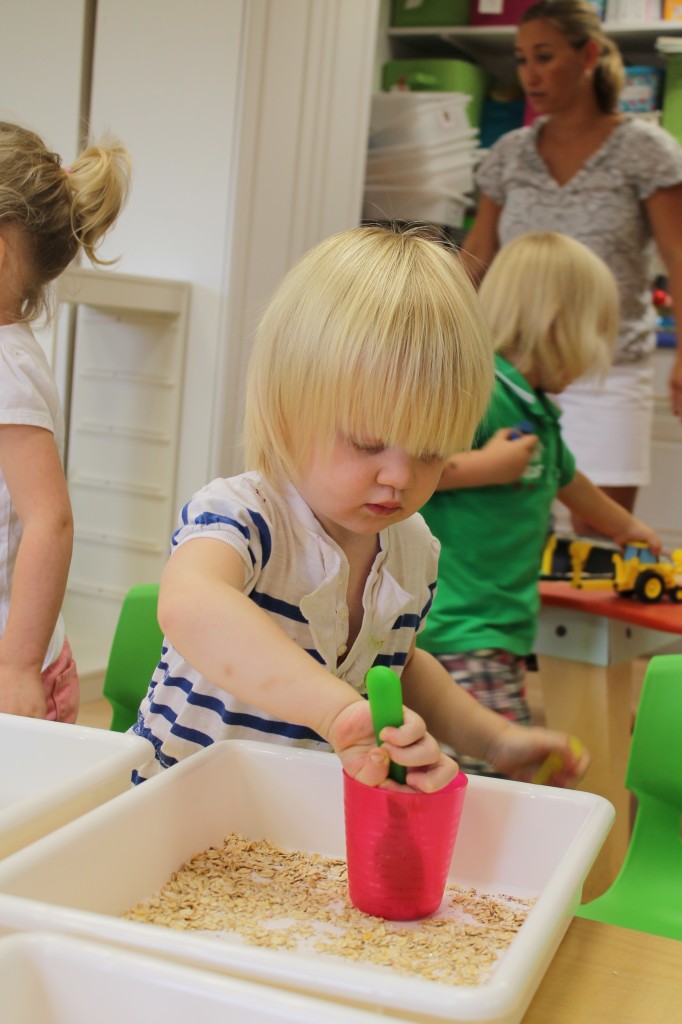
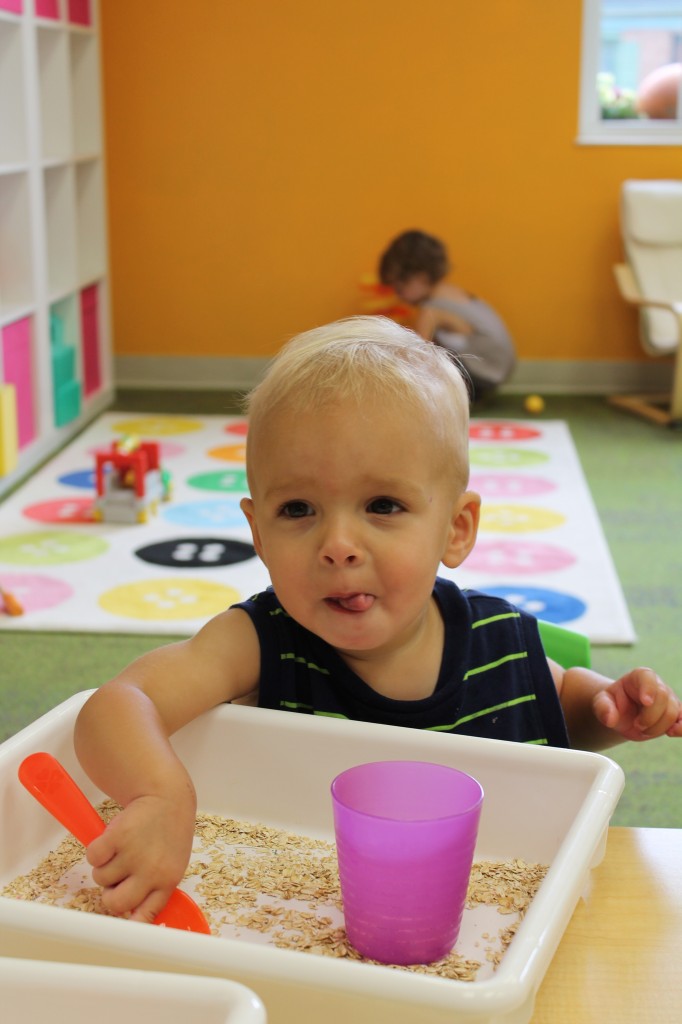
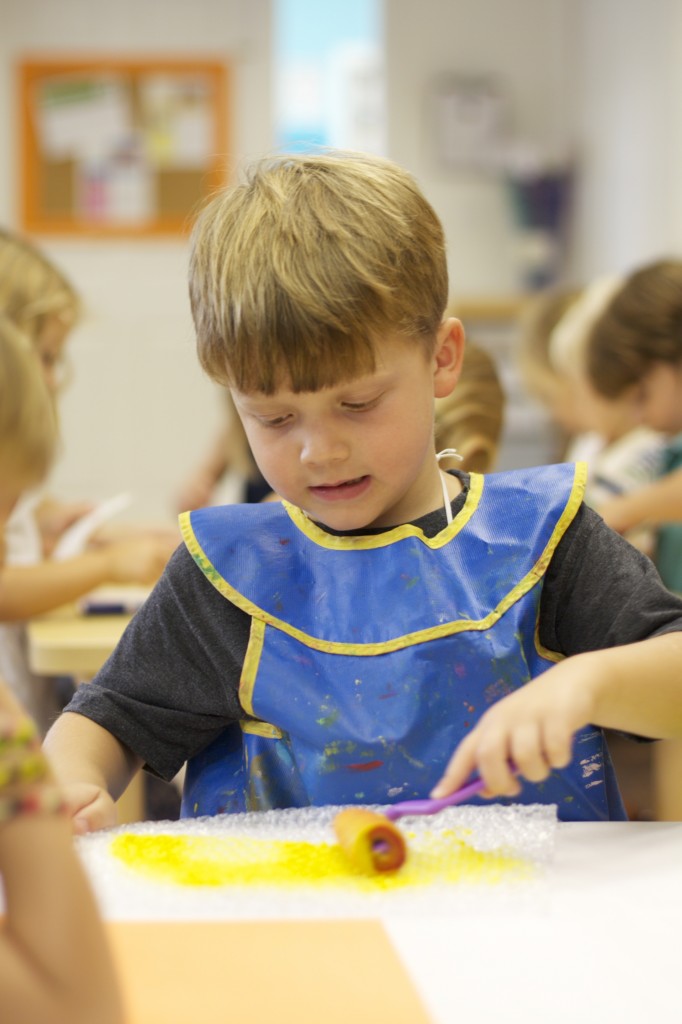
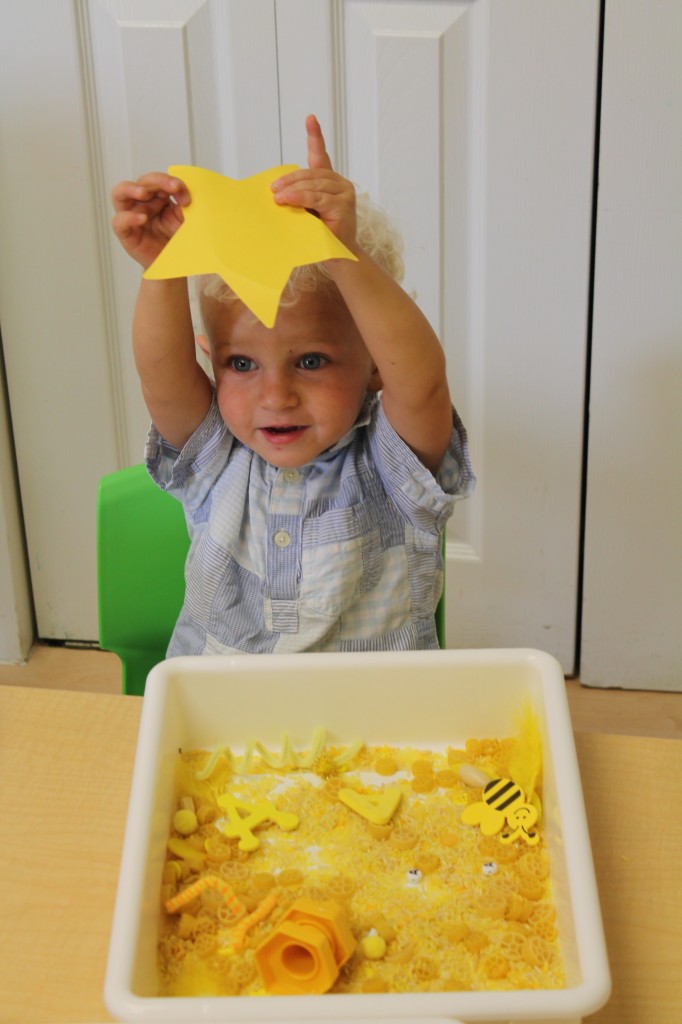
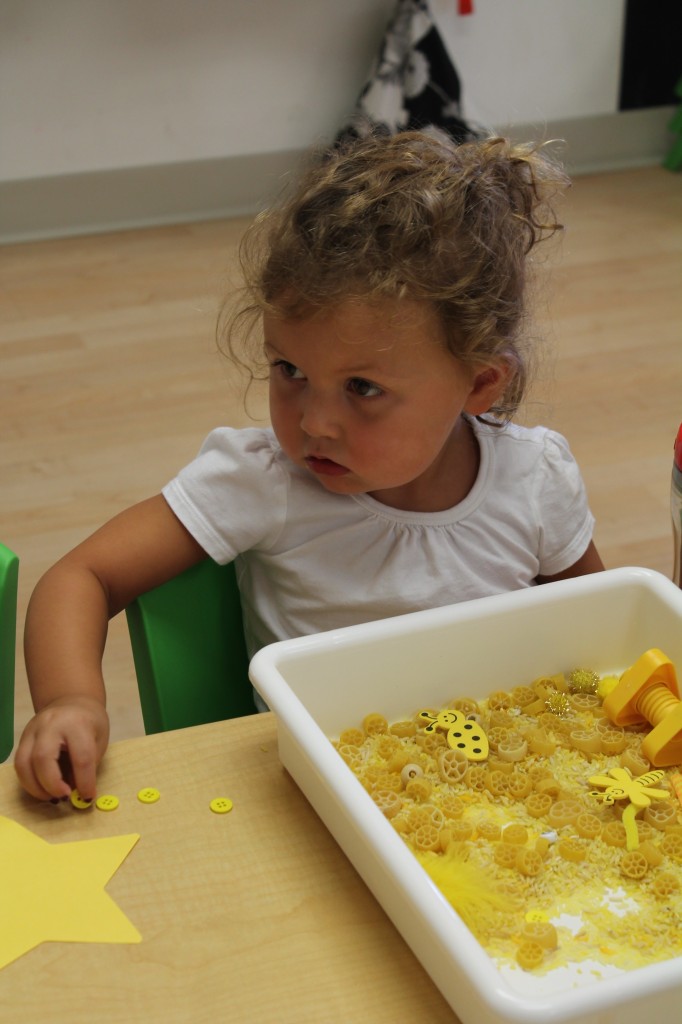
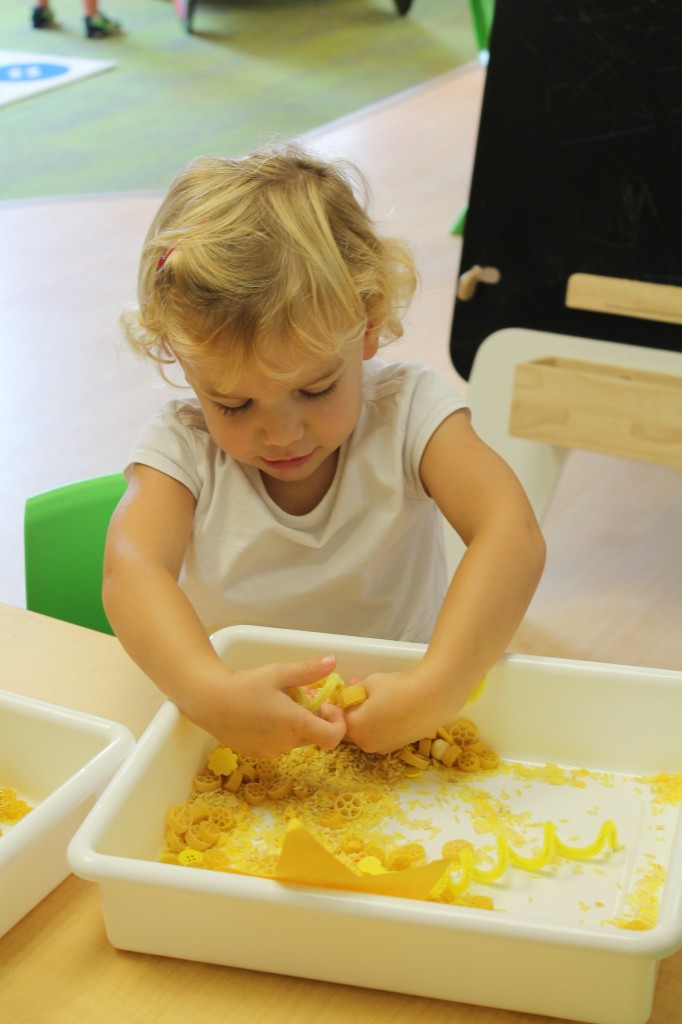
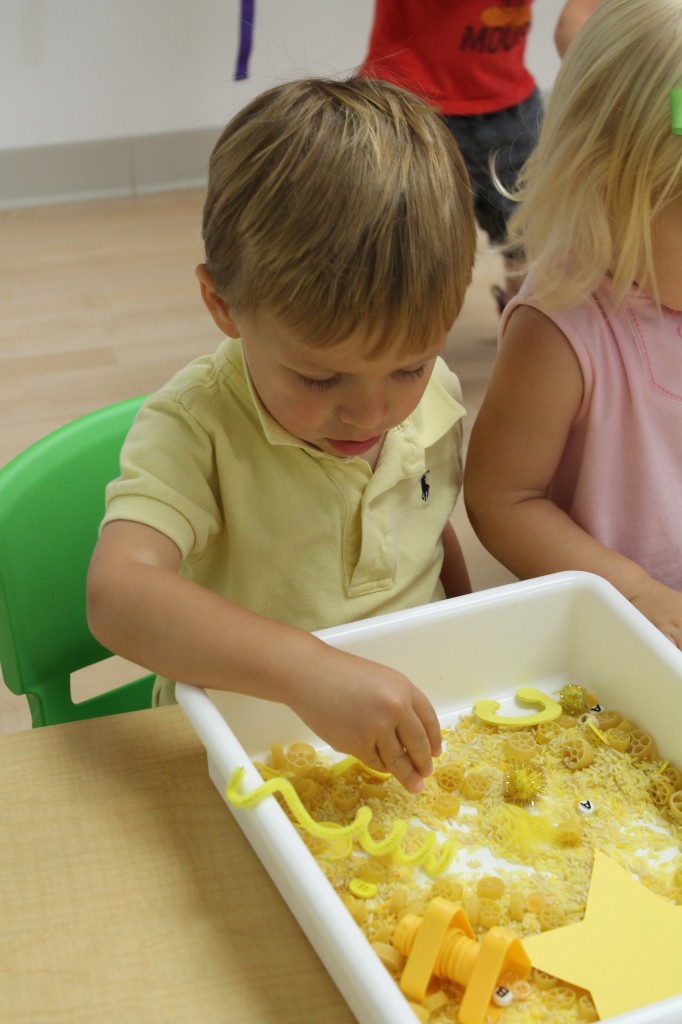
Fun with the color yellow!
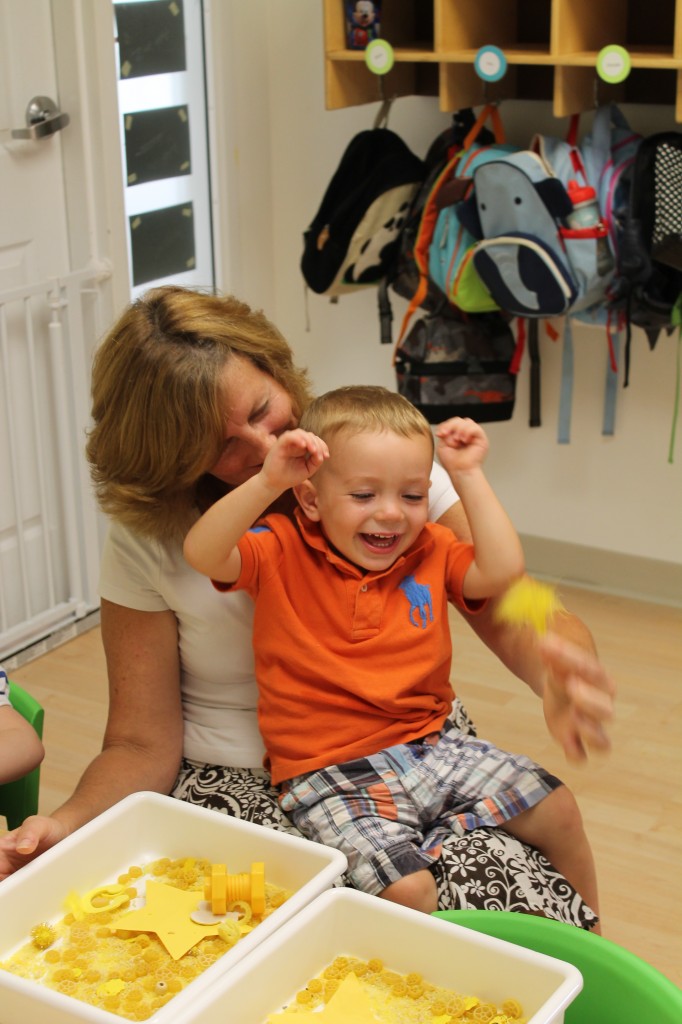
This week we are working with the letter B!
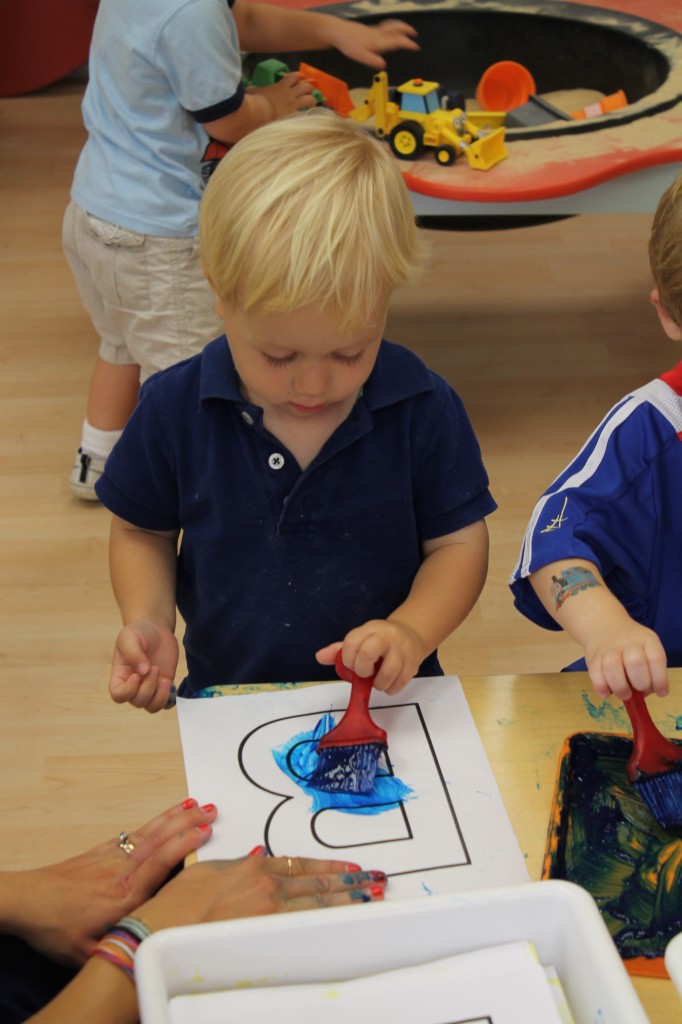
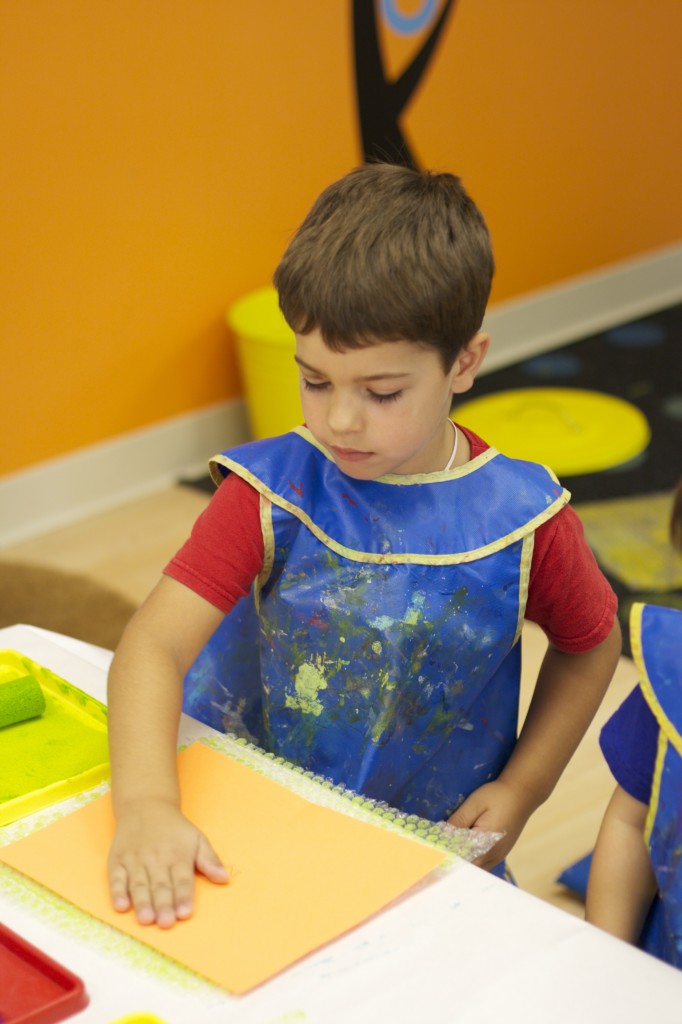
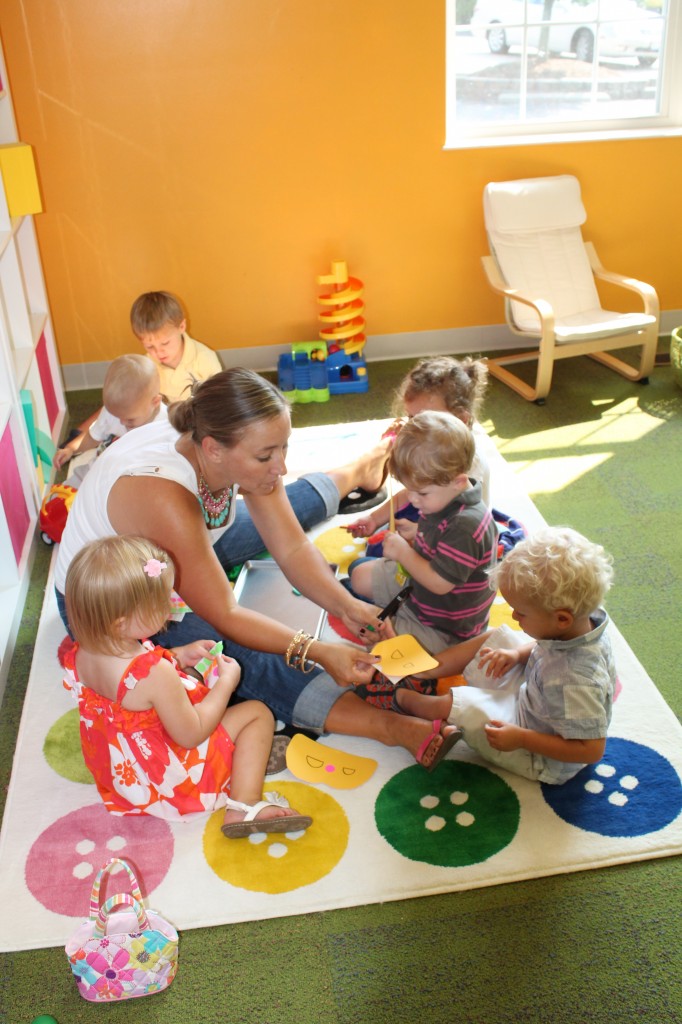
This month we are studying the color yellow. Check out some of our fun yellow activities from today!
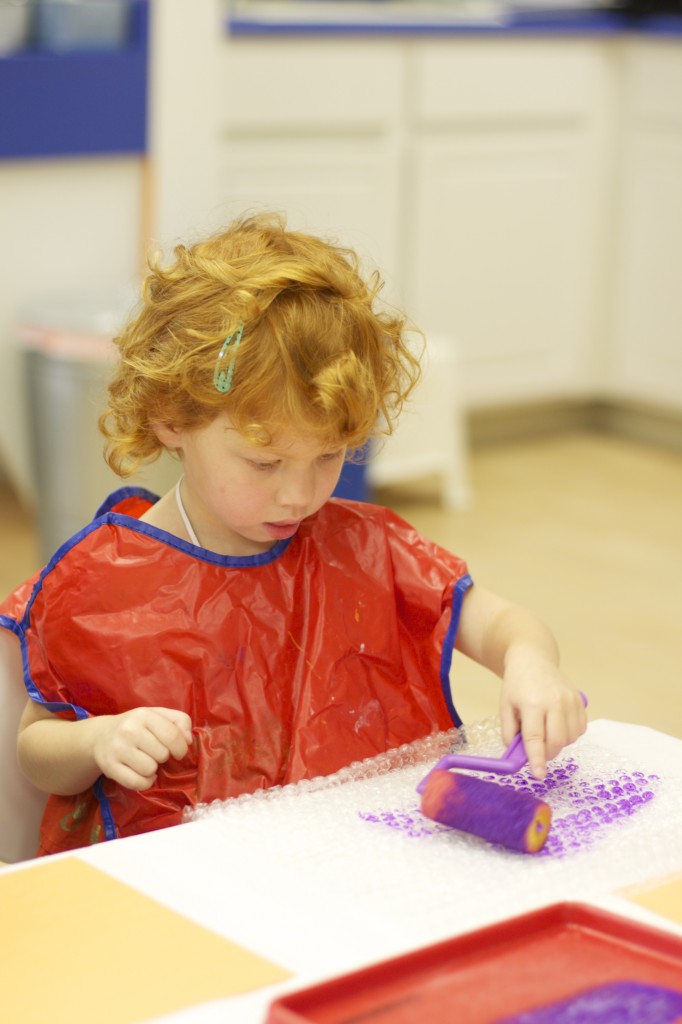
We started our day off with painting cars and trucks.
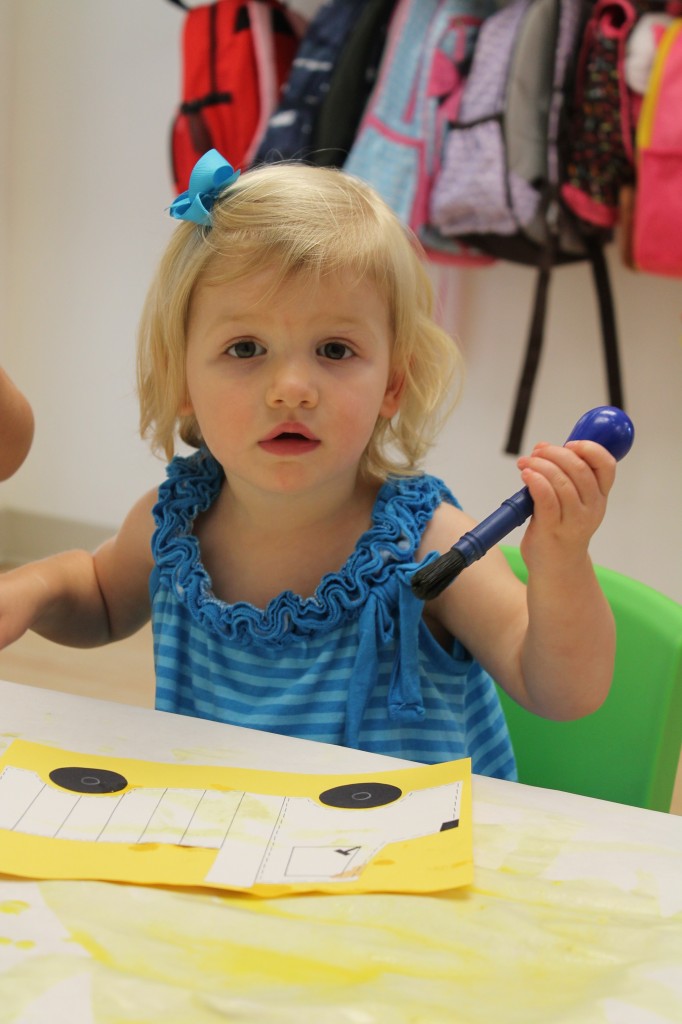
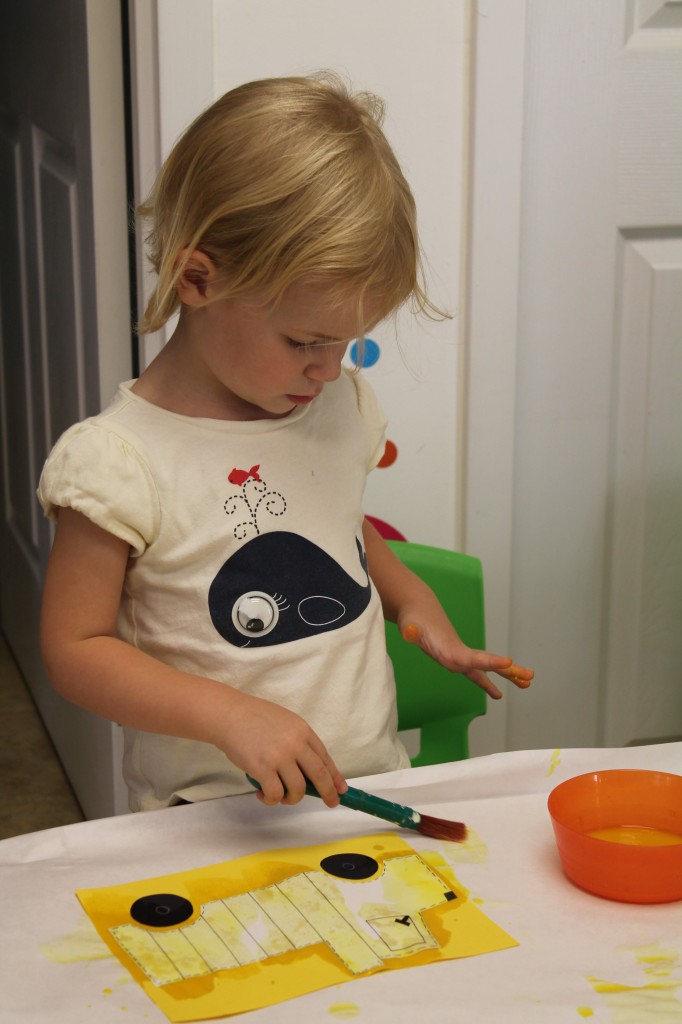
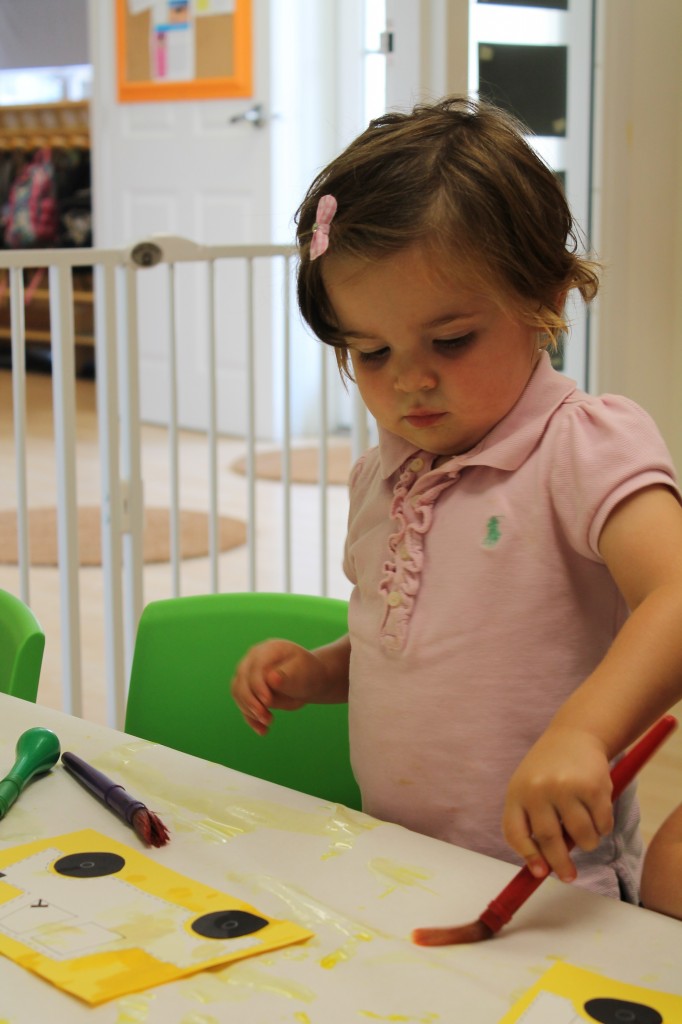
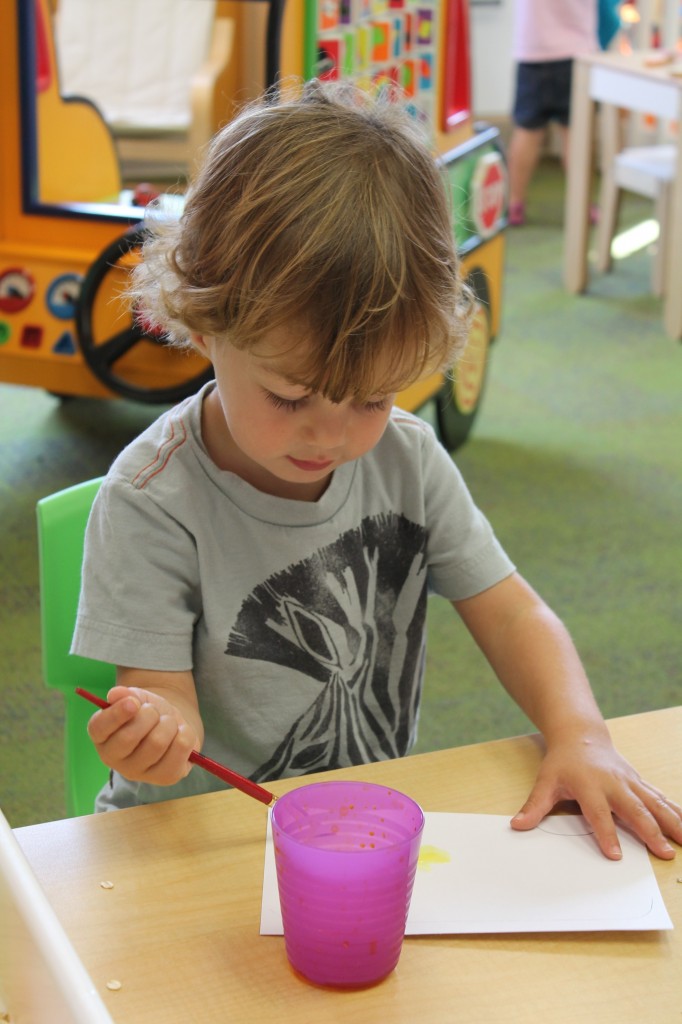
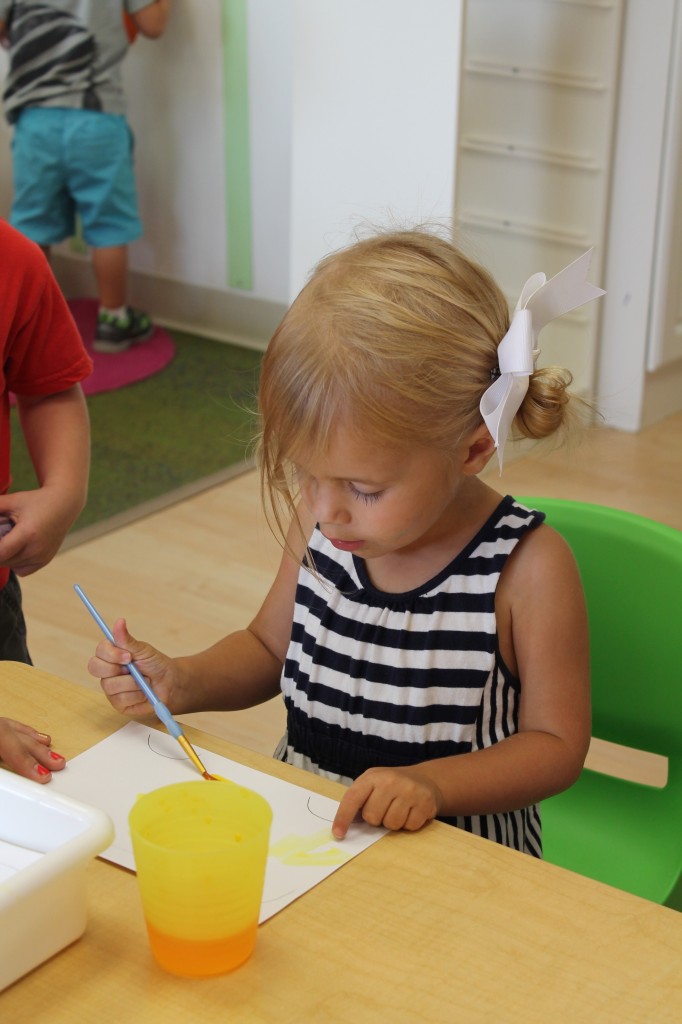
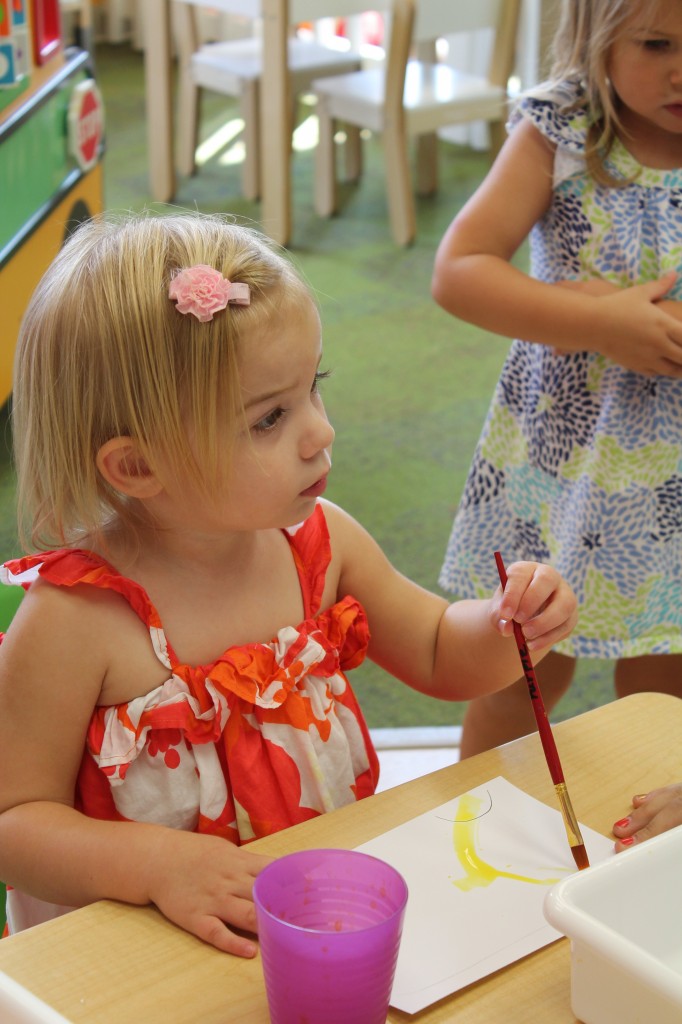
Check out our yellow discovery tubs!
This week we are learning about the letter B!
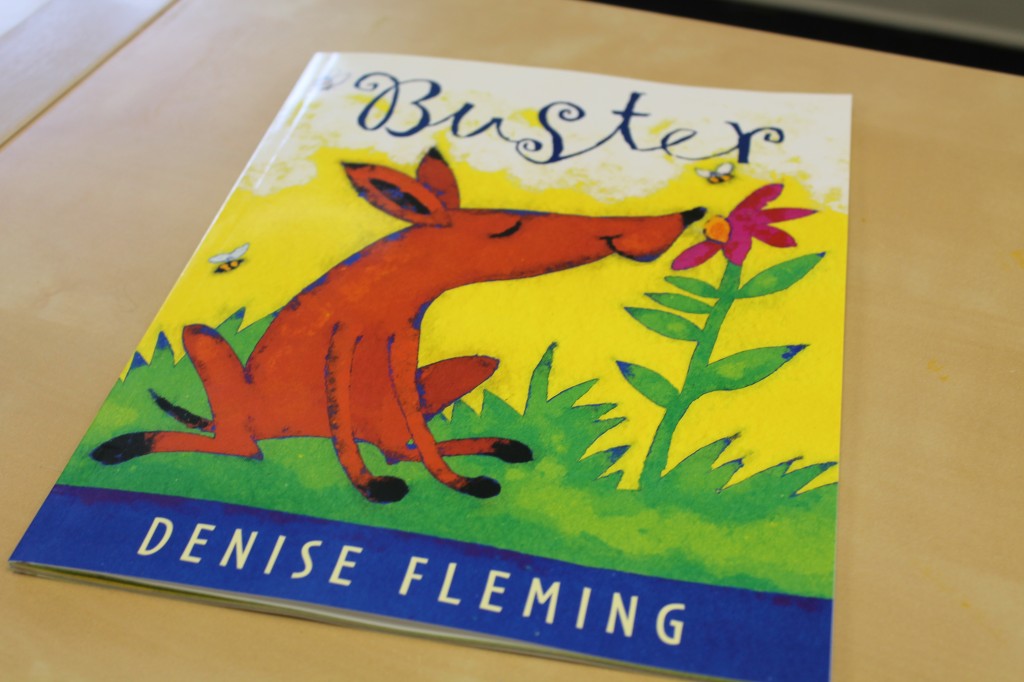
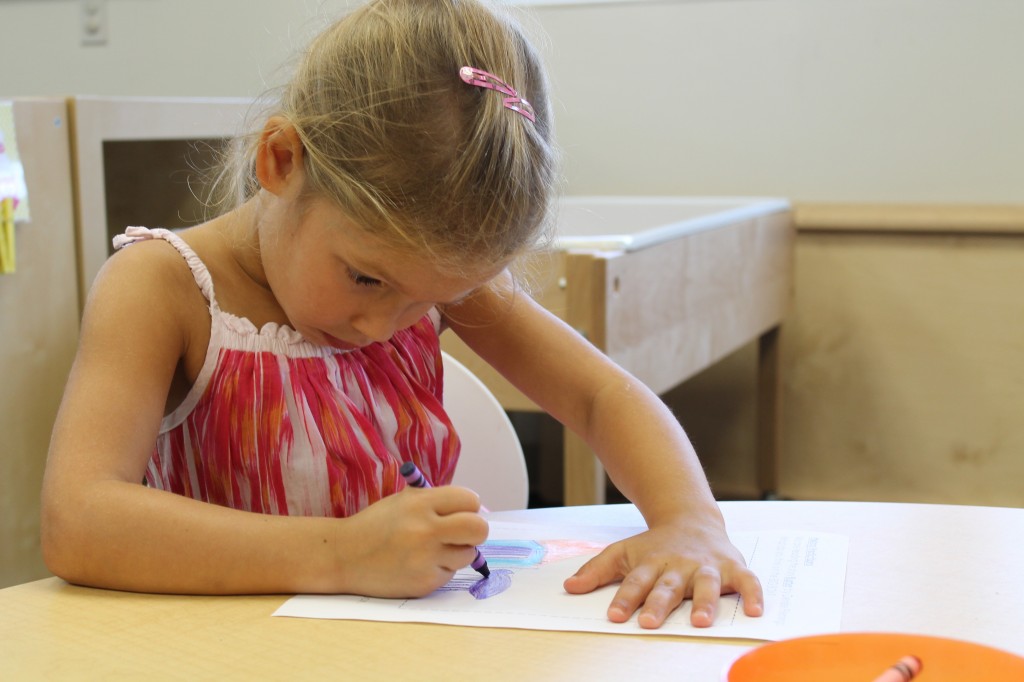
We read the book, Buster, by Denise Fleming. In the book, Buster receives a box with a special suprise inside! Before we read the ending of the story to find out what was inside the box, we made predictions about what we THOUGHT might be inside the brown box. The ideas the kids came up with were GREAT! Effective readers use pictures, titles, headings, and text—as well as personal experiences—to make predictions before they begin to read. Predicting involves thinking ahead while reading and anticipating information and events in the text. After making predictions, students can read through the text and refine, revise, and verify their predictions. Making predictions activates students’ prior knowledge about the text and helps them make connections between new information and what they already know. By making predictions about the text before, during, and after reading, students use what they already know—as well as what they suppose might happen—to make connections to the text. We provide a variety of opportunities for our students to make predictions in both reading experiences and many other experiences in the classroom including science, math exploration, sensory experiences, and social interactions.
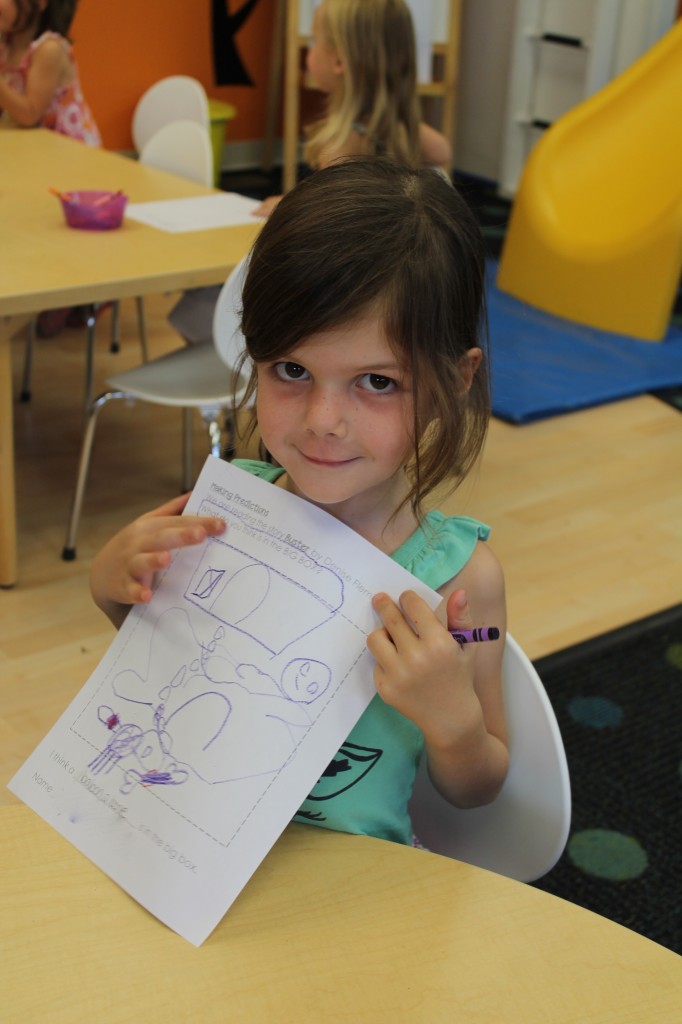
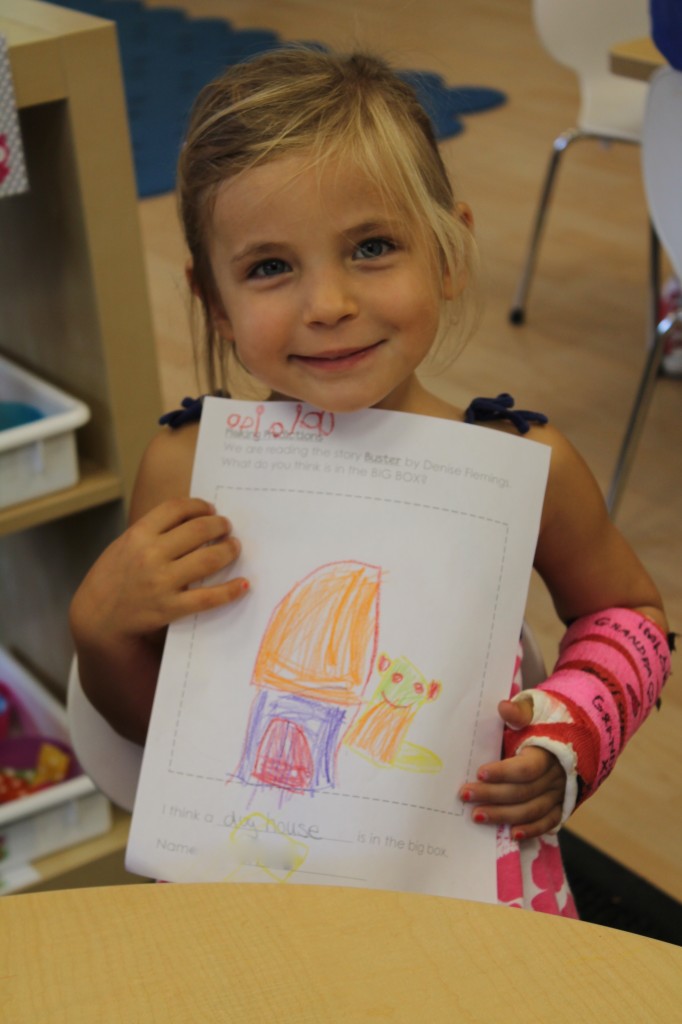
"A Dog House"
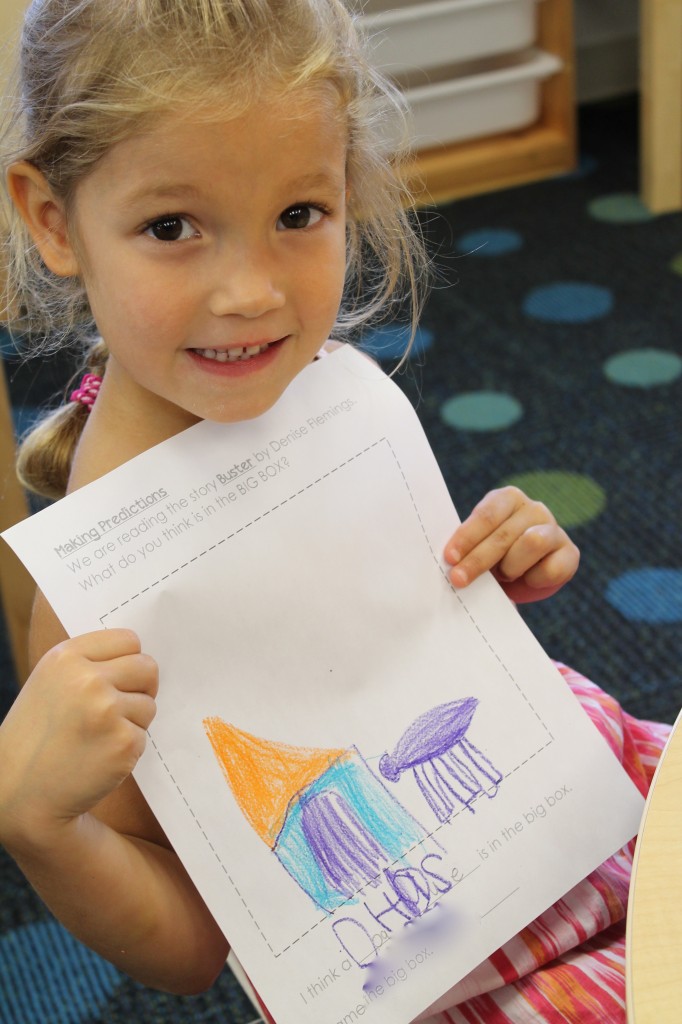
"A Dog House"
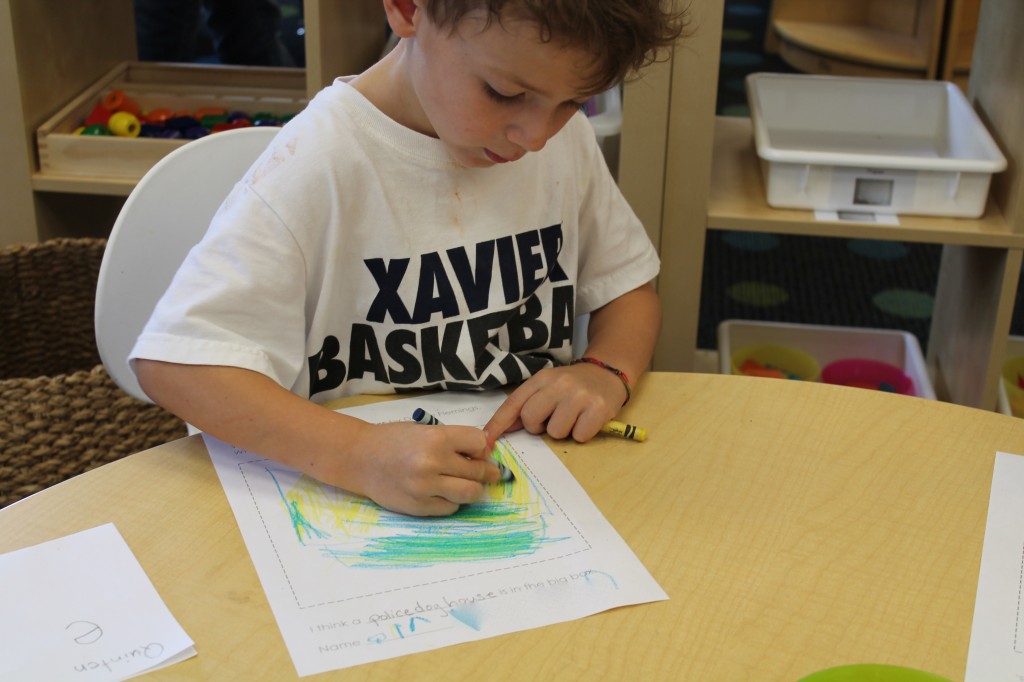
"A police dog house"
The K Prep students did their second entry in their journals today. Last week our entry was about what/who we love. We saw a lot of family faces in those entries! Monday, after reading the book, We Love School we wrote/drew about our favorite thing at our own school.
Journal writing is one of the foundation blocks of our language arts philosophy. Each week, the children have a set time to write in their journals. The journal serves as a valuable learning tool. The children are beginning to get their ideas on paper and learn first hand the power of words. Research shows that journaling is one of the most effective ways to teach and learn phonics.
Children at the beginning stages often use “scribble writing” or random letters to represent words. As they progress, they will begin to use the letters that represent the sounds in the words that they are attempting to write (“btrfli” for butterfly). We make good use of the children’s growing phonics by helping them listen carefully to the words they wish to use. Our ultimate goal is for each child to learn to communicate on paper whether it is through words or illustrations.
Children draw pictures as the main part of their communication at these early stages. Drawing helps them find the words they might want to use in their writing.
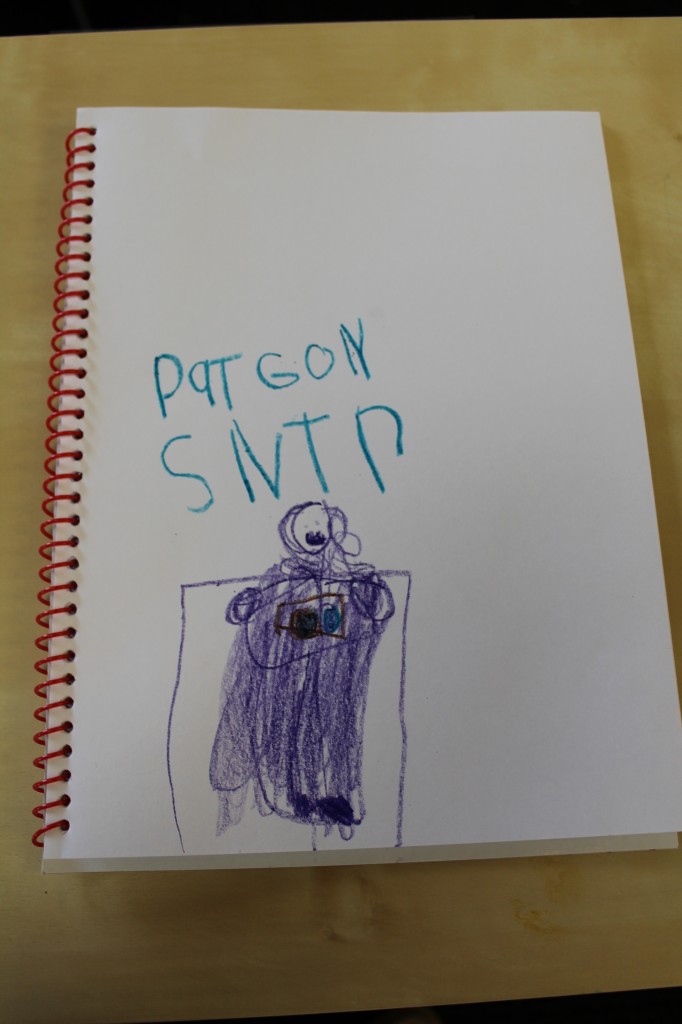
"Painting Center"
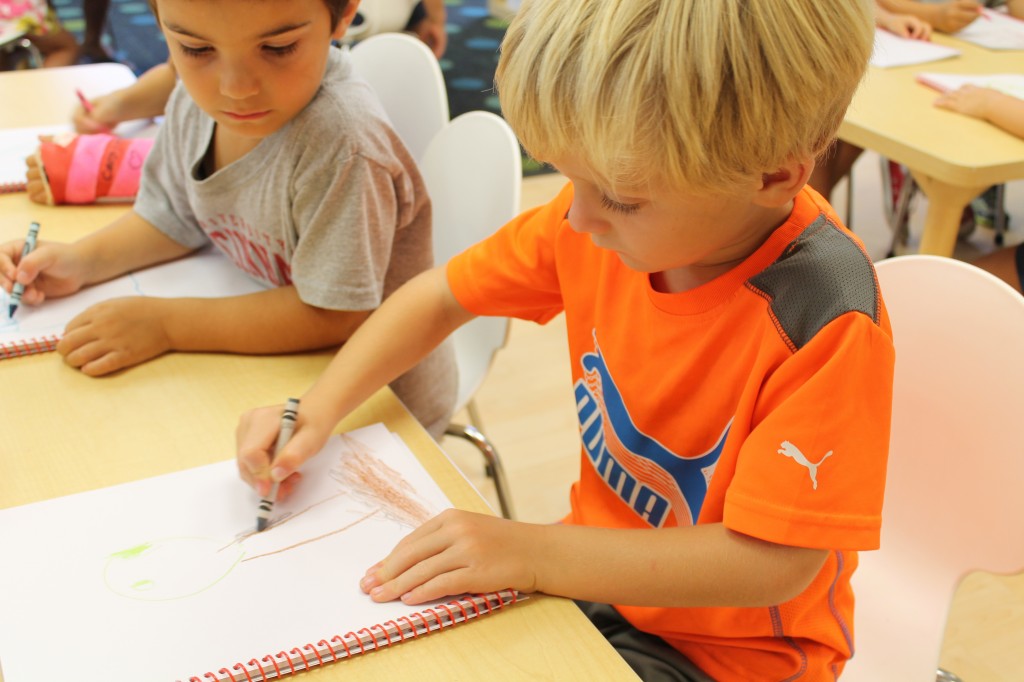
"I like to play on the playground."
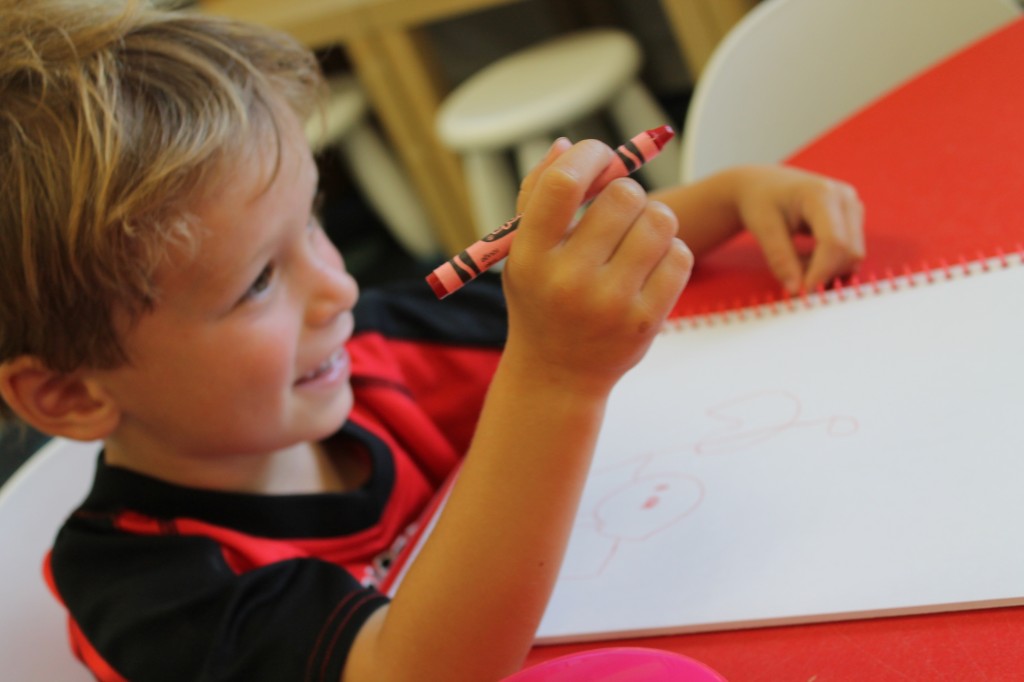
"Me and Bode Playing Basketball"
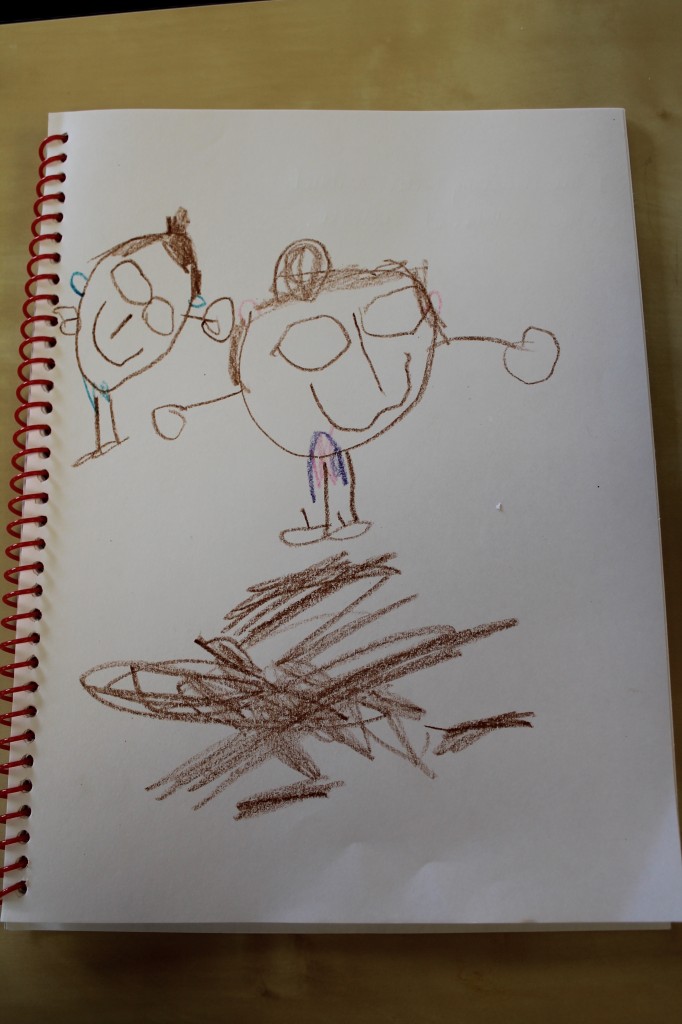
"To Draw with Sam on the Chalkboard"
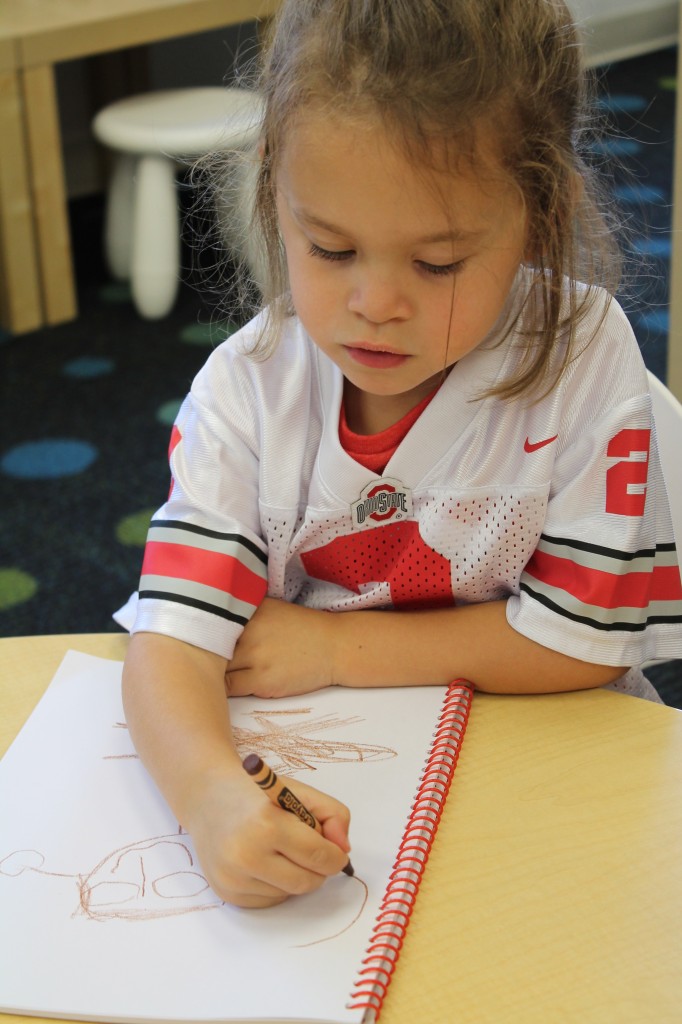
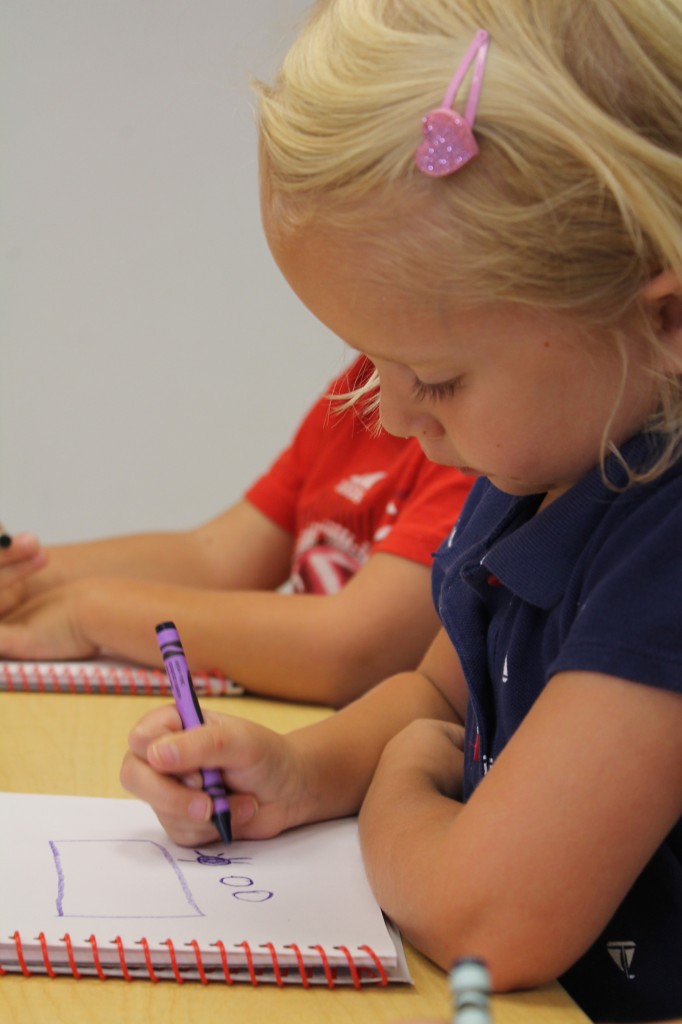
"I like to play in the writing center."
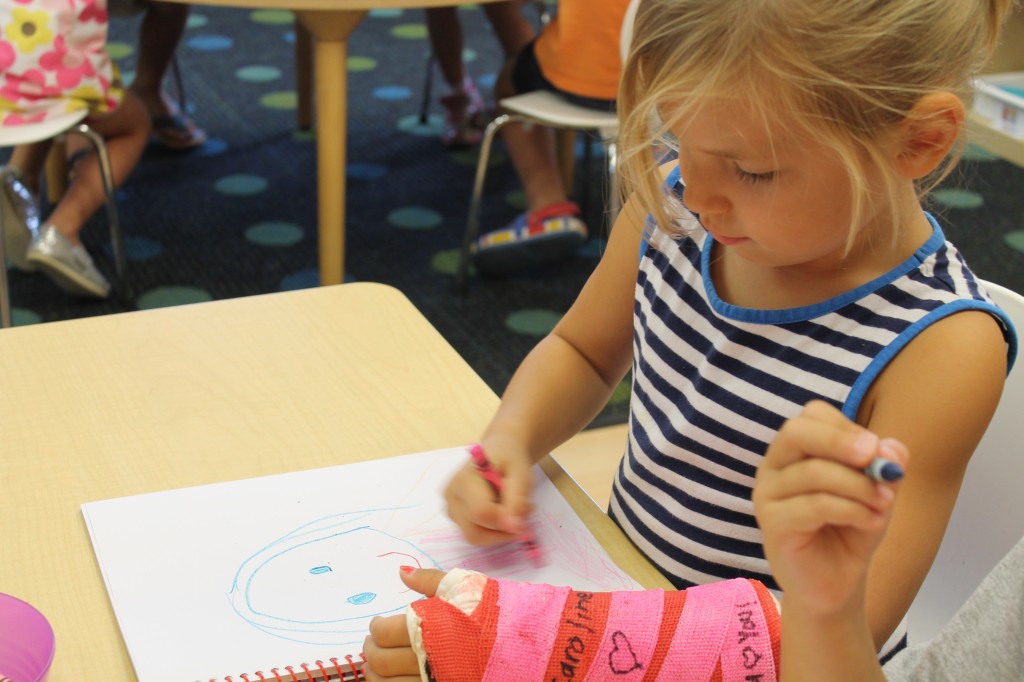
"I like when my family comes to school."
Creative Tots has specialized in the private education of both toddlers and preschool age children for over 15 years. We began in the heart of Madeira and now also have a new Mason location. We are specifically designed to focus on early childhood development for children ages 18 months to 5 years.

Click below to learn more about our program offerings: